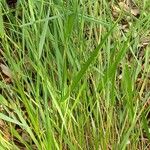
Agropyron cristatum
Crested wheatgrass · Desert wheatgrass · Fairway crested wheatgrass · Fairway wheatgrass · Crested wheat grass
Description
Source: leafsnapAgropyron cristatum, the crested wheat grass, crested wheatgrass, fairway crested wheat grass, is a species in the family Poaceae. This plant is often used as forage and erosion control. It is well known as a widespread introduced species on the prairies of the United States and Canada.
🌳 Crested wheatgrass is commonly acknowledged for its ability to endure severe conditions, such as drought and saline soils. Beyond its common role as livestock forage, this species has additional untapped uses. With its dense root network, it could be important for soil stabilization projects, particularly in arid regions at risk of erosion. It is also being considered for restoration of disturbed lands because of its adaptability and hardiness. Furthermore, researchers view it as a potential source for biofuel production due to its high biomass yields under stressful conditions.
Care Guide
💧 Water
Crested wheatgrass is well-suited for semi-arid regions and excels in dry conditions due to its drought tolerance. Although it requires weekly watering to grow, it actually prefers lower moisture levels overall. Usually grown outdoors, crested wheatgrass takes advantage of natural rainfall in open landscapes.
How should I water my Crested wheatgrass?
To effectively water the Crested wheatgrass, it is recommended to use filtered water at room temperature. Tap water may contain harmful particles, so filtered water is a better choice. This plant is accustomed to warm environments, so it's important to avoid using cold water, as it may be a shock to its system. Additionally, overhead watering should be avoided as it can cause problems with the foliage. Instead, simply apply filtered room temperature water to the soil until it becomes saturated. This helps the roots to spread through the soil and gather essential nutrients.
What should I do if I give my Crested wheatgrass too much or too little water?
Crested wheatgrass can be harmed by both overwatering and underwatering, but overwatering is a more common issue. When this plant gets too much water, its stems and leaves may wilt and turn yellow. Overwatering for a long time can also cause diseases like root rot, mold, and mildew, which can kill the plant. Underwatering is less likely, as Crested wheatgrass can tolerate drought fairly well. However, it is still possible, and when it happens, the leaves will become brittle and brown. It's important to notice signs of overwatering early on, as some of the resulting diseases may not be fixable if you wait too long. If you see early signs, reduce watering immediately and check the drainage of the soil. If the soil doesn't drain well, replace it with a loose, well-draining potting mix. On the other hand, if signs of underwatering are present, simply water more regularly until those signs go away.
How many times should I give water to my Crested wheatgrass?
If your Crested wheatgrass is in a pot, you can check if it needs water by putting your finger in the soil. If the top two to three inches of soil are dry, it's time to water it. If you're growing Crested wheatgrass outdoors in the ground, you can use the same method to check the soil. When you find that the top few inches of soil have dried out, it's time to water. Usually, during spring and early fall, watering once a week is enough. But in extremely hot weather, you may need to water twice or more per week. It's worth noting that mature, well-established Crested wheatgrass can handle drought well.
How much water does my Crested wheatgrass need? -> How much water does my Crested wheatgrass require?
When you need to water your Crested wheatgrass, don't hold back on the amount of water you give. Make sure the first two to three inches of soil are dry before watering, and when you do water, give it a good, thorough soaking. You should add enough water to completely saturate the soil, causing excess water to drain out of the pot's drainage holes. If you don't see any excess water draining, you've likely not given enough water. However, be careful not to let water accumulate in the soil, as this can harm the plant. On the other hand, if water is not draining properly, it could indicate poor soil drainage, which is bad for the plant's health and should be avoided. If the plant is outdoors, one inch of rain per week should be enough.
How should I water my Crested wheatgrass as it grows?
The water needs of Crested wheatgrass can vary at different growth stages. When the grass is young or has been recently transplanted, it requires more water. During these stages, the grass focuses on growing new roots for future growth, and these roots benefit from extra moisture. As the grass matures, it requires less water. Additionally, during the bloom period, the grass may need more water to support flower development.
☀️ Light Full sun
Crested wheatgrass grows best where it gets a substantial amount of sunlight. Sun exposure encourages strong, healthy growth. Although it can tolerate dimmer conditions, its growth may be slower in those settings. Too much sun can sometimes negatively affect its growth, but the species is generally tolerant. It originated in habitats with plentiful sunlight.
What are the sunlight requirements for Crested Wheatgrass?
Crested Wheatgrass thrives in an environment with significant sun exposure, requiring above 6 hours of sunlight daily for optimal growth. It's essential to watch how sunlight moves through your garden, choosing spots that offer a perfect balance of light and shade. Although Crested Wheatgrass can tolerate less sun, its growth may slow, and overexposure to direct sunlight could negatively impact its growth. This species originates from regions with ample sunlight, highlighting the importance of ensuring it receives enough light whether planted indoors or outdoors.
How can artificial lighting benefit indoor Crested Wheatgrass?
Indoor Crested Wheatgrass benefits greatly from artificial lighting, especially when natural sunlight is insufficient, such as in winter or in less sunny spaces. Artificial lights, such as LED lights, can be customized to provide specific wavelengths needed for optimal plant growth. For full sun plants like Crested Wheatgrass, 30-50W/sq ft of artificial light is recommended, placed 12-36 inches above the plant to mimic natural sunlight. Ensuring the artificial light mimics the length of natural daylight hours, typically 8-12 hours per day, can promote healthier and faster growth.
What are signs of light deficiency or overexposure in Crested Wheatgrass?
Signs of light deficiency in Crested Wheatgrass include smaller new leaves, leggy or sparse growth, early leaf drop to conserve resources, delayed or halted growth, pale new leaves indicating lack of chlorophyll, and symptoms of chlorosis. Overexposure symptoms include sunscald, which manifests as pale or necrotic areas on leaves or stems, leaf curling as a defense mechanism against sunlight, wilting from excessive water loss, and leaf scorching, indicated by brown or crispy leaf edges. Identifying these signs early can help in implementing corrective measures to improve plant health.
How can you manage Crested Wheatgrass in varying light conditions?
Managing Crested Wheatgrass in varying light conditions involves ensuring it receives at least 6 hours of direct sunlight daily. For indoor plants, gradually moving them to sunnier locations or utilizing artificial lighting, such as keeping a lamp on for at least 8 hours daily or investing in grow lights, can help. Outdoors, it's vital to adapt plants gradually to sunnier spots to avoid sunburn. Reducing obstructions like pruning branches from trees can improve sunlight exposure. If necessary, especially for smaller plants, consider transplanting during the dormant period to a location with better sunlight and drainage. Note that parts of the plant affected by insufficient sunlight may not recover, but new growth should be healthy with improved light conditions.
🌡️ Temperature 0–25°C
Crested wheatgrass is indigenous to regions where temperatures fall between 32 and 77°F (0 to 25℃). It achieves optimal growth within that temperature range. In very hot summers or freezing winters, it is necessary to make adjustments to preserve the plant’s health.
What is the native climate of Crested wheatgrass?
Crested wheatgrass is native to climates where temperatures range from 32 to 77°F (0 to 25°C). Its growth optimally occurs within this temperature range. It is well-suited to environments that fall within these thermal conditions, making it adaptable to a variety of temperate climates. This grass thrives best when the temperatures are within these specified limits, ensuring its health and growth are maintained throughout the seasons.
How does Crested wheatgrass handle cold temperatures, and what are the recommended precautions for winter?
Crested wheatgrass demonstrates significant cold tolerance and doesn't require additional frost protection during winter. However, it's beneficial to water the plant generously before the first freeze of autumn. This practice helps the soil remain moist and enter a frozen state adequately prepared, which is crucial in preventing drought and water shortage for the plant during the cold months. Maintaining this moisture level helps ensure the grass remains healthy through winter and into early spring.
What happens if Crested wheatgrass is exposed to temperatures below -40°C, and what is the solution?
Although Crested wheatgrass is extremely cold-tolerant, it can be affected by temperatures dropping below -40°C. In such extreme cold, the plant might not show immediate distress, but its ability to sprout in spring could be decreased or completely halted. To manage this issue, it's recommended to remove any parts of the plant that fail to sprout when warmer weather returns. This helps in encouraging new growth and maintaining the health of the plant.
How does Crested wheatgrass react to high temperatures, and how can it be protected?
Crested wheatgrass is not tolerant of high temperatures. Growth ceases and the plant becomes more prone to rot if the temperature exceeds 25°C. To protect the plant under such conditions, it's advisable to trim away any sunburned or dried-up parts. Moving the plant to a shaded location, especially from the midday and afternoon sun, or using a shade cloth can offer protection. Additionally, watering the plant during cooler times of the day, such as in the morning or evening, helps keep the soil moist and supports the plant's well-being in hotter temperatures.
💨 Humidity
🪴 Soil 5-7
🌱 Fertilizer
One fertilizer application in spring is typically adequate for Crested wheatgrass, although repeated feedings can maximize growth. Apply fertilizer about every one to one and a half months. Fertilization improves leaf appearance and function, maintaining even color and a healthy texture. It also promotes root development and enhances nutrient uptake for long-term plant health.
🪴 Pot & Repot
✂️ Pruning
Crested wheatgrass is a resilient plant that requires minimal pruning. The best time to trim is in early spring. Remove any dead stems to encourage growth and improve air circulation, but be careful not to cut more than one-third of the plant to avoid causing stress. Regular pruning helps maintain the plant's shape and vitality, promoting sustainable growth.
🌿 Propagating
🐛 Diseases & pets
☠️ Toxicity
Characteristics
- Plant Type
- Herb
- Life Cycle
- Perennial
- Genus
- Agropyron
- Family
- Poaceae
- Hardiness Zone
- 2-5
- Mature Height
- 0.2 m to 1.07 m
- Mature Spread
- 20 cm to 40 cm
- Leaf Color
- Green, Blue
- Leaf Type
- Semi-evergreen
- Flower Color
- Green, Yellow
- Flower Size
- 2.03 cm to 6.35 cm
- Bloom Time
- Mid spring, Late spring, Early summer
- Planting Time
- Spring, Summer
- Harvest Time
- Early summer, Mid summer
- Native Area
- Turkey, Sweden, Austria, Slovakia, Pakistan, Uzbekistan, Russia, Germany, Koppen, South Korea, Romania, Belgium, Netherlands, Portugal, France, Czech Republic, Bulgaria, Armenia, Poland, Greece, North Macedonia, Ukraine, China, Norway, Afghanistan, Italy, Kazakhstan, Spain, Denmark, Japan, Mongolia, Finland, Iran, Azerbaijan, Hungary, Turkmenistan