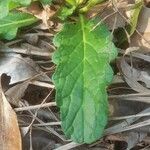
Ajuga australis
Australian bugle · Austral bugle
Description
Source: leafsnapAjuga australis, commonly known as Australian Bugleweed, is a low-growing perennial native to Australia. Belonging to the mint family, this plant features attractive foliage that forms dense mats of oval-shaped leaves with a glossy texture, appearing in shades of green, bronze, or purple. In the spring and summer, Ajuga australis produces spikes of small blue or purple flowers that attract bees and butterflies. It prefers moist soil conditions but is drought-tolerant once established. This plant is often used as ground cover in gardens due to its rapid spread via runners. Additionally, it possesses medicinal properties; traditionally, its leaves have been used to treat wounds, coughs, colds, and other respiratory ailments. Overall, Ajuga australis is an attractive, low-maintenance plant that can add color and texture to any garden while also offering medicinal benefits.
Care Guide
💧 Water Every 7 days
The Austral bugle thrives in dry conditions. Allow the top 5 cm (2 inches) of soil to dry out before watering. When you do water, make sure the soil is saturated to a depth of 12.7 cm (5 inches). If your garden gets between 2.5 and 5 cm (1 to 2 inches) of rainfall each week, you don't need to provide additional watering.
☀️ Light Partial sun
Austral bugle is native to habitats like forest understories or rocky sites where it grows in natural shade. It prefers partial sun but can adjust to full sun or full shade, demonstrating its versatile and hardy nature.
What are the sunlight requirements for Austral bugle (Ajuga australis)?
Austral bugle (Ajuga australis) thrives in varying sunlight conditions. For full sun exposure, it requires above 6 hours of sunlight daily, making it ideal for bright and open areas of the garden. Alternatively, it can prosper in partial sun, which means about 3-6 hours of sunlight per day. This flexibility allows it to adapt to different sections of the garden. However, it's important to observe the movement of sunlight in your garden carefully. By doing so, you can identify locations that offer a harmonious balance of light and shade, ensuring the most suitable and nurturing environment for your Austral bugle plants.
🌡️ Temperature 5–35°C
Austral bugle shows strong adaptability to a range of climate conditions, from scorching summers to cold winters. It nevertheless has a preferred temperature range for healthy growth. If temperatures rise too high, the plant can suffer from heat and humidity stress, which may lead to its death. In areas where temperatures near the lower limit of its cold tolerance, taking insulating measures to protect the plant is important.
What is the botanical name of the Austral bugle?
The botanical name of the Austral bugle is Ajuga australis.
💨 Humidity
🪴 Soil 6-7
🌱 Fertilizer
Timing is important when fertilizing Austral bugle. Apply fertilizer in early spring and continue monthly through early summer. Fertilizer encourages attractive blooms and supplies energy during both dormant and active growth phases.
🪴 Pot & Repot
✂️ Pruning
The Austral bugle is a plant known for its low-spreading growth and vibrant purple-blue flowers. It requires minimal pruning. The best time to trim back spent flowers and remove dead foliage is early spring, as this will improve air circulation. Regular deadheading is advisable to prevent self-seeding, which keeps the plant tidy and encourages healthier growth.
🌿 Propagating
🐛 Diseases & pets
☠️ Toxicity
Characteristics
- Plant Type
- Shrub
- Life Cycle
- Perennial
- Genus
- Ajuga
- Family
- Lamiaceae
- Hardiness Zone
- 4-9
- Mature Height
- 30 cm
- Mature Spread
- 0.49 m to 3.05 m
- Leaf Color
- Dark Green, Purple
- Leaf Type
- Semi-evergreen
- Flower Color
- Blue, Purple
- Flower Size
- 1.02 cm to 1.52 cm
- Bloom Time
- Mid spring, Late spring, Early summer
- Planting Time
- Spring, Summer, Autumn
- Harvest Time
- Summer