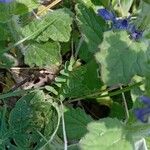
Ajuga genevensis
Blue bugleweed · Blue bugle · Geneva Bugle · Geneva bugleweed · Upright bugle
Description
Source: leafsnapAjuga genevensis, commonly known as Geneva bugleweed, is a perennial herbaceous plant in the mint family. Native to Europe and western Asia, it has also been introduced to North America as an ornamental plant. The plant typically grows up to 30 cm tall and has a spreading habit, characterized by creeping stems that root at the nodes. Its leaves are dark green, glossy, and oval-shaped with scalloped edges. The small, numerous flowers are arranged in dense spikes of blue-violet and bloom in late spring or early summer. Ajuga genevensis prefers moist soils but can tolerate dry conditions once established. It thrives in partial shade or full sun, although it prefers cooler temperatures compared to other Ajuga species. Due to its spreading habit and low maintenance needs, it is commonly used as ground cover. Historically, the plant has been used medicinally for centuries thanks to its anti-inflammatory properties. It has been utilized to treat wounds, bruises, and respiratory problems such as asthma or bronchitis, among other ailments. Overall, Ajuga genevensis is an attractive ornamental ground cover with medicinal properties, making it an excellent addition for any garden enthusiast seeking both beauty and functionality from their plants!
Care Guide
💧 Water Every 7 days
The blue bugle plant flourishes in consistently moist conditions. It prefers regular watering, although it can handle short periods of dryness. Watering it weekly is beneficial for promoting lush growth. It's important to keep the soil evenly moist, but avoid waterlogging. Using mulch can help retain moisture and regulate soil temperature, which is particularly helpful for growing this herbaceous perennial outdoors.
How should I water my Blue bugle plant?
To ensure the best care for your Blue bugle plant, follow these guidelines: 1. It is recommended to use filtered water at room temperature. This is because tap water may contain harmful particles that can negatively impact the plant's health. 2. Adjust the water temperature to be slightly warmer, as the Blue bugle is accustomed to a warm environment. Cold water can be a shock to its system and should be avoided. 3. When watering, avoid overhead watering, as it can cause issues with the plant's foliage. Instead, focus on applying filtered room temperature water directly to the soil until it is fully soaked. 4. Soaking the soil is beneficial for the Blue bugle plant as it helps to moisten the roots and support their growth. This allows the roots to spread throughout the soil and gather essential nutrients.
What do I need to do if I give too much or too little water to my Blue bugle?
Overwatering and underwatering can both harm your Blue bugle plant, but overwatering is more commonly seen. When the Blue bugle receives too much water, its stems and leaves may wilt and turn yellow. Overwatering for a long time can also lead to diseases like root rot, mold, and mildew, which can be fatal for the plant. While underwatering is less common for the Blue bugle due to its drought tolerance, it is still possible. In such cases, the leaves may become brittle and brown. It is essential to recognize signs of overwatering early when caring for your Blue bugle, as some diseases like root rot may become irreversible if not addressed promptly. If you notice early signs of overwatering, reduce the watering immediately and check the soil's drainage. If the soil has poor drainage, replace it with a loose, well-draining potting mix. However, if you observe signs of insufficient water for the Blue bugle, increase your watering frequency until the signs disappear.
How much should I water my Blue bugle plant?
If your Blue bugle plant is in a pot, the best way to check if it needs watering is by sticking your finger into the soil. If you find that the top two to three inches of soil are dry, it's time to water it. Similarly, if you have your Blue bugle plant outdoors in the ground, you can use the same method to test the soil. Once the top few inches of soil have dried out, it's time to add water. Typically, during spring and early fall, you'll need to water this plant around once a week using this method. However, when it gets extremely hot, you might have to water it twice or even more per week. Keep in mind that although mature Blue bugle plants are well-equipped to withstand drought, they still benefit from occasional watering.
How much water does my plant need?
To water your Blue bugle effectively, don't hold back on the amount of water you provide. Wait until the top few inches of soil are dry, and then give the plant a deep watering. Make sure to thoroughly wet the soil. It's important to add enough water so that it drains out of the bottom of the pot. If you don't see any excess water draining, you probably didn't give enough water. However, be careful not to let water accumulate inside the soil, as that can harm the plant. On the other hand, if water doesn't drain properly from the pot, it might indicate that the soil doesn't drain well, which is not good for the plant's health. If the plant is outside, one inch of rain per week should be enough to water it.
What's the best way to water my Blue bugle as it grows?
The water needs of the Blue bugle can vary depending on its growth stages. For instance, when the plant is young or has just been recently transplanted, it requires more water than usual. During these stages, the Blue bugle focuses on developing new roots that will support its future growth. To ensure optimal root performance, a slightly higher moisture level is necessary. As the plant matures, its water requirements decrease. Another growth phase that may demand more water is the bloom period when the development of flowers requires a significant amount of moisture. Therefore, during this time, you may need to provide your Blue bugle with additional watering.
☀️ Light Partial sun
Blue bugle grows best with moderate sunlight but can adjust to intense sun or complete shade. Fast, healthy growth depends on a balance of sun and shade, since it originates from habitats with similar conditions. Too little or too much sun can harm growth, causing wilting or leaf burn respectively.
What are the sunlight requirements for Blue Bugle plants?
Blue Bugle plants require partial sun, about 3-6 hours of sunlight daily, but they can thrive in full sun or full shade conditions which mean they can handle above 6 hours of sunlight. It's important to watch how sunlight moves through your garden to choose spots that provide a balance of light and shade, ensuring the plants' happiness. Blue Bugle thrives in areas with moderate sun exposure but can adapt to both intense rays and fully shaded spots. However, both insufficient and excessive sun exposure can negatively impact the plant's growth, leading to symptoms like wilting or leaf burn.
How do I use artificial lighting for indoor Blue Bugle plants?
When natural sunlight is insufficient for indoor Blue Bugle plants, especially in winter or less sunny spaces, artificial lighting is essential for optimal growth. LED lights are recommended because they can be customized to provide specific wavelengths needed by your plants. Full sun plants require 30-50W/sq ft of artificial light, partial sun plants need 20-30W/sq ft, and full shade plants need 10-20W/sq ft. The light source should be placed 12-36 inches above the plant to mimic natural sunlight. Most plants need 8-12 hours of light per day to mimic the duration of natural daylight hours.
What are common symptoms of inadequate light in Blue Bugle plants?
Common symptoms of inadequate light in Blue Bugle plants include smaller new leaves compared to mature ones, leggy or sparse growth, accelerated leaf drop, slower or halted growth, lighter-colored new leaves, chlorosis (yellowing of leaves), sunscald (damage from intense sunlight), leaf curling, wilting, and leaf scorching. These symptoms indicate that the plant is not receiving the proper amount of light, which can affect its health and growth.
How can I address light-related issues for indoor and outdoor Blue Bugle plants?
To optimize plant growth indoors, gradually shift Blue Bugle plants to sunnier spots each week until they receive 3-6 hours of direct sunlight daily. If the plant is large or not easily movable, consider using artificial light, keeping a desk or ceiling lamp on for at least 8 hours daily, or invest in professional grow lights. Outdoors, gradually move plants to sunnier locations each week to avoid sudden changes in light intensity, which can cause sunburn. If parts of the plant have been affected by insufficient sunlight, note that they may not recover, but new growth will be healthy after increasing light exposure. To reduce obstructions to sunlight, observe the environment and consider pruning obstructions or transplanting smaller plants to areas with more sunlight and good drainage during their dormant period.
🌡️ Temperature 20–37.8°C
Blue bugle is adapted to native temperate climates with temperatures ranging from 68 to 100.4 °F (20 to 38 ℃). These plants prefer warmer conditions and may require adjustment to indoor temperatures or shade during colder seasons.
What is the ideal temperature range for growing Blue bugle plants?
Blue bugle plants thrive in native temperate climates, with an ideal temperature range of 68 to 100.4 °F (20 to 38 °C). They are heat-loving plants that require warmer conditions to grow well. During colder seasons, it's recommended to adjust indoor temperatures or provide shade to protect the plants. In autumn, if grown outdoors, Blue bugle should be brought indoors and placed near a bright window, away from heaters, to maintain temperatures above 20°C, ensuring the plant's growth isn't hindered by cold.
How can I protect my Blue bugle plant from low temperatures?
To protect your Blue bugle plant from low temperatures, which it is not tolerant of, ensure it's kept in an environment above 20°C, especially during winter. The plant should never be exposed to temperatures approaching 0°C to avoid harm. When temperatures fall below -5°C, the leaves may lighten in color, and following frost damage, they may turn brown or black with symptoms such as wilting and drooping. To mitigate frost damage, trim off the frost-damaged parts and move the plant to a warm indoor spot, preferably near a south-facing window to ensure it gets ample sunlight while avoiding placement near heaters or air conditioning vents to prevent air dryness.
What should I do if my Blue bugle plant is exposed to high temperatures?
When exposed to temperatures above the plant's comfort range, specifically above 38°C during summer, the leaves of the Blue bugle plant may lighten, making it more susceptible to sunburn. If the temperature exceeds 43°C and the plant gets sunburned, trim away the sunburned and dried parts to help it recover. Move the plant to a shadier spot, especially during midday and afternoon sun exposure, and ensure the soil remains moist by watering it in the morning and evening. This will help protect the plant from the adverse effects of high temperatures.
💨 Humidity
🪴 Soil 6-7
🌱 Fertilizer
Correct fertilization is essential for Blue bugle's health and appearance. Fertilize Blue bugle during summer, repeating the application monthly throughout the season. The nutrients support growth and help maintain the plant's parts. Fertilization improves Blue bugle's flower display, ensuring the best blooms.
Why should I put plant food on my Blue bugle?
All plants, including the Blue bugle, need soil nutrients for their growth. However, there is no guarantee that the soil in your garden will have all the necessary nutrients. Therefore, fertilization and soil amendments are important to ensure that your plants have both the basic nutrients they require and the specific nutrients they need. In the case of the Blue bugle, fertilization is essential to promote healthy root and stem development throughout the growing season. Additionally, fertilization helps the Blue bugle have a visually appealing set of leaves, which is especially important as its foliage is its main ornamental feature.
When should I fertilize my Blue bugle?
During the active growing seasons of spring, summer, and early fall, the Blue bugle requires the most fertilizer. It is recommended to feed it once every two to four weeks after winter until the arrival of fall. As fall approaches, gradually decrease the amount of fertilizer until you completely stop feeding the Blue bugle in preparation for the inactive growth during winter.
When is it not a good idea to add fertilizer to my Blue bugle?
During most of the year, such as spring, summer, and most of fall, it's important to consistently feed your Blue bugle. The exception to this is if you accidentally over-fertilize or incorrectly fertilize the plant, causing fertilizer burn or other issues that must be fixed before resuming a regular feeding schedule. During winter, the only time you should refrain from fertilizing a Blue bugle is if you are growing it indoors in a cold region, as it will enter a dormant phase. Feeding the plant during this dormant phase is not only unnecessary and unhelpful, but it may also lead to fertilizer burn.
What kind of fertilizer does my Blue bugle plant need?
The fertilizer for a Blue bugle has a specific blend of nutrients, with each nutrient present in relatively low amounts. An ideal fertilizer should have an N-P-K ratio of 3-1-2. However, a general-purpose fertilizer with an even nutrient blend can sometimes work well. When using a balanced fertilizer, the volume ratio for each nutrient should be 10 or lower. You can use either granular or liquid-based fertilizer. If you opt for liquid-based fertilizer, it's best to dilute it by half. Granular fertilizer doesn't have many downsides, but it's generally more sensible to use liquid fertilizer, especially when watering your Blue bugle.
How should I feed my Blue bugle?
When purchasing fertilizer for your Blue bugle, it's important to follow the provided application instructions. In general, it is best to fertilize just before or during watering to avoid damaging the plant's roots. If using a slow-release granular fertilizer, sprinkle it on the soil and then water immediately. For liquid-based fertilizers, dilute them with water, apply to the soil, and then provide additional water. In spring and fall, when the plant's growth is increasing or slowing down, it is especially important to dilute the fertilizer by at least half.
🪴 Pot & Repot
✂️ Pruning
To keep blue bugle looking vibrant and healthy, it's important to prune it from early to late spring. This helps remove dead leaves, encourage bushiness, and enhance blooming. Light pinching of the plant can maintain a compact shape, but be sure to avoid heavy pruning to respect its natural spread. Regular pruning not only supports healthy growth but also reduces the risk of disease, ensuring the plant remains attractive.
🌿 Propagating
🐛 Diseases & pets
☠️ Toxicity
Characteristics
- Plant Type
- Herb
- Life Cycle
- Perennial
- Genus
- Ajuga
- Family
- Lamiaceae
- Hardiness Zone
- 9-11
- Mature Height
- 10 cm to 34 cm
- Mature Spread
- 46 cm
- Leaf Color
- Green
- Leaf Type
- Evergreen
- Flower Color
- Blue, Pink
- Flower Size
- 2.54 cm
- Bloom Time
- Spring
- Planting Time
- Autumn, Winter, Spring
- Harvest Time
- Late spring, Early summer, Mid summer
- Native Area
- Turkey, Austria, Sweden, Slovakia, Montenegro, Croatia, Slovenia, Belarus, Uzbekistan, Russia, Germany, Romania, Latvia, Belgium, France, Netherlands, Czech Republic, Bulgaria, Armenia, Poland, Greece, Ukraine, Serbia, Lithuania, Italy, Switzerland, Albania, Hungary