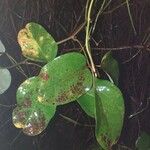
Akebia trifoliata
Chocolate-vine · Three-leaf akebia
Description
Source: wikipedia (CC BY-SA)Akebia trifoliata also known as chocolate vine, three leaf chocolate vine or three leaf akebia, is a species of flowering plant. It is a close relative of the more commonly known Akebia quinata.
Care Guide
💧 Water Every week
The three-leaf akebia flourishes in moderate moisture conditions, needing to be watered weekly to stay healthy. It can adapt well to both indoor and outdoor environments. When grown outdoors, mulching is beneficial as it helps retain soil moisture and mimics the plant's natural woodland habitat.
☀️ Light Full sun
Three-leaf akebia thrives with abundant sunlight but also tolerates moderately lit sites. Sunlight supports its healthy growth and is essential throughout every stage of development. Native to sunlit habitats, both insufficient and excessive sun can impede its growth or cause leaf burn.
What are the sunlight requirements for Three-leaf akebia?
Three-leaf akebia thrives under full sun, which means it requires above 6 hours of sunlight daily, but it can also tolerate partial sun, indicating it can handle about 3-6 hours of sunlight. Observing how sunlight moves through your garden to find the ideal balance of light and shade is crucial for the plants' well-being. For its healthy growth through all stages, akebia benefits from generous solar exposure, a key aspect since it originates from sun-drenched environments. Too little or too much sunlight can impede its development or cause leaf burn.
How can artificial lighting benefit Three-leaf akebia indoors?
Indoor plants, including Three-leaf akebia, demand adequate lighting for optimal growth, especially when natural sunlight is insufficient. During winter or in less sunny spaces, artificial lights become essential, promoting faster, healthier growth. Selecting the correct type of artificial light, such as LED lights tailored to provide specific wavelengths needed by the plant, is crucial. For indoor plants that typically enjoy full sun, between 30-50W/sq ft of artificial light is recommended, partial sun plants require 20-30W/sq ft, and full shade plants need 10-20W/sq ft. Proper placement (12-36 inches above the plant) and duration (mimicking natural daylight hours, usually 8-12 hours per day) of artificial lighting are also important considerations.
What are the symptoms of inadequate sunlight for Three-leaf akebia?
When Three-leaf akebia receives inadequate light, it may exhibit a range of symptoms indicating distress. New leaves may grow smaller, and the plant can become leggy or have sparse growth due to elongated spaces between leaves or stems. Additionally, it may experience faster leaf drop in a bid to conserve energy, which also leads to slower or no new growth. Leaves can show lighter colors or irregular patterns due to insufficient chlorophyll, leading to chlorosis where leaves turn yellow, or even sunscald, which damages plant tissues with intense light exposure. Other symptoms include leaf curling as a defense mechanism against too much light, wilting from excessive transpiration, and leaf scorching, characterized by brown, crispy leaf edges.
How can you address inadequate sunlight for Three-leaf akebia?
Addressing inadequate sunlight for Three-leaf akebia involves several strategies depending on the plant's location. Indoors, gradually increasing sunlight exposure to at least 6 hours daily or using artificial lighting for at least 8 hours daily can be effective. For outdoor plants, it's crucial to move them to sunnier spots gradually to prevent sunburn. Reducing obstructions, such as pruning branches that block sunlight, or transplanting smaller plants during their dormant period to a location with better sunlight and drainage, can significantly improve their light access. It's important to note that while affected parts may not recover, new growth should be healthy with increased light exposure.
🌡️ Temperature 5–32.2°C
Three-leaf akebia is native to areas with mild temperatures, doing well in the range of 41 to 90 °F (5 to 32 ℃). To keep it in top condition, make sure seasonal temperature changes match its preferences. When temperatures become very low or very high, it will require extra care.
What is the native climate for Three-leaf Akebia?
Three-leaf akebia, known scientifically as Akebia trifoliata, is native to environments that have moderate temperatures. It thrives in a temperature range of 41 to 90 °F (5 to 32 °C). To ensure the plant maintains optimal health, it's important to adjust its environment seasonally to align with these temperature preferences. During periods of extreme cold or heat, the plant may require extra care to remain in good condition.
How does Three-leaf Akebia handle cold weather?
Three-leaf akebia exhibits strong cold resistance, making special frost protection measures usually unnecessary during winter. However, if winter temperatures are expected to fall below -25°C, cold protection becomes important. Protection can be provided by wrapping the trunk and branches with insulating materials such as non-woven fabric or cloth. Additionally, watering the plant abundantly before the first autumn freeze to ensure the soil remains moist can help prevent drought and water scarcity for the plant during winter and early spring.
What should be done if the temperature falls below -25°C?
If the temperature falls below -25°C, although three-leaf akebia may not show immediate signs of distress during winter, the branches could become brittle, and dry come spring, with no new shoots emerging. In such cases, it is advisable to prune away any dead branches that have failed to produce new leaves in the spring to promote healthier growth.
How does Three-leaf Akebia react to high temperatures?
During the summer, keeping the three-leaf akebia below 32°C is essential. If temperatures rise above 35°C, the plant may exhibit signs of stress, such as leaves becoming lighter in color, the tips becoming dry and withered, and an increased susceptibility to sunburn. To mitigate these issues, trim away the sunburned and dried-up parts of the plant. It's also beneficial to move the plant to a location with shade from the midday and afternoon sun or use a shade cloth. Ensuring the soil remains moist by watering in the morning and evening is also crucial during high temperatures.
💨 Humidity
🪴 Soil 6-7
🌱 Fertilizer
The three-leaf akebia plant needs adequate nutrients to achieve optimal fruit production. Fertilize in early spring to encourage new growth and bloom development. Regular fertilization helps the plant stay healthy, produce more delicious fruit, and prevents nutrient deficiency problems like yellow leaves and poor fruit production.
🪴 Pot & Repot
✂️ Pruning
🌿 Propagating
🐛 Diseases & pets
☠️ Toxicity
Characteristics
- Plant Type
- Vine
- Life Cycle
- Perennial
- Genus
- Akebia
- Family
- Lardizabalaceae
- Hardiness Zone
- 5-8
- Mature Height
- 9.14 m
- Mature Spread
- 7.92 m
- Leaf Color
- Green, Bronze
- Leaf Type
- Deciduous
- Flower Color
- Purple
- Flower Size
- 1.02 cm to 2.03 cm
- Bloom Time
- Early spring, Mid spring
- Planting Time
- Autumn, Winter
- Harvest Time
- Late summer, Early fall, Mid fall