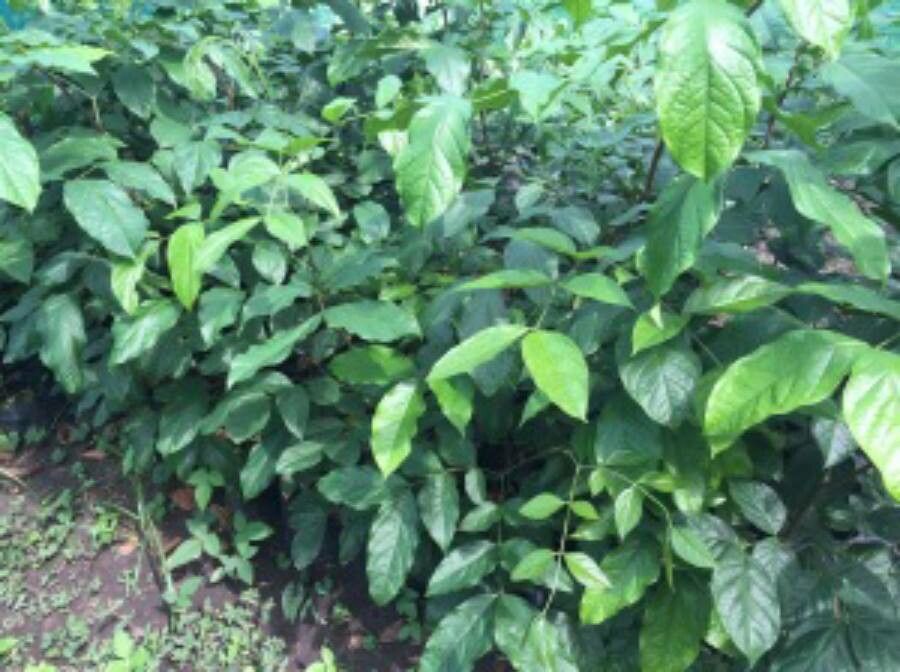
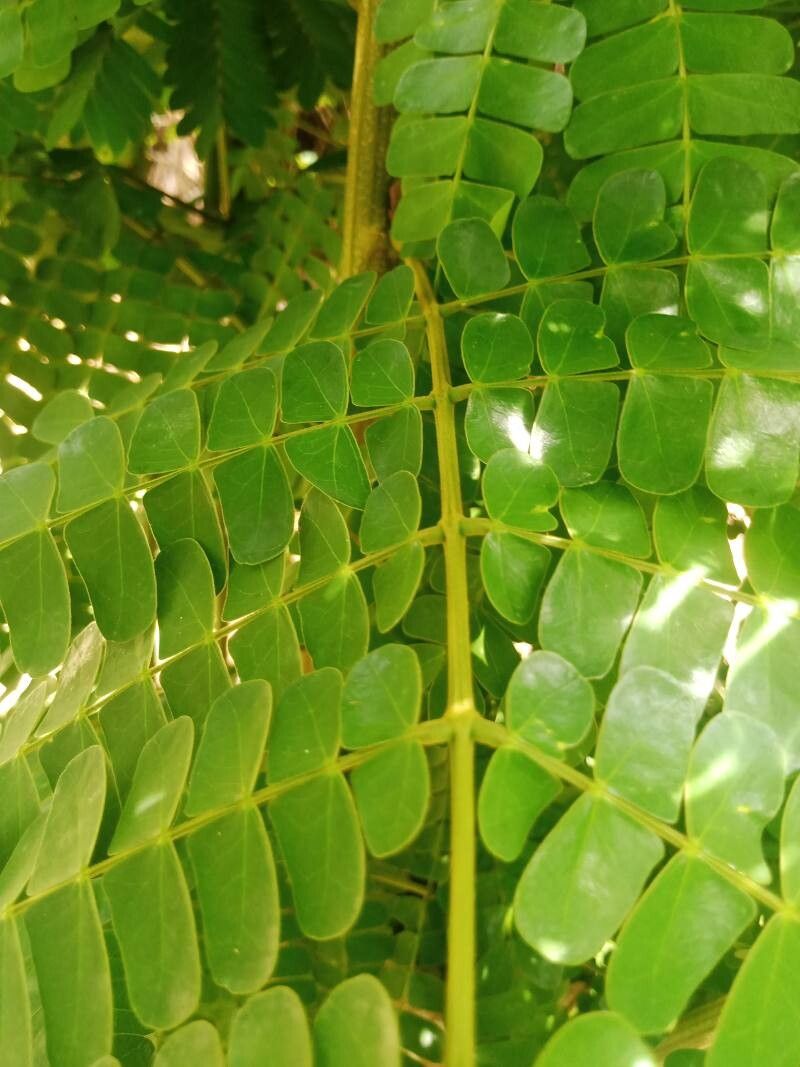
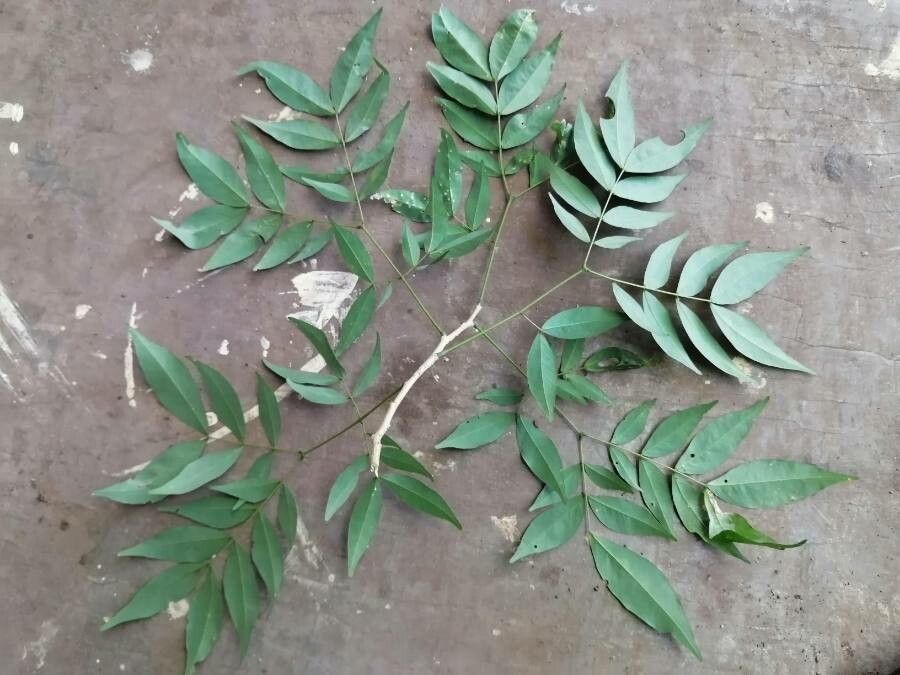
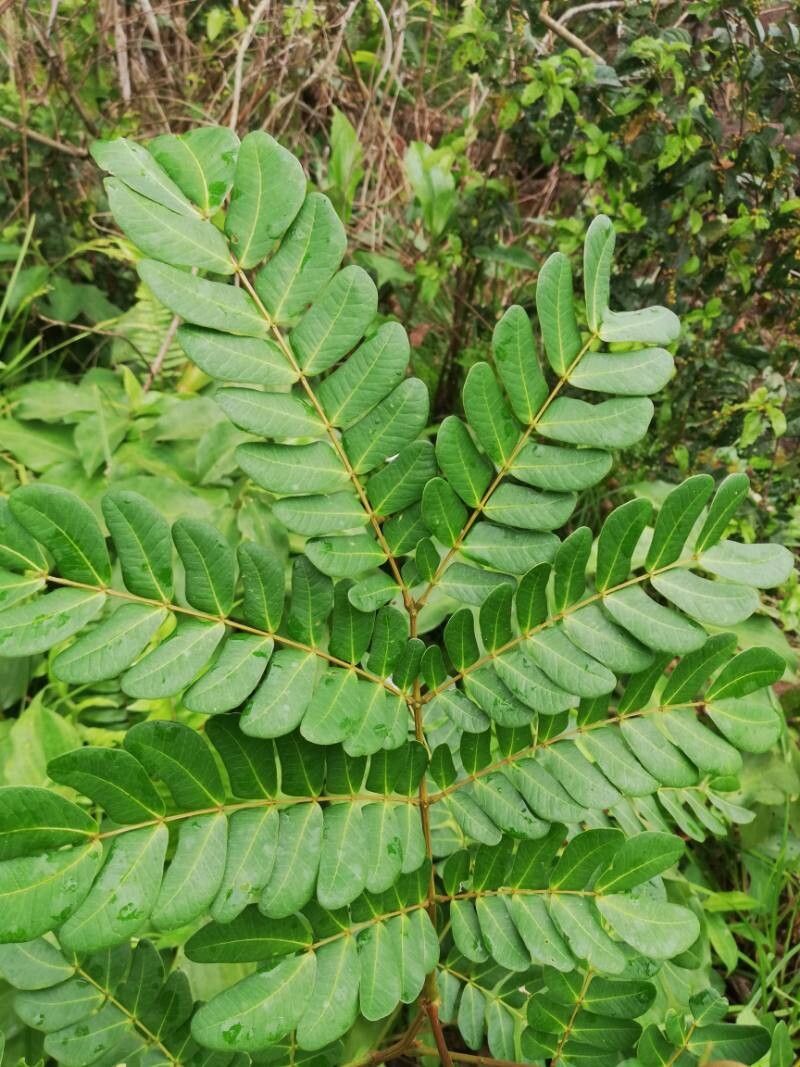
Albizia chinensis is a species of legume in the genus Albizia, native to south and Southeast asia, from India to China and Indonesia.The genus is named after the Italian nobleman Filippo degli Albizzi, belonging to the famous Florentine family Albizzi, who introduced it to Europe in the mid-18th century, and it is sometimes incorrectly spelled Albizzia.
Chinese albizia is resistant to disease and generally not susceptible to illnesses. In terms of upkeep, this plant is fairly low-maintenance. When grown outdoors it needs little water, and larger plants typically do not require pruning. Smaller plants, however, should be pruned after they finish blooming. Chinese albizia is well suited for anyone with outdoor space, such as a garden or deck, and does not need extensive care experience.
How to keep Albizia Chinensis.
Light
Chinese albizia does best in places with abundant sunlight but can tolerate partial shade. Excessive shade, however, can lead to stunted growth and sparse foliage. It originates from areas where sunlight is nearly constant. Too much sun can scorch its leaves, while too little light prevents it from thriving.
Water
Chinese albizia thrives in humid tropical environments and needs consistent moisture, ideally watering twice a week. Although it is moderately drought-tolerant, it grows best outdoors where it can benefit from natural rainfall. This plant also adapts well to different humidity levels across various climate zones.
Temperature
Chinese albizia comes from tropical areas, where the climate is generally warm and humid. Consequently, it is adapted to high temperatures and moisture. It is sensitive to sudden temperature shifts and prefers a steady thermal environment, so indoor temperature fluctuations should be avoided. It generally does not tolerate cold and requires relatively high temperatures to grow. If the ambient temperature drops too low, the plant may stop growing or even die.
Fertilizer
The best time to fertilize a Chinese albizia is in early spring, when it comes out of dormancy. This supports overall growth and the development of flowers. Fertilization improves the foliage, stems, and branches and encourages flowers that are larger, more vibrant, and longer-lasting. It also helps transfer nutrients from the roots to the flowers and enhances the plant’s health and resistance to disease.
Pruning
Chinese albizia benefits greatly from pruning in early spring, which encourages healthy growth and helps prevent disease. To care for the tree, remove any dead branches, shape it as desired, and thin out some areas to improve air circulation. Pruning not only enhances flowering but also reduces pest problems. Be sure to use clean, sharp tools to promote optimal healing of the tree.
Botanical profile.
- Plant Type
- Tree
- Life Cycle
- Perennial
- Genus
- Albizia
- Family
- Fabaceae
- Hardiness Zone
- 9-11
- Mature Height
- 29.87 m to 42.98 m
- Mature Spread
- 10.06 m to 20.12 m
- Leaf Color
- Green
- Leaf Type
- Deciduous
- Flower Color
- White, Red
- Flower Size
- 0.76 cm to 1.27 cm
- Bloom Time
- Summer
- Planting Time
- Spring, Summer, Autumn
- Harvest Time
- Late summer, Fall
- Native Area
- Nepal, Sri Lanka, India, Malaysia, Philippines, Timor-Leste, Pakistan, Laos, Bangladesh, Brunei, China, Indonesia, Cambodia, Vietnam, Myanmar, Bhutan, Thailand