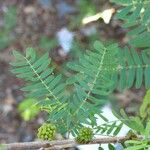
Albizia saman
Raintree · Saman tree · Saman · Monkey pod · Cow tamarind
Description
Source: leafsnapSamanea saman, also sometimes known as the rain tree, is a species of flowering tree in the pea family, Fabaceae, now in the Mimosoid clade and is native to Central and South America. Its range extends from Mexico south to Peru and Brazil, but it has been widely introduced to South and Southeast Asia, as well as the Pacific Islands, including Hawaii. Common names include saman, rain tree and monkeypod (see also § Names below). It is often placed in the genus Samanea, which by yet other authors is subsumed in Albizia entirely.
🌳 Aside from its more familiar uses, rain tree’s bark has been used to obtain natural gum, which serves as an environmentally friendly substitute for synthetic gums. Additionally, tannins from its bark and leaves can be used to produce dyes. The tree also acts as a reliable bioindicator of soil manganese levels, making it useful for biogeochemical prospecting.
Care Guide
💧 Water
The rain tree, which originates from tropical regions, thrives in consistently moist soil and needs watering every 2-3 weeks. Although it has moderate drought tolerance, the tree will shed its leaves during dry spells to conserve water. This behavior is an adaptation typical of deciduous species, which are generally grown outdoors.
What is the most effective way to water my Rain tree?
To promote excellent root development, place a garden hose at the base of your plants. Avoid spraying the leaves directly, as this may require more watering if the plants are outdoors in direct sunlight. Consider using bubblers to moisten the roots, and soaker hoses to cover the entire garden or bed when adding or removing plants for deeper root penetration. Make sure to drain any excess water and allow the soil to dry before watering again. Water at ground level to prevent diseases. On sunny days, it's beneficial to spray the entire bush with water. Whether in pots or in the ground, remember that Rain trees prefer deep watering rather than light sprinkling.
What do I need to do if I give Rain tree too much or too little water?
An overwatered Rain tree can have yellow leaves that drop off and wilt. The plant may also appear unhealthy, with mushy stems. When these signs appear, it's best to adjust your watering schedule. Wilting can also indicate under watering, with leaves turning crispy and dry. Overwatered leaves will be soft and wilted. If the soil is dry and watering alone is not enough, give the plant a thorough watering. However, the Rain tree may still have dry and yellow leaves for a few days due to root damage. Once it returns to normal, the yellowing will stop. When keeping the Rain tree indoors, regularly check the moisture levels and avoid overwatering. Look for black spots, and if present, let the soil dry out for a few days. Overwatering can lead to root rot, so transfer the plant into a different pot if discolored and slimy roots are observed. Prevent root rot by avoiding excessively soggy soil. When planting the Rain tree outdoors, ensure the soil is adequately watered if it feels too dry.
How often do I need to water my Rain tree?
The Rain tree prefers deep and infrequent watering. In pots, it's important to soak them with a gallon of water each time, as the soil in pots dries out faster. If you live in a cold region, water every 3 to 5 days, preferably in the morning when the soil is dry. Check the soil inside to determine if watering is needed - if the top 2-3 inches are dry, it's time to water. On hot days, check the moisture daily as the heat can quickly dry out the soil. If you have a garden, irrigation is necessary as well. In a hot climate, water once a week when the soil is too dry. Take into account the natural rainfall and avoid overwatering to prevent root rot. Rain trees typically grow in spring and fall; when outdoors, use mulch to retain water. Different soil types require different watering frequencies - sandy soil needs watering more often, while clay soil can go 2-3 days without water to avoid root rot. Keep track of watering dates and pay attention to drooping leaves as a sign of needing water.
How much water should I give my Rain tree?
The Rain tree has different watering needs depending on its location. If you have potted plants, you should water them deeply until the water drips from the bottom of the pot. Then, wait for the soil to dry before watering again. To determine how much water your plant has received in a week, you can use a water calculator or a moisture meter. During the flowering period, it is important to provide plenty of water, but allow the moisture to evaporate after. If the Rain tree is planted outdoors and there is sufficient rainfall, additional watering may not be necessary. However, when the Rain tree is young or newly planted, it should receive 1-2 inches of rain per week. As the Rain tree grows, it can rely solely on rainfall for its water needs. Only in extremely hot weather or during prolonged periods without rainfall should the Rain tree be given a full watering, preferably during cooler times of the day, to prevent damage from the heat. Additional watering may be required during extended dry spells.
Do I need to change how often I water my Rain tree based on the time of year or the weather?
The Rain tree needs to be outdoors and relies on rainfall, but only needs watering during persistent dry weather. Throughout the spring and fall, the soil should be kept moist but not soggy. Alternating dry and moist soil conditions are beneficial for the Rain tree's growth. During the hot summer, water can evaporate quickly, so extra watering may be required if there is a lack of rainfall. Generally, the Rain tree needs less water in the winter when it goes dormant. Using a well-draining yet moisture-retentive soil mixture, like terracotta, can help water evaporate quickly during this period. Once the Rain tree begins to leaf out in the spring, watering can be skipped as it can rely on fall and winter rains to survive. When cultivating the Rain tree, good drainage is crucial, especially in winter. If the plant is in a pot, it has limited root growth, so it should be well-watered, particularly in summer. Deep soaking the roots once or twice a week is recommended, avoiding shallow sprinkles that reach the leaves. It's important not to let the Rain tree dry out completely in the fall or winter, even during dormancy. Avoid overwatering to prevent waterlogging, which can be harmful during winter. Adding mulch can help reduce stress, conserve water, and promote healthy blooms.
☀️ Light Full sun
Rain tree thrives in a setting that receives a substantial amount of light during the day. The conditions of its native habitat support this level of sunlight, encouraging healthy growth. Conversely, insufficient light can cause less-than-ideal growth. Likewise, an excessive amount of sunlight may damage the plant.
What are the sunlight requirements for a Rain Tree?
The Rain Tree requires a considerable amount of sunlight throughout the day for healthy growth, originating from an environment that supports this. It thrives in full sun, which means it needs more than 6 hours of sunlight daily, but can also adapt to partial sun conditions, receiving about 3-6 hours of sunlight. Inadequate sunlight can lead to suboptimal growth, while too much sun exposure can harm the plant. It's essential to watch how sunlight moves through your garden to choose the best spots providing a balance of light and shade.
How can I use artificial lighting for Rain Tree indoor plants?
For Rain Tree plants indoors, when natural sunlight is insufficient, particularly in winter or less sunny spaces, artificial lighting is a crucial solution for promoting healthy growth. LED lights are recommended due to their capability to provide specific wavelengths needed by plants. Full sun plants require 30-50W/sq ft, partial sun plants 20-30W/sq ft, and full shade plants 10-20W/sq ft of artificial light. The light source should be placed 12-36 inches above the plant, mimicking natural sunlight distance, and for a duration that mimics the natural daylight hours for your plant species, typically 8-12 hours per day.
What symptoms indicate insufficient sunlight for a Rain Tree?
Symptoms of insufficient sunlight in a Rain Tree include new leaves growing smaller in size, leggy or sparse growth, faster leaf drop, slower or no new growth, lighter-colored new leaves, chlorosis (leaves turning yellow), sunscald (damage from intense sunlight exposure), leaf curling (as a defense mechanism against overexposure), wilting (due to increased water loss), and leaf scorching (brown, dry, and crispy edges on leaves). These symptoms highlight the plant's stress under suboptimal lighting conditions.
How can I address the sunlight needs of my Rain Tree, both indoors and outdoors?
To ensure optimal growth for your Rain Tree, gradually increase its sunlight exposure. Indoors, move the plant to a sunnier location each week, aiming for at least 6 hours of direct sunlight daily, utilizing a south-facing window and keeping curtains open during the day. Consider using artificial light if the plant is large. Outdoors, move your plants gradually to prevent sunburn. Reducing obstructions such as pruning trees can help increase sunlight exposure. For smaller plants that are blocked from the sun, consider transplanting them during their dormant period to a location with ample sunlight and good drainage. Note that parts of the plant suffering from insufficient sunlight may not recover, but new growth after increasing light exposure will be healthy.
🌡️ Temperature 0–37.8°C
Rain tree is native to climates where temperatures range from 32 to 100.4°F (0 to 38℃). It flourishes under these conditions and can make seasonal adjustments when necessary. Care should be taken to manage extreme temperatures.
What climate conditions are ideal for a Rain tree?
The Rain tree, also known by its botanical name Albizia saman, is indigenous to climates where temperatures vary between 32 to 100.4°F (0 to 38°C). These conditions are optimal for its growth, as it can make the necessary seasonal adjustments. The Rain tree has a strong resistance to cold, which means special frost protection measures are typically not required during winter. However, in extremely cold conditions, such as temperatures dropping below -40°C, it is important to provide cold protection by wrapping the trunk and branches with insulating materials and ensuring the soil remains moist before the first freeze in autumn to prevent drought and water scarcity during winter and early spring.
How does a Rain tree react to low temperatures and how can you protect it?
The Rain tree is cold-tolerant and thrives best when the temperature is above 0°C, maintaining health above -35°C. When the temperature falls below -40°C, though there may not be any noticeable changes during the winter, the branches may turn brittle and dry by spring, and no new shoots will emerge. To protect your Rain tree, in the spring, prune away any dead branches that have failed to produce new leaves. This is a critical step to ensure the health and recovery of the plant after a harsh winter.
What should you do if your Rain tree is exposed to high temperatures?
During the summer, it is crucial to ensure that the Rain tree's environment does not exceed 38°C. Exposure to temperatures above 43°C can cause the leaves to lighten in color, the tips to become dry and withered, and increases the susceptibility to sunburn. To mitigate damage from high temperatures, trim away sunburned and dried parts of the plant. Relocate the plant to a shaded area or use a shade cloth to protect it from the midday and afternoon sun. Additionally, water the plant in the morning and evening to maintain soil moisture and help the plant stay hydrated.
💨 Humidity
🪴 Soil 6-7
🌱 Fertilizer
Timing is important when fertilizing Rain tree. Apply fertilizer in early spring and continue monthly until early summer. Fertilizer encourages attractive blooms and supplies energy during both dormant and active growth stages.
🪴 Pot & Repot
✂️ Pruning
The rain tree benefits greatly from strategic pruning, ideally conducted in early spring. Begin by removing any dead or diseased branches. Next, eliminate branches that cross each other to improve air circulation. Thinning the interior branches is important to prevent overcrowding, enhance the tree's vigor and shape, and effectively manage its rapid growth and structural integrity.
🌿 Propagating
🐛 Diseases & pets
☠️ Toxicity
Characteristics
- Plant Type
- Tree
- Life Cycle
- Perennial
- Genus
- Albizia
- Family
- Fabaceae
- Hardiness Zone
- 2-11
- Mature Height
- 18.9 m to 24.99 m
- Mature Spread
- 29.87 m
- Leaf Color
- Dark Green
- Leaf Type
- Deciduous
- Flower Color
- Pink, White
- Flower Size
- 2.54 cm to 5.08 cm
- Bloom Time
- Early summer, Mid summer
- Planting Time
- Spring, Summer
- Harvest Time
- Early spring, Mid spring, Late summer, Fall, Winter