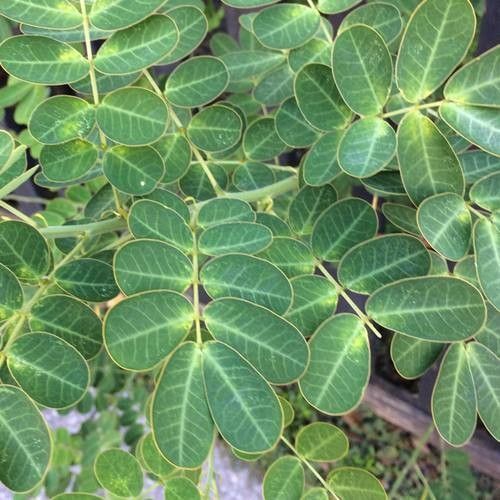
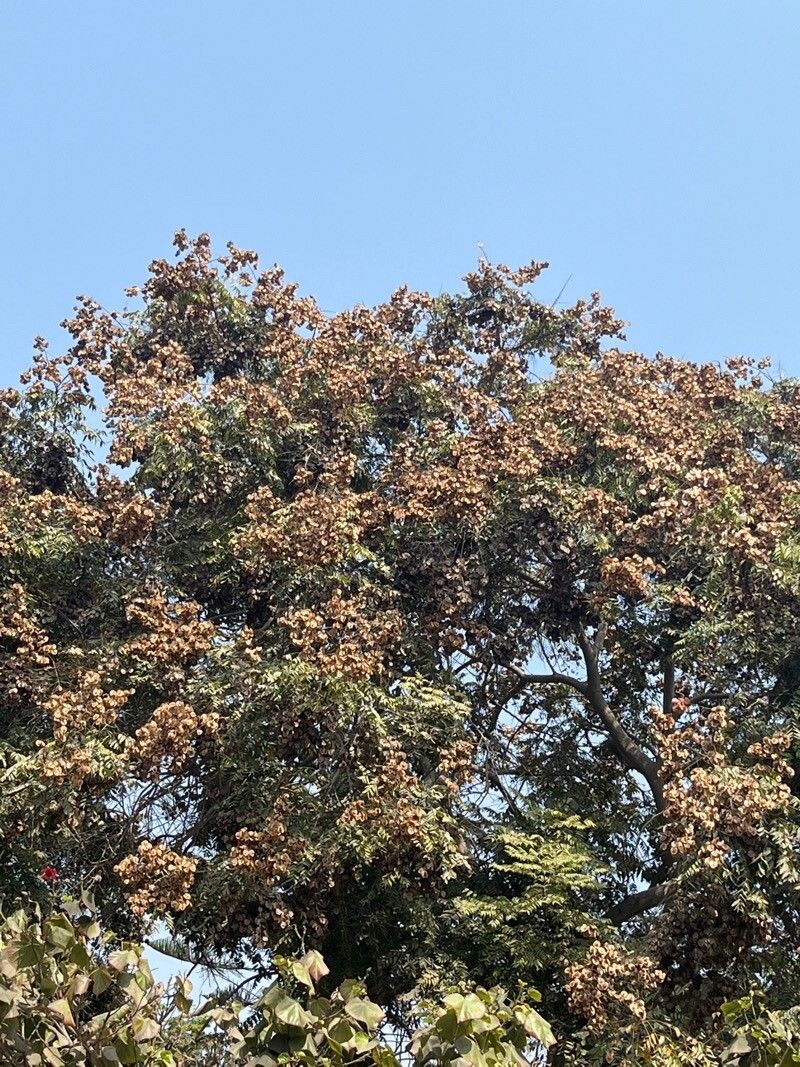
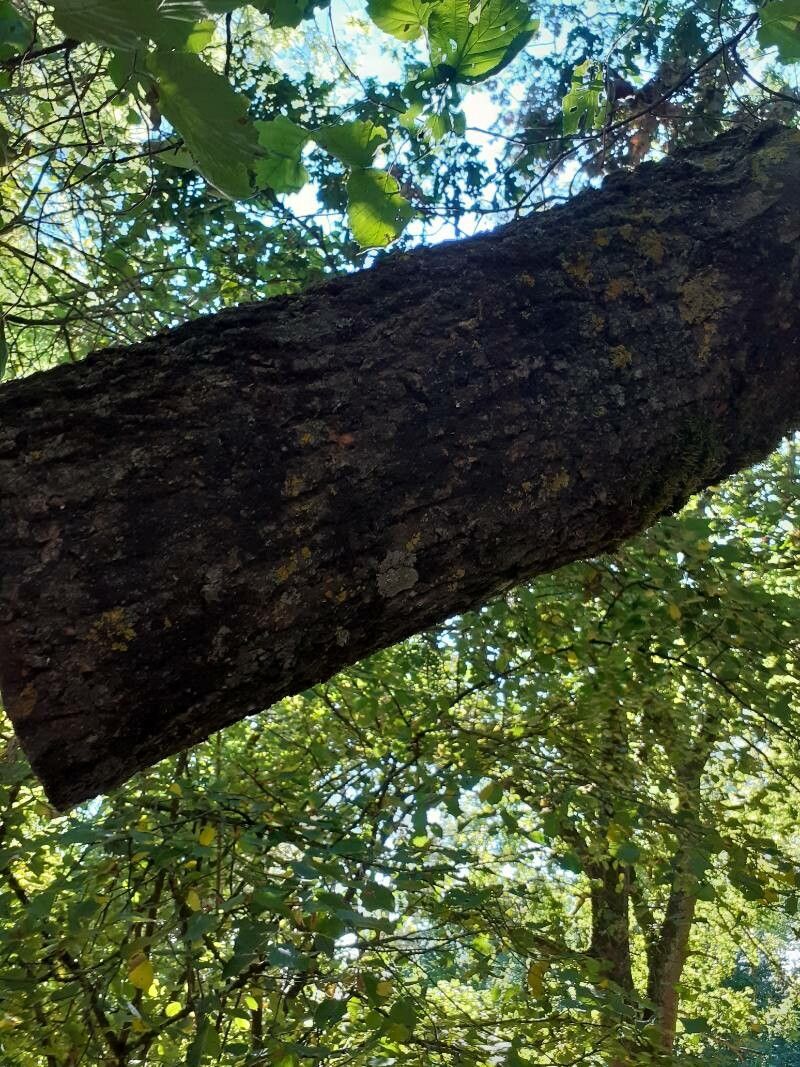
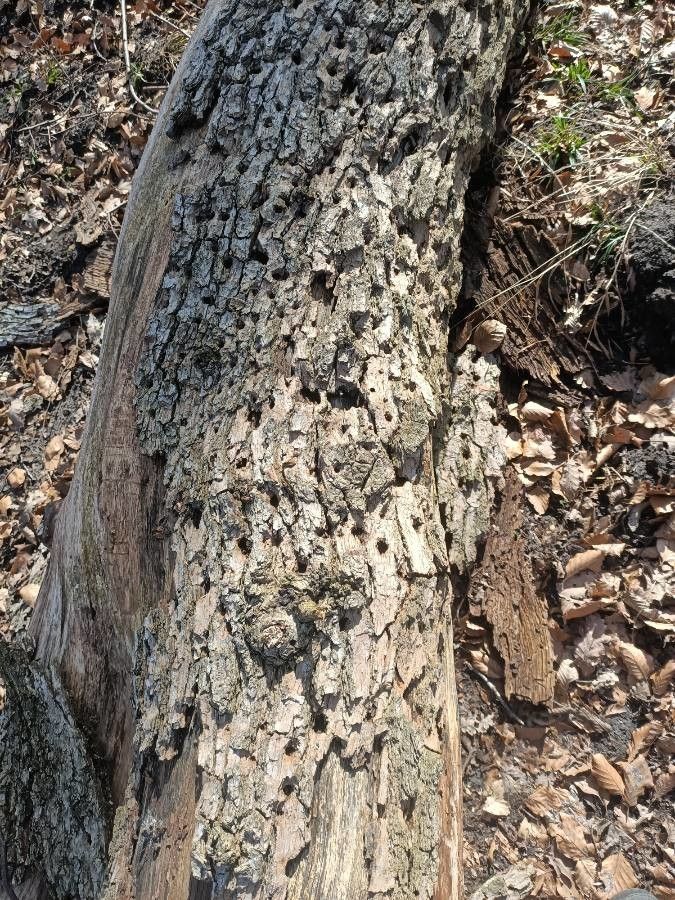
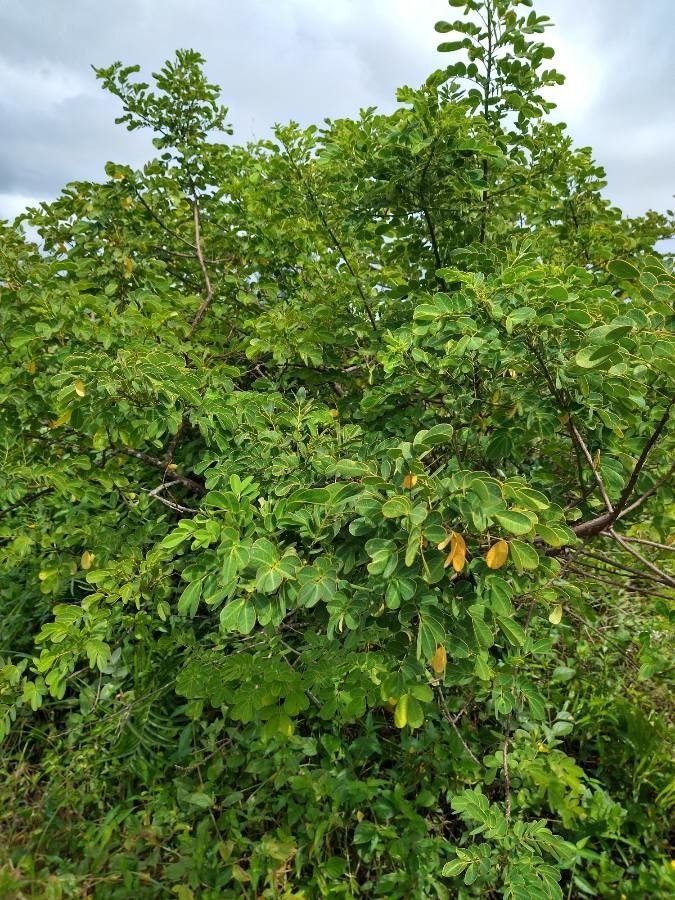
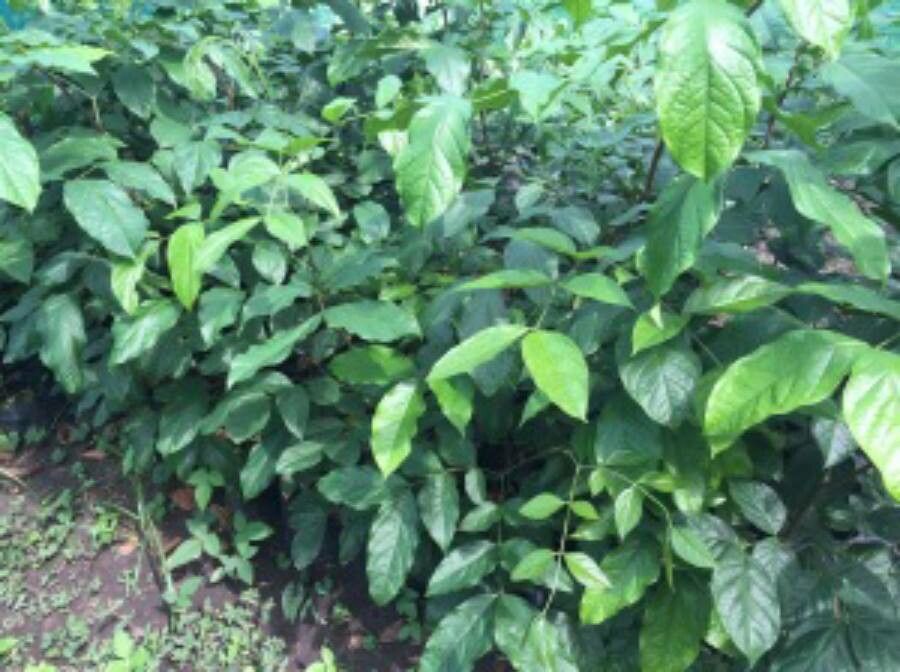
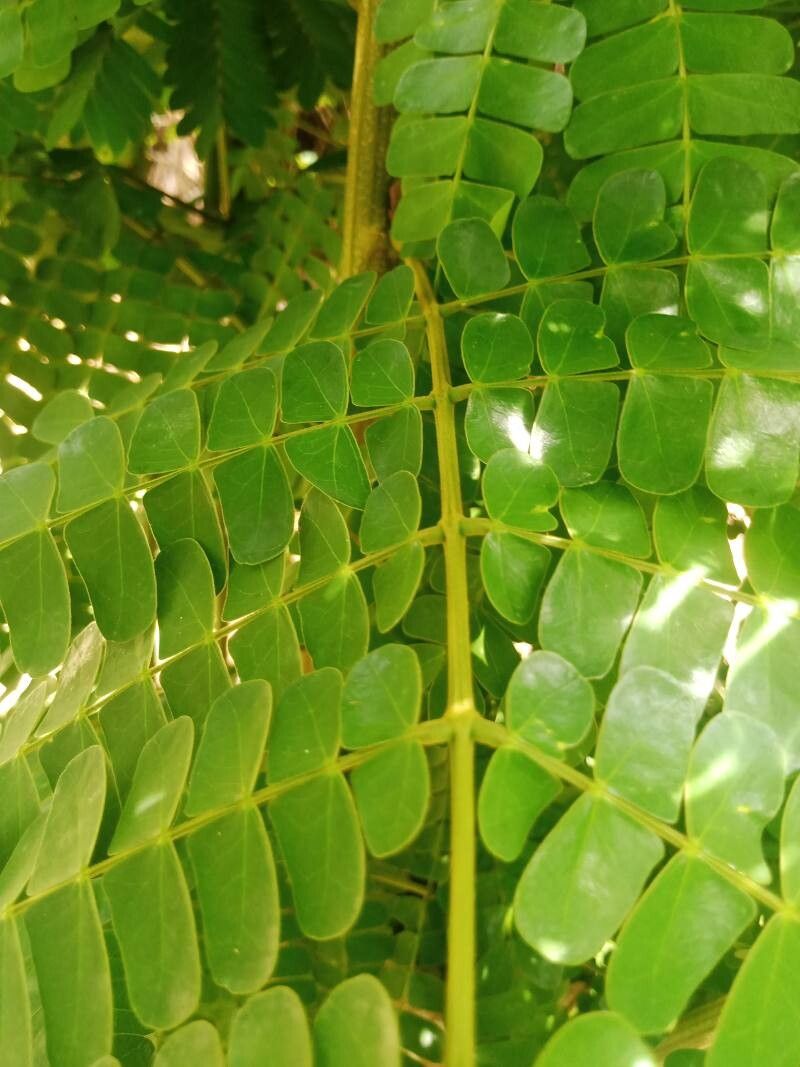
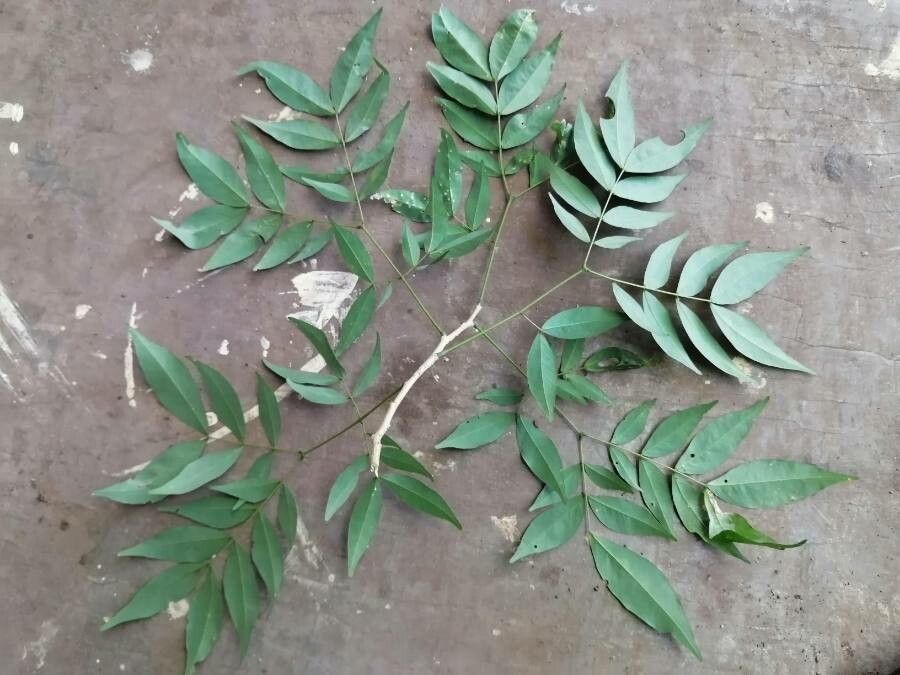
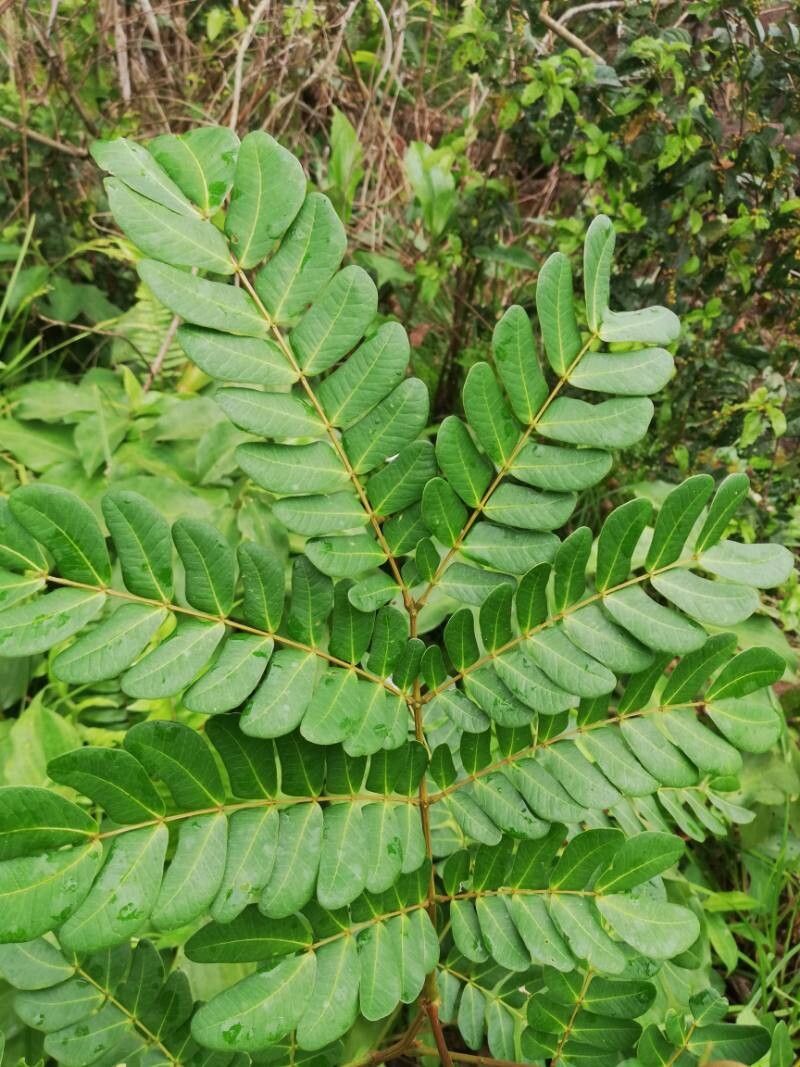
Albizia versicolor, commonly known as the White Siris or Peacock Flower, is a deciduous tree in the Fabaceae family. Native to Africa, it can be found in countries such as Kenya, Tanzania, and Uganda. This tree can grow up to 20 meters tall and features a spreading crown that provides ample shade.
The White Siris is notable for its distinctive white or cream-colored flowers, which bloom in clusters during the summer months. These fragrant flowers attract bees and butterflies, aiding in pollination. The tree's leaves are pinnate, with numerous small leaflets arranged along a central axis.
Indigenous communities in Africa use the bark of Albizia versicolor for medicinal purposes, treating various ailments such as fever, diarrhea, and stomach problems. Additionally, the wood is valued for its durability and is used in making furniture.
Albizia versicolor prefers well-drained soils but can tolerate some waterlogging during rainy seasons. It thrives in full sun but also grows well in partial shade.
Overall, Albizia versicolor is an attractive ornamental plant with numerous benefits, including medicinal uses and durable wood. It is an important species for many African communities today.
Large-leaved false-thorn is resistant to disease and generally not susceptible to illnesses. In terms of care, this plant is fairly low-maintenance. When grown outdoors it needs only light watering, and larger specimens typically do not require pruning. Smaller plants, however, should be pruned after they finish blooming. Large-leaved false-thorn is appropriate for anyone with outdoor space, such as a garden or deck, and does not need extensive care experience.
How to keep Albizia Versicolor.
Light
Large-leaved false-thorn comes from open habitats, such as sunny meadows and forest edges, where there is plenty of light. It does best in full sun but can also tolerate partial sun, adapting well to different sunlight conditions.
Temperature
Large-leaved false-thorn shows good temperature adaptability, tolerating higher heat and wide temperature swings. In hot weather, care should be taken to water it properly and provide suitable shade to avoid sunburn. However, it is relatively sensitive to low temperatures: it can endure some cold, but very cold conditions may cause frost damage.
Fertilizer
To encourage healthy growth, fertilize your Large-leaved false-thorn in early spring. Regular feeding improves its overall health, producing vigorous growth, increased tolerance of harsh conditions, and enhanced resistance to pests and diseases. Keep a consistent fertilization routine for your Large-leaved false-thorn to maintain foliage that is vibrant, richly colored, and lush.
Botanical profile.
- Plant Type
- Tree
- Life Cycle
- Perennial
- Genus
- Albizia
- Family
- Leguminosae
- Hardiness Zone
- 9-11
- Mature Height
- 10.06 m to 20.12 m
- Mature Spread
- 7.92 m to 14.94 m
- Leaf Color
- Green, Dark Green
- Leaf Type
- Deciduous
- Flower Color
- Pink, White
- Flower Size
- 2.03 cm to 3.05 cm
- Bloom Time
- Summer
- Planting Time
- Summer
- Harvest Time
- Late summer, Early fall, Mid fall
- Native Area
- Malawi, Angola, South Africa, Zambia, Namibia, Rwanda, Kenya, Uganda, Tanzania, Zimbabwe, Burundi, Mozambique, Eswatini, Congo (DRC), Botswana, Congo
Other names.