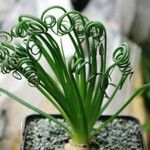
Albuca spiralis
Frizzle Sizzle · Corkscrew albuca · Spiral-leaved albuca
Description
Source: leafsnapAlbuca spiralis, commonly known as the Corkscrew Albuca or Frizzle Sizzle, is a unique and captivating plant that belongs to the Asparagaceae family. Native to South Africa, it is a popular ornamental plant due to its distinctive spiral-shaped leaves that resemble corkscrews. The leaves are long, narrow, and green, with wavy edges that curl inward toward the center of the plant. Reaching up to 30 cm in height, Albuca spiralis produces small white flowers on long stems during the spring or summer. These flowers are fragrant and emit a sweet scent that attracts pollinators such as bees. The plant prefers well-draining soil and moderate watering during its growing season, which lasts from spring through fall. While it can tolerate drought conditions, it should be protected from frost during the winter months. Albuca spiralis can be grown both indoors and outdoors, whether in containers or garden beds. It requires bright, indirect sunlight for optimal growth but should be shielded from direct sunlight, which can scorch its delicate leaves. Overall, this unique, succulent-like plant is an excellent addition to any garden due to its unusual appearance and low maintenance requirements. It is an ideal choice for novice gardeners seeking something different yet easy to grow!
Care Guide
💧 Water Every 7 days
Frizzle sizzle is a plant that thrives in dry conditions due to its high drought tolerance, needing watering only about once a week to keep the soil dry. When grown indoors, it's best to maintain lower humidity levels. Occasional misting can help support its growth while ensuring the soil doesn't become too wet.
How should I water my Frizzle sizzle plant?
To properly water the Frizzle sizzle plant, it is best to use filtered water at room temperature. Tap water may contain harmful particles that can affect the plant's health. It is important to use room temperature or slightly warmer water because the Frizzle sizzle is native to warm environments and cold water can be a shock to its system. Avoid watering from above as it can cause issues with the foliage. Instead, gently apply the filtered room temperature water to the soil until it is thoroughly soaked. This will benefit the plant by moistening the roots and helping them spread and collect nutrients within the soil.
What do I do if I give my Frizzle Sizzle plant too much water or too little water?
Overwatering is a more common issue for Frizzle sizzle plants and can cause wilting, yellowing of leaves, and diseases like root rot, mold, and mildew. Underwatering is less common but can result in brittle, brown leaves. It is important to notice signs of overwatering early and adjust your watering schedule. If the soil drains poorly, replace it with a well-draining potting mix. If your Frizzle sizzle is receiving too little water, simply water more regularly.
How frequently should I water my Frizzle Sizzle plant?
If your Frizzle sizzle plant is in a pot, the most precise way to determine if it needs water is by checking the soil. Simply stick your finger into the soil and if the top two to three inches are dry, it's time to water. If you have your Frizzle sizzle plant outdoors in the ground, you can apply a similar method to test the soil. Again, if the top few inches of soil have dried out, it's time to water. Usually, in the spring and early fall, you'll need to water this plant about once a week using this method. However, during extremely hot weather, you may need to increase the frequency to about twice or more per week. It's worth noting that mature, well-established Frizzle sizzle plants have a notable ability to withstand drought.
How much water does my Frizzle sizzle require?
To properly water your Frizzle sizzle plant, make sure the top two to three inches of soil are dry. Give it a thorough watering that saturates the entire soil, allowing excess water to drain through the pot's holes. If you don't see any excess water draining, you've likely not watered enough. On the other hand, be careful not to let water accumulate in the soil, as this can harm the plant. Additionally, if water doesn't drain well from the pot, ensure you're using well-draining soil to avoid negatively impacting the plant's health. If the plant is outdoors, one inch of rain per week is sufficient.
How do I water my Frizzle sizzle plant at different times it's growing?
The water needs of the Frizzle sizzle can change depending on growth stages. When your Frizzle sizzle is in its early years or has just been transplanted, it will require more water. This is because during these stages, the plant is focused on growing new roots to support future growth, and these roots perform better with slightly more moisture. However, after a few seasons, the plant will need less water. Another stage where more water may be required is during the bloom period, as flower development uses a significant amount of moisture.
☀️ Light Full sun
Frizzle sizzle is a sun-loving perennial herbaceous plant native to open habitats, frequently thriving in meadows and grasslands. It prefers full sun but can also tolerate partial sun conditions.
What are the sunlight requirements for Frizzle Sizzle?
Frizzle sizzle requires full sun, meaning it should receive above 6 hours of sunlight daily. However, it can also tolerate partial sun conditions, where it gets about 3-6 hours of sunlight per day. It's crucial to watch how sunlight moves through your garden to select spots that offer a balance of light and shade, ensuring your plants thrive.
What is Frizzle Sizzle?
Frizzle sizzle (Albuca spiralis) is a sun-loving perennial herbaceous plant native to open habitats, often flourishing in meadows and grasslands. This plant prefers full sun but can also manage well in partial sun conditions. When natural sunlight is limited, indoor plants may require artificial lighting to promote optimal growth, especially in winter or less sunny spaces. Examples of artificial light include LED lights, which can be customized to meet the specific light wavelength needs of your plants.
What are the symptoms of light deficiency in Frizzle Sizzle?
Symptoms of light deficiency in Frizzle Sizzle include smaller new leaves, leggy or sparse growth, accelerated leaf drop, halted growth, paler new leaves, chlorosis (loss of leaf green color), sunscald, leaf curling, wilting, and leaf scorching. These signs suggest the plant is not receiving adequate sunlight, which can hinder its growth and health.
How can I address light deficiency symptoms in Frizzle Sizzle?
To combat light deficiency in Frizzle Sizzle, for indoor plants, gradually move them to sunnier locations, ensuring at least 6 hours of daily sunlight, and consider using artificial lighting if necessary. For outdoor plants, avoid sudden changes in light intensity to prevent sunburn and move them gradually to sunnier locations. If plants are in the ground and sunlight is obstructed, explore pruning or transplanting to sunnier spots. Although parts of the plant that suffered from low light may not recover, new growth should be healthier with improved light access.
🌡️ Temperature 15–37.8°C
Frizzle sizzle flourishes in its native climate where temperatures remain comfortably between 59 to 100.4°F (15 to 38°C). In cooler seasons, protect frizzle sizzle from frost, aiming to keep temperatures from falling below the lower range.
What are the temperature and light requirements for Frizzle Sizzle (Albuca spiralis)?
Frizzle sizzle (Albuca spiralis) adapts well to a wide range of temperatures and can tolerate high temperatures and significant temperature fluctuations. It's important to provide adequate water and shading during high temperatures to prevent sunburn. However, frizzle sizzle has limited cold tolerance. It can handle temperatures just below freezing (above -5°C), but below that, it may suffer from frost damage. For protection in temperatures below -5°C, wrap the plant in plastic, fabric, or other materials and remove once temperatures rise again. Regarding light, during summer, the plant should be kept under conditions below 38°C to prevent leaf discoloration and drying. Shade from the midday and afternoon sun is recommended, along with regular watering.
How do you care for Frizzle Sizzle in low temperatures?
Frizzle sizzle thrives in temperatures above 15°C and should be protected during winter to stay above -5°C. Exposure to temperatures below -10°C may cause leaf drooping, with severe cold potentially leading to wilted and falling leaves. To care for frizzle sizzle in cold conditions, remove any frost-damaged sections and wrap the plant with non-woven fabric or cloth to insulate it against cold. Additionally, constructing a wind barrier can offer further protection from cold winds. These measures help ensure the plant's survival and recovery from cold exposure.
How should you care for Frizzle Sizzle during high temperatures?
During the summer months, it's crucial to keep frizzle sizzle in conditions under 38°C to prevent excessive stress. Temperatures above 43°C may lead to lighter leaf colors, dry and withered leaf tips, leaf curling, and an increased risk of sunburn. To mitigate these issues, trim away sunburned or dried parts of the plant. Moving the plant to a shaded area or using a shade cloth can help protect it from the harsh midday and afternoon sun. Additionally, maintaining soil moisture with morning and evening waterings can help the plant cope with high temperatures.
💨 Humidity normal (40-60%)
This plant will thrive in moderate humidity, which is probably the level in your home. However, misting it a few times a week can be very beneficial. Make sure the room has good ventilation.
🪴 Soil 6-7
🌱 Fertilizer
For Frizzle sizzle, the primary time to apply fertilizer is in early spring when the flowers are starting to form. Using the appropriate fertilizer promotes better blooms and helps Frizzle sizzle produce attractive flowers. Fertilizing in early spring ensures strong flowers throughout the season and gives energy for dormant growth phases.
Why should I put fertilizer on my Frizzle sizzle?
The Frizzle sizzle relies heavily on its leaves for structure, so fertilization is crucial in maintaining their appearance and function. Fertilizing correctly ensures that the leaves of your Frizzle sizzle stay vibrant and healthy. Additionally, proper fertilization benefits the plant beneath the soil's surface by promoting the growth of new roots and maintaining existing ones. This not only keeps your plant healthy in the present, but also enhances its ability to absorb nutrients from the soil in the long run.
When should I fertilize my Frizzle sizzle plant?
If you grow your Frizzle sizzle outdoors each year, it will start new growth in early spring. This is the signal to start fertilizing for the year. A single application of fertilizer in the spring is usually enough for the plant to do well. However, if you want to maximize its growth, you can fertilize it multiple times in the spring and early summer. If you choose this option, feed your Frizzle sizzle once every month to a month and a half.
When is the best time to not add fertilizer to my Frizzle sizzle?
During the late fall and winter, your Frizzle sizzle goes into a dormant phase and stops growing. It's important not to fertilize it during this time. In the spring and summer, if you decide to fertilize, you should start decreasing the amount you use as summer comes closer because the growth rate of your Frizzle sizzle will also slow down. It's generally not a good idea to fertilize your Frizzle sizzle during extremely hot or dry weather as it can stress the plant and cause it to die early.
What kind of fertilizer does my Frizzle sizzle plant need?
Choosing the best fertilizer for a Frizzle sizzle plant is actually quite simple. These plants thrive with a garden fertilizer that has equal parts nitrogen, phosphorus, and potassium, like a 10-10-10 ratio. It's best to avoid fertilizers with high nitrogen levels when unsure. Good options for Frizzle sizzle fertilizers usually come in granular form and are slow-release, making application easy. Additionally, feeding the plant with organic soil amendments like compost can be beneficial.
How should I fertilize my Frizzle sizzle plant?
To ensure healthy growth for your Frizzle sizzle plant, wait for its first leaves to appear in early spring before applying a granular slow-release fertilizer. Focus on the soil around the base of the plant rather than directly applying it to the leaves. If needed, gently move the leaves to access the soil. It's also recommended to water your Frizzle sizzle before and after fertilizing. You can repeat this process later in the season if desired.
🪴 Pot & Repot 2-3 years
Repot your frizzle sizzle every 2-3 years in early spring. Use a pot that is slightly larger than its current one. After repotting, provide the plant with bright light and minimal water to encourage strong root growth. Ensure the pot has good drainage, as this is essential for the frizzle sizzle's health during the transition.
✂️ Pruning
Frizzle Sizzle is known for its curly, corkscrew-like leaves and distinctive blooms. To encourage healthy growth, prune it in early spring by removing damaged leaves and spent flowers. Always sanitize your tools to prevent the spread of disease. Proper pruning not only enhances the plant's appearance but also boosts its vigor, resulting in a stronger, more robust specimen.
🌿 Propagating
🐛 Diseases & pets
☠️ Toxicity
Albuca Spiralis is pretty but poisonous and it should not be consumed. Keep away from pets & children.
Characteristics
- Plant Type
- Herb
- Life Cycle
- Perennial
- Genus
- Albuca
- Family
- Asparagaceae
- Hardiness Zone
- 8-11
- Mature Height
- 30 cm
- Mature Spread
- 20 cm
- Leaf Color
- Green
- Leaf Type
- Deciduous
- Flower Color
- White
- Flower Size
- 2.03 cm to 3.05 cm
- Bloom Time
- Mid spring, Late spring
- Planting Time
- Spring
- Harvest Time
- Early summer, Mid summer
- Native Area
- South Africa