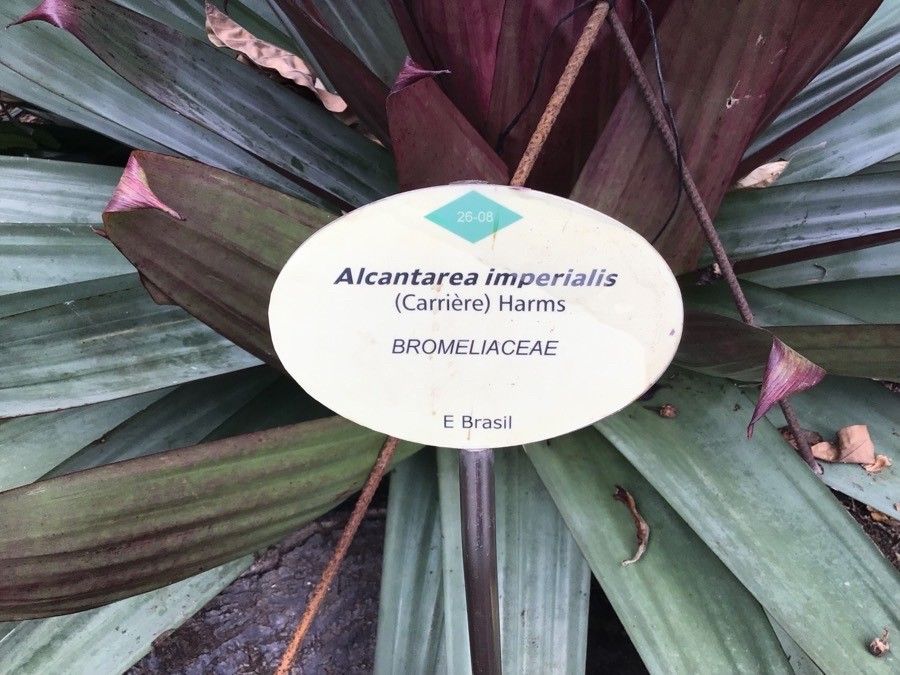
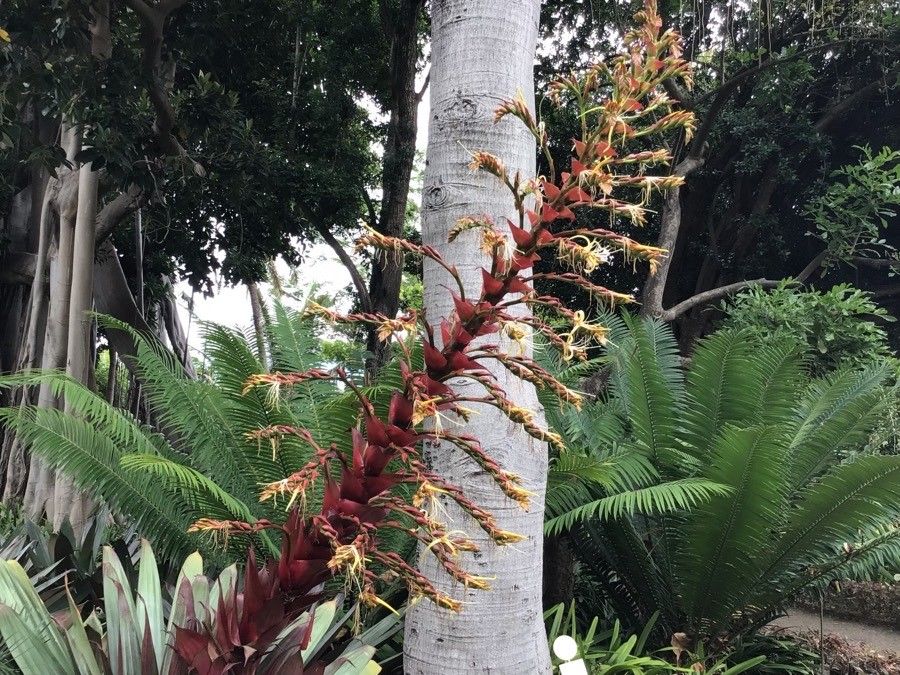
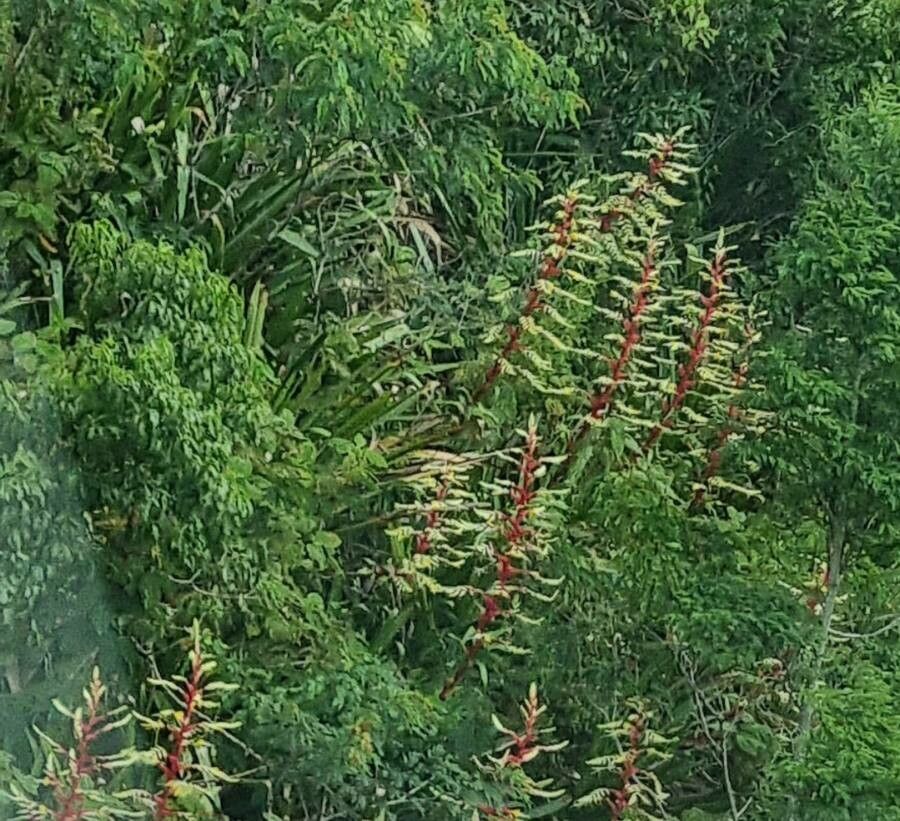
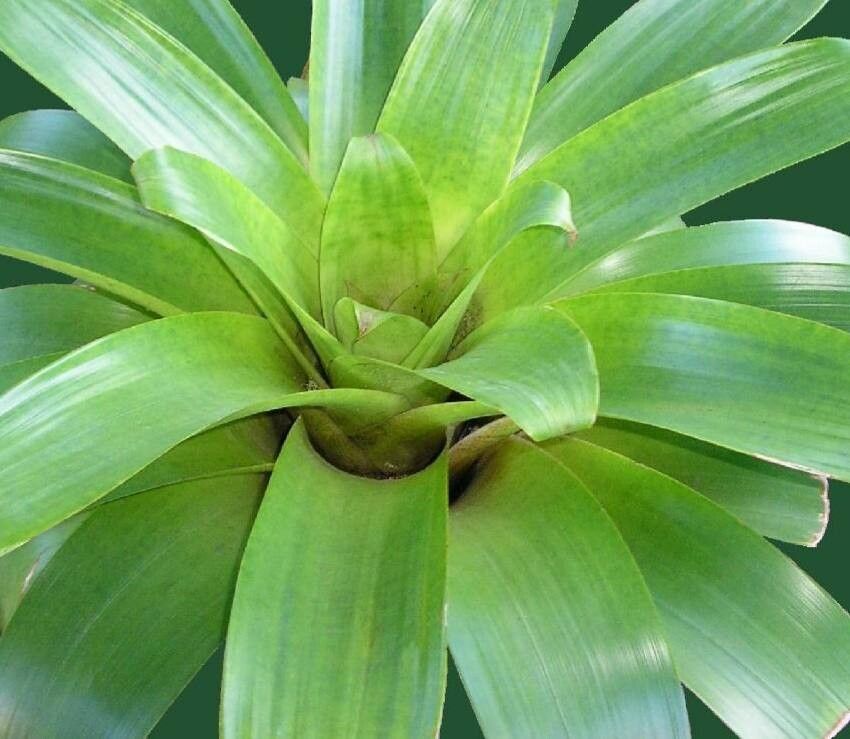
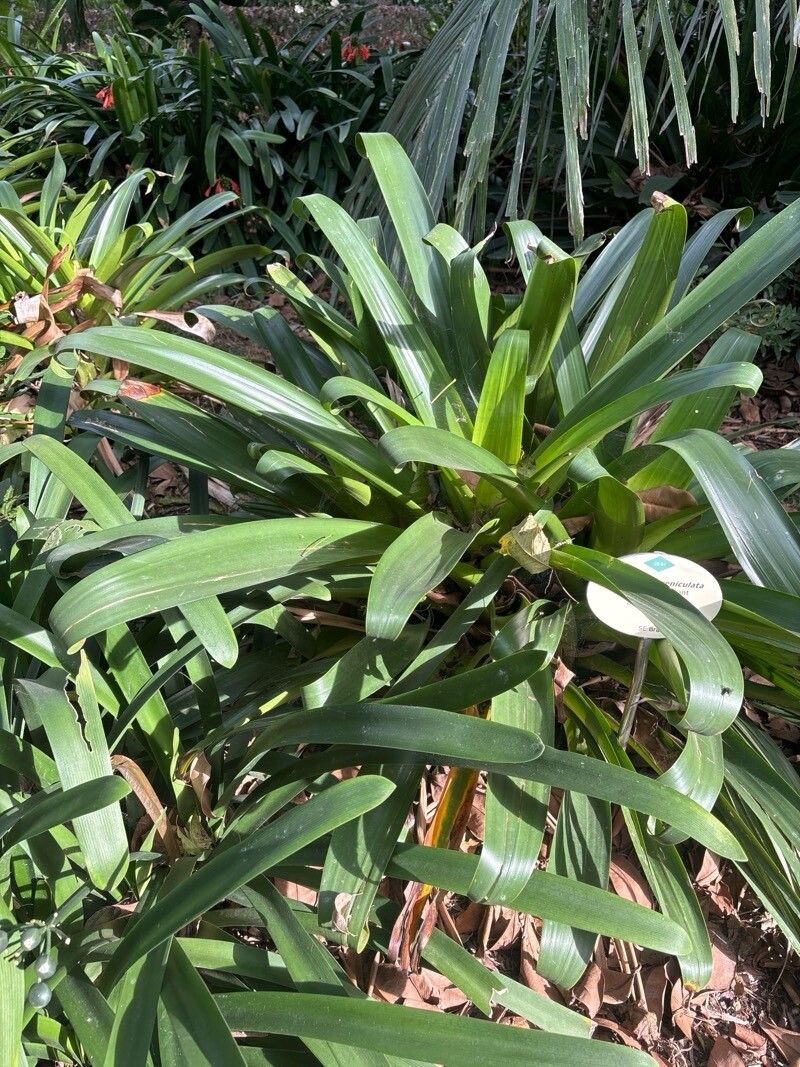
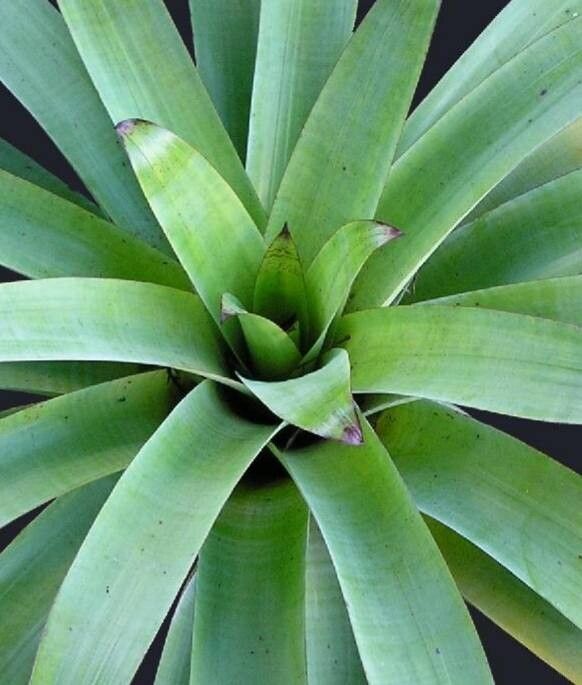
Alcantarea imperialis is a robust lithophytic species of bromeliad in the genus Alcantarea. This species is endemic to Brazil.
Imperial bromeliad is relatively resistant to disease and usually not highly susceptible to illnesses. However, it can be affected by pests and diseases present in its surroundings. These problems are typically not serious. Regarding care, this plant requires moderate maintenance. It should be pruned regularly to maintain a neat appearance and promote healthy growth. Applying fertilizer can also help encourage flowering. Imperial bromeliad is suitable for anyone with outdoor space, like a garden or patio, and does not require extensive care experience. It may need more attention when grown indoors.
How to keep Alcantarea Imperialis.
Light
The imperial bromeliad prefers spots with moderate sunlight but can tolerate brighter light. Native to places with filtered sun, it does best under similar conditions. Too much light can damage its health, while too little light can impede its growth.
Water
The imperial bromeliad, native to Brazil's high-altitude regions, thrives in tropical climates with consistent moisture. Although it can withstand drought conditions, it flourishes best in a balanced environment with weekly watering. As an epiphyte, the imperial bromeliad performs exceptionally well outdoors in humid areas, where it can effectively retain water and absorb nutrients.
Temperature
The imperial bromeliad comes from areas with moderate temperatures and prefers roughly 68 to 100 °F (20 to 38 °C). As seasons change, temperature adjustments may be needed to replicate its natural habitat, particularly during extreme winter or summer.
Fertilizer
Proper fertilization is essential for the health and appearance of the Imperial bromeliad. Fertilize the Imperial bromeliad in summer, repeating the application monthly throughout summer. Nutrients fuel growth and maintain the plant's parts. Fertilization improves the Imperial bromeliad's flower display, ensuring the best blooms.
Pruning
The Imperial bromeliad has eye-catching rosettes and glossy leaves. To keep your plant healthy, remove dead leaves in early spring and trim back spent flower stalks. Make sure to use clean tools when pruning. To maintain the vigor of the parent plant and enhance air circulation, regularly separate offsets. This will also help minimize pest problems.
Pot & Repot
Repot the imperial bromeliad every 2-3 years in the spring to help maintain its rosette shape. Use a slightly larger container with well-draining soil. After repotting, provide bright, indirect light and water sparingly to aid in its recovery. While these plants are resilient, they benefit from attentive care during repotting cycles.
Botanical profile.
- Plant Type
- Herb
- Life Cycle
- Perennial, Annual
- Genus
- Alcantarea
- Family
- Bromeliaceae
- Hardiness Zone
- 10-11
- Mature Height
- 61 cm to 91 cm
- Mature Spread
- 0.61 m to 1.22 m
- Leaf Color
- Green, Red
- Leaf Type
- Evergreen
- Flower Color
- White
- Flower Size
- 2.54 cm
- Bloom Time
- Summer
- Planting Time
- Spring, Autumn
- Harvest Time
- Late summer, Early fall, Mid fall
- Native Area
- Brazil
Other names.
Reader questions.
What should I do if I give my Imperial bromeliad too much water or not enough?
Overwatering and underwatering are both potential problems for your Imperial bromeliad, but overwatering is more common. While the Imperial bromeliad prefers consistently moist soil conditions, it can tolerate short-lived droughts. If you underwater your bromeliad, you may notice browning and brittleness at the tips of the leaves, as well as curling. This is more likely to happen to in-ground plants when there is not enough rainfall, and to container-grown plants because the soil in containers dries out faster and may not receive natural rainfall. To resolve underwatering, simply supply more water to the plant. If you are dealing with overwatering, you may notice wilting, yellowing, and rot in the leaves and stem of the bromeliad. Overwatering can also lead to mold and fungus. It can happen to in-ground plants even when there is sufficient rainfall, or to container-grown plants when heavy soils without proper drainage holes are used. If you have an overwatered bromeliad in a container, it is best to remove it from the container, clean and trim the roots, and replant it in a pot with looser soil and better drainage. Whether your bromeliad is in the ground or in a pot, you should also adjust your watering schedule to avoid overwatering.
Why should I add fertilizer to my Imperial bromeliad?
Plants, including the Imperial bromeliad, depend on soil nutrients for growth. However, it's not always guaranteed that the soil will have all the necessary nutrients. To address this, fertilization and soil improvements are used to ensure that the plants in your garden receive both the basic nutrients they need and the specific nutrients required for their optimal growth. For the Imperial bromeliad, fertilization is crucial to support the development of its roots and stems throughout the growing season. Additionally, it helps the plant achieve a beautiful set of leaves, which is especially important as the foliage is the main aesthetic feature of this plant.
What are the sunlight requirements for plants?
Plants have varying sunlight requirements. Partial sun plants need about 3-6 hours of sunlight daily, while full sun plants require more than 6 hours. Observing how sunlight moves through your garden helps in placing your plants in locations that provide the ideal balance of light and shade, thus ensuring their optimal growth and happiness.
What is the ideal temperature range for an Imperial Bromeliad?
Imperial bromeliad thrives in regions with moderate temperatures, with an ideal range of 68 to 100 °F (20 to 38 °C). To maintain its health, especially during extreme winter or summer, temperature adjustments are necessary to emulate its natural tropical environment.
How often do I need to water my Imperial bromeliad?
To maintain the right soil moisture for your Imperial bromeliad during the growing season, it's important to water it correctly. If you're growing the bromeliad in a container, watering it with about one inch of water once per week should be sufficient. However, if you've planted it in the ground, you may not need to water it as often if it has received about one inch of rain during the week. In this case, you may be able to go without watering for longer periods as long as there has been consistent rainfall. Remember that the watering frequency will vary depending on the season. For example, the bromeliad will require less water during winter compared to spring, summer, and fall. Additionally, keep in mind that the specific growth phase of your bromeliad may also affect its water needs. When the plant is flowering or fruiting, it will typically require more water than usual.
When should I fertilize my Imperial bromeliad?
During the active growing seasons of spring, summer, and early fall, Imperial bromeliads require the highest amount of fertilizer. As winter approaches, the feedings should be reduced to once every two to four weeks. This frequency should be maintained until fall, when the fertilization rate can be gradually decreased. Eventually, all feedings should be stopped in preparation for the winter months, during which the Imperial bromeliad will experience minimal growth.
What are the essentials for growing an Imperial Bromeliad?
The Imperial Bromeliad thrives in areas with moderate sun exposure but can also withstand more intense light. Originating from environments that offer filtered sunlight, they grow best under such conditions. However, excessive light may damage the plant, whereas insufficient light could hinder its growth. To support their growth, especially indoors or in less sunny spaces, artificial lighting such as LED lights could be a vital solution. These lights should be chosen and installed carefully to provide the necessary wavelengths, with full sun plants requiring 30-50W/sq ft, partial sun plants needing 20-30W/sq ft, and full shade plants benefiting from 10-20W/sq ft of artificial light.
How should I care for my Imperial Bromeliad during winter?
During winter, if temperatures drop below 5°C, it's recommended to move Imperial Bromeliad indoors, placing it near a south-facing window to ensure it gets sufficient sunlight. Avoid placing the plant near heaters or air conditioners to prevent it from becoming excessively dry. Keep indoor temperatures above 20°C for its optimum growth, and reduce watering, allowing the soil to dry before watering again to prevent root rot. If the plant must remain outdoors, ensure it is sheltered and receives sunlight, potentially setting up a temporary greenhouse or wrapping it with protective materials.
If I grow my Imperial bromeliad indoors, how should I water it differently?
To successfully grow an Imperial bromeliad indoors, you need to keep a few things in mind. First, if you live in a region with cold winters, indoor growing is necessary because the plant cannot survive freezing temperatures. Secondly, you should know that indoor Imperial bromeliads don't have access to rainwater like their outdoor counterparts, so you'll have to be responsible for supplying all the water they need. Indoor locations are often drier, partly due to appliances like air conditioners, so you may find yourself watering the plant more frequently than if it were outside. Additionally, consider misting the leaves of your indoor Imperial bromeliad to create a humid environment that supports its growth.
When is it not a good idea to fertilize my Imperial bromeliad?
For most of the year, including spring, summer, and most of the fall, it is important to regularly feed your Imperial bromeliad. However, there are exceptions. If you notice that your bromeliad has received too much fertilizer or if you have made a mistake with fertilization, causing fertilizer burn or other problems, you should fix the issue before resuming regular feeding. The only time you should avoid fertilizing an Imperial bromeliad is during the winter. If you keep the plant indoors in a cold region, it will go dormant during this season. Feeding the plant during its dormant phase is unnecessary and harmful, as it is likely to cause fertilizer burn and hinder its growth.
What are some important symptoms of improper lighting in Imperial Bromeliads?
Imperial Bromeliads can show a variety of symptoms due to improper lighting. Symptoms of light deficiency include smaller new leaves, leggy or sparse growth, faster leaf drop, slower or halted growth, and lighter-colored new leaves. Overexposure to light can cause chlorosis, sunscald, leaf curling, wilting, and leaf scorching. These symptoms highlight the plant's struggle with either too much or too little light, affecting their overall health and appearance.
What are the symptoms and solutions for Imperial Bromeliad exposed to low temperatures?
Imperial bromeliad is not tolerant of low temperatures and shows no obvious symptoms immediately after exposure below 1°C. After three to five days, the leaves may wither and droop, and in severe cases, the plant may dry up. To address this, trim the frostbitten areas and move the plant indoors to a warm environment near a south-facing window for ample sunlight. Additionally, keep it away from heaters or air conditioning vents to avoid air dryness.