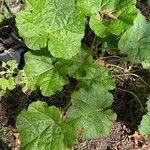
Alcea biennis
Hollyhock · Eastern hollyhock · Pale hollyhock · חוטמית זיפנית · Ружа
Description
Source: leafsnapAlcea biennis, the biennial hollyhock, is a species of Alcea in the mallow family, Malvaceae.
Care Guide
💧 Water
☀️ Light Full sun
Pale Hollyhock comes from bright, open habitats and flourishes in full sun. It can tolerate partial shade but favors direct sunlight for the best growth. This plant, which can be annual or biennial, is recognized for its sun-loving habit.
🌡️ Temperature 5–35°C
Pale Hollyhock can tolerate a wide range of temperatures, but its distribution may still be limited by particular combinations of moisture and heat. It grows best in warm summers with adequate rainfall or watering. Extended periods of cloudy, rainy weather or prolonged high temperatures can increase the chance of Pale Hollyhock dying. In winter, proper protection from cold can improve the plant's survival rate.
💨 Humidity
🪴 Soil 6-8
🌱 Fertilizer
Pale Hollyhock requires regular fertilization to encourage flowering but is intolerant of excess. It should receive small, frequent doses of fertilizer throughout its life cycle, especially during periods of vigorous growth and while it is flowering. Continue feeding your Pale Hollyhock until it stops blooming.
🪴 Pot & Repot
✂️ Pruning
🌿 Propagating
🐛 Diseases & pets
☠️ Toxicity
Characteristics
- Plant Type
- Herb
- Life Cycle
- Biennial
- Genus
- Alcea
- Family
- Malvaceae
- Hardiness Zone
- 4-9
- Mature Height
- 0.91 m to 2.13 m
- Mature Spread
- 30 cm to 61 cm
- Leaf Color
- Green, Dark Green
- Leaf Type
- Deciduous
- Flower Size
- 7.62 cm to 11.43 cm
- Bloom Time
- Summer
- Planting Time
- Spring, Summer
- Harvest Time
- Late summer, Early fall, Mid fall