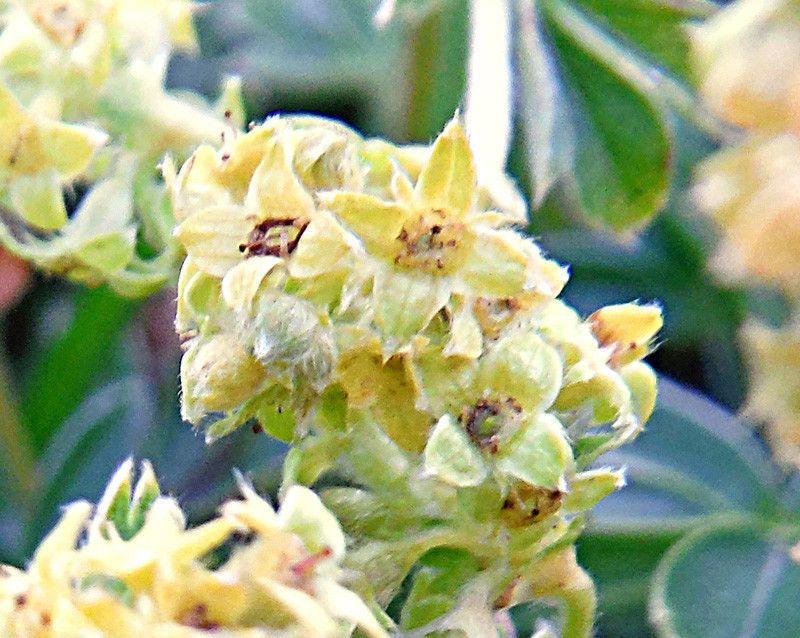
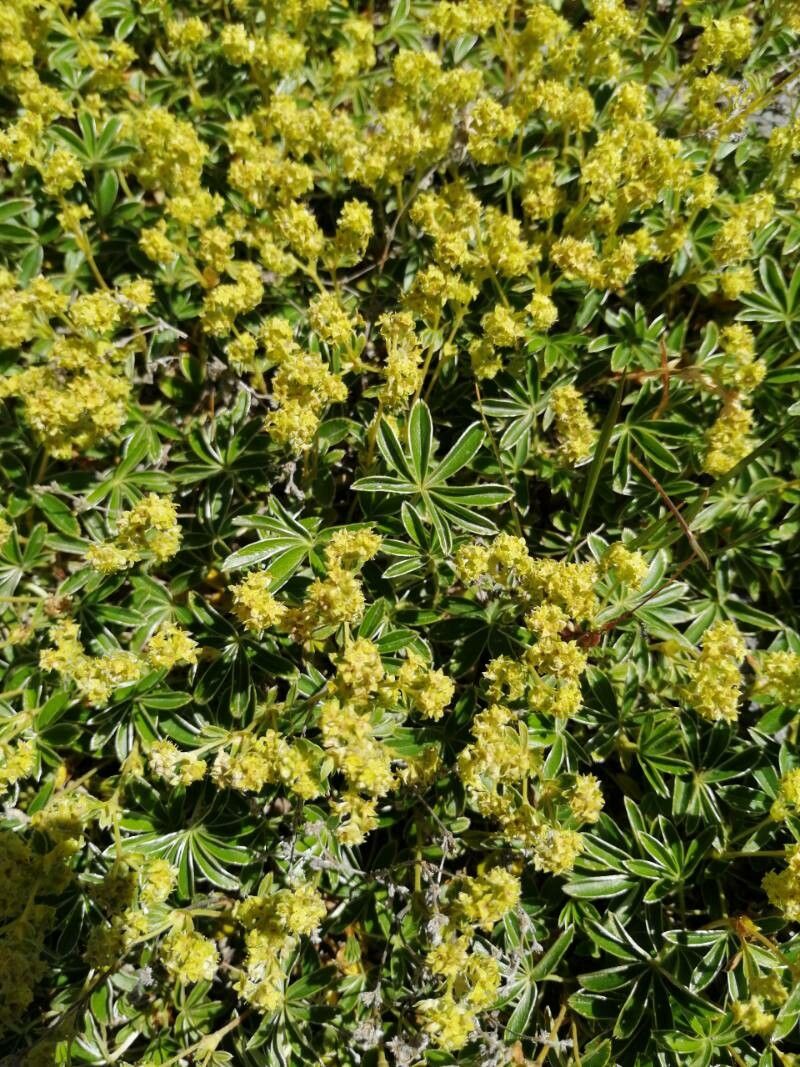
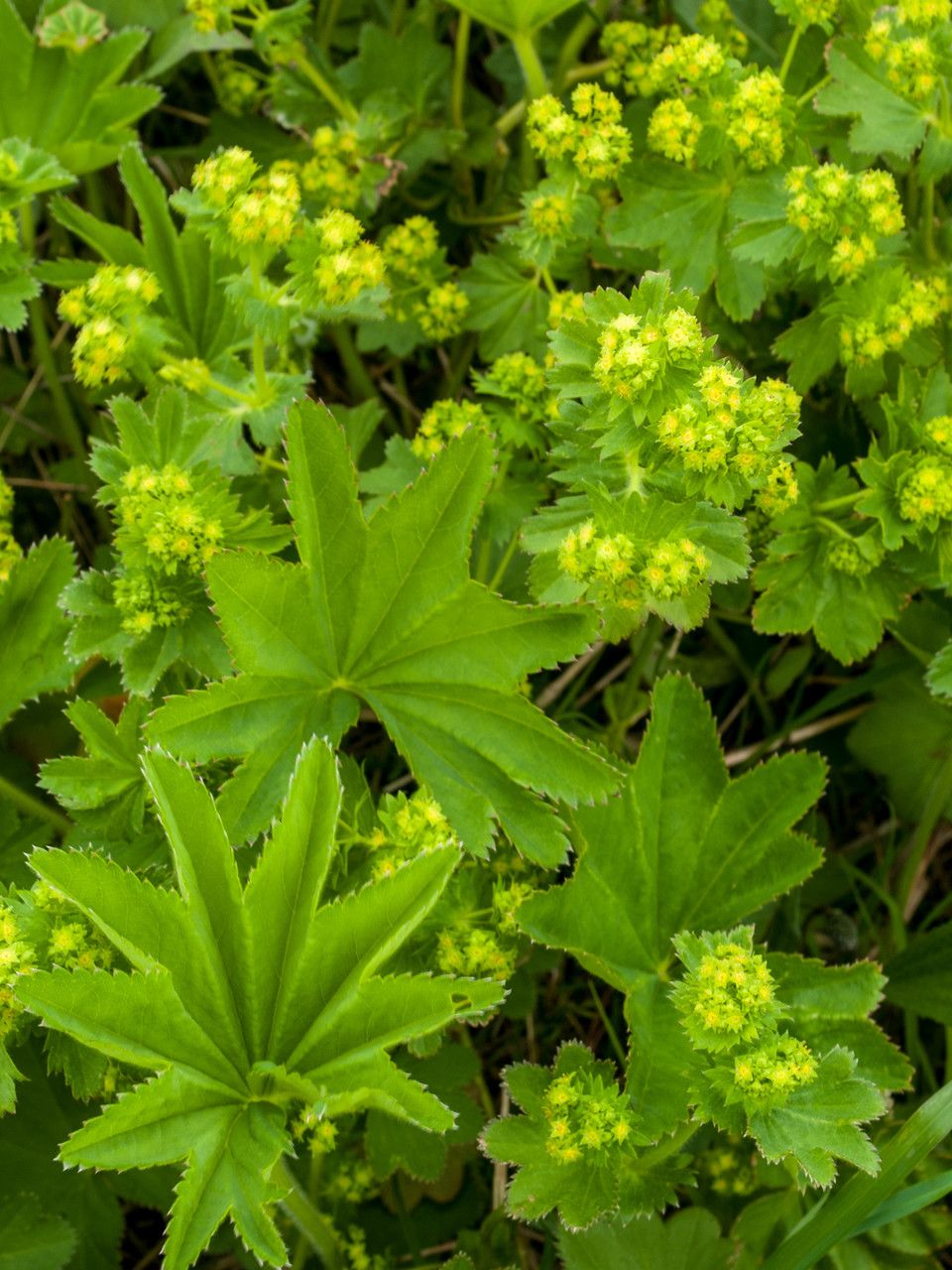
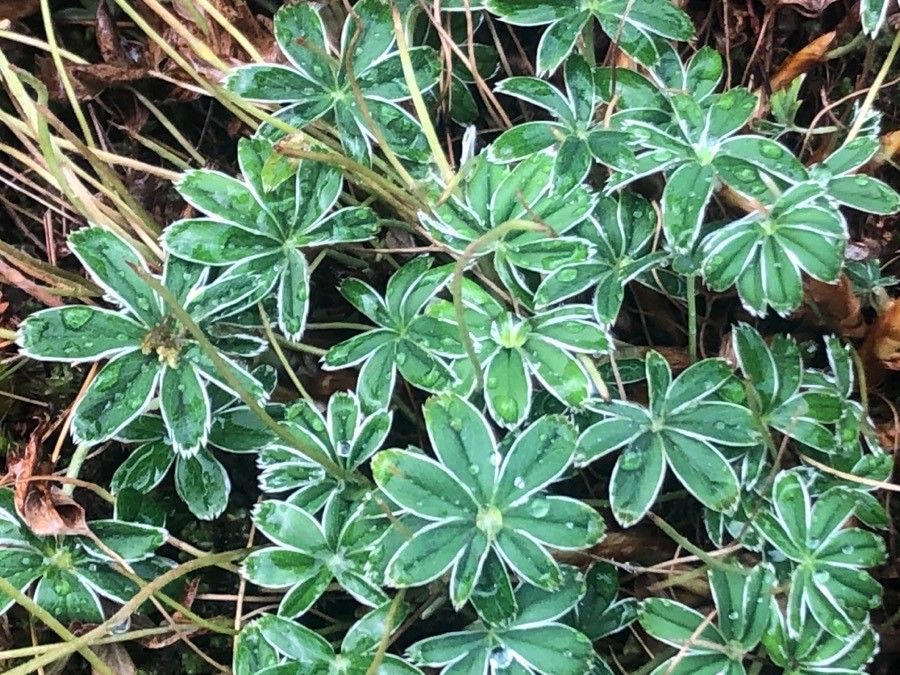
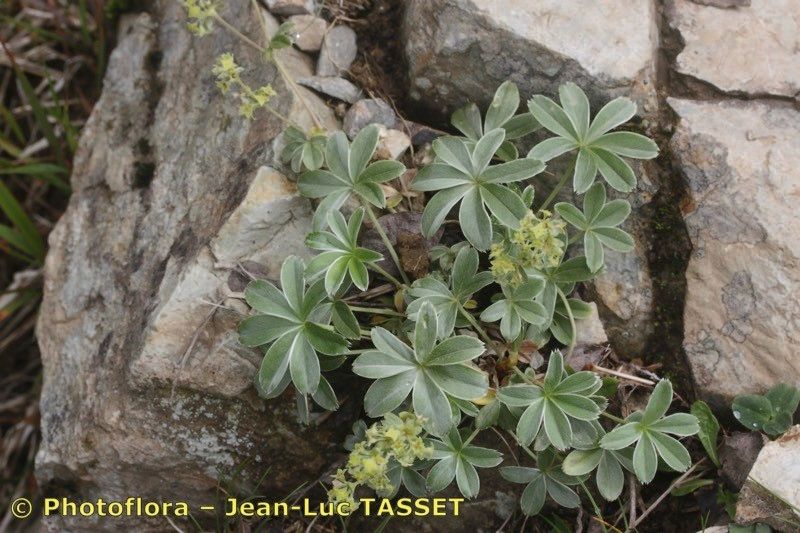
Alchemilla alpina, commonly known as Alpine Lady's Mantle, is a perennial herbaceous plant belonging to the Rosaceae family. Native to the mountainous regions of Europe and Asia, it thrives in alpine meadows, rocky slopes, and crevices.
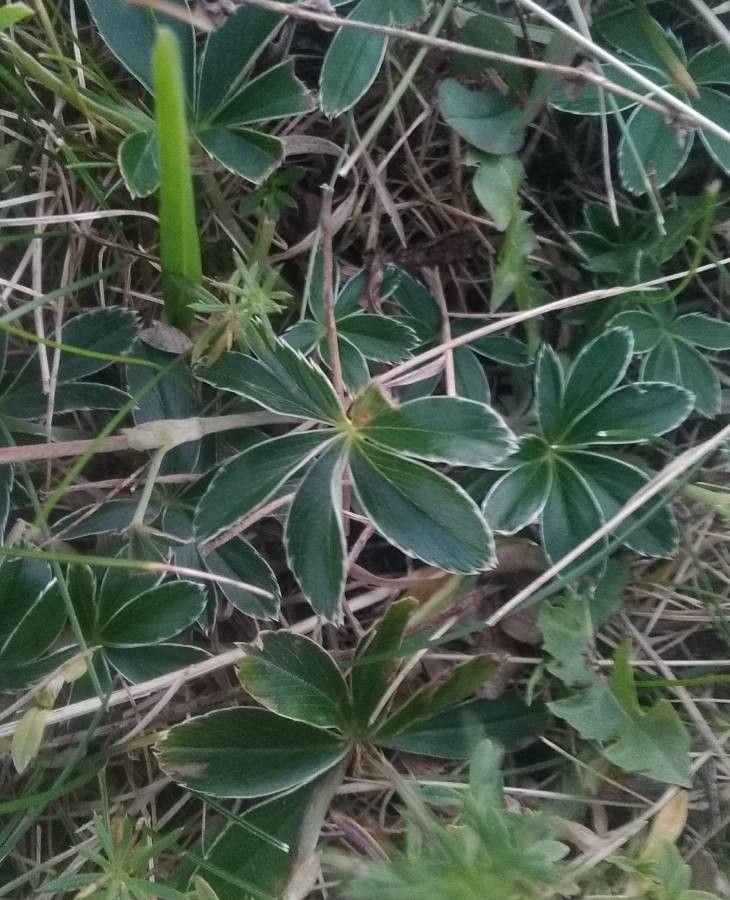
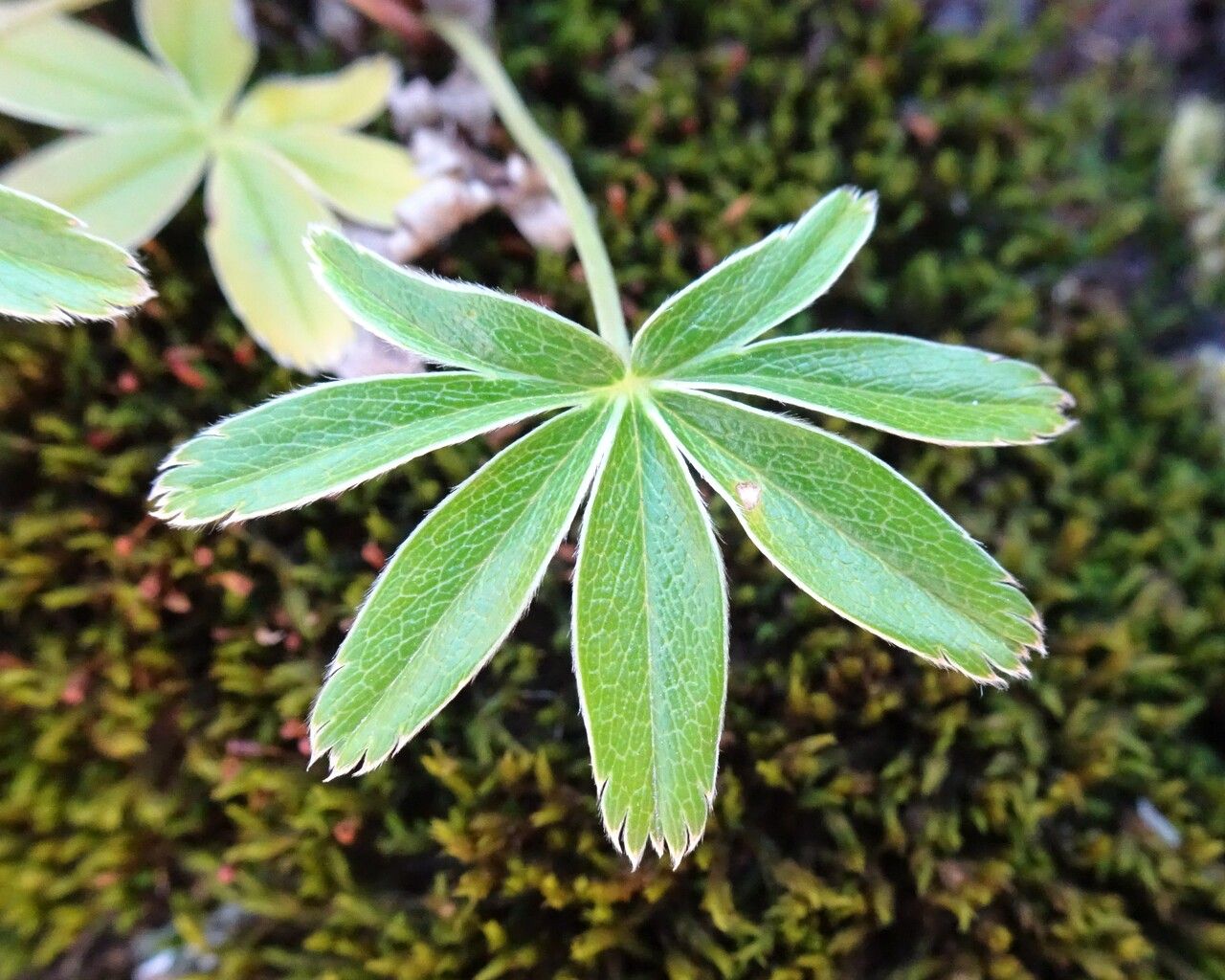
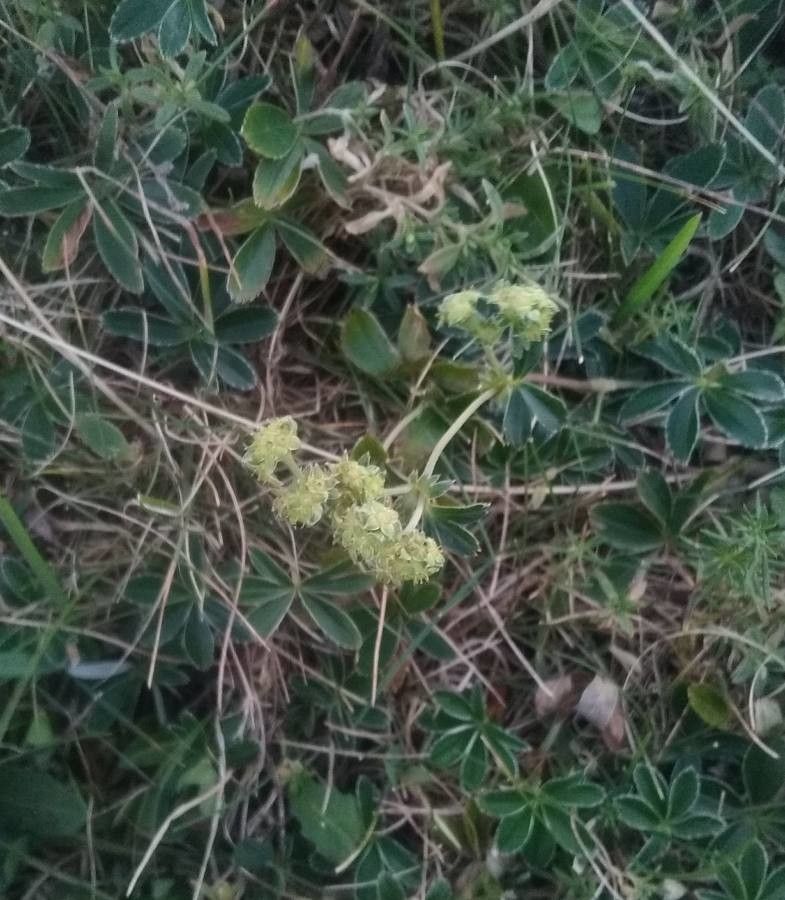
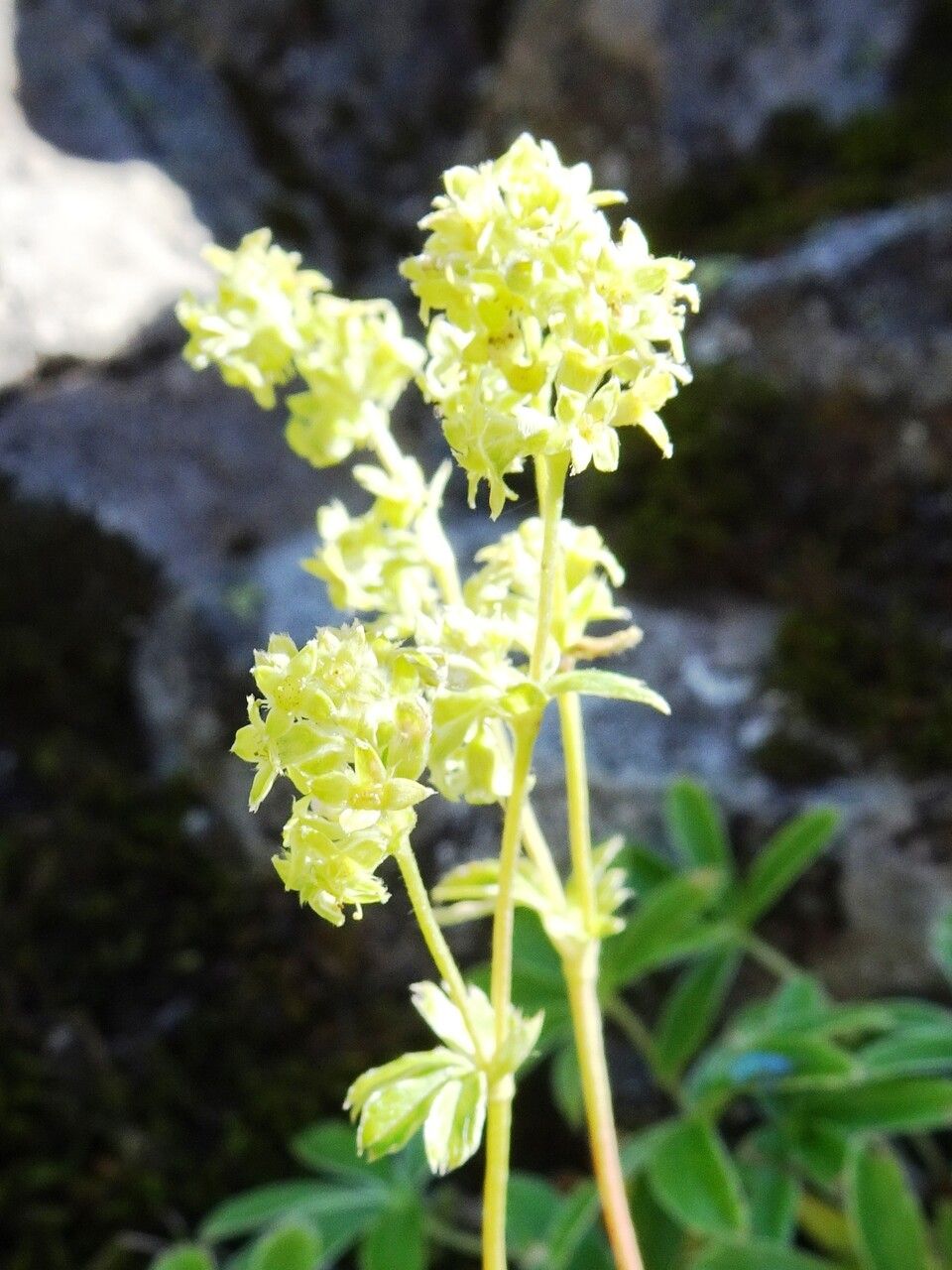
This plant has a compact growth habit, characterized by basal rosettes of deeply lobed leaves covered in fine hairs. These green-grey leaves have a velvety texture that helps retain moisture. During the summer months, the plant produces small yellow-green flowers on tall stems.
For centuries, Alpine Lady's Mantle has been valued for its medicinal properties, primarily due to its high tannin content, which imparts astringent qualities. Historically, it has been used as an herbal remedy for diarrhea, menstrual cramps, and wound healing.
In addition to its medicinal uses, Alchemilla alpina is also grown as an ornamental plant. Its attractive foliage and delicate flowers make it a popular choice for rock gardens and border plantings.
Overall, Alchemilla alpina is a hardy perennial with both medicinal benefits and ornamental appeal, making it a favorite among gardeners worldwide.
Alpine lady's mantle is fairly disease-resistant and generally not vulnerable to illnesses. However, it can be affected by pests and diseases present in its environment. Such infections are typically mild. Regarding care, this plant needs moderate maintenance. Regular pruning is necessary to keep a tidy appearance and support healthy growth. Applying fertilizer can also encourage flowering. Alpine lady's mantle is suitable for anyone with outdoor space, such as a garden or patio, and does not require extensive experience in plant care. When kept indoors it may demand more attention.
How to keep Alchemilla Alpina.
Light
The alpine lady's mantle greatly prefers unobstructed sun but can comfortably tolerate partial shade. Native to mountainous regions where sunlight is plentiful yet diffused, it reaches optimal growth in those conditions. However, excessive sun can cause scorching, while insufficient light can impede its growth.
Water
The alpine lady's mantle is well-suited to cool, moist alpine climates and needs consistent hydration to thrive. To ensure lush foliage, it is best to water it weekly. As an herbaceous perennial, this plant flourishes outdoors and benefits from additional watering during its active growing season, which promotes optimal growth and vitality.
Temperature
Alpine lady's mantle originates from cooler climates and is best suited to temperatures of 32 to 90 °F (0 to 32 ℃). During seasons with extreme temperatures, it is recommended to alter the plant's environment to mimic its native range.
Fertilizer
For Alpine lady's mantle, the primary time to apply fertilizer is in early spring when the flowers are forming. The appropriate fertilizer promotes better blooms and helps Alpine lady's mantle produce attractive flowers. Fertilizing in early spring ensures strong flowers during the season and supplies energy for dormant growth phases.
Pruning
Alpine lady's mantle is known for its unique fan-shaped, serrated leaves. To keep the plant healthy and visually appealing, it is important to prune it from early to late spring. This involves removing any dead foliage and faded flowers. Consistent pruning helps improve airflow, maintain the plant's shape, and enhance its appearance, leading to robust growth. As a result, Alpine lady's mantle makes a vibrant addition to any garden.
Pot & Repot
When repotting Alpine lady's mantle, pick a pot 1-2 inches (2.5–5.1 cm) larger with good drainage. Use a well-draining potting mix. Repot in spring or fall, making sure the root ball sits slightly lower than the rim of the flower pot. Water thoroughly after repotting and place the pot in a warm spot with indirect sunlight.
Botanical profile.
- Plant Type
- Herb
- Life Cycle
- Perennial
- Genus
- Alchemilla
- Family
- Rosaceae
- Hardiness Zone
- 3-7
- Mature Height
- 20 cm
- Mature Spread
- 30 cm
- Leaf Color
- Green
- Leaf Type
- Deciduous
- Flower Color
- Yellow
- Flower Size
- 0.25 cm to 0.51 cm
- Bloom Time
- Summer
- Planting Time
- Spring, Summer, Autumn
- Harvest Time
- Late summer, Early fall, Mid fall
- Native Area
- Russia, Norway, Germany, Sweden, Italy, Austria, Spain, Switzerland, Denmark, Iceland, Finland, Ireland, United Kingdom, France
Other names.
Reader questions.
How should I water my Alpine lady's mantle plant?
To ensure the health of your Alpine lady's mantle, it is recommended to use filtered water at room temperature for watering. Tap water may contain harmful particles, so filtered water is a better choice. The water should be at room temperature or slightly warmer since the plant is accustomed to a warm environment. Cold water can be a shock to its system. Avoid overhead watering as it can cause issues with the foliage. Instead, gently apply the filtered room temperature water directly to the soil until it is fully soaked. This helps moisten the roots and encourages them to spread and gather essential nutrients in the soil.
Why do I have to put fertilizer on my Alpine lady's mantle?
The main structure of the Alpine lady's mantle consists of its leaves. Fertilization is crucial for maintaining the appearance and function of these leaves. Proper fertilization ensures that the leaves maintain consistent color and a healthy texture. Additionally, fertilization supports the growth of new roots and maintenance of existing roots, both above and below the soil's surface. By fertilizing your Alpine lady's mantle, you not only keep it healthy in the present but also improve its ability to absorb soil nutrients in the future.
What are the sunlight requirements for Alpine lady's mantle?
Alpine lady's mantle thrives in conditions where it can receive full sun, defined as more than 6 hours of sunlight, but it can also grow well in partial sun, which is about 3-6 hours of sunlight. This plant enjoys unobstructed exposure to sunlight but can endure semi-shaded environments due to its origins in mountainous terrains, where sunlight is plentiful but diffused. It's important to observe how sunlight moves through your garden, selecting locations that offer a balance of light and shade to ensure the plant's well-being. Overexposure to sunlight may lead to scorching, while insufficient light can impede growth.
What is the native climate of Alpine lady's mantle?
Alpine lady's mantle, botanically known as Alchemilla alpina, thrives in cooler climates and is best suited to temperatures ranging from 32 to 90 °F (0 to 32 °C). It is highly cold-tolerant, enabling it to withstand the winter without needing additional frost protection. To help the plant through extreme temperatures, mimicking its native climate conditions can be beneficial. For instance, ensuring the soil remains moist before the first freeze in autumn can help prevent drought and water scarcity during winter and early spring.
What should I do if I give too much or too little water to my Alpine lady's mantle?
Overwatering is a more common issue than underwatering for the health of Alpine lady's mantle. Excessive watering causes wilting, yellowing of stems and leaves, and can lead to diseases like root rot, mold, and mildew which can be fatal. Although Alpine lady's mantle has good drought tolerance, underwatering is still possible. In such cases, the plant's leaves become brittle and brown. It is important to identify signs of overwatering early and reduce watering immediately to prevent irreversible damage, especially from diseases like root rot. If the soil drains poorly, replace it with a loose, well-draining potting mix. If signs indicate insufficient water, increase watering until the symptoms subside.
When should I fertilize my Alpine lady's mantle for the best results?
When you grow your Alpine lady's mantle outdoors annually, you can expect new growth to sprout in early spring. This is a clear indication that it's time to start fertilizing for the year. Usually, applying fertilizer once in the spring is sufficient for your Alpine lady's mantle to thrive. However, if you want to maximize its growth, you can fertilize it multiple times throughout the spring and early summer. In this case, you can feed your Alpine lady's mantle approximately once every month to a month and a half.
How can artificial lighting be used for Alpine lady's mantle indoors?
When natural sunlight is insufficient, especially in winter or less sunny spaces, artificial lighting becomes crucial for the growth of Alpine lady's mantle indoors. Optimal growth requires choosing the right type of light, such as LED lights, which can provide specific wavelengths needed by the plant. For full sun plants, 30-50W per square foot is recommended; partial sun plants need 20-30W per square foot, and full shade plants should have 10-20W per square foot. The artificial light source should be placed 12-36 inches above the plant to mimic natural sunlight, and the duration should replicate natural daylight hours, usually requiring 8-12 hours of light per day.
How does Alpine lady's mantle react to low temperatures?
Alpine lady's mantle is extremely cold-tolerant, remaining robust down to temperatures of -35°C. However, if the winter temperature falls below this threshold, you might not observe any changes during the winter itself, but there could be a noticeable decrease in sprouting or even a complete lack of sprouting in the spring. To mitigate these effects, it is advisable to remove any parts of the plant that have failed to sprout in the spring.
How frequently should I water my Alpine lady's mantle?
If your Alpine lady's mantle plant is in a pot, the best way to determine if it needs water is by feeling the soil with your finger. If the top two to three inches are dry, then it's time to water. For plants grown outdoors in the ground, you can do the same soil test. Once the top few inches are dry, it's time to water. Usually, during spring and early fall, watering once a week is sufficient. However, in extremely hot weather, you might need to water twice or more per week. It's worth noting that mature, well-established Alpine lady's mantle plants can actually tolerate drought quite well.
When is it best to not put fertilizer on my Alpine lady's mantle?
During the late fall and winter, your Alpine lady's mantle goes into a dormant phase, meaning it stops producing new growth. During this time, it's important to avoid fertilizing it. In the spring and summer, you can choose to fertilize it multiple times, but as summer approaches, you should gradually reduce the rate of fertilization because the growth rate of your Alpine lady's mantle will also slow down. In general, it is not recommended to fertilize your Alpine lady's mantle when the weather is unusually hot or when the soil is extremely dry. Fertilizing in these situations can stress your plant and cause it to die prematurely.
What are the symptoms of insufficient light for Alpine lady's mantle?
Alpine lady's mantle may exhibit several symptoms when subjected to inadequate lighting. These include smaller new leaves, leggy or sparse growth due to elongated spaces between leaves or stems, faster leaf drop as the plant conserves resources, slower or halted growth as the plant enters survival mode, lighter-colored new leaves indicating a lack of chlorophyll, and symptoms of too much sunlight like chlorosis (leaves turning yellow), sunscald (damaged areas from intense light exposure), leaf curling (to minimize water loss), wilting (due to rapid water loss), and leaf scorching (brown, dry, and crispy leaf edges). These symptoms highlight the importance of ensuring the plant receives adequate sunlight.
What should I do if Alpine lady's mantle is exposed to high temperatures?
Alpine lady's mantle is sensitive to high temperatures, particularly when they exceed 32°C. Exposure to such heat can halt its growth and increase the risk of rot. To protect the plant from heat damage, it's recommended to trim away any sunburned and dried-up parts. Additionally, relocating the plant to a shaded area or using a shade cloth to shield it from the midday and afternoon sun can be effective. Ensuring the soil remains moist by watering the plant in the morning and evening will also help mitigate heat stress.