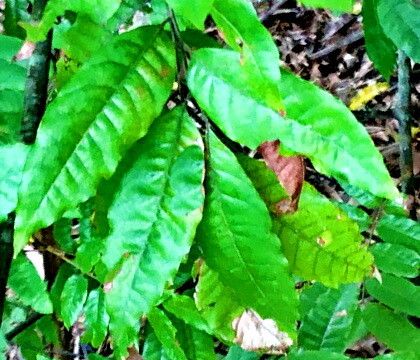
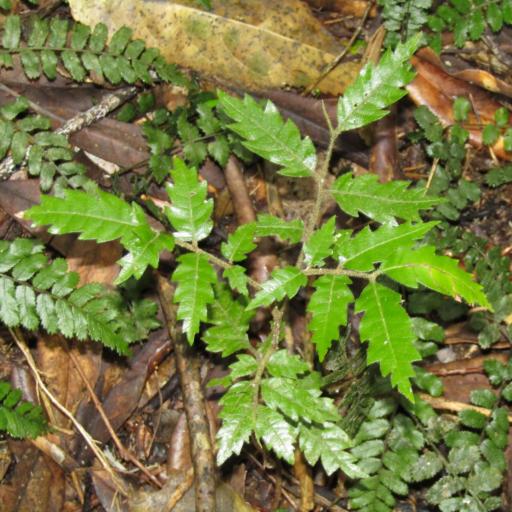
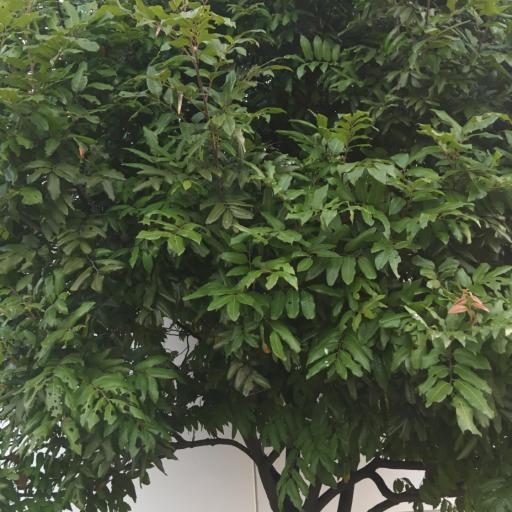
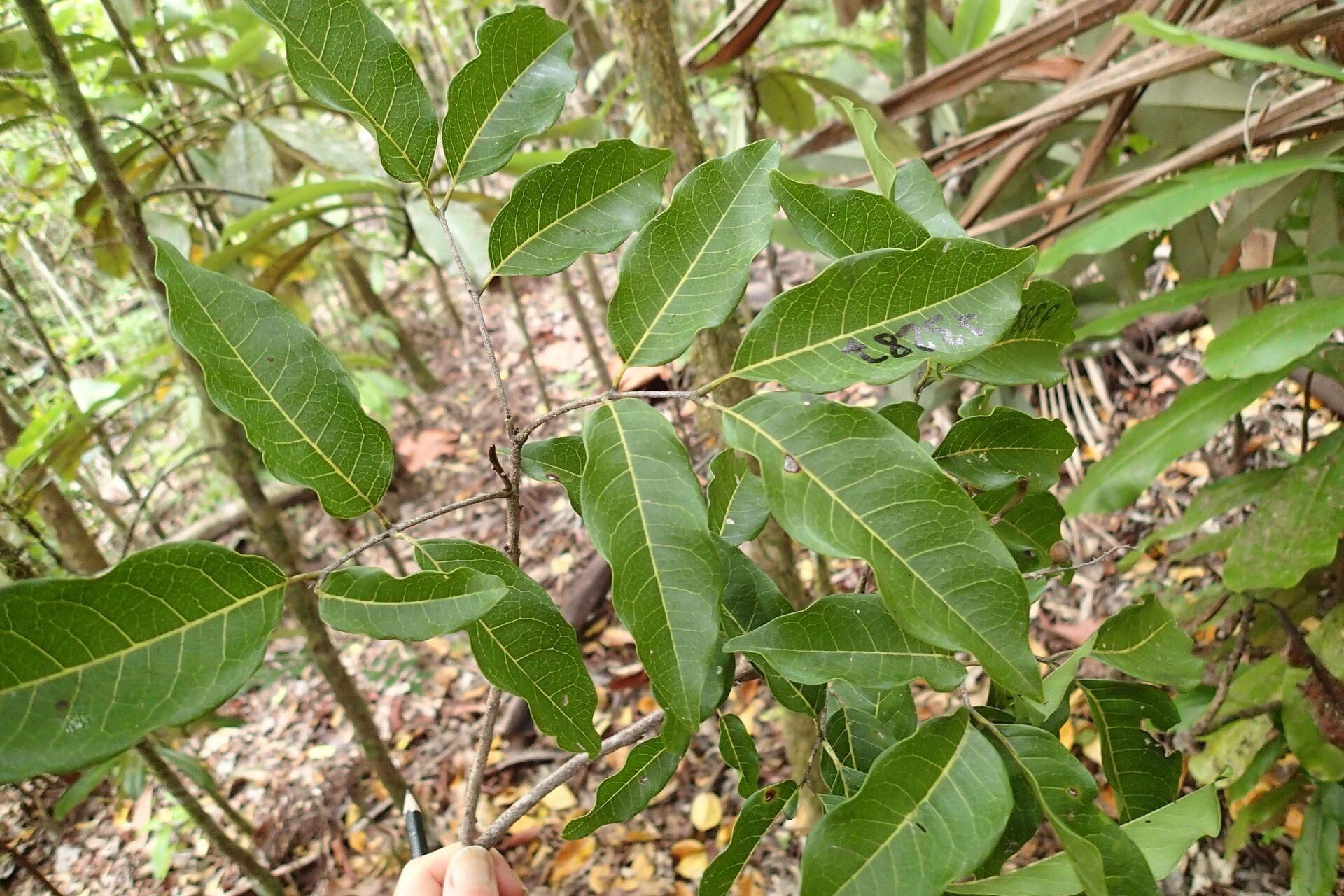
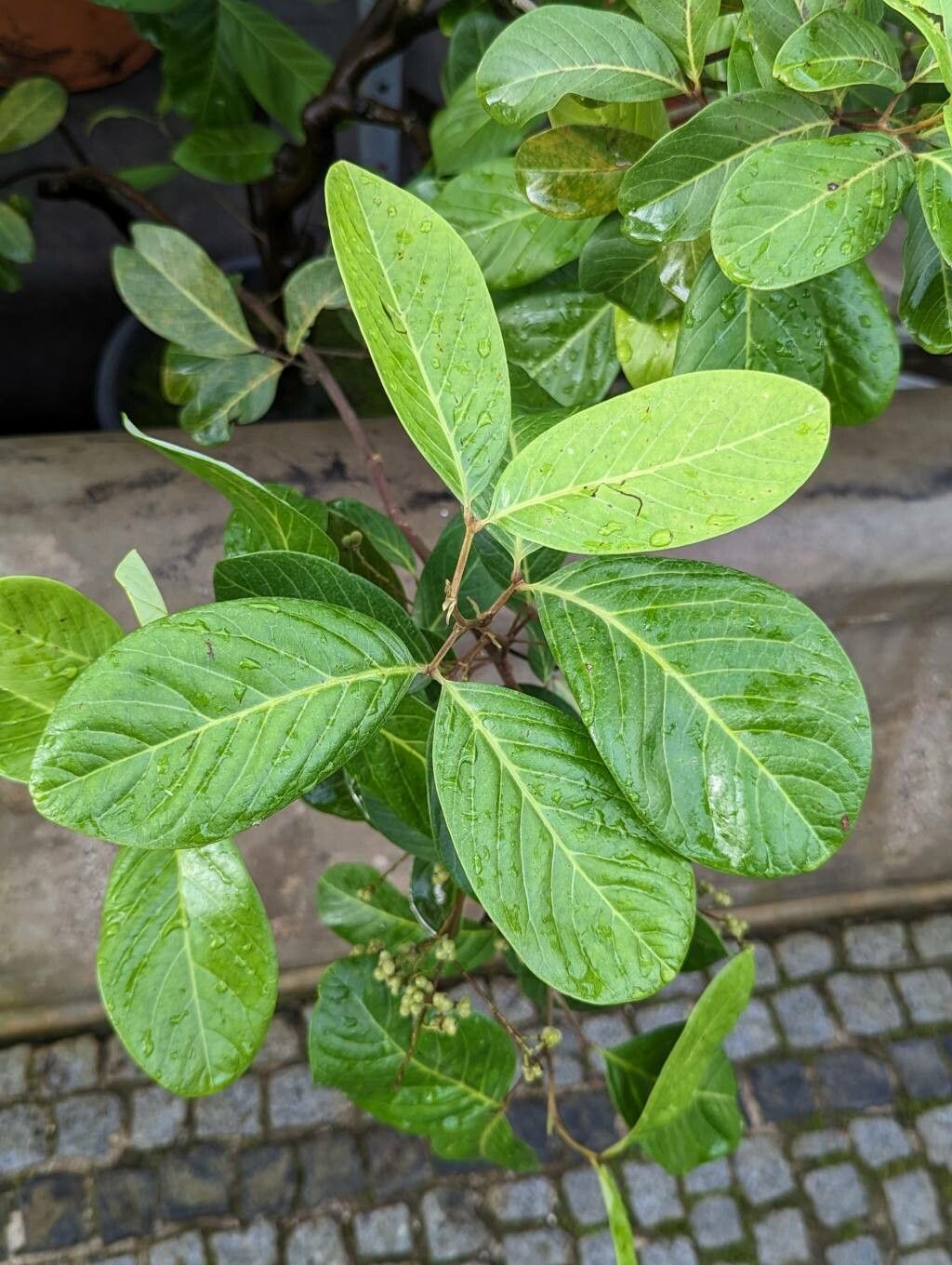
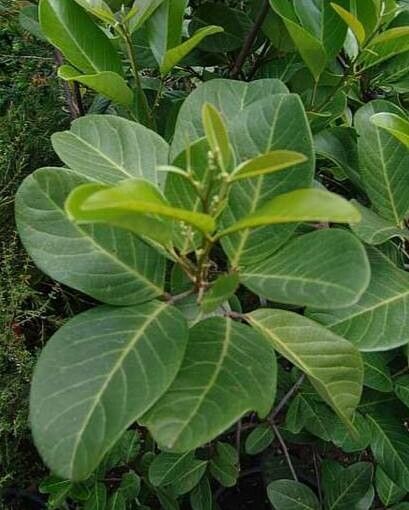
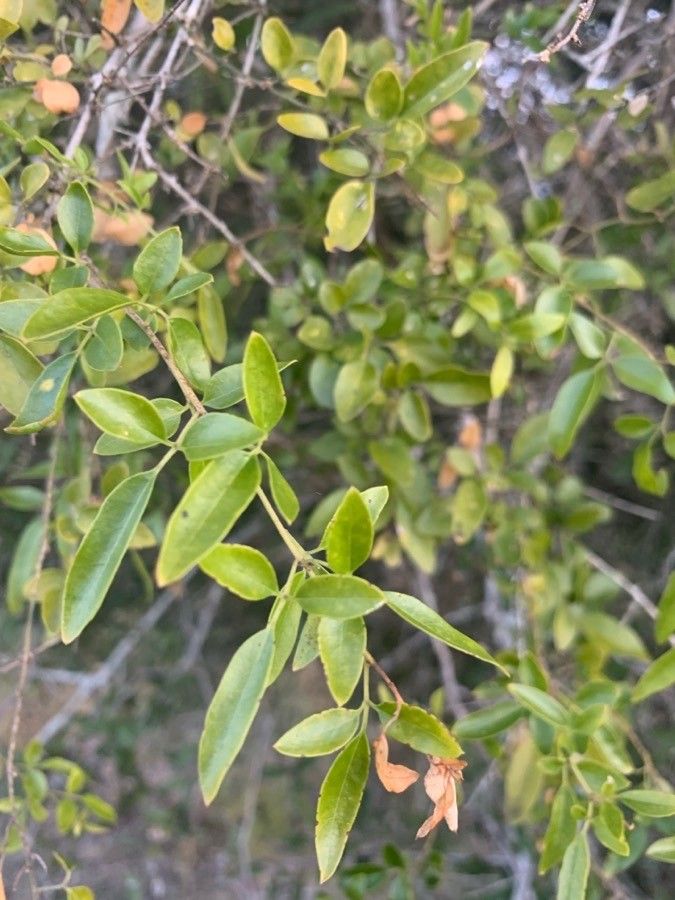
Alectryon excelsus, commonly known as titoki (Māori: tītoki), is a shiny-leaved tree native to New Zealand, where it occurs in coastal and lowland forests. It is found throughout most of the North Island and from Banks Peninsula to central Westland in the South Island. The tree was formerly known as New Zealand oak, but as with most New Zealand native trees, the Māori name is now more common in English.
New Zealand oak is disease-resistant and typically not susceptible to illnesses. Care-wise, this plant is fairly low maintenance. When grown outdoors it needs only light watering, and larger specimens usually do not need pruning. However, smaller specimens should be pruned after they finish flowering. New Zealand oak is suitable for anyone who has an outdoor area, such as a garden or deck, and it does not demand much gardening experience.
How to keep Alectryon Excelsus.
Light
New Zealand oak flourishes with abundant light, which supports healthy growth and vitality. Its native habitat features plenty of light that encourages its development. However, it also tolerates locations with only moderate light levels. Too much or too little light can stress the plant and potentially affect its wellbeing.
Water
The New Zealand oak thrives in its native environment, which features periodic moisture and consistent humidity, along with occasional drying intervals. To mimic its natural cycle, water the plant once every two weeks. As a deciduous species, the New Zealand oak sheds its leaves seasonally to conserve moisture during dry periods.
Temperature
New Zealand oak is indigenous to temperate regions and requires temperatures of 68 to 95 °F (20 to 35 ℃). Small adjustments in care can help it withstand shifts in seasonal temperatures.
Fertilizer
Fertilize your New zealand oak in early spring to encourage healthy growth. Regular feeding improves overall health, producing vigorous growth, greater resilience to harsh conditions, and enhanced resistance to pests and diseases. Keep a consistent fertilization schedule for your New zealand oak to maintain vibrant, deeply colored foliage and a lush appearance.
Pruning
New Zealand oak benefits greatly from pruning, especially when techniques like removing dead branches and thinning for improved airflow are employed. The best time to prune is from early to late winter, when the trees are dormant. Making clean cuts during pruning helps prevent disease and enhances the tree's health, growth, and structural integrity.
Botanical profile.
- Plant Type
- Tree
- Life Cycle
- Perennial
- Genus
- Alectryon
- Family
- Sapindaceae
- Hardiness Zone
- 9
- Mature Height
- 9.14 m
- Mature Spread
- 3.96 m to 4.88 m
- Leaf Color
- Dark Green
- Leaf Type
- Evergreen
- Flower Color
- Purple
- Flower Size
- 2.54 cm
- Bloom Time
- Late fall, Early winter, Mid winter
- Planting Time
- Spring, Summer, Autumn
- Harvest Time
- Spring
Other names.