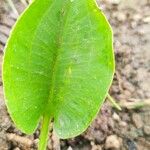
Alisma triviale
Northern water-plantain · American water plantain
Description
Source: leafsnapAlisma triviale, the northern water plantain, is a perennial semi-aquatic or aquatic plant in the water-plantain family (Alismataceae).
🎭 Recovery, Defense, Power
Care Guide
💧 Water
The northern water plantain flourishes in consistently moist, high-humidity environments. It prefers wet soil and can tolerate temporary flooding. To maintain the necessary moisture levels, it requires weekly watering. Typically grown outdoors, the northern water plantain is perfect for water gardens and rain gardens that focus on sustainable water management.
☀️ Light Full sun
Northern water plantain grows best when given full sunlight. Because it normally does well in abundant light, it can tolerate increased illumination without harm. Conversely, decreased light exposure can result in stunted growth or weakened plants, as it does not adapt well to reduced sunlight.
What are the sunlight requirements for Northern water plantain?
Northern water plantain requires above 6 hours of sunlight, thriving significantly under unobstructed solar exposure. It's essential to choose spots that offer the right balance of light and shade, as the plant prospers in plentiful light environments. It can handle increased illumination without issues but may exhibit stunted growth or weaker vegetation under reduced light conditions. If natural sunlight is insufficient, especially in winter or less sunny spaces, artificial lighting can provide a vital solution. For optimal growth indoors, LED lights are recommended, needing to provide between 10-50W/sq ft depending on the plant's natural sunlight needs, placed 12-36 inches above the plant and for a duration that mimics natural daylight hours, usually 8-12 hours per day.
What symptoms indicate inadequate lighting for Northern water plantain?
When Northern water plantain is exposed to inadequate lighting, it may display several symptoms. These include smaller new leaves, a leggy or sparse growth appearance, faster leaf drop, slower or no new growth, lighter-colored new leaves, chlorosis (leaf yellowing), sunscald, leaf curling, wilting, and leaf scorching. These symptoms can vary from signs of insufficient light to overexposure. For instance, chlorosis, sunscald, leaf curling, wilting, and leaf scorching are signs of too much direct sunlight, whereas small leaves, sparse growth, quick leaf drop, and reduced growth pace indicate low light conditions.
How can I address lighting issues for Northern water plantain?
To address lighting issues for Northern water plantain, consider several solutions based on the plant's location (indoor, outdoor, or ground). Indoors, gradually increase sunlight exposure by moving the plant to a sunnier spot each week until it receives at least 6 hours of sunlight daily, utilizing a south-facing window. If necessary, use artificial lighting, like a desk lamp or plant grow lights, for at least 8 hours daily. Outdoors, similarly, adapt your plant gradually to brighter conditions to avoid sunburn. Ground plants benefit from reducing obstructions like pruning trees that block sunlight or transplanting to a brighter location during the plant's dormant period for ample sunlight and better growth. Unfortunately, parts of the plant that suffered from inadequate light may not recover, but new growth should be healthy with improved light conditions.
🌡️ Temperature 5–35°C
Northern water plantain naturally occurs in regions where temperatures range from 41 to 95 °F (5 to 35 ℃). It favors moderate temperatures and grows best within that range.
What is the optimal temperature range for Northern water plantain?
Northern water plantain is indigenous to areas where temperatures range from 41°F to 95°F (5°C to 35°C). It has a preference for moderate temperatures and thrives best within these parameters. The plant exhibits strong cold resistance, which makes it adaptable to a wide range of climates without requiring special frost protection measures. However, attention should be given to ensure its survival and optimal growth within its preferred temperature range.
How to protect Northern water plantain from extreme cold?
Northern water plantain possesses strong cold resistance, meaning special frost protection measures are typically unnecessary. But, in instances where winter temperatures are expected to plummet below -25°C, it's crucial to safeguard the plant against the cold. This can be done by covering the plant with insulating materials, such as soil or straw. Additionally, watering the plant abundantly before the first freeze of autumn to maintain moist soil can prevent drought and water scarcity, aiding the plant's survival through winter and into early spring.
What should I do if Northern water plantain is exposed to low temperatures?
During winter, if temperatures are kept above -20°C, Northern water plantain generally remains cold-tolerant. However, when temperatures drop below -25°C, there might not be visible changes during the winter, but issues like decreased sprouting or no sprouting at all could arise by springtime. In such cases, removing parts that have failed to sprout in spring is advisable. This can help the plant recover and potentially sprout new growth as temperatures become more favorable.
How does high temperature affect Northern water plantain, and what are the solutions?
In summer, it's crucial to ensure that the temperature surrounding Northern water plantain remains below 35°C. Exposure to temperatures exceeding 41°C can cause the leaves to lighten in color, curl up, and become prone to sunburn. In severe cases, the plant may wilt and dry out completely. To mitigate these effects, trim away any sunburned and dried parts of the plant, relocate it to a shaded area, or use a shade cloth to protect it from the midday and afternoon sun. Additionally, watering the plant in the morning and evening to maintain soil moisture can help prevent heat stress.
💨 Humidity
🪴 Soil
🌱 Fertilizer
🪴 Pot & Repot
✂️ Pruning
Northern water plantain is an aquatic perennial plant known for its broad, lance-shaped leaves and delicate white flowers. To promote healthy growth, improve water circulation, and control its spread, it is best to prune the plant from early to late spring. During this time, remove any dead foliage and thin out dense clusters.
🌿 Propagating
🐛 Diseases & pets
☠️ Toxicity
Characteristics
- Plant Type
- Herb
- Life Cycle
- Perennial
- Genus
- Alisma
- Family
- Alismataceae
- Hardiness Zone
- 5-10
- Mature Height
- 30 cm to 91 cm
- Mature Spread
- 46 cm
- Leaf Color
- Green, Light Green
- Leaf Type
- Deciduous
- Flower Color
- White
- Flower Size
- 2.54 cm
- Bloom Time
- Summer
- Planting Time
- Spring, Summer
- Harvest Time
- Late summer, Early fall, Mid fall