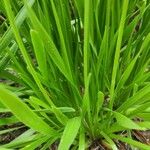
Allium angulosum
Mouse garlic · Chives · Wild chives · Angle onion
Description
Source: leafsnapAllium angulosum, the mouse garlic, is a species of garlic native to a wide region of central Europe and northern Asia, from France and Italy to Siberia and Kazakhstan.Allium angulosum is a perennial herb up to 50 cm tall. Bulbs are narrow and elongated, about 5 mm in diameter. The plant produces a hemispherical umbel of small pink flowers on long pedicels.
🌳 Although best known for its culinary uses, garlic chives also play an important role in environmental phytoremediation. Notably, the plant’s capacity to absorb heavy metals enables it to act as an effective natural cleanser for contaminated soils, making garlic chives valuable in ecological restoration projects.
🎭 Safeguarding, Restoration, Exorcism
Care Guide
💧 Water
Mouse garlic flourishes in moist, temperate climates and needs consistent watering—ideally on a weekly basis—without becoming waterlogged. It is best grown outdoors where it can benefit from natural rainfall. During the growing season, keeping the soil uniformly moist is essential for strong growth and the possibility of flowering.
How should I water my Mouse garlic?
To properly care for Mouse garlic, it's important to use filtered water at room temperature or slightly warmer. Tap water may have harmful particles, so filtered water is preferred. Mouse garlic is accustomed to warm environments, so cold water could be a shock. Avoid overhead watering to prevent foliage problems. Instead, thoroughly saturate the soil with filtered, room temperature water. This helps the roots stay moist and spread through the soil to gather nutrients.
What should I do if I give my Mouse garlic too much water or not enough water?
Overwatering is a common issue that can harm your Mouse garlic plant. It can cause wilting, yellowing leaves, and can lead to diseases like root rot, mold, and mildew. These diseases can be fatal to your plant if not addressed promptly. Underwatering is less likely to occur with Mouse garlic, as it has good drought tolerance. However, if underwatering does happen, you may notice brittle, brown leaves. It's important to recognize the signs of overwatering early and reduce watering immediately. If your soil has poor drainage, replace it with a well-draining potting mix. If you notice signs of underwatering, simply water more regularly until the signs improve.
How much should I water my Mouse garlic?
If your Mouse garlic is planted in a pot, the most precise way to determine if it needs water is by checking the soil. Simply stick your finger into the soil and if the top two to three inches feel dry, it's time to water. If you have your Mouse garlic planted outdoors in the ground, you can use the same method. When the top few inches of soil are dry, it's time to water. Generally, you'll need to water this plant once a week during spring and early fall. However, during extremely hot weather, you may need to water it twice or more per week. It's worth noting that mature, well-established Mouse garlic plants have a remarkable ability to withstand drought.
How much water does my garlic plant need?
When you need to water your Mouse garlic, don't hold back on the amount of water you provide. Make sure the top two to three inches of soil are dry, and then give the plant a thorough watering. It's important to completely soak the soil, and you should add enough water so that it drains out through the holes at the bottom of the pot. If you don't see excess water draining, it means you haven't watered enough. However, be careful not to let water accumulate in the soil, as this can harm the plant. On the other hand, if water doesn't drain properly, it could indicate poor soil drainage, which is bad for the plant's health. If the plant is outside, it should receive about 1 inch of rain per week.
How do I water my Mouse garlic when it is growing at different stages?
The water needs of Mouse garlic can vary throughout its growth stages. Initially, when the plant is young or has just been transplanted, it requires more water to establish itself and develop strong roots. During these stages, extra moisture is crucial for optimal root growth. However, as the plant matures, its water requirements decrease. Another growth stage that necessitates increased watering is the bloom period, as flower development requires ample moisture. Therefore, during this time, you may need to provide Mouse garlic with additional water.
☀️ Light Full sun
Garlic chives, as a plant, prefers abundant natural light while also benefiting from some shade. Although it can tolerate reduced light, insufficient sunlight can impede healthy development, resulting in stunted growth and diminished nutritional quality. Native to sun-rich habitats, garlic chives effectively captures light for photosynthesis and growth throughout its life cycle.
What are the sunlight requirements for Mouse Garlic?
Mouse garlic, botanically known as Allium angulosum, is a perennial herbaceous plant that thrives in full sunlight conditions, requiring above 6 hours of sunlight daily. However, it can also adapt to partial sun environments, where it receives about 3-6 hours of sunlight. It's essential to observe your garden's sun patterns to choose the best spots that offer a perfect balance of light and shade, catering to the plant’s needs and ensuring its health and happiness.
How does Mouse Garlic react to artificial lighting?
In scenarios where natural sunlight is insufficient, especially during winter or in less sunny indoor spaces, artificial lighting becomes crucial for Mouse Garlic's growth. Indoor plants can benefit significantly from artificial lights, which support faster, healthier growth by providing vital light conditions. LED lights are recommended due to their ability to offer specific light wavelengths needed by the plant. The intensity of artificial light should range between 30-50W/sq ft for full sun plants and 20-30W/sq ft for partial sun plants, positioned 12-36 inches above the plant to mimic natural sunlight, with 8-12 hours of light per day to promote optimal growth.
What are the symptoms of incorrect lighting for Mouse Garlic?
When Mouse Garlic is exposed to inadequate lighting, several symptoms may manifest, including smaller new leaves, leggy or sparse growth, faster leaf drop, slower or halted growth, lighter-colored new leaves, chlorosis, sunscald, leaf curling, wilting, and leaf scorching. Each symptom reflects the plant's struggle with incorrect light conditions, ranging from insufficient light hindering growth and causing paleness, to excessive light causing damage like sunscald and leaf scorching.
What solutions can be applied to address Mouse Garlic's lighting issues?
To address lighting issues for Mouse Garlic, gradual adaptation to sunlight is key. For indoor plants, progressively move them to sunnier spots or use artificial light to ensure at least 6 hours of direct sunlight daily, keeping them near south-facing windows or under plant grow lights for at least 8 hours. Outdoors, plants should be gradually introduced to sunnier locations to avoid sunburn. Pruning obstructions like trees can increase sunlight exposure. When dealing with insufficient sunlight, consider transplanting smaller plants to sunny areas with good drainage during their dormant period, usually late winter or early spring, ensuring new growth will be healthy. Note that parts of the plant that have suffered due to poor light may not recover, but new growth should flourish under improved conditions.
🌡️ Temperature 0–35°C
Garlic chives come from areas with temperate climates. They grow best in temperatures from 32 to 95℉ (0 to 35℃). In hot summer periods, it's advisable to give the plants some shade and water them regularly to help them cope. In colder times, applying mulch to the soil can help stabilize temperature and protect the roots.
What is Mouse Garlic?
Mouse garlic, known botanically as Allium angulosum, is a plant species without further details provided in the data. For information on its essentials, symptoms of interest, or any additional insights, there were no entries specified.
💨 Humidity
🪴 Soil 6-7
🌱 Fertilizer
To maximize the yield and flavor of garlic chives, supply ample nitrogen throughout the entire growth cycle, including before planting and at harvest. Plants that are well watered and fertilized produce plentiful, healthy leaves and have less bitterness. Before planting, enrich the soil with organic matter such as compost or manure, ideally 2 to 8 weeks beforehand.
🪴 Pot & Repot
Repot Garlic chives in early spring. Choose a pot that is wider than it is deep and has good drainage. Use a loamy, well-draining potting mix amended with compost. Gently remove old soil from the bulb and plant it at a depth equal to the bulb’s height. Water thoroughly after repotting and place the pot in a sunny spot. Avoid overwatering to prevent the bulb from rotting.
✂️ Pruning
Mouse garlic is characterized by its slender, aromatic leaves and pinkish flowers, and it requires little maintenance. To encourage denser growth and more blooms, prune the plant from late winter to early spring by removing spent flowers and any damaged leaves. Be sure to use sterilized tools to prevent disease and promote the plant's health.
🌿 Propagating
🐛 Diseases & pets
☠️ Toxicity
Characteristics
- Plant Type
- Herb
- Life Cycle
- Perennial
- Genus
- Allium
- Family
- Amaryllidaceae
- Hardiness Zone
- 3-10
- Mature Height
- 40 cm
- Mature Spread
- 30 cm
- Leaf Color
- Green
- Leaf Type
- Deciduous
- Flower Color
- White
- Flower Size
- 2.54 cm
- Bloom Time
- Mid summer, Late summer
- Planting Time
- Spring, Winter, Summer, Autumn
- Harvest Time
- Late summer, Early fall
- Native Area
- China