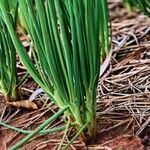
Allium ascalonicum
Wild onion · Bhâbâng mèra · Shallot · Potato onion
Description
Source: leafsnapAllium ascalonicum, commonly known as the shallot, is a bulbous plant that belongs to the onion family. This perennial plant can grow up to 30 cm in height and produces small bulbs used in culinary applications. The shallot has long, narrow leaves and blooms with small pink or white flowers during the summer. Native to Central Asia, the shallot has been cultivated for thousands of years across Europe and Asia. It is particularly prominent in French cuisine, where it imparts a sweet, mild onion flavor to various dishes. The bulbs of Allium ascalonicum are nutritious, packed with vitamins A and C, potassium, calcium, iron, and dietary fiber. They also contain antioxidants, which help protect against cancer-causing free radicals. Beyond its culinary uses, Allium ascalonicum has medicinal benefits due to its anti-inflammatory properties. Regular consumption has been shown to reduce inflammation associated with arthritis. Overall, Allium ascalonicum, or shallots, play a significant role in many cuisines worldwide due to their unique flavor profile. They are an essential ingredient in various dishes and offer numerous health benefits when included in the diet regularly.
Care Guide
💧 Water
☀️ Light Full sun
🌡️ Temperature 5–32.2°C
💨 Humidity
🪴 Soil 6-7
🌱 Fertilizer
🪴 Pot & Repot
✂️ Pruning
🌿 Propagating
🐛 Diseases & pets
☠️ Toxicity
Characteristics
- Plant Type
- Herb
- Life Cycle
- Perennial
- Genus
- Allium
- Family
- Amaryllidaceae
- Hardiness Zone
- 4-8
- Mature Height
- 30 cm to 49 cm
- Mature Spread
- 15 cm to 25 cm
- Leaf Color
- Green, Dark Green
- Leaf Type
- Deciduous
- Flower Color
- Lavender, White
- Flower Size
- 2.03 cm to 3.05 cm
- Bloom Time
- Early summer, Mid summer
- Planting Time
- Spring, Summer, Autumn
- Harvest Time
- Late summer, Early fall
- Native Area
- Saudi Arabia, Libya, Egypt, Turkey, Israel