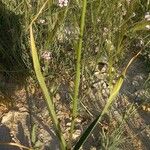
Allium atroviolaceum
پیاز بنفش · Elephant Garlic · Great-Headed Garlic · Wild leek · Broadleaf wild leek
Description
Source: leafsnapAllium atroviolaceum, commonly known as the dark purple onion, is a species of flowering plant in the Allium genus. Native to Central Asia, it can be found in countries such as Kazakhstan, Kyrgyzstan, and Uzbekistan. The plant typically reaches a height of 30-60 cm and produces spherical clusters of dark purple flowers that bloom from June to July. The leaves of Allium atroviolaceum are long, narrow, and bluish-green in color. The bulbs, though small, are flavorful and have a strong onion taste, making them a popular choice in cooking. Allium atroviolaceum thrives in well-drained soil and can be grown in full sun or partial shade. It can be propagated from seeds or by dividing the bulbs during the dormant season. In traditional medicine, Allium atroviolaceum has been used for its antibacterial properties and as an anti-inflammatory agent to treat various ailments such as respiratory infections and digestive disorders. Overall, Allium atroviolaceum is an attractive ornamental plant that offers culinary uses and potential health benefits due to its medicinal properties.
Care Guide
💧 Water Every 7 days
Broad-leaf wild leek thrives on rocky slopes, striking a balance between moisture and drought due to its moderate drought tolerance. For optimal growth, it requires regular weekly watering. In rocky garden settings, this outdoor plant benefits greatly from rainwater, which supports natural hydration and contributes to a healthier growing season.
How should I water my Broad-leaf wild leek plant to make it grow best?
To properly water the Broad-leaf wild leek, use filtered water at room temperature. Tap water can harm the plant due to potentially harmful particles. The plant prefers slightly warm water since it originates from warm environments. Avoid overhead watering as it can affect the foliage. Instead, apply filtered room temperature water directly to the soil until it is completely soaked. This method helps the roots stay moist and spread through the soil to collect necessary nutrients.
What should I do if I give too much or too little water to my Broad-leaf wild leek?
Both overwatering and underwatering can harm the health of your Broad-leaf wild leek, but overwatering is more commonly problematic. When this plant gets too much water, its stems and leaves wilt and turn yellow. Overwatering for an extended period can also cause diseases like root rot, mold, and mildew, which can be fatal. Underwatering is less likely with the Broad-leaf wild leek, as it can tolerate drought well. However, it is still possible, and in such cases, the leaves may become brittle and brown. It's important to recognize signs of overwatering early when caring for your Broad-leaf wild leek. Some diseases caused by overwatering, like root rot, may become irreversible if not addressed promptly. If you notice early signs of overwatering, reduce your watering immediately. Additionally, check the soil quality where your Broad-leaf wild leek grows. If the soil drains poorly, replace it with a loose, well-draining potting mix. Conversely, if your plant shows signs of not receiving enough water, simply water it more regularly until those signs disappear.
How often do I need to water my Broad-leaf wild leek plant?
To determine if your Broad-leaf wild leek needs water, check the soil moisture by placing your finger in it. If the top two to three inches of soil is dry, it's time to water your potted plant. For those growing the leek in the ground, the same method applies. When the first few inches of soil have dried out, it's time to water. Typically, during spring and early fall, watering once a week is sufficient. However, in extremely hot weather, watering may need to be increased to twice a week or more. It's worth noting that mature, well-established Broad-leaf wild leeks have a remarkable ability to withstand drought.
How much water does my Broad-leaf wild leek require?
To maintain the health of your Broad-leaf wild leek, make sure you water it generously. If the top few inches of soil are dry, give it a good, lengthy watering until the soil is thoroughly soaked. It's important to add enough water so that it drains through the pot's drainage holes. If you don't see any excess water draining, you may not have given enough water. However, be cautious not to let the water accumulate in the soil, as this can harm the plant. Additionally, if water doesn't drain properly through the pot, it could mean that the soil doesn't drain well, which is harmful to the plant's health. When the plant is outdoors, receiving around 1 inch of rainfall per week should be enough.
How do I water my Broad-leaf wild leek plant as it grows?
The water needs of the Broad-leaf wild leek can vary depending on its growth stages. In the first few years of its life or after being transplanted, it requires more water than usual. This is because during these stages, the plant focuses on developing new roots to support future growth, which requires more moisture. As the plant matures, it will require less water. Additionally, during the bloom period, the plant may need additional water as flower development requires a significant amount of moisture.
☀️ Light Full sun
Broad-leaf wild leek is a sun-loving, perennial herbaceous plant native to open habitats, commonly occurring in meadows and grasslands. It prefers full sun but can also tolerate partial sun conditions.
What are the sunlight requirements for Broad-leaf wild leek?
Broad-leaf wild leek is a perennial herbaceous plant that prefers full sun, benefiting from more than 6 hours of sunlight daily. However, it is also capable of thriving in partial sun conditions, which means it can grow well with about 3-6 hours of sunlight. It's important to monitor the sunlight's movement through your garden to find the ideal location that offers a suitable balance of light and shade, ensuring the plant's health and growth.
Can Broad-leaf wild leek be grown indoors, and what are the artificial lighting requirements?
Yes, Broad-leaf wild leek can be grown indoors under certain conditions. Indoor plants require adequate lighting, especially when natural sunlight is insufficient. During winter or in less sunny spaces, artificial lights can support optimal growth. LED lights are recommended due to their ability to provide specific wavelengths required by plants. Full sun plants need 30-50W/sq ft, partial sun plants 20-30W/sq ft, and full shade plants 10-20W/sq ft of artificial light. The light source should be placed 12-36 inches above the plant, mimicking natural sunlight. Furthermore, adjusting the light duration to replicate the natural daylight hours, typically between 8-12 hours per day, is crucial for the plant's development.
What are the symptoms of light deficiency in Broad-leaf wild leek?
When Broad-leaf wild leek is subject to inadequate lighting, several symptoms may occur. These include smaller new leaves, leggy or sparse growth, and a faster rate of leaf drop. The plant may also exhibit slower or no new growth, and new leaves might show lighter colors or irregular patterns, indicating a lack of chlorophyll and essential nutrients. Additionally, chlorosis can cause the plant's leaves to lose their green color and turn yellow, while sunscald results in pale, bleached, or necrotic areas on the plant tissue. Other symptoms like leaf curling defend against excessive sunlight by minimizing water loss, whereas wilting and leaf scorching signify stress from overexposure to sunlight.
How can you address light deficiency or excessive sunlight exposure for Broad-leaf wild leek?
To mitigate issues of light deficiency or excessive sunlight exposure for Broad-leaf wild leek, several strategies can be implemented. Indoors, gradually move plants to sunnier locations each week until they receive at least 6 hours of direct sunlight daily, utilizing south-facing windows for maximum exposure. If moving the plant is not feasible, supplementary artificial light, such as desk or grow lights, can be used for at least 8 hours daily. Outdoors, similarly, adapt plants gradually to sunnier spots to prevent sunburn. This transition allows plants to adjust without experiencing sudden changes in light intensity. Additionally, consider reducing obstructions like pruning trees that block sunlight or transplant smaller plants during their dormant period to a location with better sunlight and drainage. These approaches can help ensure new growth is healthy, even though parts of the plant previously affected may not recover.
🌡️ Temperature 5–35°C
Broad-leaf wild leek can tolerate a wide span of temperatures, but its occurrence may still be restricted by different combinations of moisture and heat. It performs best in warm summer conditions with enough rainfall or watering. Extended stretches of cloudy, rainy weather and prolonged high temperatures can increase the chance of Broad-leaf wild leek dying. In winter, adequate protection from cold can raise the plant's survival rate.
What is the botanical name of Broad-leaf wild leek?
The botanical name of Broad-leaf wild leek is Allium atroviolaceum.
💨 Humidity
🪴 Soil 6-7
🌱 Fertilizer
Fertilize a Broad-leaf wild leek in early spring, as it comes out of dormancy and begins active growth. Fertilizing supplies essential nutrients for healthy development. Although Broad-leaf wild leek has relatively low fertilizer requirements, applying fertilizer annually can improve its survival and encourage better, longer-lasting flowers.
Why should I put plant food on my Broad-leaf wild leek?
The main structure of the Broad-leaf wild leek is made up of its leaves. To ensure that these leaves look great and function properly, fertilization plays a key role. Proper fertilization helps the Broad-leaf wild leek maintain consistent color and a healthy texture in its leaves. Additionally, fertilization also has benefits below the soil's surface. It helps the plant generate new roots and maintain its existing root system. This not only keeps the plant healthy in the present but also improves its ability to absorb nutrients from the soil in the future.
When should I fertilize my Broad-leaf wild leek?
If you are growing your Broad-leaf wild leek outdoors, it will sprout new growth in early spring. This is a signal that it's time to start fertilizing for the year. Normally, one application of fertilizer is sufficient, but if you want to maximize growth, you can feed it multiple times throughout the spring and early summer. In this case, feed the plant approximately once every month to a month and a half.
When is not a good time to add fertilizer to my Broad-leaf wild leek?
During late fall and winter, your Broad-leaf wild leek goes into a dormant phase and stops producing new growth. It's important to avoid fertilizing it during this time. In spring and summer, if you choose to fertilize, start reducing the amount as summer approaches because the growth rate of your Broad-leaf wild leek will also slow down. It's never a good idea to fertilize when the weather is unusually hot or when the soil is extremely dry, as this can stress your plant and cause it to die prematurely.
What kind of fertilizer should I use for my Broad-leaf wild leek?
Choosing the best fertilizer for a Broad-leaf wild leek is thankfully a straightforward task. These plants thrive on a general-purpose garden fertilizer with equal amounts of nitrogen, phosphorus, and potassium, like a 10-10-10 ratio. Avoid fertilizers high in nitrogen if unsure. Granular fertilizers in a slow-release form are recommended for easy application to the soil. Additionally, feeding the Broad-leaf wild leek with organic soil amendments such as compost can be beneficial.
How can I make my Broad-leaf wild leek grow better?
To ensure optimal growth of your Broad-leaf wild leek, wait until the first leaves just emerge in early spring. Once you see this, apply a granular slow-release fertilizer with a balanced formula to the surrounding soil at the base of the plant. If desired, you can repeat this process later in the season. Remember to apply the fertilizer to the soil and not directly on the plant, which may require moving some leaves aside. It's also beneficial to water the plant before and after fertilizing.
🪴 Pot & Repot
For Broad-leaf wild leeks to thrive in pots, excellent drainage is essential. Good drainage prevents root rot and helps the plant grow healthily by ensuring it gets the right amount of moisture without becoming waterlogged.
✂️ Pruning
Broad-leaf wild leek features broad leaves and violet flowers. To maintain the plant's health and appearance, prune from early to late spring. Begin by removing any damaged leaves, then trim the flower stalks after they have bloomed. This practice helps enhance the plant's vigor and shape, improves air circulation, and lowers the risk of disease. Always use sharp tools for pruning to ensure the plant remains healthy.
🌿 Propagating
🐛 Diseases & pets
☠️ Toxicity
Characteristics
- Plant Type
- Herb
- Life Cycle
- Perennial
- Genus
- Allium
- Family
- Amaryllidaceae
- Hardiness Zone
- 4-9
- Mature Height
- 61 cm to 91 cm
- Mature Spread
- 30 cm to 49 cm
- Leaf Color
- Dark Green
- Leaf Type
- Deciduous
- Flower Color
- Purple
- Flower Size
- 3.05 cm to 5.08 cm
- Bloom Time
- Early summer, Mid summer
- Planting Time
- Spring, Summer, Autumn
- Harvest Time
- Late summer, Early fall
- Native Area
- Saudi Arabia, Tajikistan, Turkey, Montenegro, Bulgaria, Armenia, Greece, Croatia, Ukraine, Serbia, Uzbekistan, Russia, Afghanistan, Hungary, Iraq, Italy, Kazakhstan, Iran, Azerbaijan, Romania, Turkmenistan