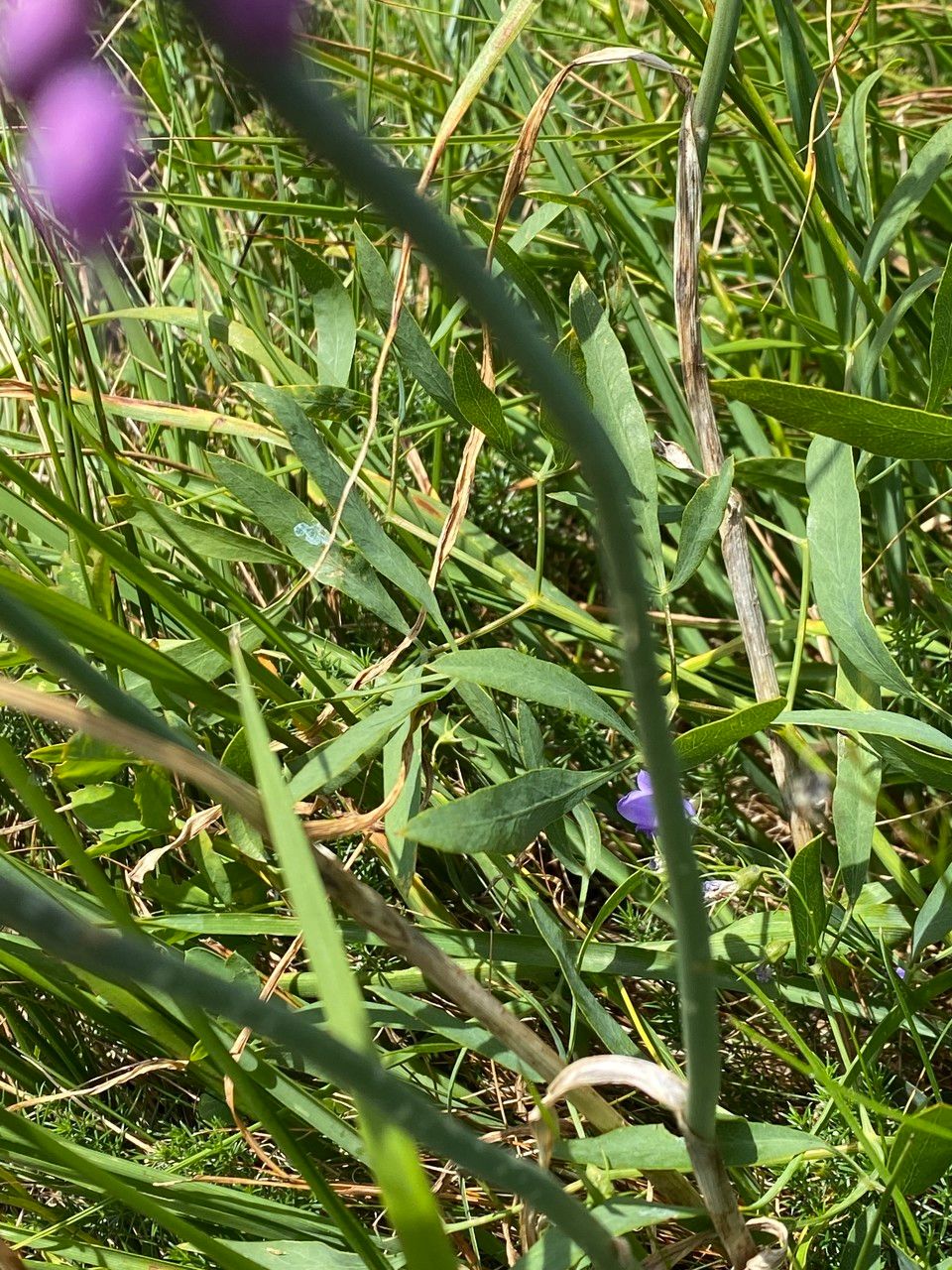
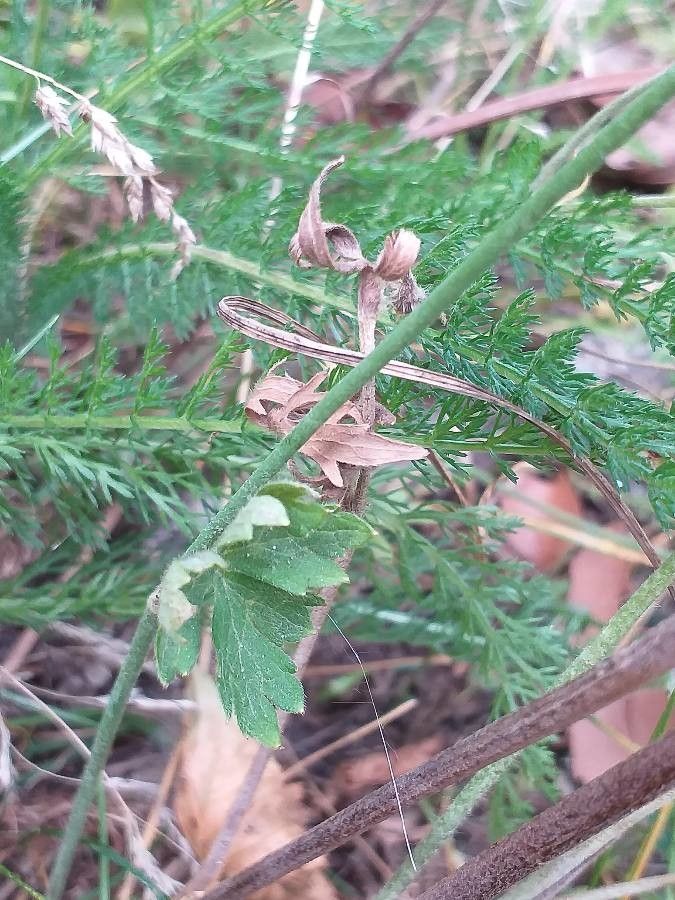
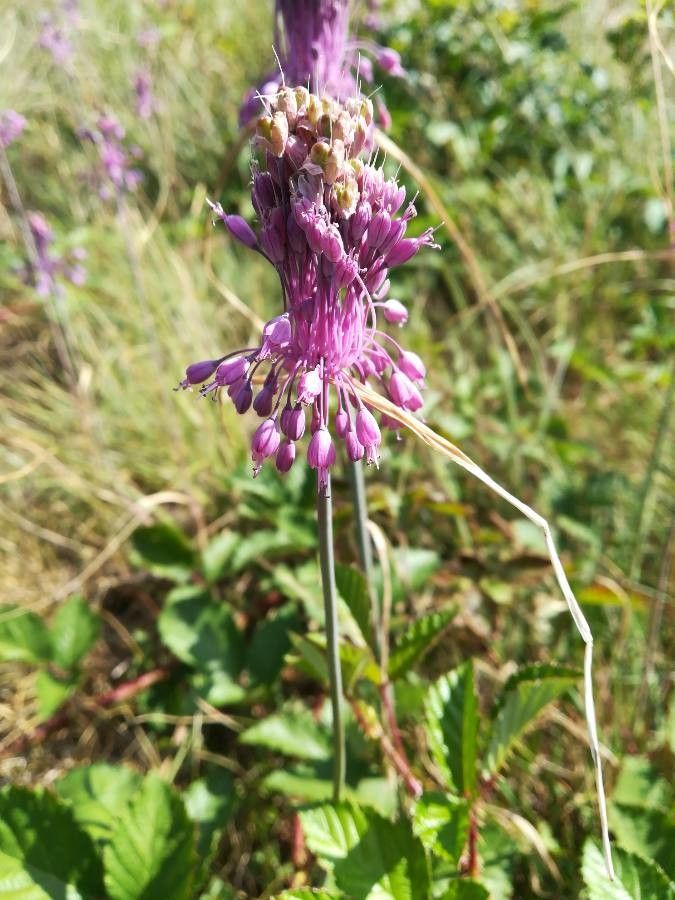
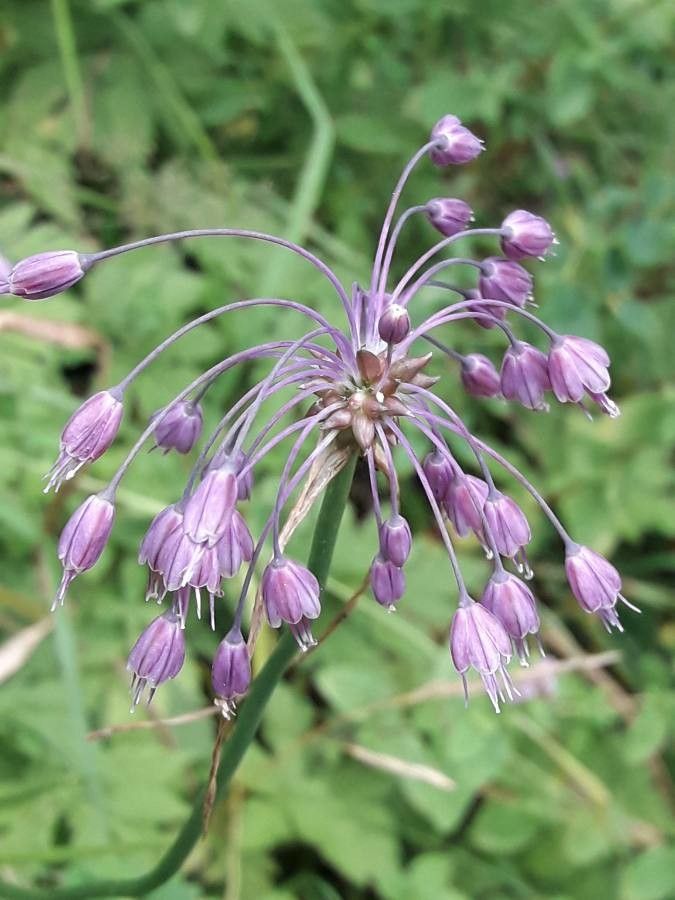
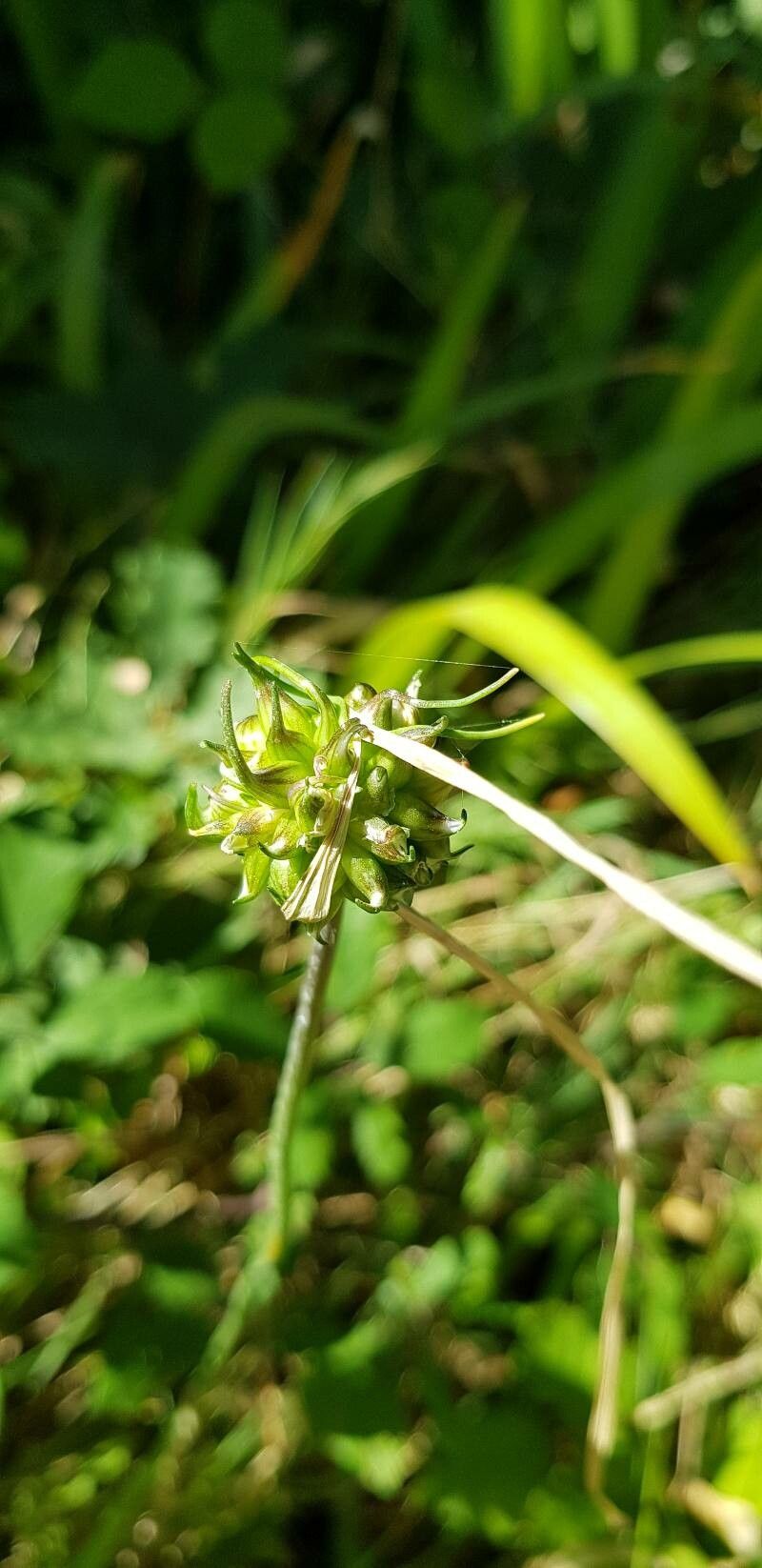
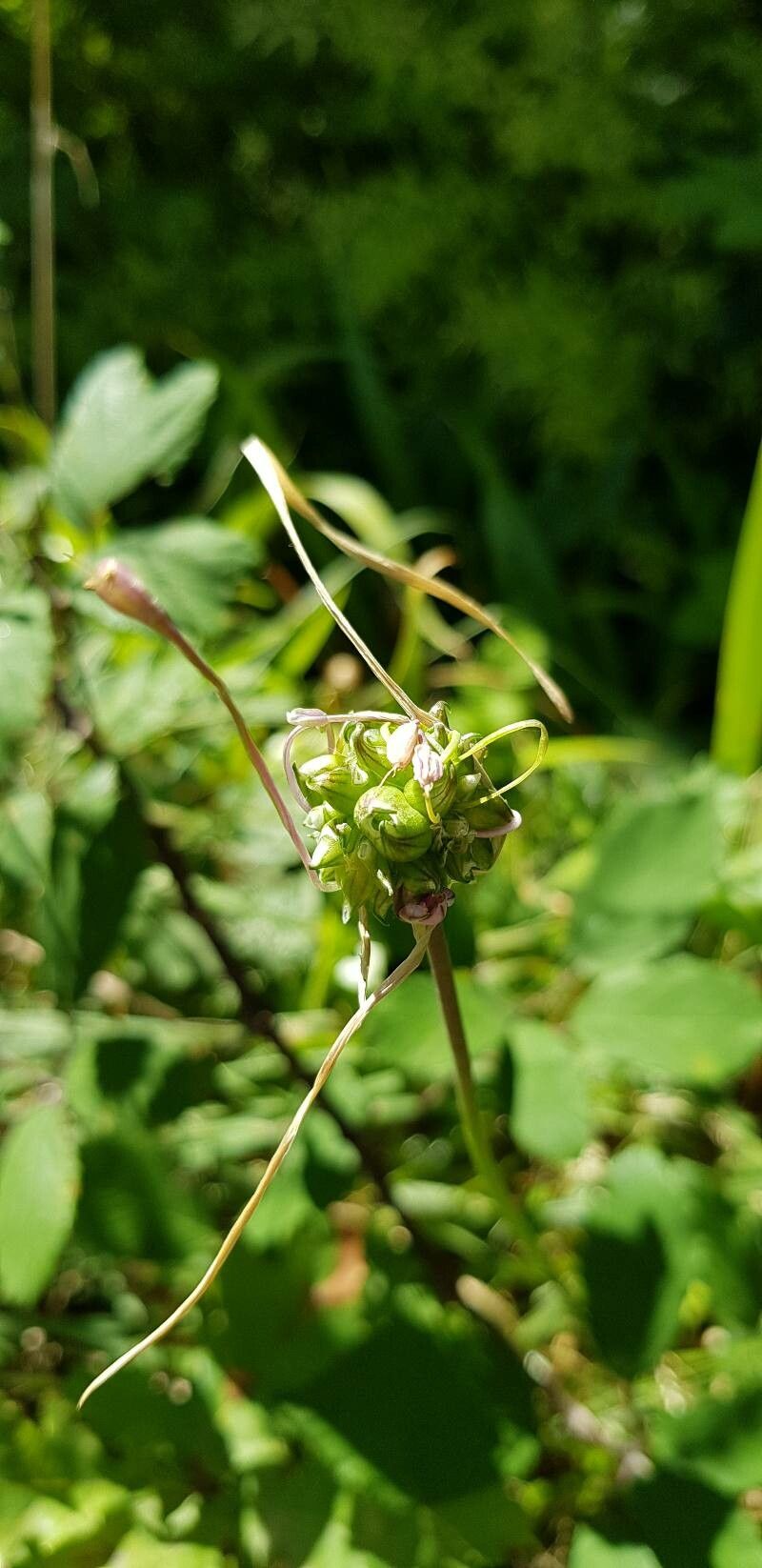
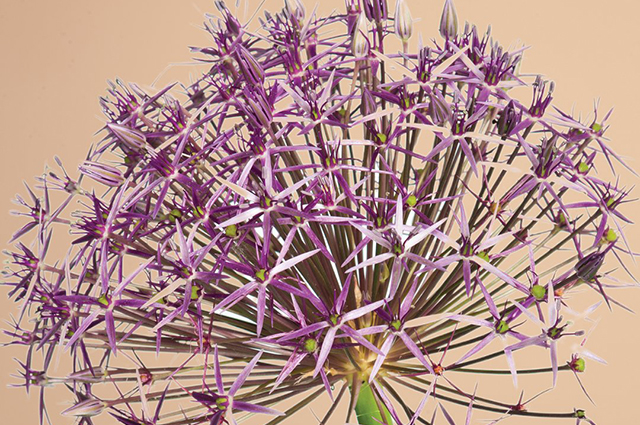
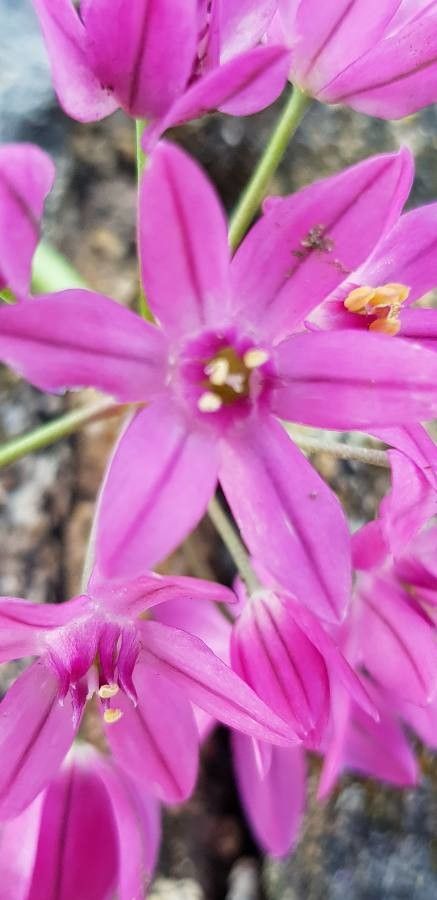
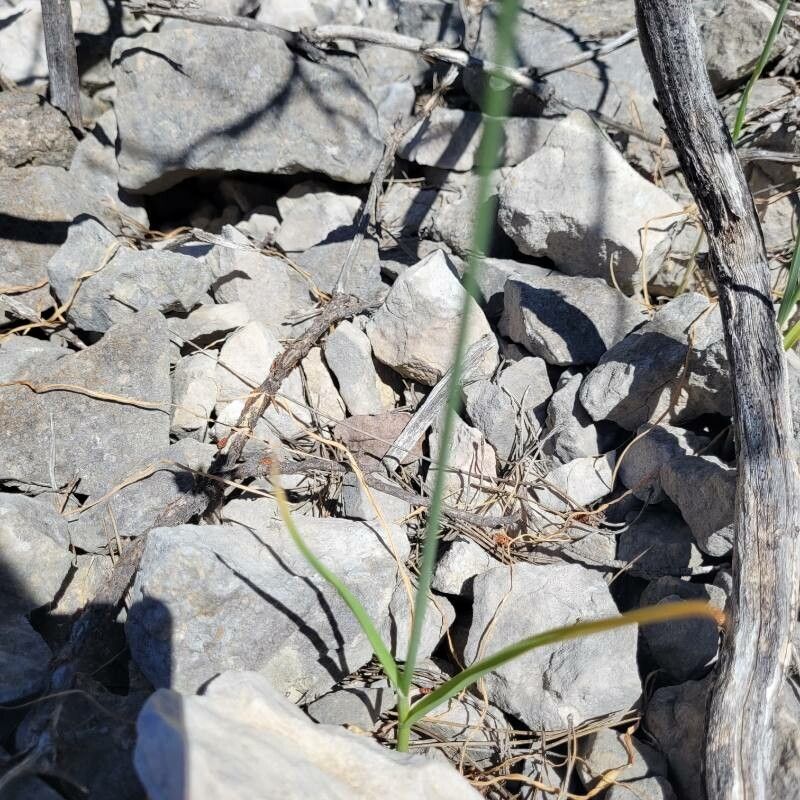
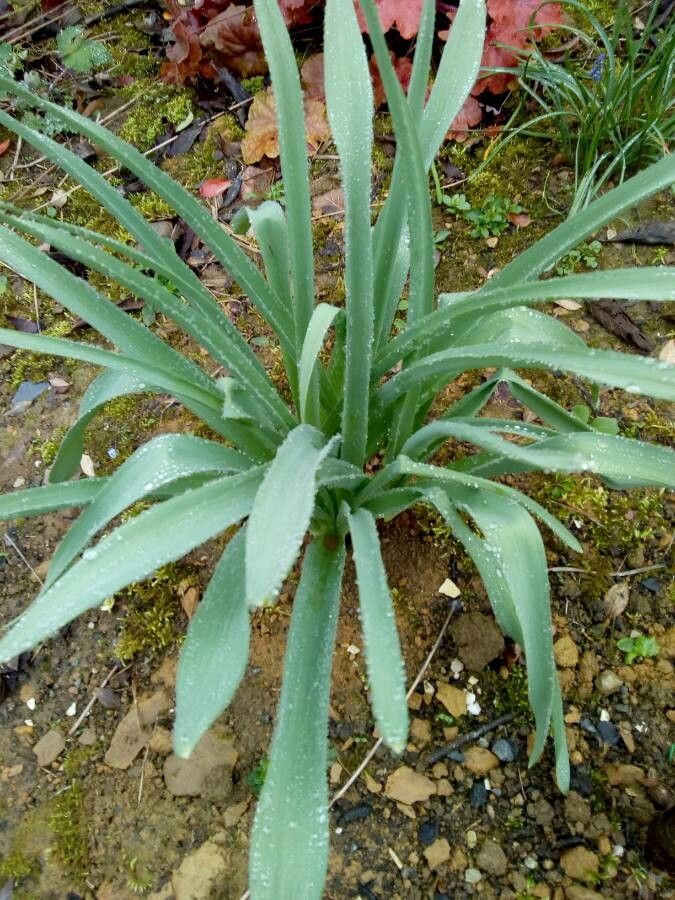
Allium carinatum, the keeled garlic or witch's garlic, is a bulbous perennial flowering plant in the family Amaryllidaceae. It is widespread across central and southern Europe, with some populations in Asiatic Turkey. It is cultivated in many places as an ornamental and also for its potently aromatic bulbs used as a food flavoring. VarietiesNumerous botanical names have been coined within the species at the varietal level, but only two are recognized: Allium carinatum subsp. carinatum - most of species range Allium carinatum subsp. pulchellum (G.Don) Bonnier & Layens - central Europe + Balkans
Keeled garlic is fairly resistant to disease and typically not highly susceptible to illnesses. However, it can be affected by pests and diseases present in its surroundings, though these problems are usually mild. For care, this plant needs moderate maintenance. It should be pruned regularly to keep a tidy appearance and support healthy growth. Fertilizing can also encourage flowering. Keeled garlic is appropriate for anyone with outdoor space, such as a garden or patio, and does not require extensive care experience. It may need more attention when grown indoors.
How to keep Allium Carinatum.
Light
Keled garlic thrives in full sun but can also do well with moderate light. It achieves best growth in environments that are naturally filled with sunlight. If it doesn't receive enough light it may have trouble, potentially resulting in stunted growth or reduced vigor. Conversely, too much sun does not harm it, underscoring its resilience.
Water
Keeled garlic, native to temperate regions, thrives in moderate moisture and benefits from weekly watering to maintain consistent hydration. As an herbaceous perennial, it is ideal for outdoor cultivation to take advantage of natural rainfall and seasonal temperature changes.
Temperature
Keeled garlic is native to temperate areas and prefers temperatures of 68 to 95°F (20 to 35℃). Seasonal adjustments may be needed to recreate its natural conditions.
Fertilizer
The best time to fertilize Keeled garlic is in early spring, as it comes out of dormancy and begins active growth. Fertilization supplies essential nutrients for healthy development. Although Keeled garlic has fairly low fertilizer requirements, annual fertilization can improve its survival and encourage better, longer-lasting flowers.
Pruning
Keeled garlic is characterized by its keeled leaves and purple flowers. To encourage growth and vigor, prune any dead foliage and flower stalks from early to late spring. It's important to maintain good air circulation to prevent disease, which helps ensure that the plant's energy is directed towards healthy development. This practice is well-supported by horticultural references.
Pot & Repot
Keeled garlic thrives best in pots with excellent drainage. Good drainage prevents water accumulation, which can lead to root rot and other health problems.
Botanical profile.
- Plant Type
- Herb
- Life Cycle
- Perennial, Annual, Biennial
- Genus
- Allium
- Family
- Amaryllidaceae
- Hardiness Zone
- 6-9
- Mature Height
- 1.22 m
- Mature Spread
- 40 cm
- Leaf Color
- Green
- Leaf Type
- Deciduous
- Flower Color
- Pink
- Flower Size
- 3.05 cm to 5.08 cm
- Bloom Time
- Early summer, Mid summer
- Planting Time
- Spring
- Harvest Time
- Late summer, Early fall
- Native Area
- Turkey, Sweden, Austria, Czech Republic, Slovakia, Montenegro, Bulgaria, Poland, Greece, Croatia, Slovenia, Ukraine, Serbia, Russia, Hungary, Germany, Italy, Switzerland, Denmark, Albania, Romania, France
Other names.
Reader questions.
How should I water my Keeled garlic for best results?
To properly water the Keeled garlic, it is best to use filtered water at room temperature. Tap water should be avoided as it may contain harmful particles. The water should be at room temperature or slightly warmer to prevent shocking the plant, as it is accustomed to warm conditions. Overhead watering should also be avoided as it can cause issues with the plant's foliage. Instead, water the soil directly using filtered room temperature water until it is fully soaked. This helps moisten the roots and allows them to spread through the soil, ensuring they can collect necessary nutrients.
Why should I put fertilizer on my Keeled garlic?
Fertilization is important for the Keeled garlic because it provides vital nutrients for both above and below ground growth. While the overall fertilization needs for Keeled garlic are low, annual fertilization can greatly benefit the plant. It helps to keep the plant alive and may even result in better and longer-lasting flowers. Therefore, those who want their Keeled garlic to thrive should make sure to fertilize it annually.
What are the sunlight requirements for Keeled garlic?
Keeled garlic requires full sun, meaning it thrives best with above 6 hours of direct sunlight each day. However, it can also tolerate partial sun conditions, flourishing well with about 3-6 hours of sunlight. It's vital to watch how sunlight moves through your garden to choose spots that offer the right balance of light and shade, ensuring optimal growth and plant happiness.
What is the native environment of Keeled garlic?
Keeled garlic, scientifically known as Allium carinatum, thrives in temperate climates. It prefers temperatures between 68 to 95°F (20 to 35°C). To maintain its health, seasonal adjustments might be needed to mimic its natural habitat, ensuring it continues to grow in an environment it's accustomed to.
What should I do if I give my Keeled garlic too much or too little water?
Overwatering is a more common issue than underwatering for Keeled garlic. Too much water can cause wilting, yellowing of stems and leaves, and can lead to diseases like root rot, mold, and mildew. Underwatering is less common due to the plant's drought tolerance, but it can still happen and result in brittle, brown leaves. It is important to notice early signs of overwatering, as some diseases may become irreversible if not addressed promptly. Reduce watering if signs are present and consider replacing poorly draining soil. If underwatering is the issue, simply water more regularly until signs improve.
When should I fertilize my Keeled garlic for the best results?
The best time to fertilize a Keeled garlic is during late winter to early spring, when the plant is transitioning from dormancy to active growth. Fertilizing at this time promotes healthy growth and sets the plant up for a successful season. Fertilizing in the fall is also acceptable, but it is not recommended to fertilize in the summer or winter.
How does Keeled garlic respond to different lighting conditions?
Keeled garlic luxuriates under a full canopy of sun, showcasing its optimal growth in natural sunlight-rich habitats. While it can endure moderate light exposure, inadequate light may impede its development, resulting in stunted growth or reduced vitality. Interestingly, excessive sunlight does not harm it, underscoring its resilient nature. For indoor plants lacking natural light, particularly in winter or less sunny spaces, artificial lighting systems can be a great aid. These systems, especially LED lights, provide necessary wavelengths and can be customized in terms of intensity and duration to match the plant's needs, enhancing growth and health.
Does Keeled garlic require special protection from cold?
Keeled garlic exhibits strong cold resistance, meaning it doesn't usually require special frost protection measures during winter. However, if temperatures are anticipated to plummet below -25°C, it's crucial to safeguard the plants. This can be done by covering them with soil or straw. Additionally, watering the plant abundantly before the first autumn freeze helps keep the soil moist, which is essential for the plant to survive winter and early spring by preventing drought and water scarcity.
How often do I need to water my Keeled garlic?
If your Keeled garlic plant is in a pot, you can determine if it needs water by checking the soil. Simply stick your finger into the soil and if the top two to three inches feel dry, it's time to water it. If you're growing your Keeled garlic outdoors in the ground, you can use the same method. When the top few inches of soil are dried out, it's time to water. Typically, during spring and early fall, watering once a week will suffice. However, in extremely hot weather, you may need to increase watering to twice or more per week. It's worth noting that mature and well-established Keeled garlic plants have a good ability to withstand drought.
When is the best time to not fertilize my Keeled garlic?
To properly care for Keeled garlic, it is best to only fertilize it in late winter and early spring. This plant has low fertilization needs, so a single feeding during this time should be sufficient. Fertilizing in spring, summer, and fall can lead to overfertilization and various complications, unless you skipped fertilizing in spring. In that case, it is acceptable to feed the plant in fall. Additionally, it is unnecessary to fertilize Keeled garlic during winter because it is in a dormant growth phase and does not produce new growth. Therefore, it is not recommended to fertilize it for most of the winter.
What are the common symptoms of light deficiency in Keeled garlic?
When Keeled garlic is grown in conditions with insufficient lighting, it may exhibit various symptoms indicating light deficiency. These include smaller new leaves, leggy or sparse growth, faster leaf drop, and slower or halted new growth. Moreover, new leaves may appear lighter in color or show signs of chlorosis, turning yellow due to a lack of chlorophyll. Additionally, symptoms like sunscald, leaf curling, wilting, and leaf scorching can occur when the plant is exposed to too much sunlight. These symptoms reflect the plant's struggle with inappropriate light conditions, affecting its overall health and growth.
How does low temperature affect Keeled garlic, and what are the solutions?
Keeled garlic is notably tolerant of cold, thriving best when temperatures remain above 20°C. During winter, it's advisable to keep it above 0°C. A drop in temperature below -25°C may not show immediate changes but can result in reduced or even absent sprouting in spring. In such cases, removing parts that have failed to sprout in spring is recommended as a solution to this problem.