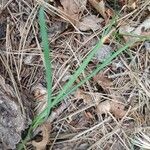
Allium cernuum
Nodding onion · Wild onion · Lady's leek · Nodding Wild Onion · Onion rings
Description
Source: leafsnapAllium cernuum, known as nodding onion or lady's leek, is a perennial plant in the genus Allium. It grows in open areas in North America.
🎭 Safeguarding, Removal of Evil Spirits, Restoration
Care Guide
💧 Water
The nodding onion grows best in well-drained soil with moderate moisture levels. While it prefers consistent hydration, it can withstand short periods of dryness thanks to its efficient water storage capabilities. Weekly watering ensures optimal growth, but the plant’s ability to take advantage of seasonal rains reduces the necessity for frequent additional watering.
How should I water my Nodding onion plant?
To properly care for the Nodding onion, it is important to use filtered water at room temperature. Tap water may contain harmful particles that can harm the plant's health. As the Nodding onion is adapted to warm environments, it is best to avoid using cold water, as it can shock the plant. Additionally, overhead watering should be avoided to prevent foliage complications. Instead, ensure the soil is thoroughly soaked with filtered room temperature water. This method is beneficial as it ensures the roots are properly moistened, allowing them to spread and absorb nutrients from the soil.
What should I do if I give my Nodding onion too much water or too little water?
Overwatering poses a greater risk to the health of your Nodding onion compared to underwatering. Too much water can cause wilting and yellowing of the stems and leaves. Prolonged overwatering may also result in diseases like root rot, mold, and mildew, which can be fatal to the plant. Although underwatering is less common for the Nodding onion due to its drought tolerance, it can still occur and cause brittle, brown leaves. It is important to recognize the signs of overwatering early on to prevent irreversible damage. If you notice these signs, reduce your watering schedule immediately. Additionally, check the soil drainage of the plant. If it is poor, replace it with a well-draining potting mix. Conversely, if the signs indicate insufficient watering, increase the frequency until the signs disappear.
How many times should I give water to my Nodding onion?
If your Nodding onion is in a pot, the most precise way to determine if it needs water is by checking the moisture in the soil. Simply stick your finger into the soil and if you find that the top two to three inches are dry, it's time to give it some water. If you have your Nodding onion planted outdoors in the ground, you can use a similar method to check the soil. When you notice that the top few inches of soil have become dry, it's a sign that it needs water. Typically, during spring and early fall, watering once a week is sufficient. However, when it gets really hot, you may need to increase the frequency to twice a week or more. It's worth noting that mature, well-established Nodding onions have a remarkable ability to withstand drought.
How much water does my Nodding onion require?
To properly water your Nodding onion, don't be afraid to give it a generous amount of water. Wait until the top two to three inches of soil are dry, and then make sure to thoroughly soak the soil. You'll want to add enough water to completely saturate the soil, causing excess water to flow out of the drainage holes at the bottom of the pot. If you don't see any excess water draining out, it's likely that you haven't watered enough. However, be careful not to let water accumulate inside the soil, as this can be harmful to the plant. On the other hand, if water isn't draining properly, it may indicate that the soil doesn't drain well, which can negatively affect the plant's health. If the plant is outdoors, about 1 inch of rain per week should be enough.
How do I water my Nodding onion as it grows?
The water needs of the Nodding onion can vary based on different growth stages. When the Nodding onion is young or recently transplanted, it requires more water due to the energy it puts into developing new roots. These new roots need extra moisture to support future growth. As the plant matures over a few seasons, it will require less water. Another stage that may require increased watering is during the bloom period, as the flower development uses up a significant amount of moisture.
☀️ Light Full sun
The nodding onion does well in places that receive plenty of sunlight. It grows best in well-lit conditions, though it can tolerate locations with somewhat less light. However, long periods of reduced sunlight can result in weakened growth and health problems.
What are the sunlight requirements for Nodding Onion?
The Nodding Onion thrives best in full sun conditions, requiring more than 6 hours of sunlight daily, but it can also grow in partial sun, with about 3-6 hours of sunlight. It's crucial to observe how sunlight moves through your garden to find the optimal spots that offer a balance of light and shade, ensuring your plants grow happily and healthily.
How essential is light for the growth of Nodding Onion?
Light is extremely essential for the growth of the Nodding Onion, as it thrives in areas well-lit by the sun. While it can adapt to slightly less sunlight, consistently low light levels can lead to weakened growth and potential health issues. For indoor plants, when natural sunlight is insufficient, particularly during winter or in less sunny spaces, artificial lighting becomes crucial. It should be adequate to promote healthier and faster growth, with specific requirements for the type of light, its distance from the plant, and the duration of exposure.
What symptoms indicate light deficiency in Nodding Onion?
Symptoms of light deficiency in Nodding Onion include smaller new leaves, leggy or sparse growth, early leaf drop, delayed or halted growth, paler new leaves, chlorosis, sunscald, leaf curling, wilting, and leaf scorching. These symptoms suggest the plant is not receiving enough sunlight, affecting its ability to grow and stay healthy.
What are the solutions for improving light exposure for Nodding Onion?
To improve light exposure for Nodding Onion, gradually move plants to sunnier locations to ensure at least 6 hours of sunlight daily. For indoor plants that are large or not easily movable, consider using artificial light, keeping a lamp on for at least 8 hours daily, or invest in grow lights. Outdoors, it's crucial to avoid sudden changes in light intensity to prevent sunburn. If your plants are shaded by trees or other obstacles, consider pruning to allow more sunlight through or transplant smaller plants to a brighter location during their dormant period, ensuring they have ample sunlight and good drainage.
🌡️ Temperature 0–35°C
Nodding onion is native to regions where temperatures typically range from 32 to 95 °F (0 to 35 ℃). Consistent with its natural environment, it performs best when maintained within that range. Seasonal temperature changes should be kept minimal, aiming to remain within these preferred limits.
What is the natural habitat and ideal temperature range for Nodding onion?
Nodding onion, scientifically known as Allium cernuum, is native to areas with moderate temperatures, thriving best within a range of 32 to 95 °F (0 to 35 °C). Adapted to these conditions, the Nodding onion prefers minimal seasonal temperature adjustments, maintaining its comfort within this specified range. This plant exhibits strong cold resistance, typically not requiring special frost protection measures during the winter. However, if temperatures are anticipated to fall below -35°C, it is crucial to provide additional cold protection, such as covering the plant with soil or straw, and to water it abundantly before the first freeze in autumn to ensure the soil remains moist through the winter and early spring seasons.
How does the Nodding onion react to low temperatures, and what are the solutions if it struggles in winter?
The Nodding onion is cold-tolerant and thrives best when temperatures stay above 0°C. It is capable of withstanding winter conditions as long as the temperature does not drop below -30°C. However, when temperatures plunge below -35°C, the plant may not show immediate distress, but there could be a noticeable decline in sprouting or a complete lack of it come springtime. To address this issue, any non-sprouting parts of the plant should be removed in the spring to encourage healthy new growth and recovery from the cold stress.
What measures should be taken if the Nodding onion experiences high temperatures?
During the summer months, it is essential to keep the Nodding onion below 35°C to prevent heat stress. Exceeding temperatures of 38°C can lead to symptoms such as leaves becoming lighter in color, curling, susceptibility to sunburn, and in extreme cases, wilting and drying out of the entire plant. The solution to these symptoms includes trimming away sunburned and dried parts of the plant, relocating it to a shaded area, preferably during the midday and afternoon sun, or utilizing a shade cloth to protect it. Additionally, it is vital to water the plant in the morning and evening to ensure the soil remains moist and conducive for the plant’s well-being.
💨 Humidity
🪴 Soil 6-7
🌱 Fertilizer
To maximize the yield and flavor of Nodding onion, provide ample nitrogen throughout the entire growth cycle, including before planting and up to harvest. Well-watered, properly fertilized plants produce abundant, healthy leaves and help reduce bitterness. Before planting, enrich the soil with organic matter like compost or manure, ideally 2 to 8 weeks ahead.
Why should I put fertilizer on my Nodding onion?
Fertilization is important for the Nodding onion for a few reasons. One, it provides necessary nutrients for the plant's growth. This is important for both the parts of the plant above ground and those below ground. However, the Nodding onion doesn't require a lot of fertilization overall. While it can survive without fertilization, annual fertilization can be highly beneficial. It helps the plant stay alive and can even help improve the quality of its flowers, making them last longer. Therefore, if you want your Nodding onion to look its best, make sure to fertilize it annually.
When should I fertilize my Nodding onion for the best results?
The best time to fertilize a Nodding onion is in late winter or early spring when it is transitioning from dormancy to active growth. Fertilizing at this time promotes healthy growth and a successful season. Fertilizing in the fall is also an option, but it is not recommended during summer or winter.
When is the best time to not fertilize my Nodding onion?
To ensure optimal growth and avoid complications, it is best to only fertilize your Nodding onion during late winter and early spring. This plant has low fertilization needs, so a single annual feeding is sufficient. Fertilizing during spring, summer, and fall can easily lead to overfertilization. However, if you neglected to fertilize in spring, it is acceptable to feed the plant in fall. Additionally, there is no need to fertilize during winter since the Nodding onion is in a dormant growth phase and does not produce new growth. Therefore, it is not advisable to fertilize the plant for the majority of the winter season.
What kind of fertilizer does my Nodding onion require?
A general-purpose fertilizer with balanced nutrients is suitable for a Nodding onion. However, certain nutrient blends can offer additional benefits. For example, a higher phosphorus content is believed to enhance root strength and flower quality. Therefore, using a phosphorus-rich fertilizer may be the best choice for this flowering plant. Granular or liquid fertilizers are both effective as long as they contain ample nutrients. In addition to manufactured fertilizers, organic methods like compost or manure can greatly improve the soil for Nodding onion growth.
How can I make my Nodding onion grow better?
To fertilize a Nodding onion, the most common method is to use a granular or pellet fertilizer applied to the soil around the plant. It's important to remember that the best time to fertilize is when the plant is transitioning from its dormant winter phase to active growth. In early spring, wait for the plant to start sending shoots through the soil before applying fertilizer. Alternatively, some people opt for liquid fertilizer, which should be diluted with water before application. Whether you choose granular or liquid fertilizer, it's always advisable to moisten the soil before, during, and after applying fertilizer.
🪴 Pot & Repot Every 12 months
For nodding onion to thrive in pots and avoid root rot, excellent drainage is essential.
✂️ Pruning
The nodding onion has graceful clusters of drooping flowers. To promote growth, prune the plant in early spring. Removing spent flowers helps maintain bulb health, and trimming dead foliage keeps the plant tidy. Consistent pruning boosts vitality and neatness. Always use clean, sharp tools to prevent the spread of disease.
🌿 Propagating
🐛 Diseases & pets
☠️ Toxicity
Characteristics
- Plant Type
- Herb
- Life Cycle
- Perennial
- Genus
- Allium
- Family
- Amaryllidaceae
- Hardiness Zone
- 3-9
- Mature Height
- 52 cm
- Mature Spread
- 3 cm to 30 cm
- Leaf Color
- Green
- Leaf Type
- Deciduous
- Flower Color
- Pink
- Flower Size
- 2.54 cm
- Bloom Time
- Summer
- Planting Time
- Autumn
- Harvest Time
- Late summer, Early fall, Mid fall
- Native Area
- Georgia, Mexico