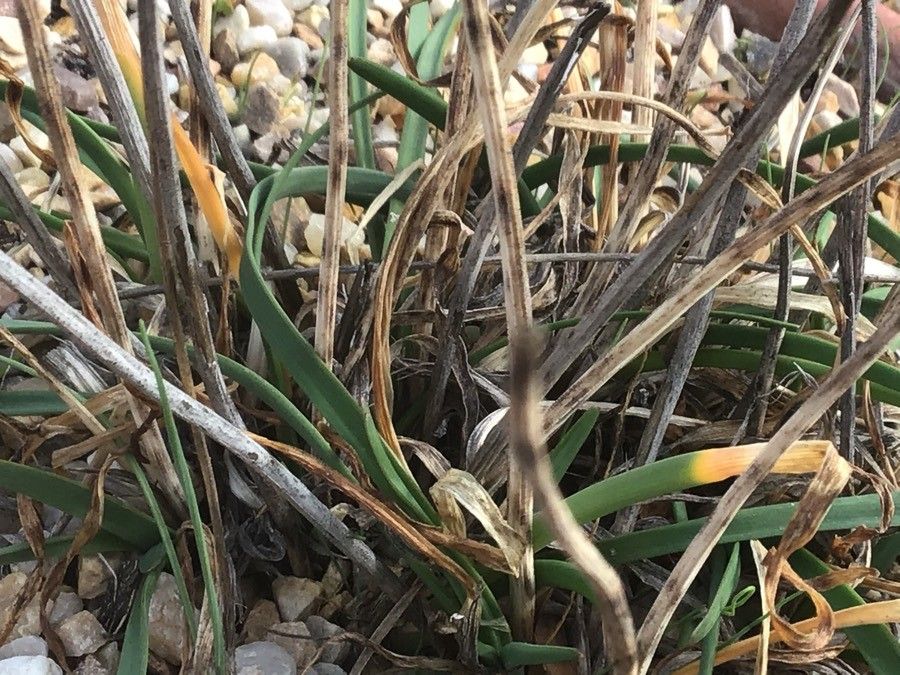
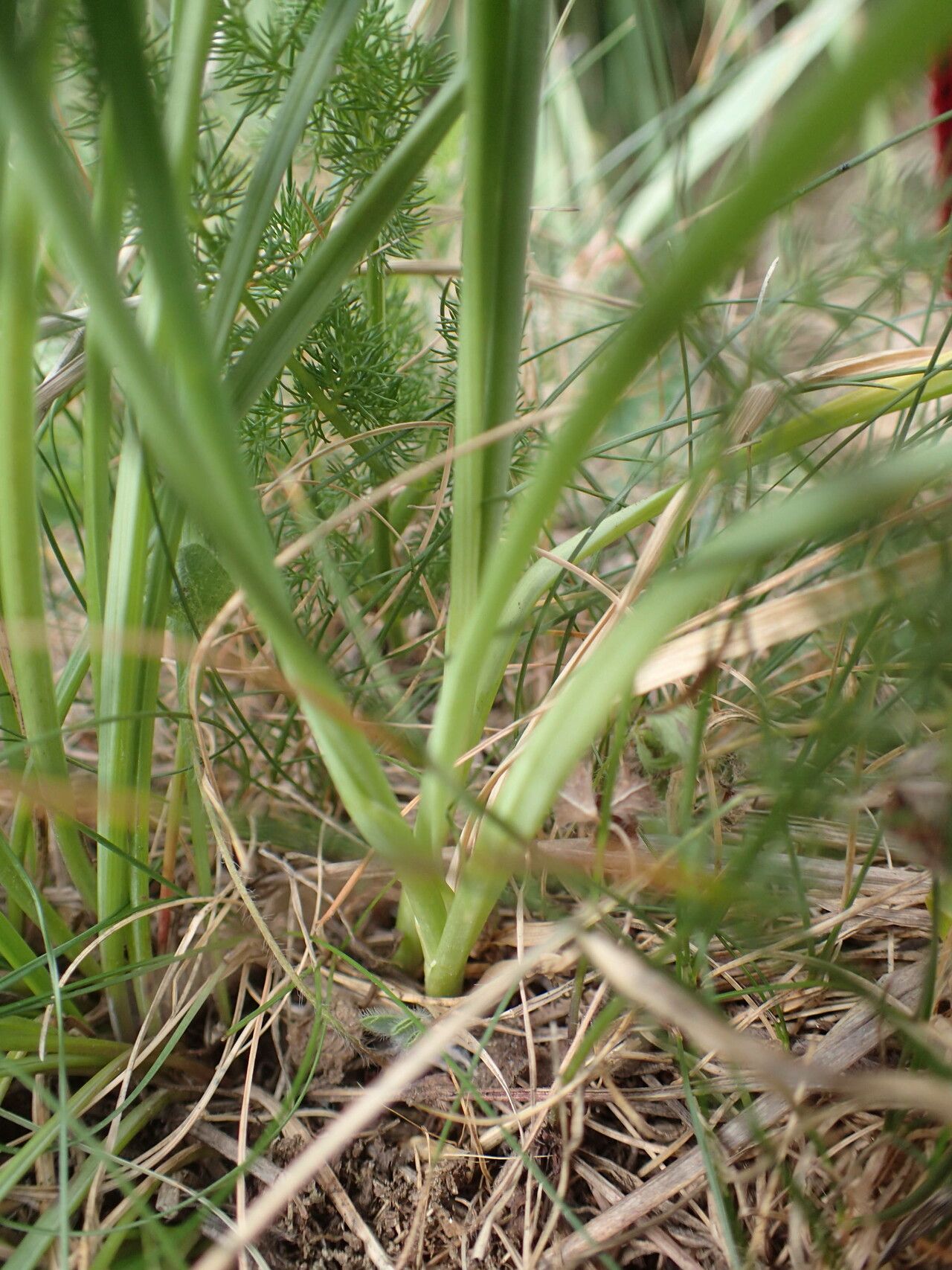
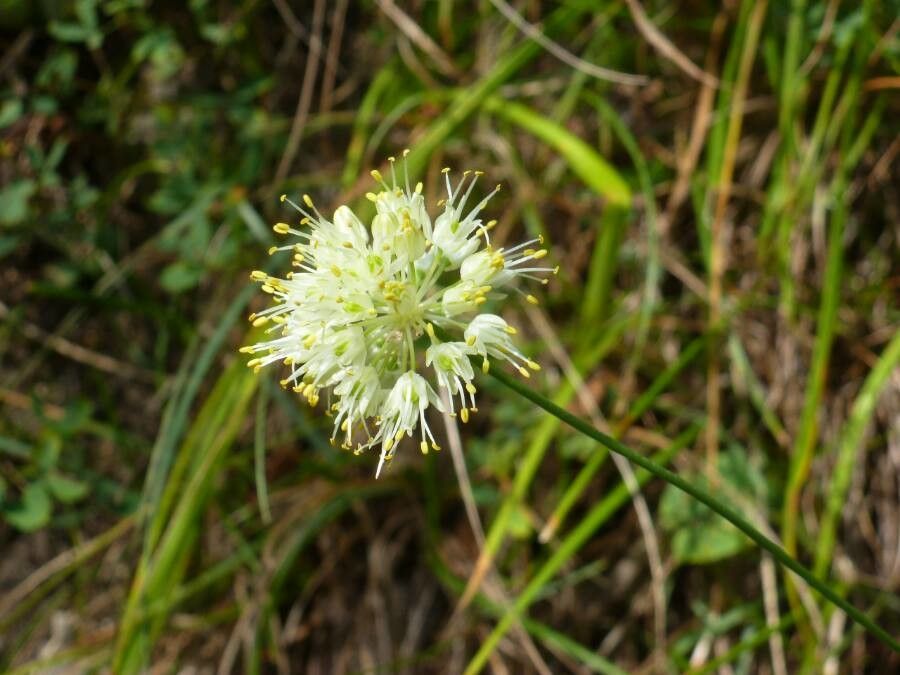
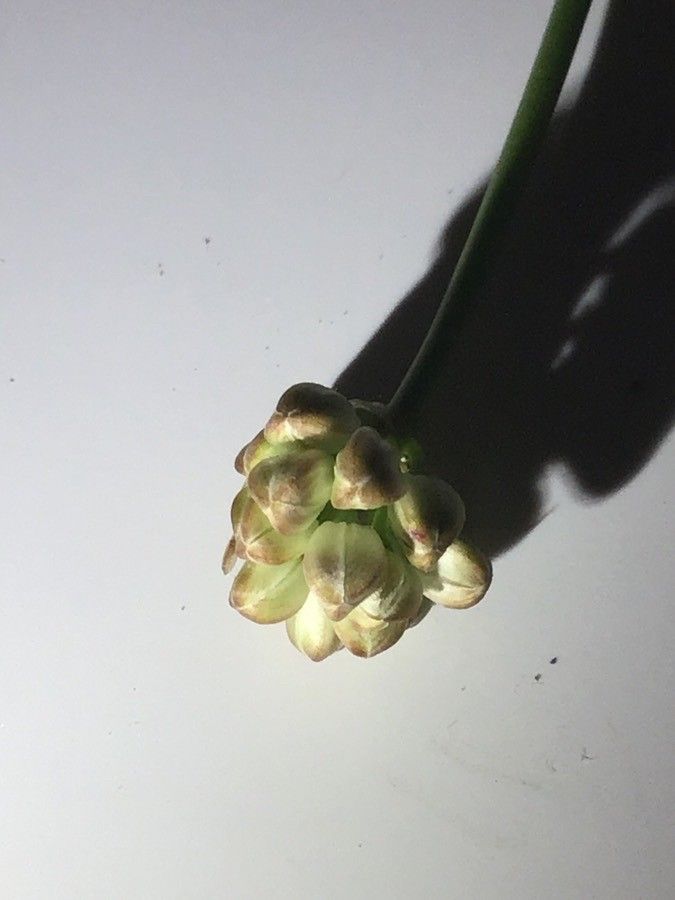
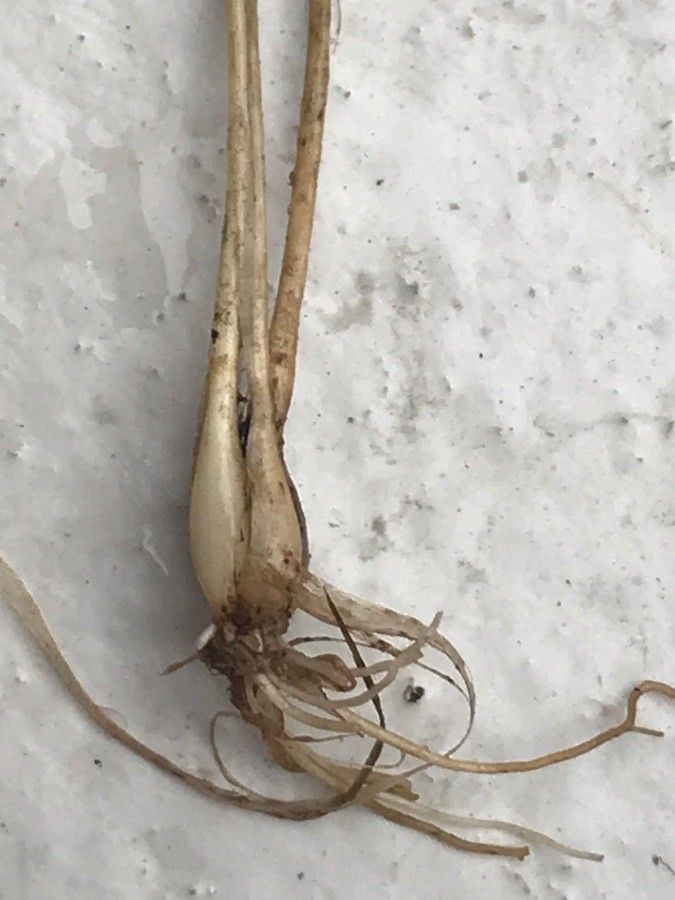
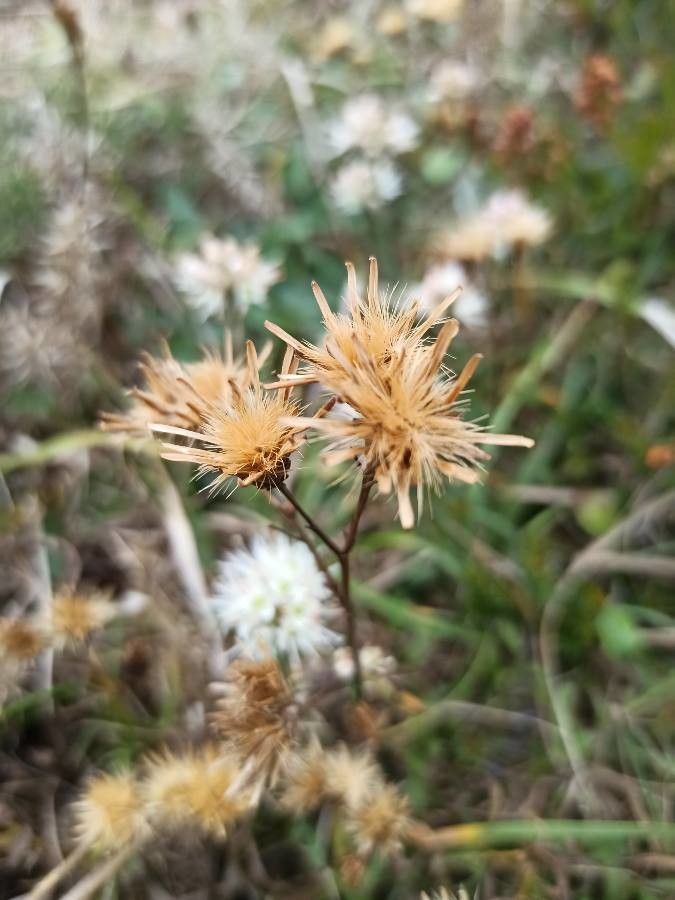
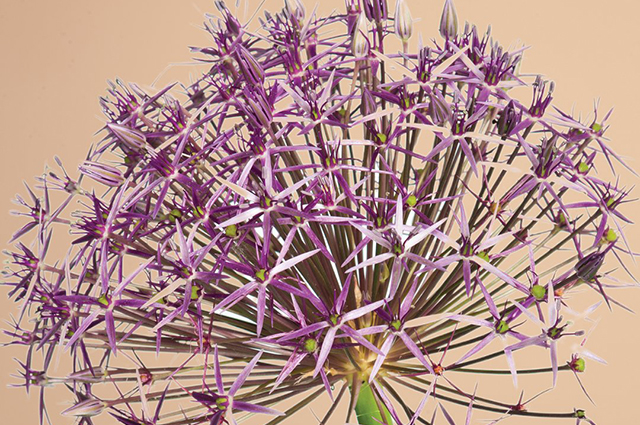
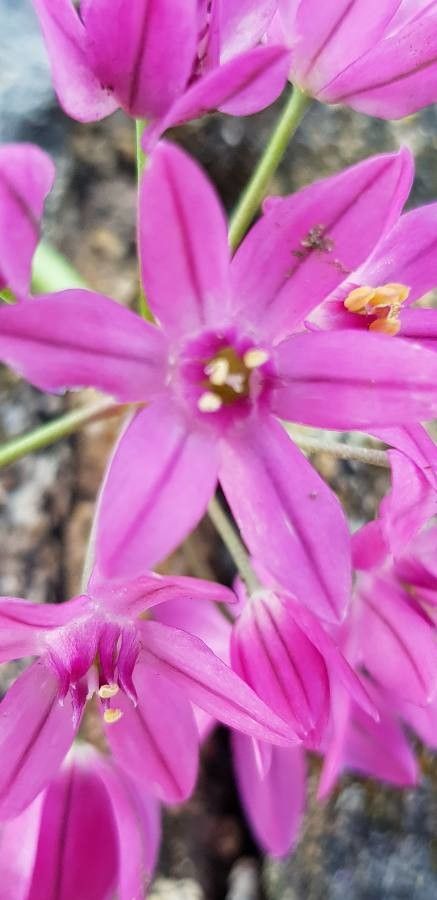
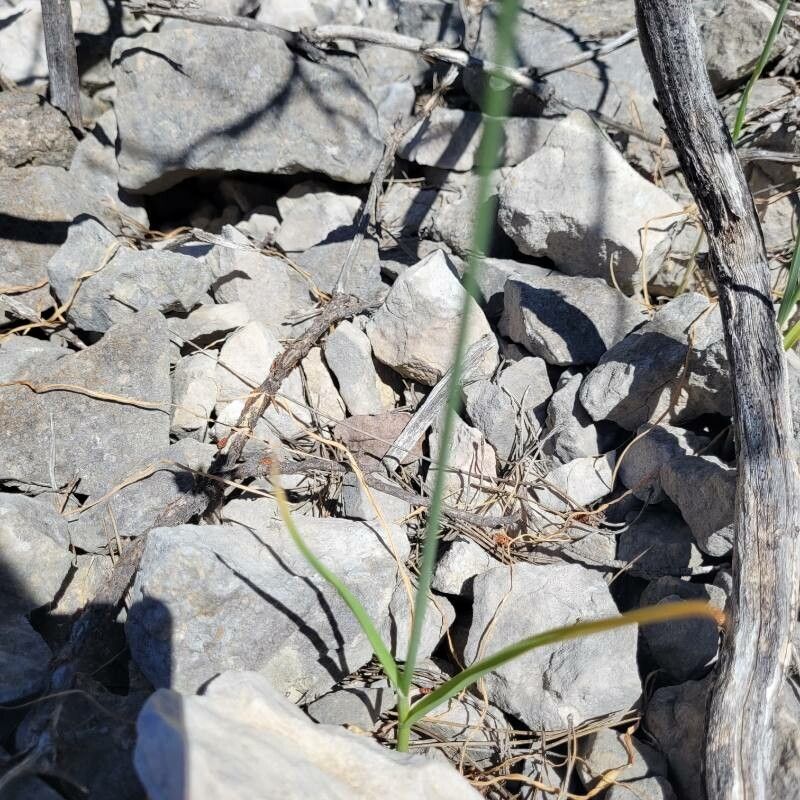
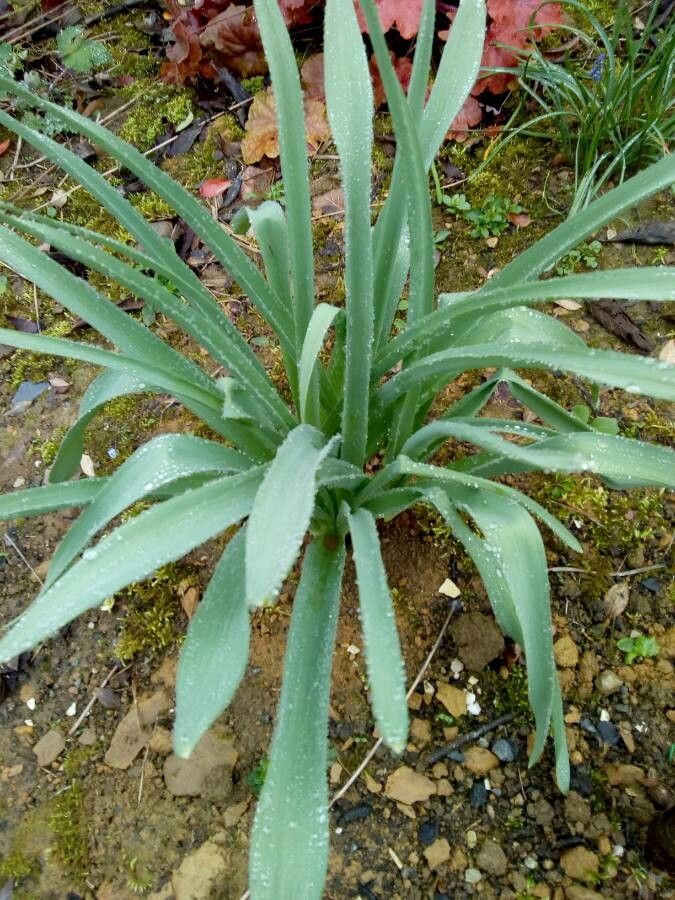
Allium ericetorum is a species of onions widespread across much of southern and central Europe, from Portugal to Ukraine.Allium ericetorum is a perennial herb growing from a bulb. Scape is up to 50 cm tall, round in cross-section. Umbel is hemispherical, with 15-45 bell-shaped white flowers. Stamens are longer than the tepals, with brown anthers. Ovary is green.
Allium ericetorum shows good resistance to diseases and is generally not prone to them. However, it can be vulnerable to pests and pathogens found in its surroundings. Such infections are typically mild. Regarding care, this plant requires moderate maintenance. It should be pruned regularly to keep a neat appearance and support healthy growth. Fertilizing can also help encourage flowering. Allium ericetorum is suitable for anyone with outdoor space, such as a garden or patio, and does not demand extensive care experience. It may need more attention if grown indoors.
How to keep Allium Ericetorum.
Light
Allium ericetorum is a sun-loving, perennial herbaceous plant native to open habitats and commonly thriving in meadows and grasslands. It prefers full sun but can also tolerate partial sun conditions.
Water
Allium ericetorum does best in well-drained soils with moderate moisture. It needs to be watered weekly to prevent root rot. This plant thrives outdoors, especially when it receives rainwater during the growing season, which helps maintain its health and promotes optimal growth.
Temperature
Allium ericetorum can adjust to a wide range of temperature conditions, though its distribution may still be constrained by various combinations of water and heat. It performs best in warm summer climates with adequate rainfall or watering. Prolonged periods of cloudy, rainy weather or sustained high temperatures can raise the chance of Allium ericetorum dying. In winter, proper protection from cold can increase the plant's survival rate.
Fertilizer
For Allium ericetorum, the primary time to apply fertilizer is in early spring while the flowers are developing. Using the appropriate fertilizer promotes better blooms and helps Allium ericetorum produce attractive flowers. Fertilizing in early spring ensures superior flowering during the season and supplies energy for the plant's dormant growth stages.
Pruning
Allium ericetorum grows in clusters and produces vibrant blooms. To promote healthy growth, improve airflow, and encourage more blooms, prune the plant from early to late spring. Use sterilized tools to cut back spent stalks and remove any damaged foliage. This helps prevent infection and ensures robust growth and longevity.
Pot & Repot
To promote healthy growth, Allium ericetorum needs pots with excellent drainage to prevent waterlogging.
Botanical profile.
- Plant Type
- Herb
- Life Cycle
- Perennial
- Genus
- Allium
- Family
- Amaryllidaceae
- Hardiness Zone
- 4-9
- Mature Height
- 20 cm to 40 cm
- Mature Spread
- 15 cm to 25 cm
- Leaf Color
- Dark Green
- Leaf Type
- Deciduous
- Flower Size
- 1.02 cm to 1.52 cm
- Bloom Time
- Mid summer, Late summer
- Planting Time
- Spring, Summer
- Harvest Time
- Early fall, Mid fall
- Native Area
- Austria, Italy, Spain, France, Albania, Romania, Ukraine, Portugal
Reader questions.
What are the sunlight requirements for Allium ericetorum?
Allium ericetorum thrives in conditions that meet its sunlight requirements, which are categorized into full sun and partial sun. Full sun means the plant should receive above 6 hours of sunlight daily, whereas partial sun indicates about 3-6 hours of sunlight each day. It's important to observe how sunlight travels through your garden throughout the day. Selecting the right spots that provide a healthy balance of light and shade will greatly contribute to the well-being of your Allium ericetorum, fulfilling its sunlight needs adequately.
What is Allium ericetorum?
Allium ericetorum is a plant species with its specific designation in the botanical nomenclature. Unfortunately, the provided details do not include descriptions of its essentials or symptoms related to it, nor do they offer additional information or context about this species.