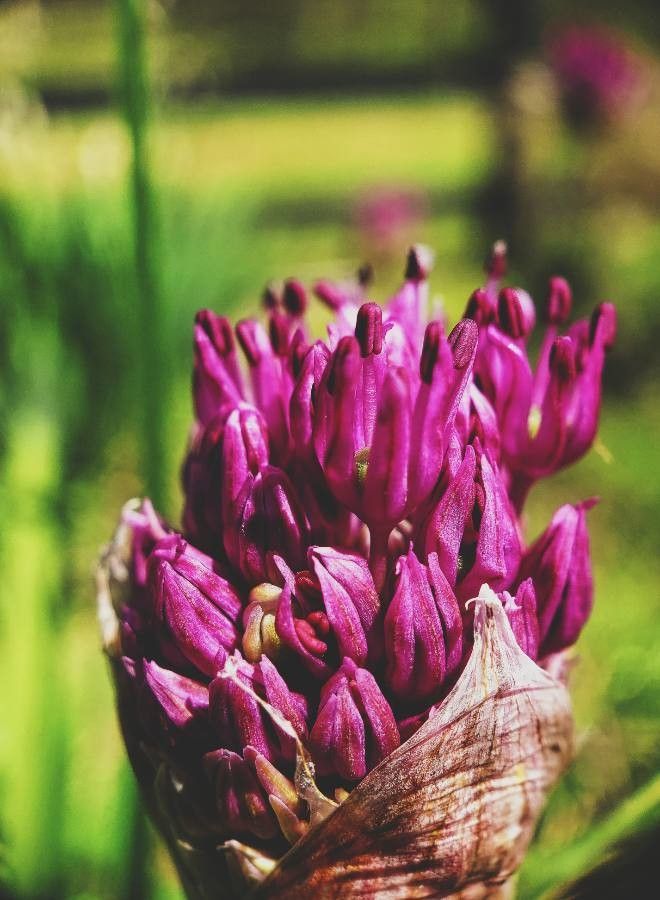
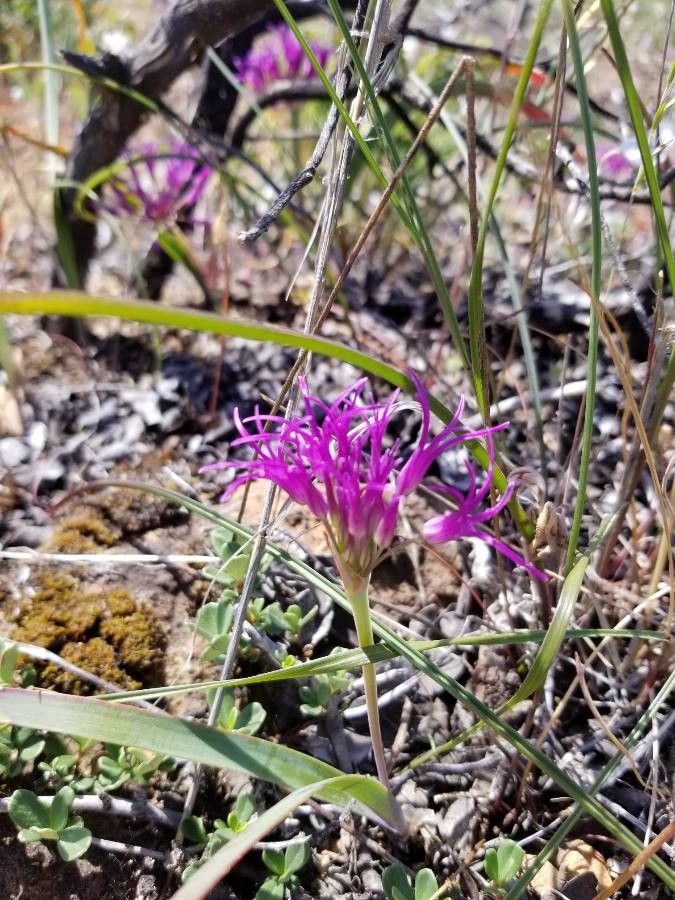
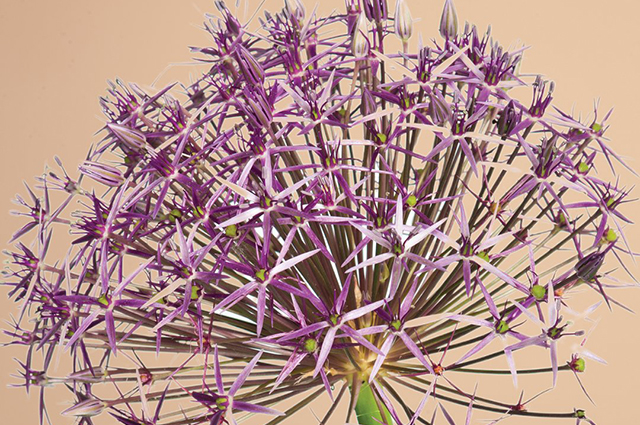
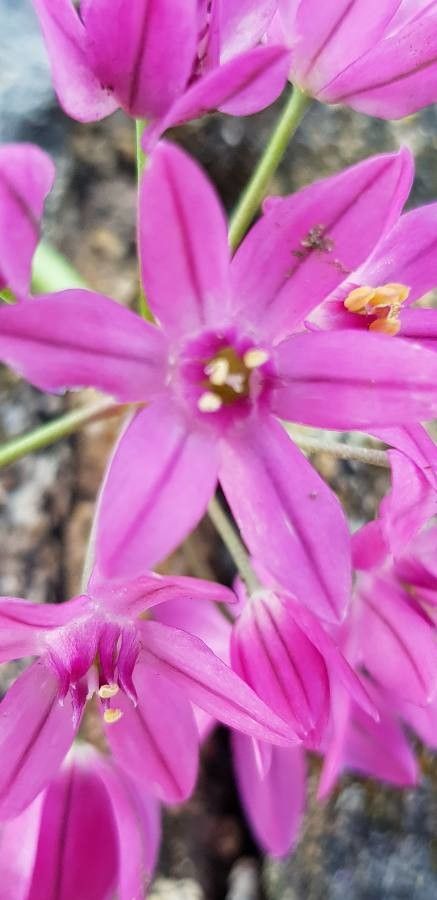
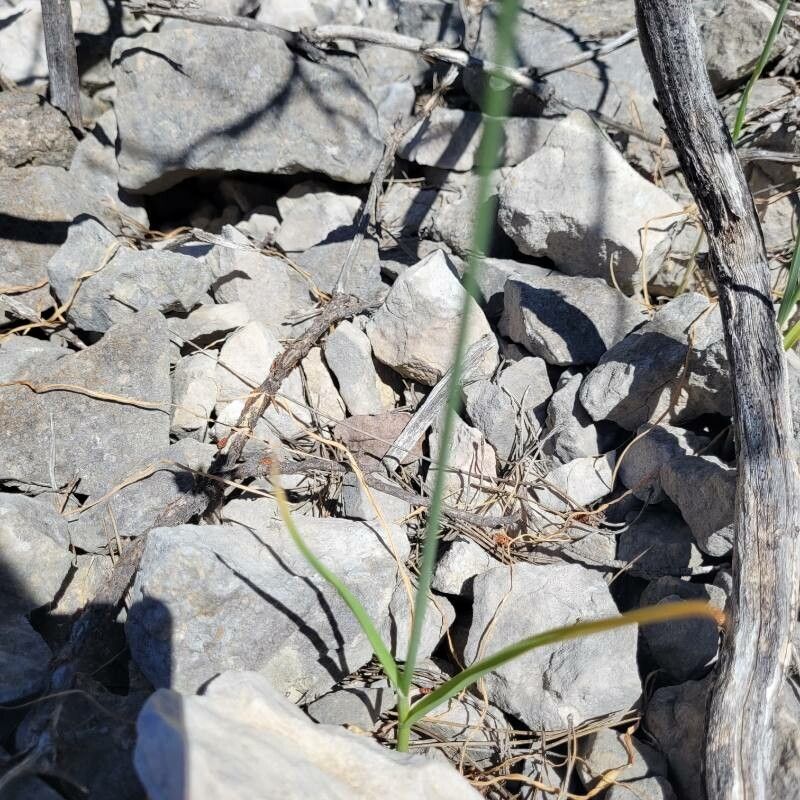
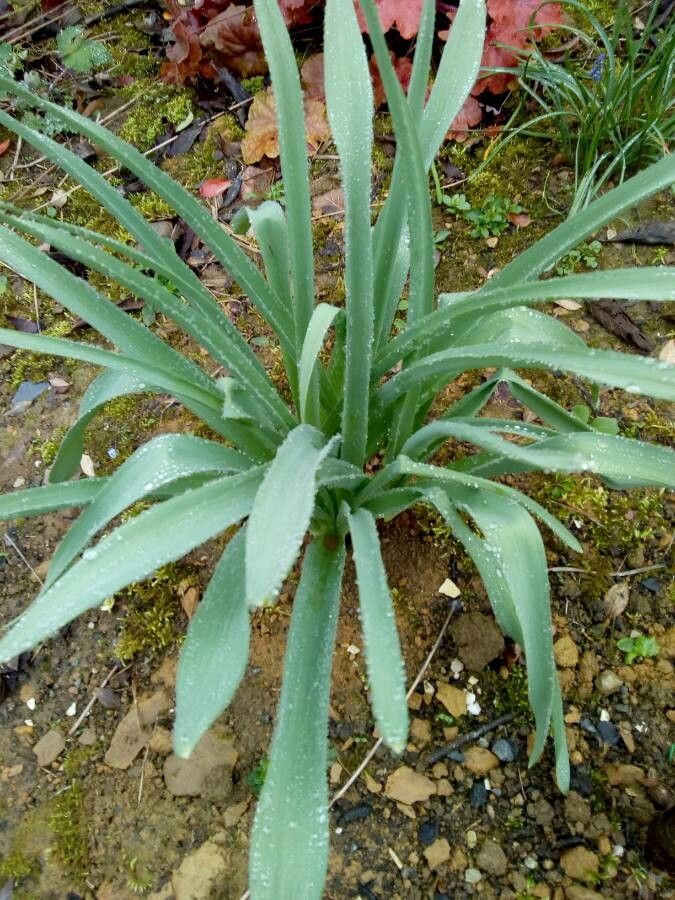
Allium falcifolium is a perennial herbaceous plant belonging to the Amaryllidaceae family. Commonly known as the sickle-leaved onion, it is native to South Africa. This plant can grow up to 30 cm in height and features narrow, sickle-shaped leaves that are bluish-green. The small flowers, which are white or pinkish-purple, form a dense umbel atop a long stem.
Allium falcifolium thrives in well-drained soil and can grow in full sun or partial shade. It can be propagated by seeds or by dividing bulbs in the autumn or spring. The plant's leaves have a mild onion flavor and can be used either fresh or cooked, adding a unique touch to culinary dishes.
Traditionally, Allium falcifolium has been valued for its antibacterial properties and has been used to treat respiratory infections such as bronchitis and asthma.
In summary, Allium falcifolium is an attractive ornamental plant with culinary and medicinal properties, making it a valuable addition to any garden.
How to keep Allium Falcifolium.
Water
The Scytheleaf onion is well-suited for arid conditions, needing watering only about once a week. This drought-tolerant plant is ideal for xeriscaping, as it thrives in dry environments. Its resilience makes it a perfect choice for water-conserving landscapes and outdoor gardens.
Fertilizer
To promote the growth of scytheleaf onions, apply a balanced fertilizer twice a year—in the spring and the fall. Ensure the fertilizer is rich in nitrogen, phosphorus, and potassium. Apply it sparingly at the base of the plants and water thoroughly afterward. It's best to use slow-release fertilizers for gradual nutrient distribution. Remember to wear gloves during application to prevent skin irritation.
Pruning
The Scytheleaf onion is characterized by its distinct scythe-shaped leaves. To encourage healthy growth and blooming, remove any dead foliage from early to late spring. Make sure to sterilize your pruning tools to prevent the spread of disease. Regular pruning not only enhances the plant's health but also improves its appearance.
Pot & Repot
Repot scytheleaf onions every 2-3 years in early spring, right after their dormant period. Choose a pot that is slightly larger than the current one, making sure it has good drainage. When transferring the plant, handle it gently to avoid damaging the leaves. After repotting, water the plant sparingly and place it in a location with bright, indirect light. This will help the plant recover and encourage healthy blooms.
Botanical profile.
- Plant Type
- Herb
- Life Cycle
- Perennial
- Genus
- Allium
- Family
- Amaryllidaceae
- Mature Height
- 2.5 cm to 13 cm
- Mature Spread
- 15 cm
Other names.
Reader questions.
What are the sunlight requirements for Scytheleaf onion (Allium falcifolium)?
Scytheleaf onion (Allium falcifolium) requires specific conditions of sunlight to thrive. For optimal growth, ensure the plant receives full sun, which is above 6 hours of sunlight daily. If full sun isn't possible, a partial sun environment of about 3-6 hours of sunlight will suffice. It's important to observe how sunlight moves through your garden over the day, choosing locations that offer a harmonious balance of light and shade to meet the needs of your Scytheleaf onion plants. This careful consideration ensures the health and happiness of your plants.
What is the botanic name of the Scytheleaf onion?
The botanic name of the Scytheleaf onion is Allium falcifolium.