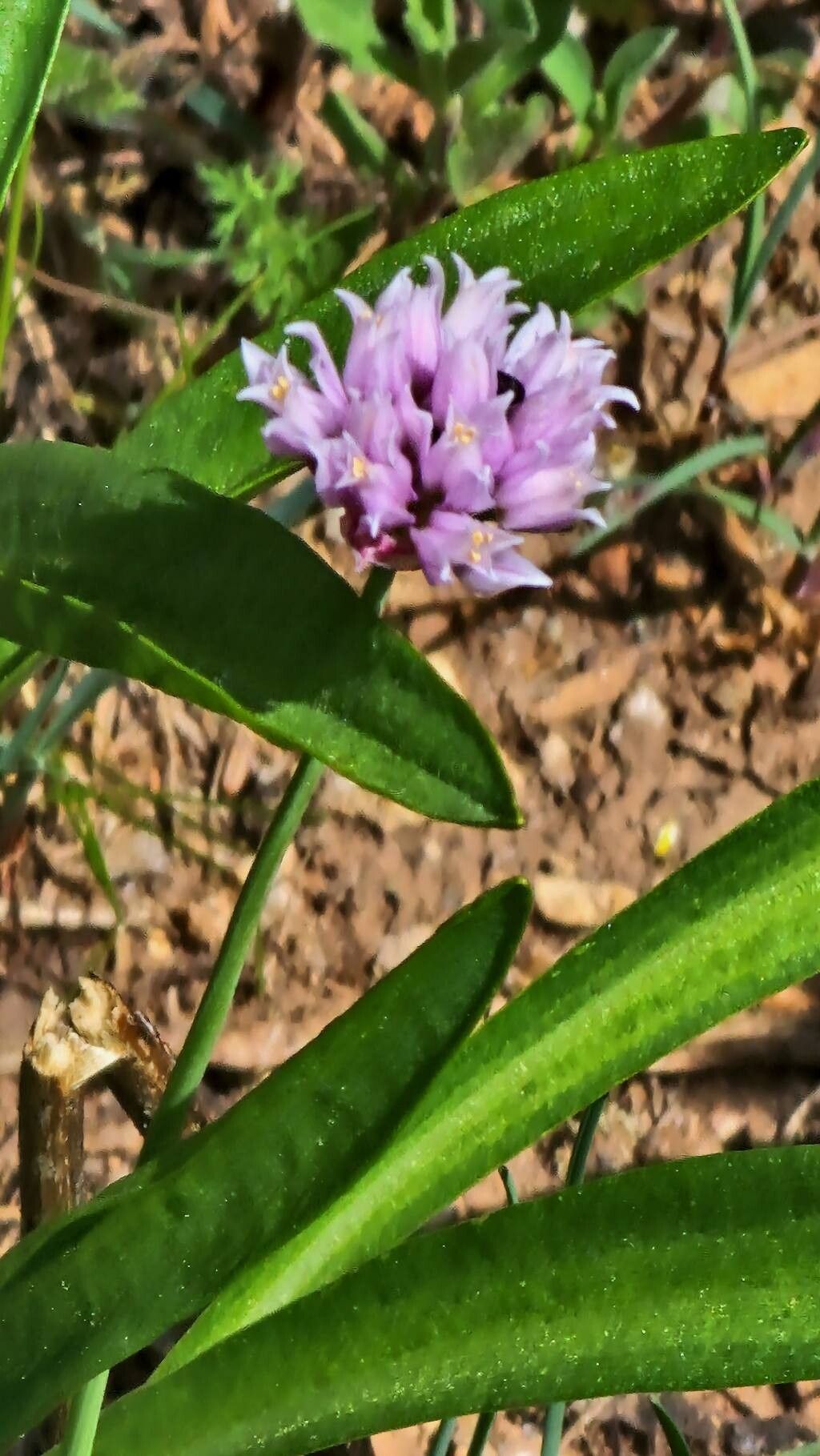
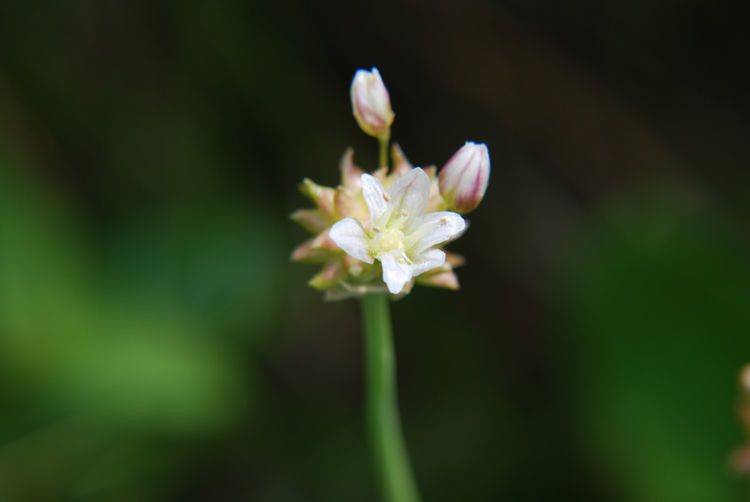
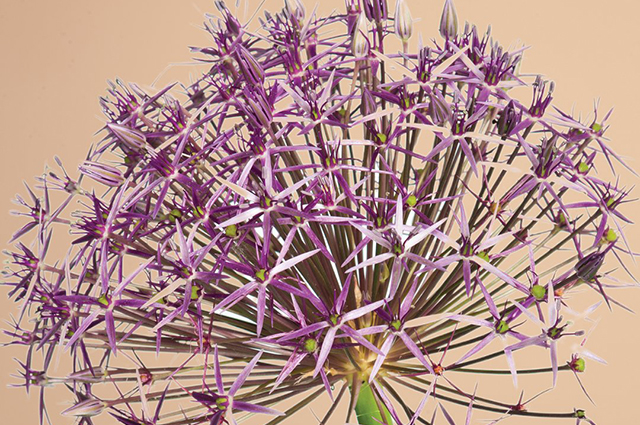
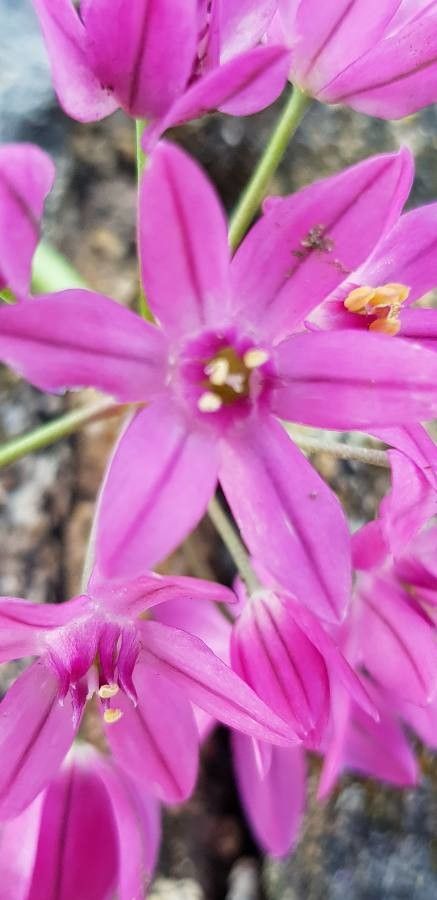
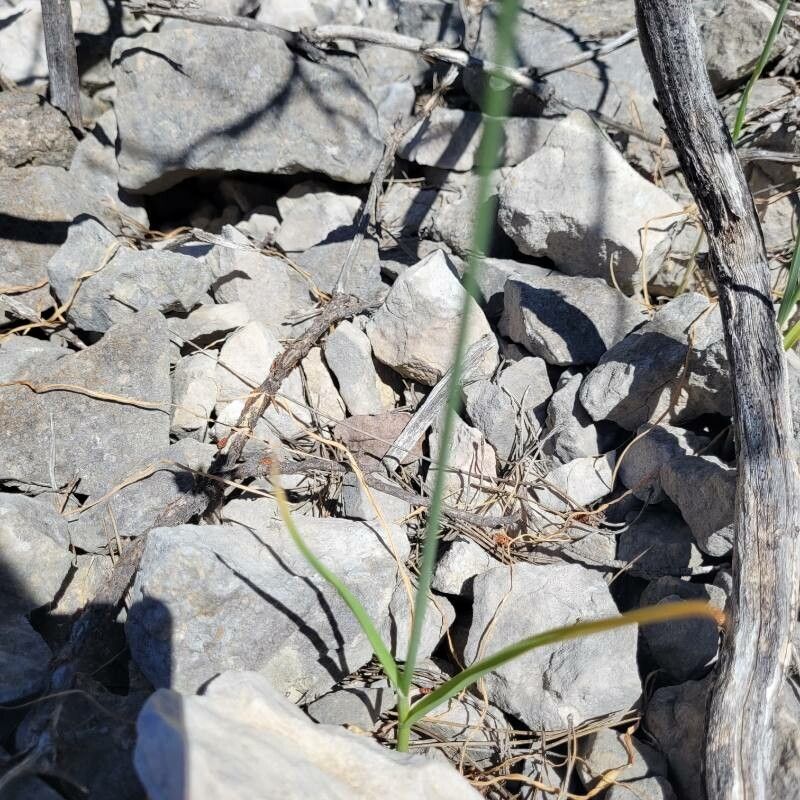
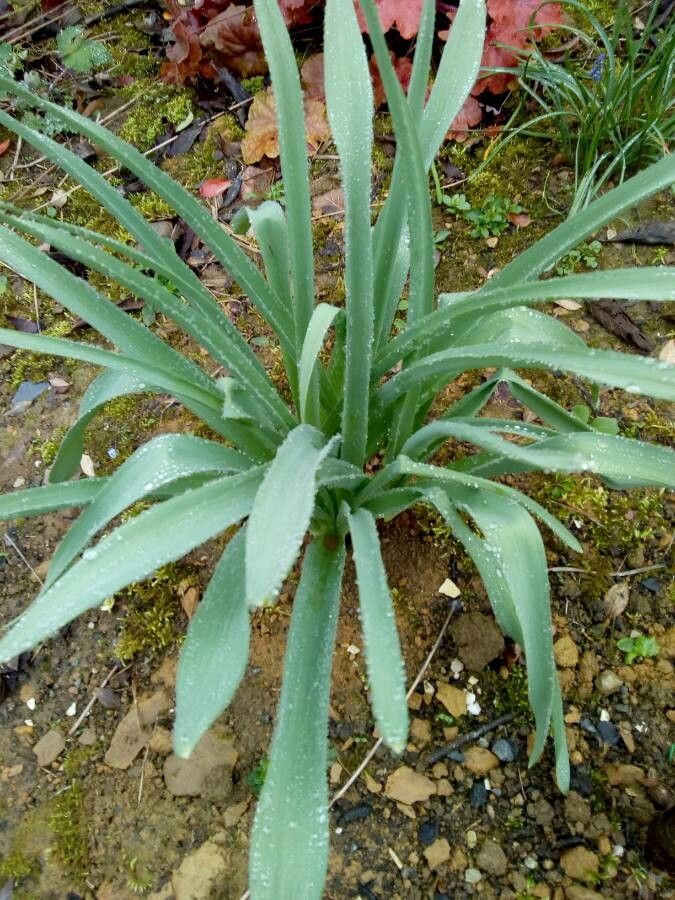
Allium geyeri, commonly known as Geyer's onion, is a perennial herbaceous plant that belongs to the Allium genus. Native to the western United States, it can be found in a variety of habitats, including meadows, rocky slopes, and forests. The plant typically grows up to 30 cm tall and features a single stem with narrow leaves that can reach up to 20 cm in length.
The flowers of Allium geyeri are pinkish-purple and grow in clusters at the top of the stem. These flowers bloom from late spring to early summer and attract pollinators, such as bees, with their sweet fragrance.
The bulbs of this plant have been used for culinary purposes by Native American tribes for centuries. They have a mild onion flavor and can be consumed either raw or cooked in various dishes.
In addition to its culinary uses, Allium geyeri is known for its medicinal properties. Native Americans have traditionally used it to treat respiratory ailments, including coughs and colds.
Overall, Allium geyeri is an attractive ornamental plant with both culinary and medicinal applications, making it a valuable component of traditional medicine practices.
Geyer's onion has strong resistance to disease and is typically not vulnerable to illnesses. Still, it can be affected by pests and diseases present in its environment. Such infections are generally mild. Regarding upkeep, this plant needs a moderate level of care. It should be pruned regularly to preserve an attractive appearance and support healthy growth. Applying fertilizer can also encourage flowering. Geyer's onion is appropriate for anyone with an outdoor area, like a garden or patio, and does not demand extensive gardening experience. It may need extra attention when cultivated indoors.
How to keep Allium Geyeri.
Light
Geyer's onion is a perennial herb that prefers sunny locations and hails from open environments, typically flourishing in meadows and grasslands. While it favours direct sunlight, it can also withstand areas with partial sunshine.
Water
Geyer's onion, which comes from dry regions, is drought-tolerant and needs to be watered weekly for optimal health. It uses water efficiently, which is crucial for bulb development and flowering during its active season, especially in dry climates.
Temperature
Geyer's onion has the capacity to acclimate to various temperature conditions, although its spread can still be constrained by certain combinations of heat and water conditions. It prospers most in hot climates during the summer provided there is sufficient precipitation or irrigation. Extended bouts of overcast and rainy weather, together with excessive heat, can escalate the risk of Geyer's onion's demise. During the winter, providing appropriate protection from the cold may enhance the plant's chances of survival.
Fertilizer
The optimal period to fertilize Geyer's onion is in the early spring when flowers are budding. Proper fertilization prompts improved blossoming and aids Geyer's onion in creating beautiful flowers. Applying fertilizer at the start of spring guarantees superior flowers throughout the season and supplies power for inactive growth stages.
Pruning
Geyer's onion, characterized by its slender, grass-like leaves and pink to lavender flowers, benefits greatly from strategic pruning conducted from early to late spring. To encourage growth and manage seed dispersal, trim the flower stalks once they have finished blooming. Regularly removing any yellowed leaves will also help maintain the plant's health, improving its vitality and enhancing its presence in your garden.
Pot & Repot
For healthy growth, Geyer's onion needs excellent drainage when planted in pots to prevent waterlogging.
Botanical profile.
- Plant Type
- Herb
- Life Cycle
- Perennial
- Genus
- Allium
- Family
- Amaryllidaceae
- Hardiness Zone
- 4-8
- Mature Height
- 30 cm to 61 cm
- Mature Spread
- 15 cm to 30 cm
- Leaf Color
- Light Green
- Leaf Type
- Deciduous
- Flower Color
- Lavender
- Flower Size
- 1.02 cm to 2.03 cm
- Bloom Time
- Late spring, Early summer
- Planting Time
- Spring, Summer
- Harvest Time
- Mid summer, Late summer
Other names.