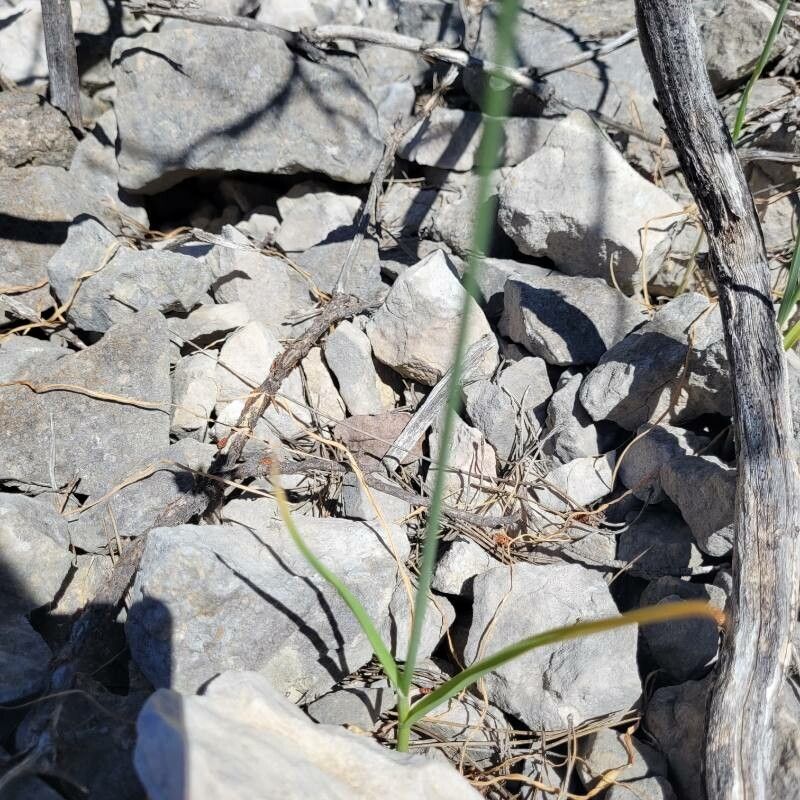
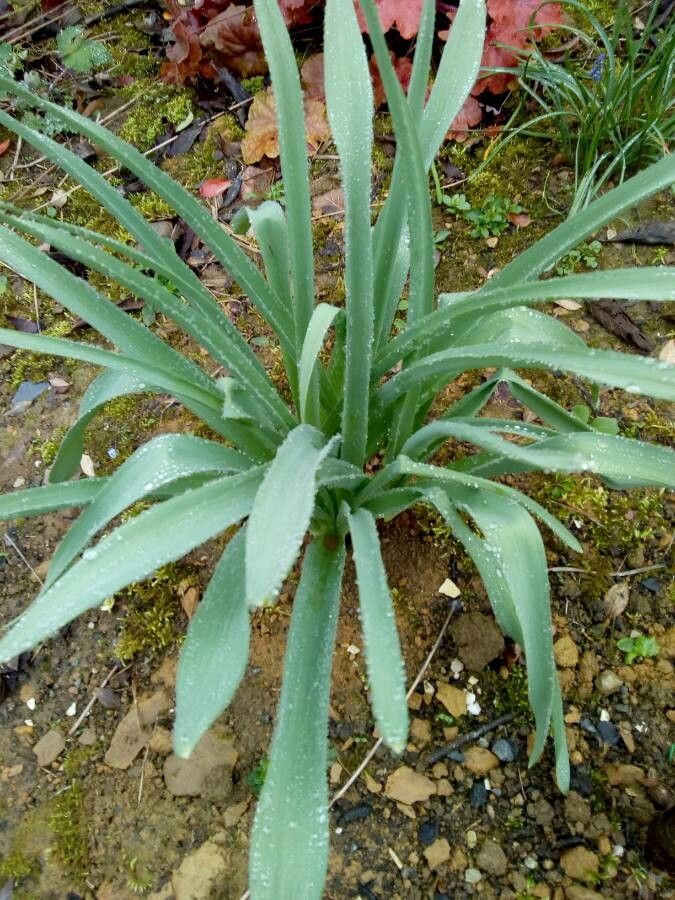
Allium longispathum, commonly known as the Long-spiked Onion, is a perennial herbaceous plant belonging to the Allium genus. Native to Central Asia, it can be found in countries such as Kazakhstan, Kyrgyzstan, Tajikistan, and Uzbekistan.
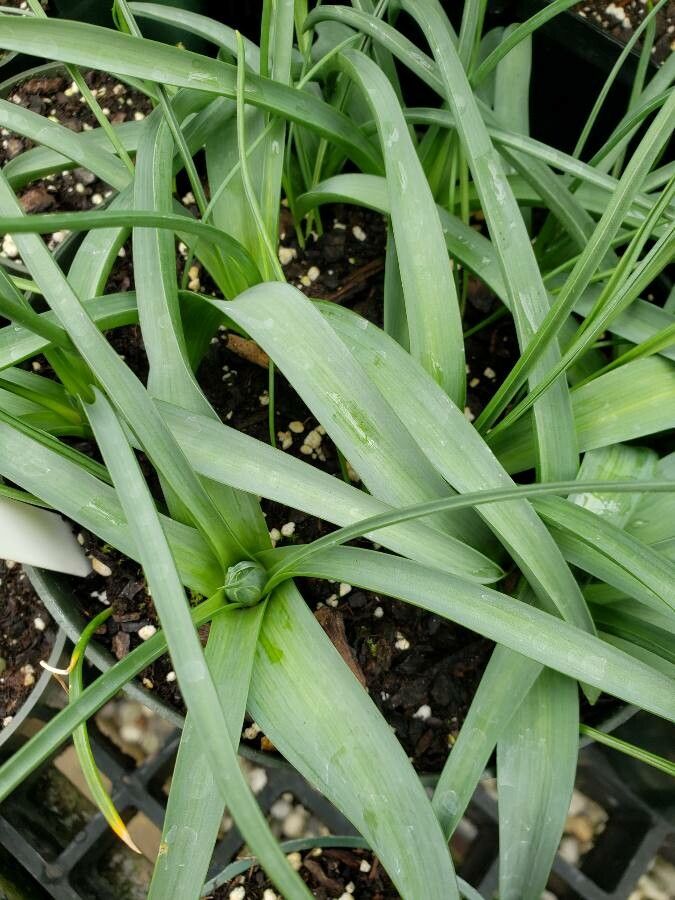
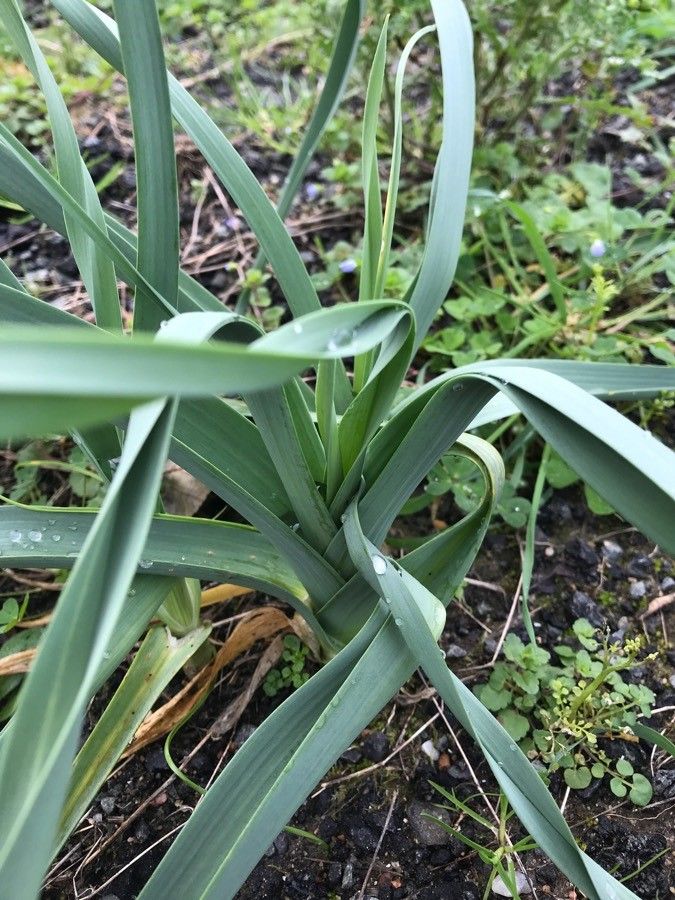
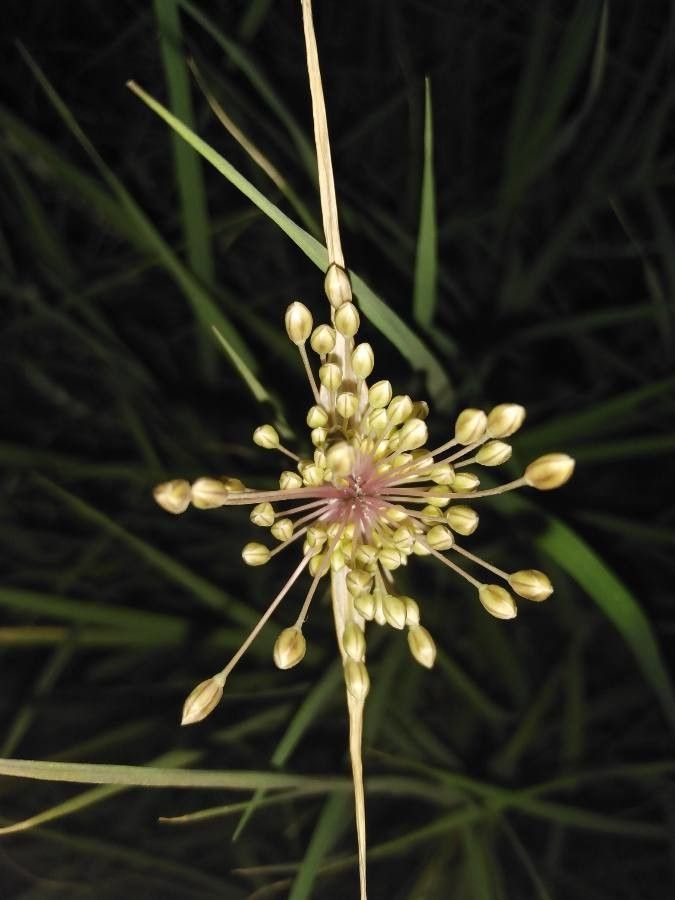
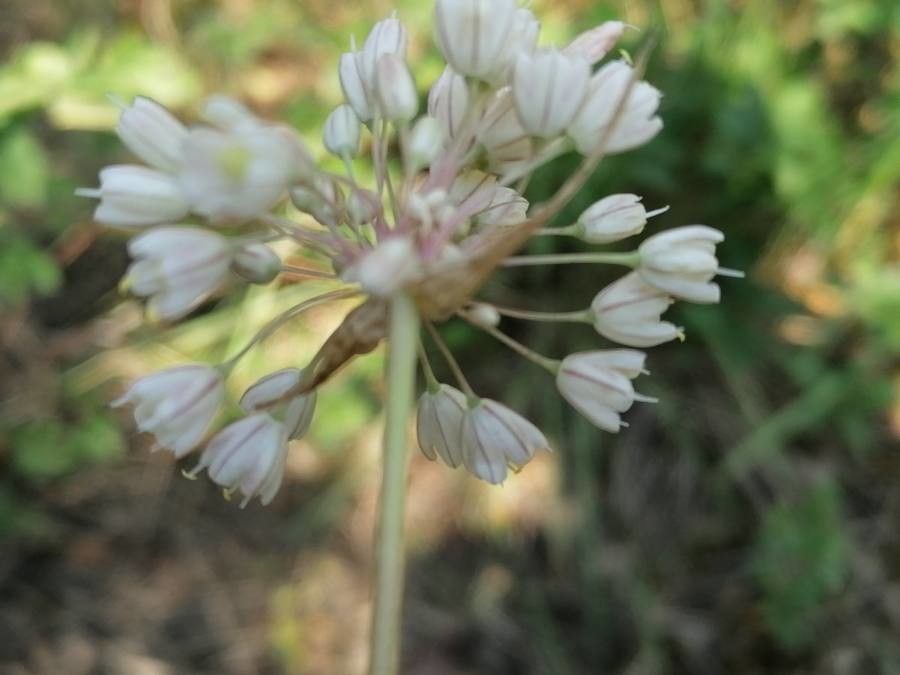
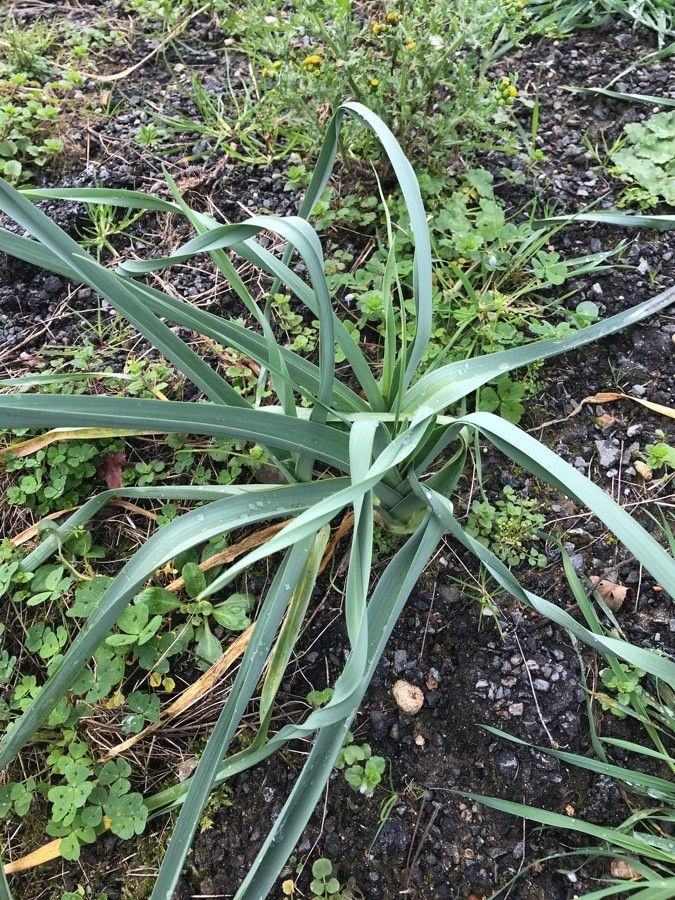
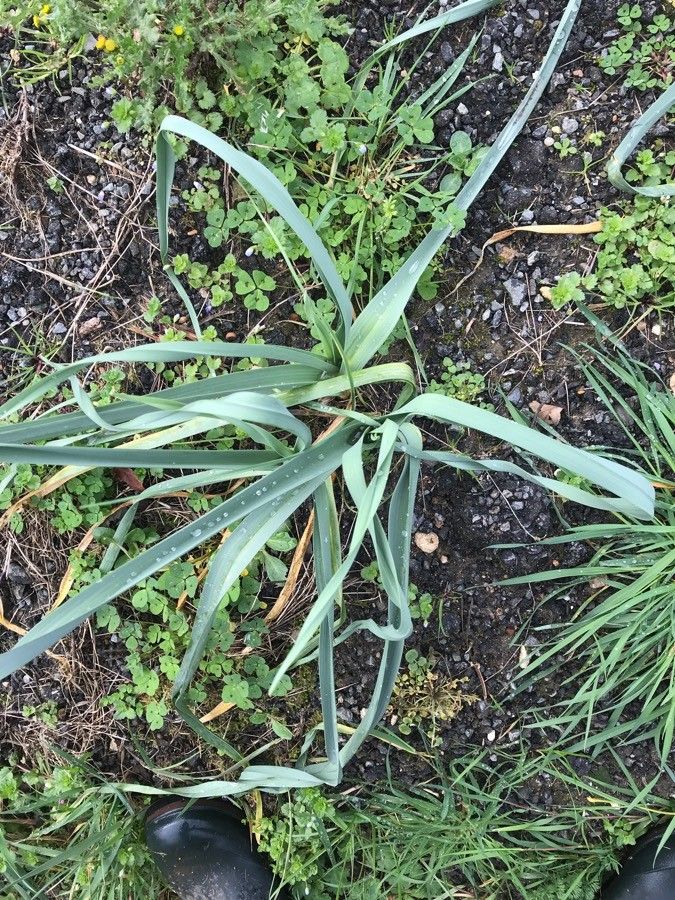
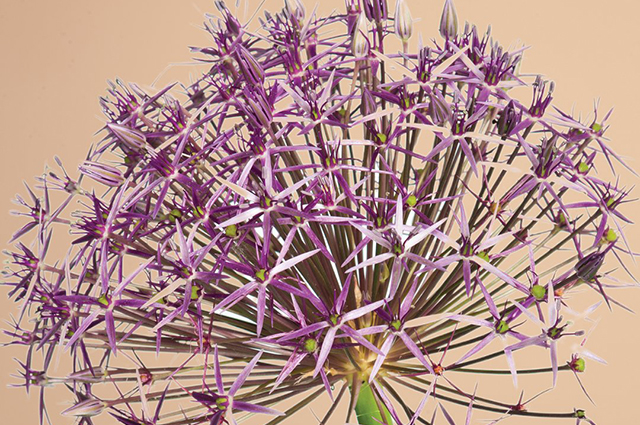
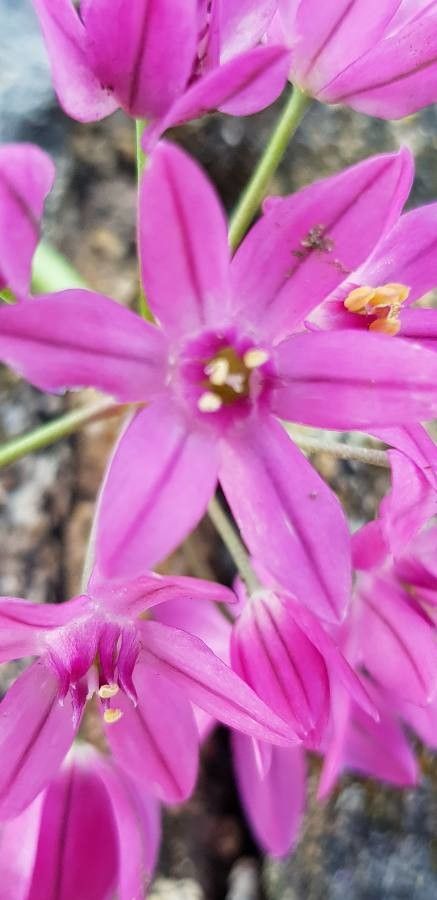
The plant reaches a height of up to 60 cm and features long, narrow leaves that can extend up to 30 cm. The flowers are small, white or pinkish, and approximately 1 cm in diameter. They form a dense cluster at the top of a tall stem.
Allium longispathum thrives in well-drained soil with full sun exposure but can also tolerate partial shade. It blooms from June through August.
Historically, the Long-spiked Onion has been valued for its medicinal properties. Its antibacterial effects make it effective against various infections, including respiratory and urinary tract infections.
Additionally, Allium longispathum has culinary uses. It can be used fresh or dried as an herb or spice, providing a strong onion-like flavor that enhances dishes such as soups and stews.
Overall, Allium longispathum is a fascinating plant with both medicinal and culinary applications, playing a significant role in Central Asian culture for centuries.
Mediterranean onion shows good resistance to disease and is generally not prone to diseases. As for care, this plant is fairly low maintenance. When grown outdoors it needs only minimal watering, and larger plants typically do not require pruning. Smaller plants, however, should be pruned after they finish blooming. Mediterranean onion is well suited to anyone with an outdoor area, such as a garden or a deck, and does not demand extensive care experience.
Botanical profile.
- Life Cycle
- Perennial
- Genus
- Allium
- Family
- Amaryllidaceae
- Hardiness Zone
- 5-10
- Leaf Type
- Semi-evergreen