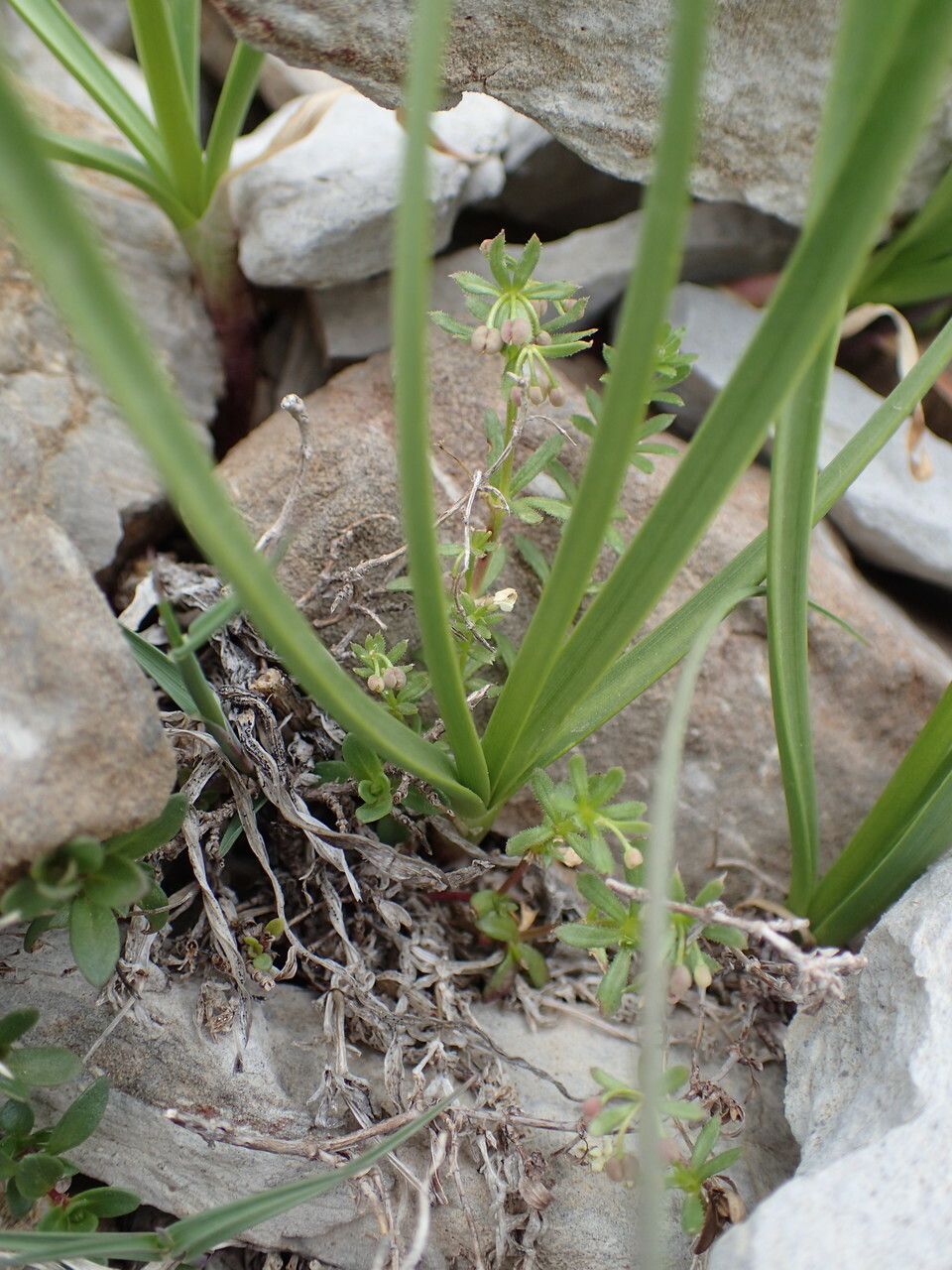
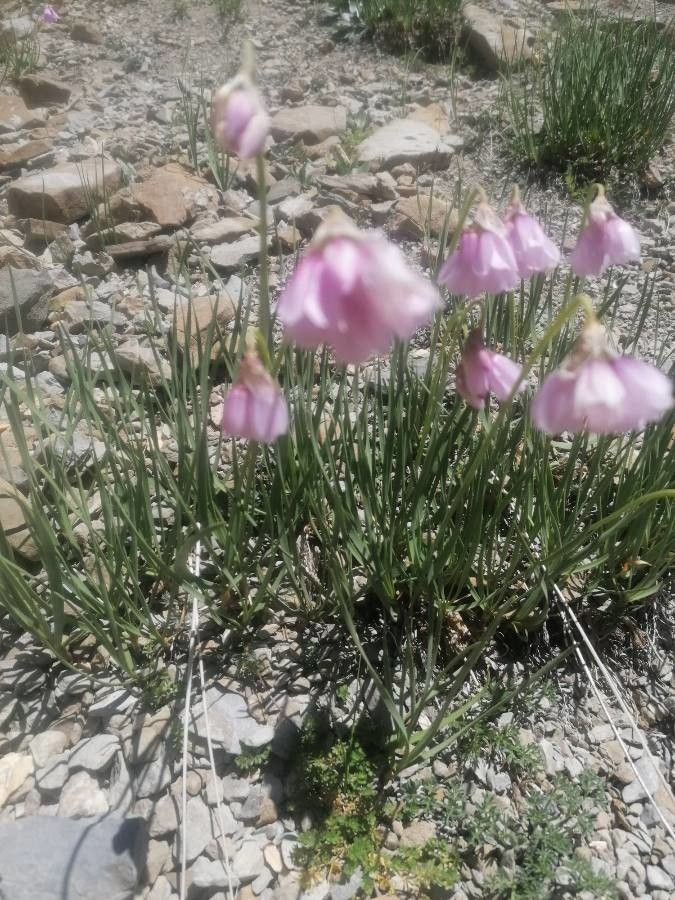
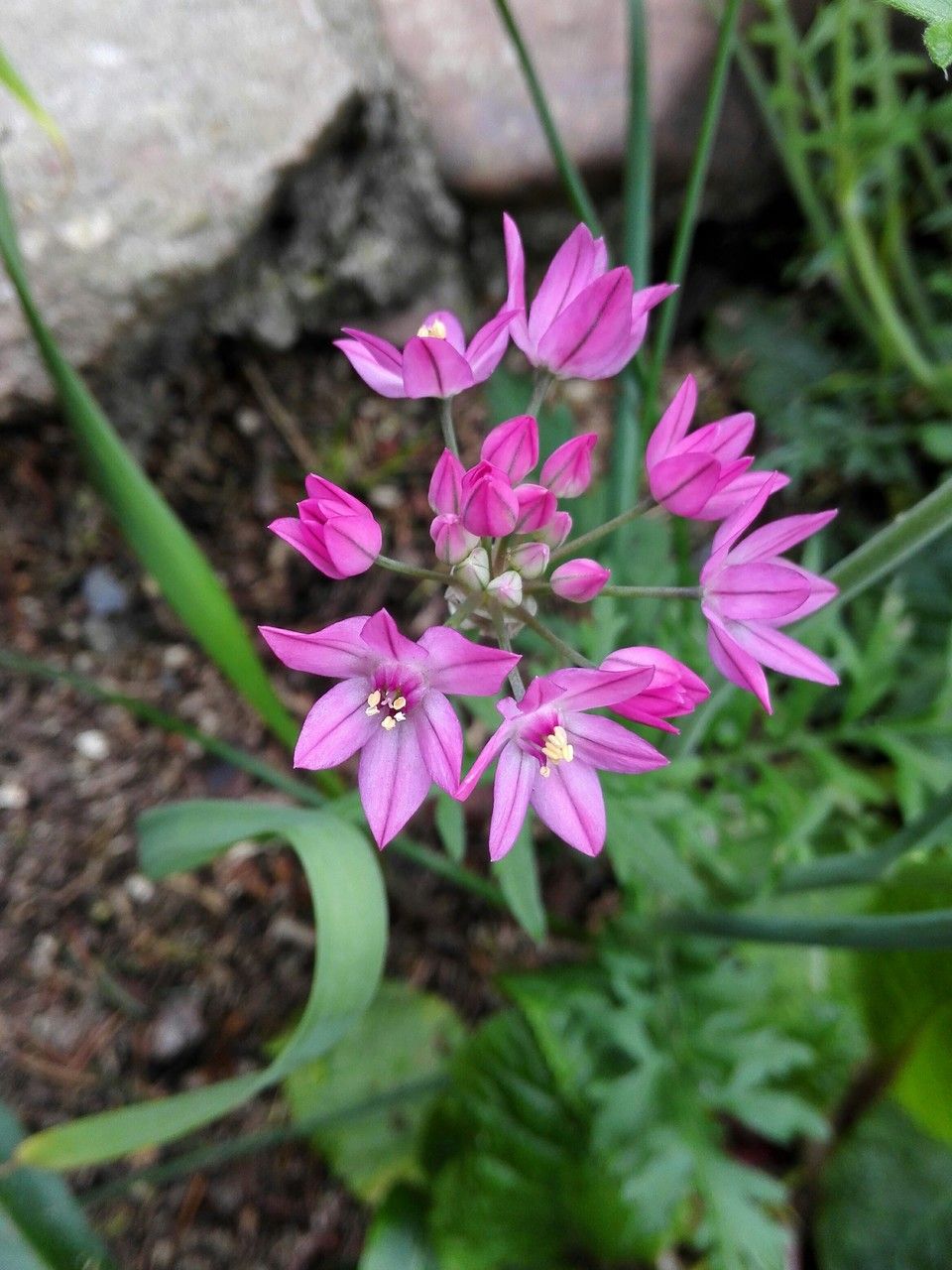
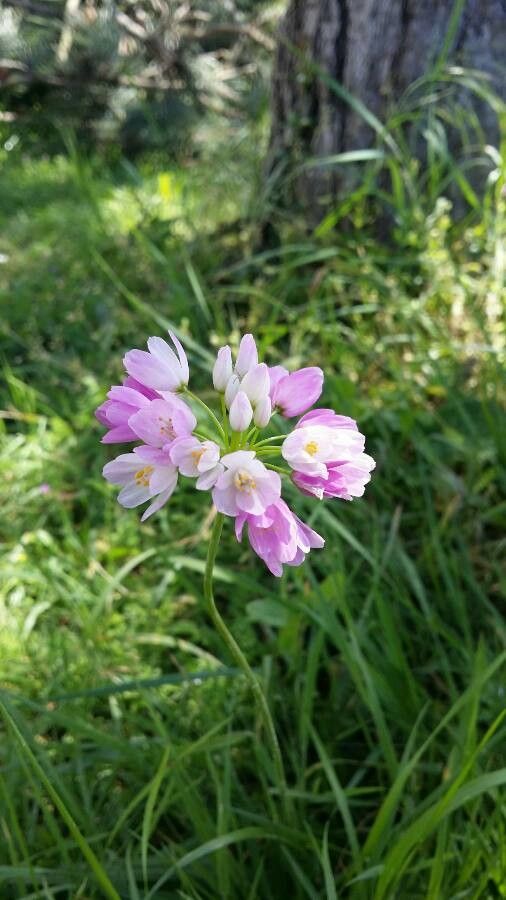
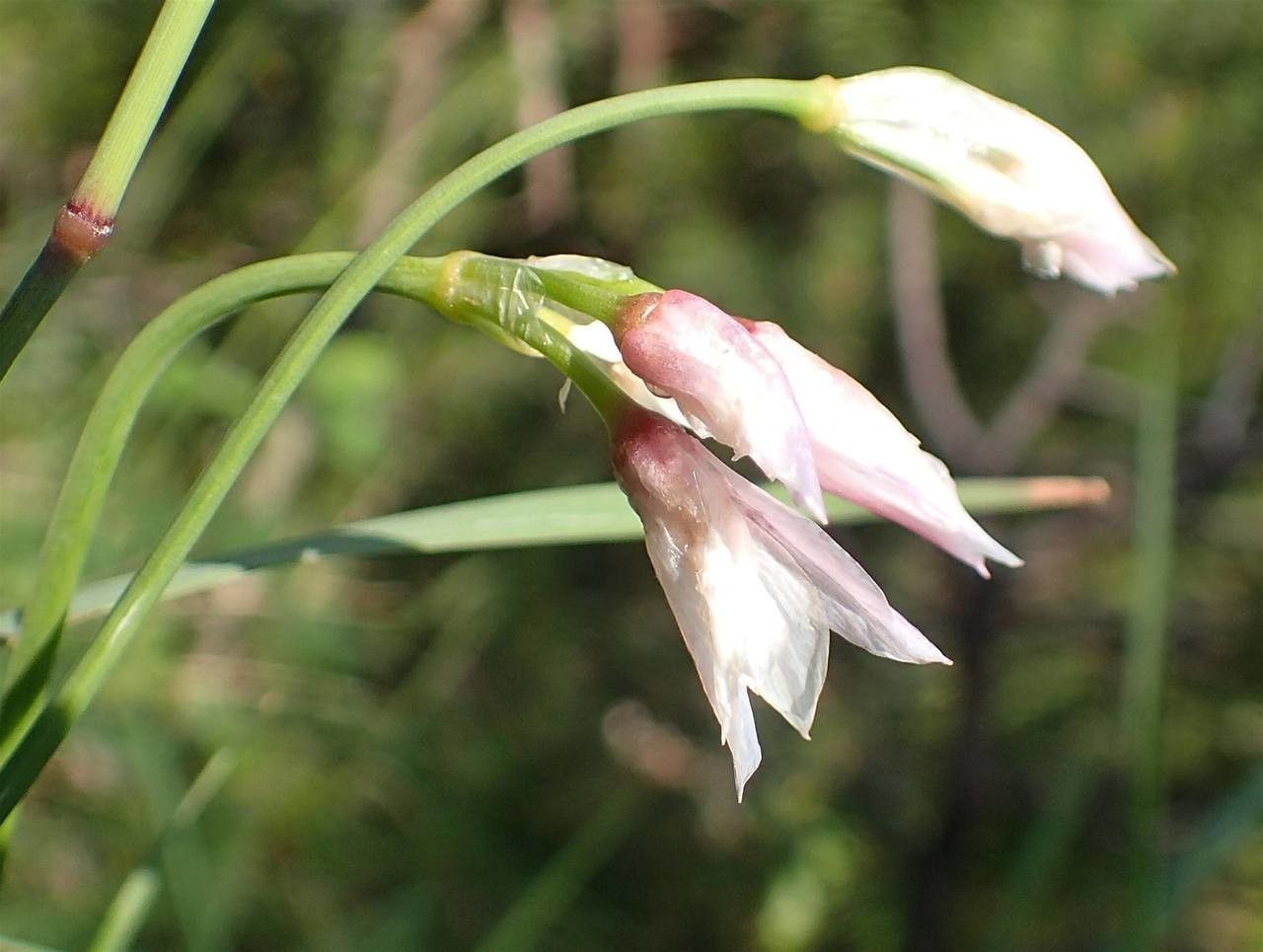
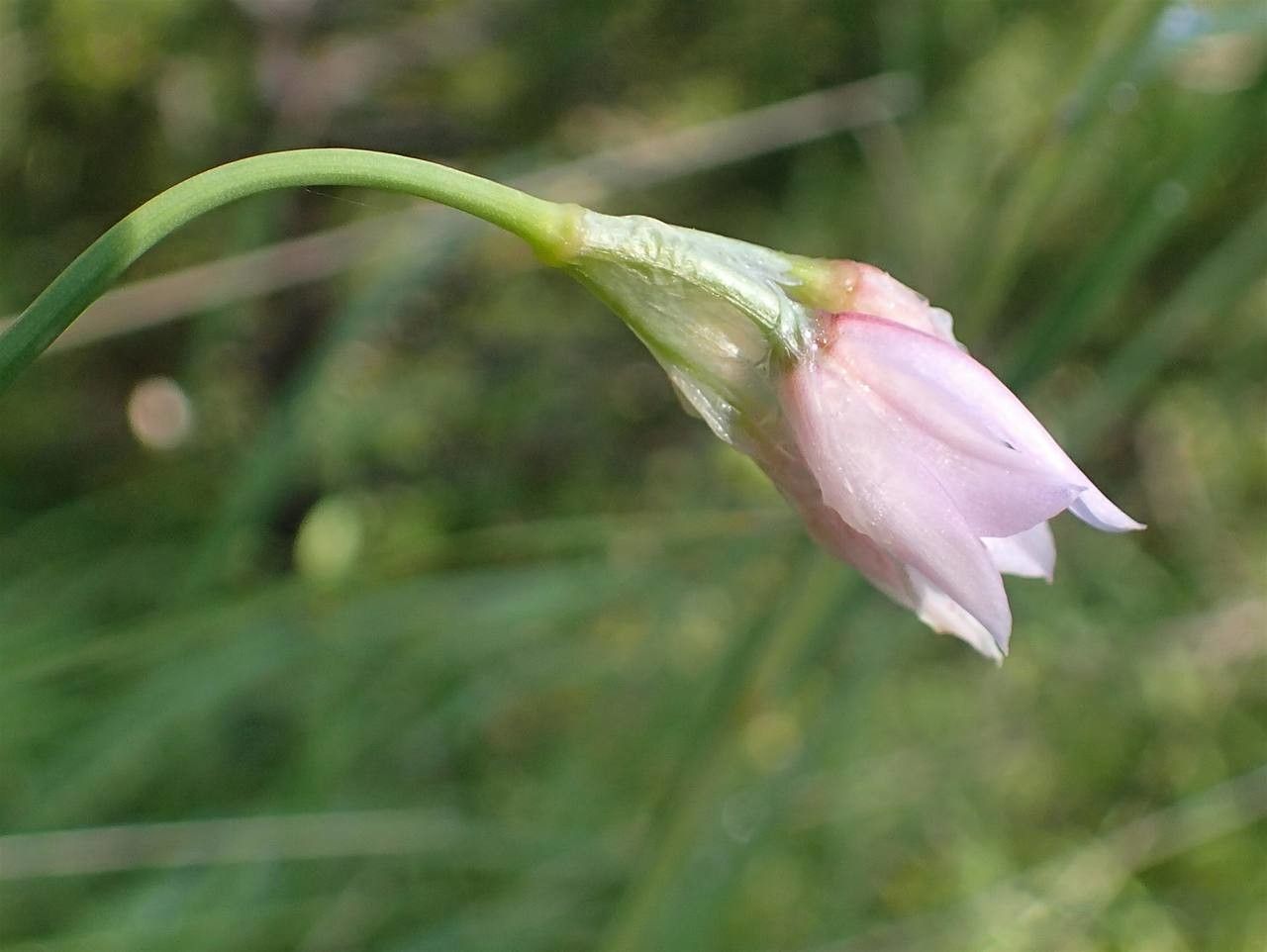
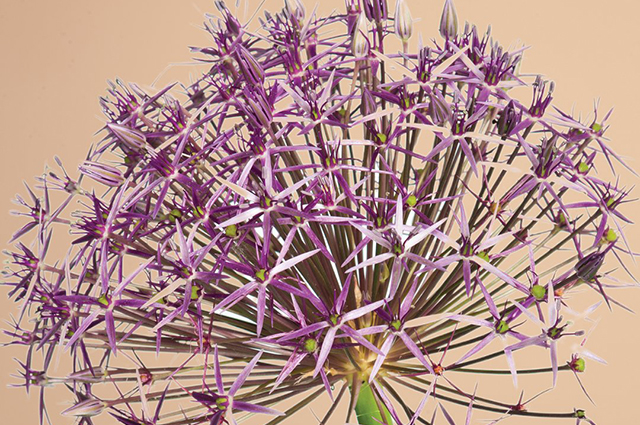
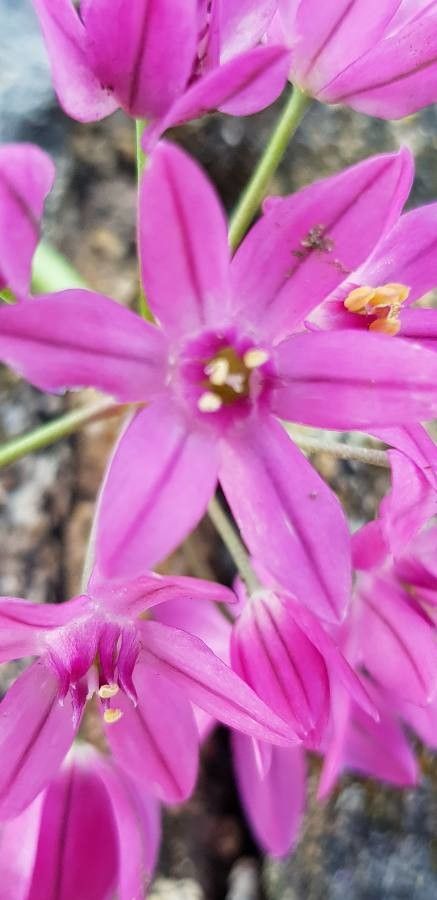
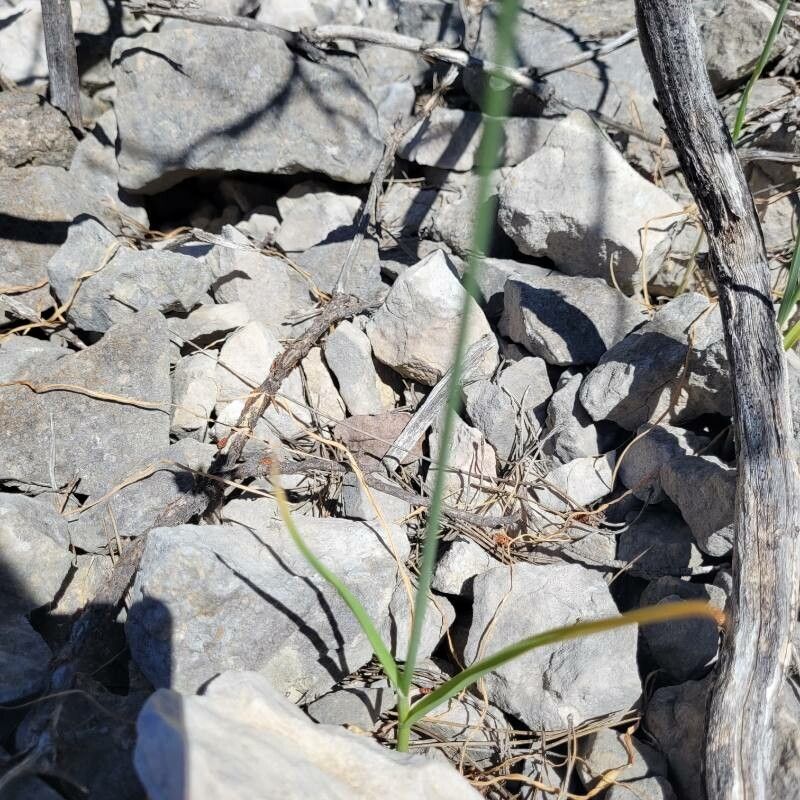
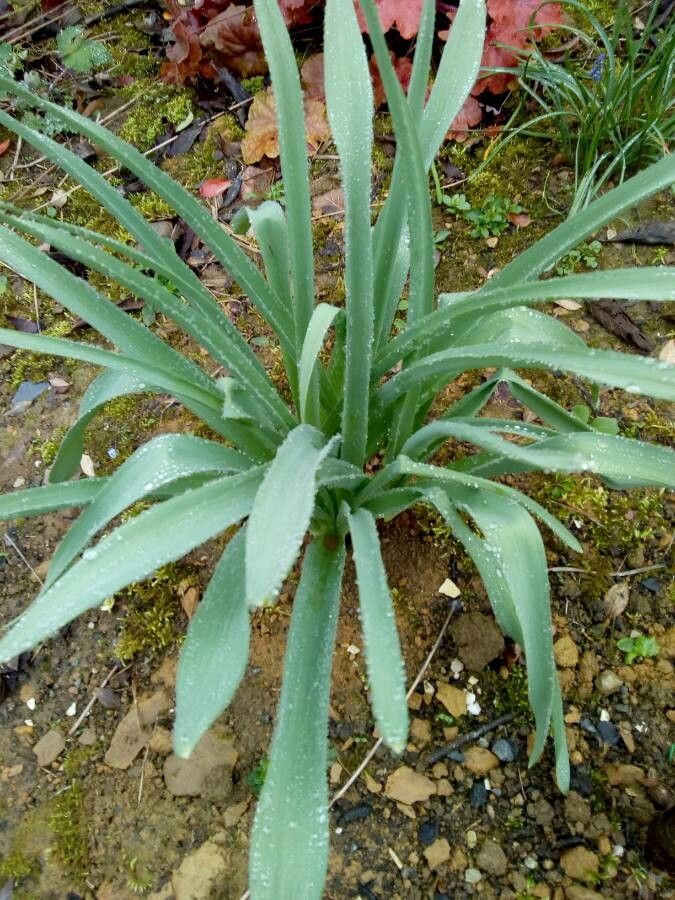
Allium narcissiflorum is a European species of wild onion native to northwestern Italy (Piemonte and Liguria), southwest France (Provence and Dauphiné). It is grown in other regions as an ornamental because of its pretty flowers.Allium narcissiflorum is a small and delicate plant very similar to A. insubricum but found at higher elevation in the mountains. In A. insubricum, the umbel is nodding (hanging downward) at flowering time and remaining nodding when the seeds are mature. In A. narcissiflorum, however, the umbel is nodding at flowering time but erect at maturity. Allium narcissiflorum forms clumps of many individuals, spreading by means of underground rhizomes. Scapes up to 15 cm tall bearing 4-10 bell-shaped magenta flowers.
Piedmont garlic is fairly disease-resistant and generally not prone to illnesses. Still, it can be affected by pests and diseases present in its environment. These problems are typically mild. As for care, this plant needs moderate maintenance. It should be pruned regularly to preserve a neat appearance and healthy growth. Fertilizing can also help encourage flowering. Piedmont garlic is suitable for anyone with outdoor space like a garden or patio and does not demand extensive care experience. It may need extra attention when grown indoors.
How to keep Allium Narcissiflorum.
Light
Piedmont garlic does best when it gets prolonged sunlight during the day. It can also tolerate lower light levels, as seen in its native habitat with varying light conditions. Excessive shade or too little light can impede the plant’s healthy growth.
Water
Piedmont garlic thrives in well-drained soil, resembling the conditions of its native alpine meadows. It requires moderate watering, ideally every 1-2 weeks. While usually grown outdoors, it flourishes with rainwater and adapts well to changing weather patterns and natural precipitation cycles.
Fertilizer
For Piedmont garlic, the primary time to apply fertilizer is in early spring as the flowers begin to form. The appropriate fertilizer promotes better blooms and helps Piedmont garlic produce attractive flowers. Fertilizing in early spring ensures excellent flowers during the season and supplies energy for dormant growth phases.
Pruning
Piedmont garlic is prized for its fragrant flowers and its versatility in both ornamental and culinary applications. To maintain healthy plants, prune in the spring by removing dead foliage. After the blooms have faded, lightly trim the plant to shape it and prevent seeding. Regular pruning also improves air circulation and reduces the risk of disease. For the best results, use clean, sharp tools.
Pot & Repot
For Piedmont garlic to grow well, it needs pots with excellent drainage. This prevents waterlogging, which can damage the roots.
Botanical profile.
- Plant Type
- Herb
- Life Cycle
- Perennial, Annual, Biennial
- Genus
- Allium
- Family
- Amaryllidaceae
- Hardiness Zone
- 5-9
- Mature Height
- 30 cm
- Mature Spread
- 30 cm
- Leaf Color
- Green, Gray
- Leaf Type
- Deciduous
- Flower Color
- Pink
- Flower Size
- 3.05 cm to 4.06 cm
- Bloom Time
- Early summer, Mid summer
- Planting Time
- Spring, Summer, Autumn
- Harvest Time
- Late summer, Early fall
- Native Area
- Italy, France
Other names.
Reader questions.
How should I water my Piedmont garlic?
To ensure the optimal growing conditions for Piedmont garlic, it is important to consider a few key points. Firstly, using filtered water instead of tap water is recommended since tap water may contain harmful particles. Additionally, the water used should be at room temperature or slightly warmer to avoid shocking the plant's system due to its origin in warm environments. Another important point is to avoid overhead watering, as this can lead to complications with the foliage. Instead, it is advisable to apply filtered room temperature water directly to the soil until it is completely soaked. This method of watering is beneficial as it moistens the roots and allows them to spread and collect the necessary nutrients from the soil.
Why should I put fertilizer on my Piedmont garlic?
Fertilization plays an important role for Piedmont garlic, as it provides essential nutrients for the plant's growth above and below ground. However, Piedmont garlic has relatively low fertilization needs and can sometimes survive well without it. Nevertheless, annual fertilization can greatly benefit the plant, ensuring its survival and potentially enhancing flower quality and durability. Therefore, those seeking to optimize the appearance of their Piedmont garlic should prioritize regular fertilization.
What are the sunlight requirements for Piedmont garlic?
Piedmont garlic thrives best under full sun conditions, requiring more than 6 hours of direct sunlight per day for optimal growth. It can also grow under partial sun, which means about 3-6 hours of sunlight daily. However, it's crucial to observe how sunlight moves through your garden to ensure plants get the right balance of light and shade. This attention to light ensures your plants grow healthy and strong.
What is Piedmont garlic?
Piedmont garlic, scientifically known as Allium narcissiflorum, is a species of the Allium family. This category encompasses a variety of plants including onions, leeks, and garlic. Although specific details about Piedmont garlic such as its essential uses, symptoms of its consumption, and additional information were not provided, it's important to note its botanical significance and its classification within the diverse and widely utilized Allium genus.
What should I do if I give my Piedmont garlic too much water or not enough water?
Both overwatering and underwatering can harm the health of your Piedmont garlic, but overwatering is more common. When this happens, the stems and leaves may wilt and turn yellow. Overwatering can also lead to diseases like root rot, mold, and mildew, which can kill the plant. While underwatering is less common for Piedmont garlic, it can still happen. In this case, the leaves may become brittle and brown. It's important to recognize the signs of overwatering early because some diseases like root rot cannot be fixed if left too long. If you notice these signs, reduce your watering schedule and check if the soil drainage is poor. Replace the soil with a well-draining mix if needed. If your garlic appears to be receiving too little water, just water more regularly until the signs improve.
When should I fertilize my Piedmont garlic for the best results?
The best time to fertilize a Piedmont garlic is in the late winter to early spring when it is transitioning from dormancy to active growth. Fertilizing during this time helps promote healthy growth and gets the plant off to a strong start for the season. While it is typically best to fertilize in early spring, fertilizing in the fall is also acceptable. However, it is not recommended to fertilize in the summer or winter.
What essentials should be considered for growing Piedmont garlic successfully?
For successful growth, Piedmont garlic needs extensive sun exposure throughout the day. It can tolerate less sunlit conditions, similar to its natural habitat, which experiences varying light intensities. Inadequate light conditions can hinder the plant's development. When natural light is insufficient, such as during winter or in less sunny spaces, using artificial lighting can promote healthier, faster growth. LED lights are recommended for their ability to provide specific wavelengths needed by plants. Depending on the type of plant, the wattage per square foot varies from 10-50W, with the light source placed 12-36 inches above the plant for 8-12 hours per day to mimic natural daylight.
How frequently do I need to water my Piedmont garlic?
If your Piedmont garlic plant is in a pot, the most precise way to determine if it needs water is to probe the soil with your finger. If the top two to three inches of soil feels dry, it's time to water it. For Piedmont garlic grown outdoors in the ground, you can use a similar method to test the soil. Again, if the top few inches of soil are dry, it's time to water. Typically, during spring and early fall, you'll need to water this plant about once a week using this method. However, during extremely hot weather, you may need to water it two or more times a week. Nevertheless, mature, well-established Piedmont garlic has the remarkable ability to withstand drought.
When should I not add fertilizer to my Piedmont garlic?
To ensure optimal growth of your Piedmont garlic, it is important to follow a specific fertilization schedule. The plant only requires one feeding per year, which should be done in late winter or early spring. Overfertilization can easily occur if you continue to fertilize during the spring, summer, and fall seasons, so it is best to avoid it. However, if you missed the opportunity to fertilize in spring, you can feed the plant in the fall. During the winter, when the Piedmont garlic is in a dormant phase and not actively growing, fertilization is not recommended.
What are the symptoms of insufficient sunlight on Piedmont garlic?
When Piedmont garlic is placed in rooms with inadequate lighting, several symptoms might appear, including smaller new leaves, leggy or sparse growth, faster leaf drop, slower or no new growth, lighter-colored new leaves, chlorosis, sunscald, leaf curling, wilting, and leaf scorching. These symptoms indicate a range of issues from reduced chlorophyll and essential nutrients due to insufficient sunlight, to damage and stress inflicted by excessive sunlight exposure.
How much water does my Piedmont garlic require?
To water your Piedmont garlic effectively, make sure the first two to three inches of soil are dry before watering. Give the plant a thorough watering, making sure to soak the soil completely. It's important to add enough water so that excess water flows through the drainage holes at the bottom of the pot. If you don't see excess water draining, it means you haven't watered enough. However, be careful not to let water accumulate in the soil, as this can harm the plant. On the other hand, if water doesn't drain through the pot, it could be a sign of poorly draining soil, which is not good for the plant's health. If the plant is outside, about 1 inch of rain per week should be sufficient.
What kind of fertilizer does my Piedmont garlic need?
For Piedmont garlic, any general-purpose fertilizer with a balanced blend of the three main plant nutrients will generally work well. However, there are certain nutrient blends that can be even more beneficial. Many gardeners believe that higher levels of phosphorus can lead to stronger roots and better flowers, which is particularly important for flowering plants like Piedmont garlic. So, using a phosphorus-rich fertilizer may be the best approach. Whether you choose a granular or liquid form, make sure the fertilizer is nutrient-rich. Aside from manufactured fertilizers, you can also use organic methods to improve the soil for your Piedmont garlic. Adding compost, manure, and similar materials can greatly enhance the quality of the growing medium.