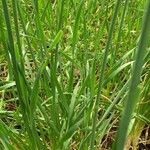
Allium nutans
Blue Chives · Siberian Garlic Chives · Steppe Onion · Siberian chives
Description
Source: leafsnapAllium nutans, English common name Siberian chives or blue chives, is a species of onion native to European Russia, Kazakhstan, Mongolia, Tibet, Xinjiang, and Asiatic Russia (Altay Krai, Krasnoyarsk, Tuva, Western Siberia, Amur Oblast). It grows in wet meadows and other damp locations.Allium nutans has one or two bulbs up to 1.5 to 20 cm (5⁄8 to 7+7⁄8 in) in diameter. Scapes are winged and 2-angled, 30 to 60 cm (12 to 24 in) tall. Leaves are flat, tapering at both ends, 6 to 10 mm (0.24 to 0.39 in) wide at the widest spot (rarely to 15 mm or 0.59 in), about half as long as the scapes. Umbels are spherical, with many pink to pale purple flowers.
🎭 Safeguarding, Removal of Evil Spirits, Restoration
Care Guide
💧 Water
Blue chives, native to mountainous regions, thrive in moderate moisture conditions and are tolerant of drought. To keep them healthy, water them weekly. During their active growing season, natural rainfall can further enhance their growth. Although typically grown outdoors, blue chives benefit from a balance between regular watering and occasional dry spells.
☀️ Light Full sun
The nodding onion does well in places that receive plenty of sunlight. It grows best in well-lit conditions, though it can tolerate locations with somewhat less light. However, long periods of reduced sunlight can result in weakened growth and health problems.
🌡️ Temperature 0–35°C
Nodding onion is native to regions where temperatures typically range from 32 to 95 °F (0 to 35 ℃). Consistent with its natural environment, it performs best when maintained within that range. Seasonal temperature changes should be kept minimal, aiming to remain within these preferred limits.
💨 Humidity
🪴 Soil 6-7
🌱 Fertilizer
To maximize the yield and flavor of Nodding onion, provide ample nitrogen throughout the entire growth cycle, including before planting and up to harvest. Well-watered, properly fertilized plants produce abundant, healthy leaves and help reduce bitterness. Before planting, enrich the soil with organic matter like compost or manure, ideally 2 to 8 weeks ahead.
🪴 Pot & Repot
Blue chives need excellent drainage when grown in pots to ensure their optimal health and growth. Good drainage prevents root rot and promotes air circulation, both of which are essential for developing a strong, healthy plant.
✂️ Pruning
Blue chives are a hardy perennial plant known for their blue flowers and onion-like aroma. To promote healthy growth, prune the plant between early and late spring to remove any dead foliage, improve air circulation, and encourage blooming. Use sharp shears for pruning and follow up with a balanced fertilization plan to support optimal growth.
🌿 Propagating
🐛 Diseases & pets
☠️ Toxicity
Characteristics
- Plant Type
- Herb
- Life Cycle
- Perennial
- Genus
- Allium
- Family
- Amaryllidaceae
- Hardiness Zone
- 3-9
- Mature Height
- 52 cm
- Mature Spread
- 3 cm to 30 cm
- Leaf Color
- Green
- Leaf Type
- Deciduous
- Flower Color
- Pink
- Flower Size
- 2.54 cm
- Bloom Time
- Summer
- Planting Time
- Autumn
- Harvest Time
- Late summer, Early fall, Mid fall
- Native Area
- Georgia, Mexico