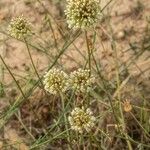
Allium paniculatum
Pale garlic · Panicled onion · Mediterranean onion · Paniculate onion
Description
Source: leafsnapAllium paniculatum, common name pale garlic It is widely cultivated and is now naturalized in several places outside its native range.
Care Guide
💧 Water
The Mediterranean onion originates from dry, rocky regions and displays a strong tolerance to drought. To care for this plant, water it sparingly, approximately once a week. Ensure it receives full sun and plant it in well-draining soil to prevent waterlogging, particularly during the growing season.
What is the best way to water my Mediterranean onion? = How should I water my Mediterranean onion plant?
The Mediterranean onion has specific requirements for water and the method of watering is crucial. If not done correctly, it can negatively impact your tomatoes. To water the Mediterranean onion properly, you should apply water directly to the soil using a slow and gentle technique. Avoid pouring all the water at once and do not use overhead watering. It is recommended to water slowly but deeply to ensure adequate moisture throughout the soil surrounding the Mediterranean onion.
What should I do if I give my Mediterranean onion too much or too little water?
If you have overwatered your Mediterranean onion and are concerned about the risk of disease, take immediate action. The best approach is to uproot the onion from its current location and allow its roots to dry a bit before replanting it in a new location with good soil drainage. If you grow in pots, consider using a pot with better drainage. In the case of underwatering, simply increase the frequency of watering your plant.
How much water does my Mediterranean onion need?
The Mediterranean onion needs a lot of water for its entire growing season. To meet this high water requirement, you should water it frequently from spring to summer. At the start of the season, watering once or twice a week is sufficient. As the season progresses, increase the frequency of watering, possibly up to twice a day or more in the summer, depending on the weather. After the onion has completed its major growth phases, you can reduce watering to once a week until the end of the growing season.
How much water does my Mediterranean onion plant require?
Mediterranean onions are highly popular and widely cultivated by both professional and amateur gardeners. Hence, we have a good understanding of how to properly care for these plants. This includes knowing the ideal amount of water that an average Mediterranean onion should receive. As a general guideline, it is recommended to provide approximately 1 - 1.5 inches of water per week, evenly distributed during your weekly watering routine. As the temperature rises, you may need to increase the watering amount, but in most situations, providing around two inches of water per week should suffice.
How do I know if I'm giving my Mediterranean onion enough water?
There are two main problems that can happen to your Mediterranean onion: underwatering and overwatering. These problems have similar symptoms, such as discolored and wilting leaves. When your onion is underwatered, its leaves will start to curl and droop, becoming less healthy-looking. Underwatering can also cause stunted growth and poor development, as this plant needs a lot of water. On the other hand, overwatering can lead to diseases like rot and unpleasant smells from the soil. Symptoms of underwatering manifest faster than overwatering, and you can also tell if the soil is overwatered by seeing standing water or waterlogged soil.
☀️ Light Full sun
Black garlic does best with direct, unfiltered sunlight for a substantial part of the day. This improves its growth and overall health. It can also tolerate sunlight that is filtered or scattered across its foliage for portions of the day. Take care, because too little light can stunt growth and too much exposure can scorch the foliage.
What are the sunlight requirements for Mediterranean onion (Allium paniculatum)?
The Mediterranean onion thrives in conditions of full sun, which means it needs more than 6 hours of sunlight daily, but it can also manage with partial sun, requiring about 3-6 hours of sunlight. Originating in sunny climates, this plant loves ample light for optimal growth at all stages. Insufficient light may hinder its growth, so ensuring the plant gets enough sunlight or artificial light if indoors is crucial for its health and productivity.
How can artificial lighting support the growth of the Mediterranean onion indoors?
For indoor Mediterranean onions, adequate lighting is essential, especially when natural sunlight is insufficient. Artificial lighting can promote faster, healthier growth by providing the necessary wavelengths of light. LED lights are a popular choice because they can be customized to the plant's needs. Full sun plants need 30-50W/sq ft, partial sun plants require 20-30W/sq ft, and full shade plants 10-20W/sq ft of artificial light. The light source should be placed 12-36 inches above the plant, mimicking natural sunlight, and provided for 8-12 hours per day, depending on the plant species' natural daylight hours.
What are some common symptoms of light deficiency in Mediterranean onion when grown indoors?
When grown indoors with insufficient light, Mediterranean onion may exhibit symptoms such as small or pale new leaves, leggy or sparse growth, faster leaf drop, and a halt in new growth, indicating light deficiency. These symptoms can easily go unnoticed but are pivotal in recognizing the plant's need for more light.
What are the symptoms of excessive sunlight exposure for Mediterranean onion?
Excessive sunlight can harm the Mediterranean onion, leading to symptoms like chlorosis (yellowing leaves due to chlorophyll breakdown), sunscald (damaged areas on leaves or stems), leaf curling (a defense mechanism to reduce surface area exposed to sunlight), wilting (loss of turgor pressure causing drooping), and leaf scorching (brown, dry, crispy leaf edges). These symptoms indicate overexposure and the need for moderated sunlight.
How can I ensure my Mediterranean onion receives optimal sunlight?
To ensure your Mediterranean onion receives optimal sunlight, gradually move it to sunnier locations until it gets at least 6 hours of direct sunlight, especially if moved outdoors. Use south-facing windows for indoor plants and keep curtains open during the day. If natural light is insufficient, consider artificial light options. Avoid sudden changes in light intensity, which can cause sunburn, and observe for signs of insufficient or excessive sunlight, adjusting the plant’s location as necessary.
🌡️ Temperature 15–35°C
Black garlic originates from regions with moderate warmth. It prefers temperatures between 59 and 95 °F (15 to 35 ℃). Across seasons, adjustments should be made to keep temperatures within this range.
What are the ideal growing conditions for Mediterranean onion?
Mediterranean onion, or Allium paniculatum, thrives in moderate temperatures that are comfortable for humans, typically avoiding extremes of too hot or too cold. High temperatures pose a risk of sunburn to the plant, making it advisable to provide some shade during the summer months. In contrast, when temperatures drop, Mediterranean onion enters a dormant state. To ensure continuous growth, particularly in winter, maintaining temperatures above 5°C is beneficial to avoid freezing damage. Protection against frost is necessary, as it can harm the plant. When outdoor temperatures approach -5°C (25°F), consider moving the plant indoors or providing protection through a temporary greenhouse or wrapping materials.
How does Mediterranean onion react to low temperatures?
Mediterranean onion has a moderate tolerance to low temperatures, flourishing best when temperatures range between 5°C and 35°C. During winter, temperatures should be kept above -20°C to prevent damage. Exposure to temperatures below -25°C can lead to leaves darkening, and in severe cases, signs of water-soaked necrosis, wilting, and eventual browning of leaves may appear. To combat frost damage, it's recommended to trim away affected parts, move the plant to a warmer location indoors, or set up a makeshift greenhouse. Ensuring the plant is positioned near a south-facing window can help provide sufficient sunlight, and if natural light is inadequate, supplemental lighting might be necessary.
What should I do if my Mediterranean onion experiences high temperatures?
During the summer, it's essential to ensure that temperatures around the Mediterranean onion do not exceed 35°C to prevent the negative effects of overheating. Exposure to temperatures above 41°C can slow down plant growth, lighten the color of its leaves, and increase susceptibility to sunburn. To mitigate damage from high temperatures, trim away any sunburned or dried parts of the plant. Relocating the plant to a shaded area, particularly away from the harsh afternoon sun, and watering it in the morning and evening can help maintain moisture levels in the soil and reduce stress on the plant.
💨 Humidity
🪴 Soil 6-7
🌱 Fertilizer
For Black garlic, the primary time to fertilize is in early spring when the flowers are forming. The appropriate fertilizer promotes stronger blooms and helps Black garlic produce attractive flowers. Fertilizing in early spring ensures excellent flowers throughout the season and supplies energy for dormant growth phases.
🪴 Pot & Repot
To thrive, Mediterranean onions need pots with excellent drainage to prevent waterlogging and root rot. Good drainage promotes healthy growth and creates optimal conditions for these onions, enhancing their vitality and resilience.
✂️ Pruning
The Mediterranean onion is a perennial plant recognized for its slender stems and star-shaped flowers. For optimal growth, prune this plant from early to late spring to remove spent stalks and damaged foliage. This encourages healthy development. Additionally, thinning out crowded clumps can significantly enhance air circulation, which helps prevent fungal problems and ensures robust growth and abundant flowering.
🌿 Propagating
🐛 Diseases & pets
☠️ Toxicity
Characteristics
- Plant Type
- Herb
- Life Cycle
- Perennial
- Genus
- Allium
- Family
- Amaryllidaceae
- Hardiness Zone
- 7-10
- Mature Height
- 46 cm to 61 cm
- Mature Spread
- 10 cm
- Leaf Color
- Green, Gray, Silver
- Leaf Type
- Deciduous
- Flower Color
- White
- Flower Size
- 7.62 cm to 10.16 cm
- Bloom Time
- Late spring, Early summer
- Planting Time
- Spring
- Harvest Time
- Mid summer
- Native Area
- Libya, Turkey, Tunisia, Montenegro, Cyprus, Bulgaria, Greece, Croatia, Morocco, Serbia, Lebanon, Germany, Portugal, Syria, Italy, Spain, Israel, Algeria, France