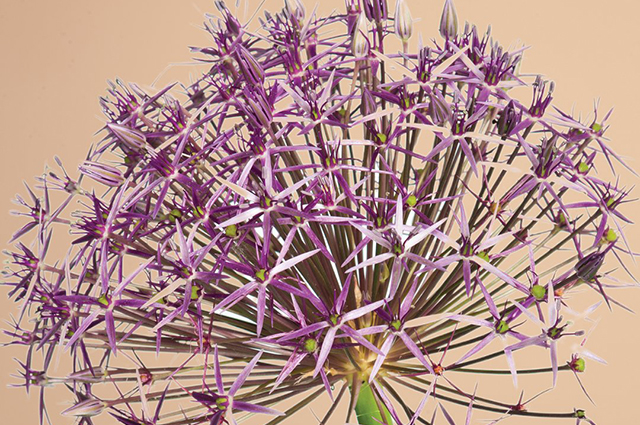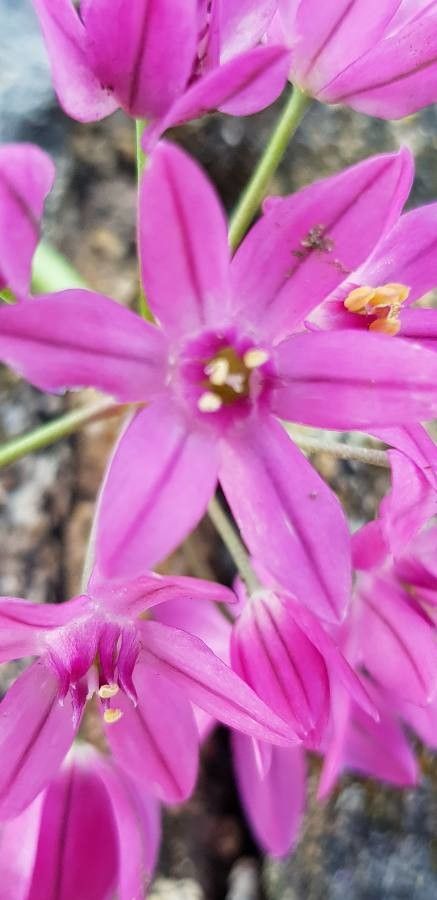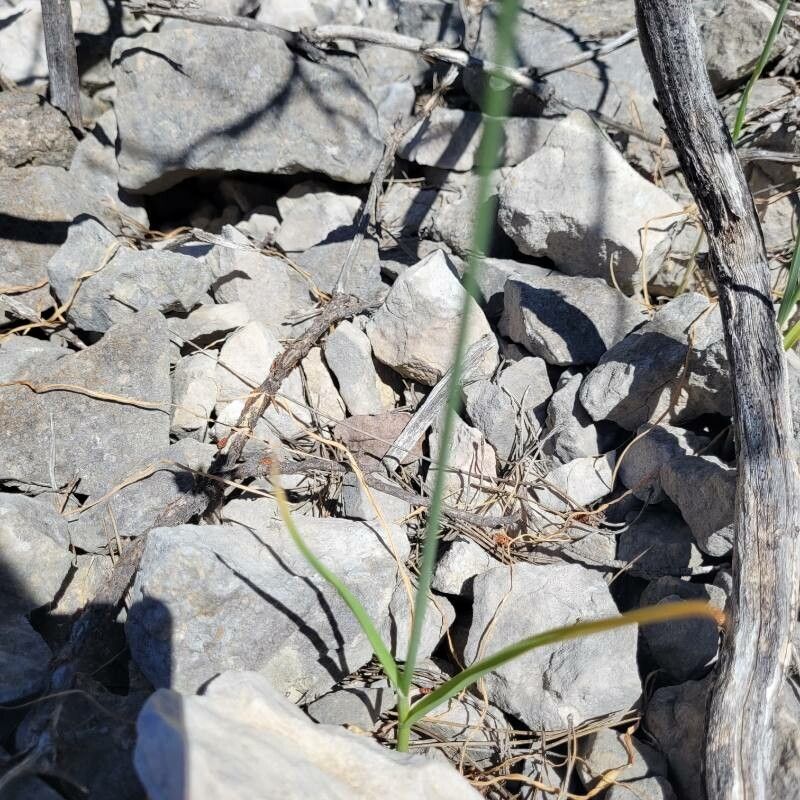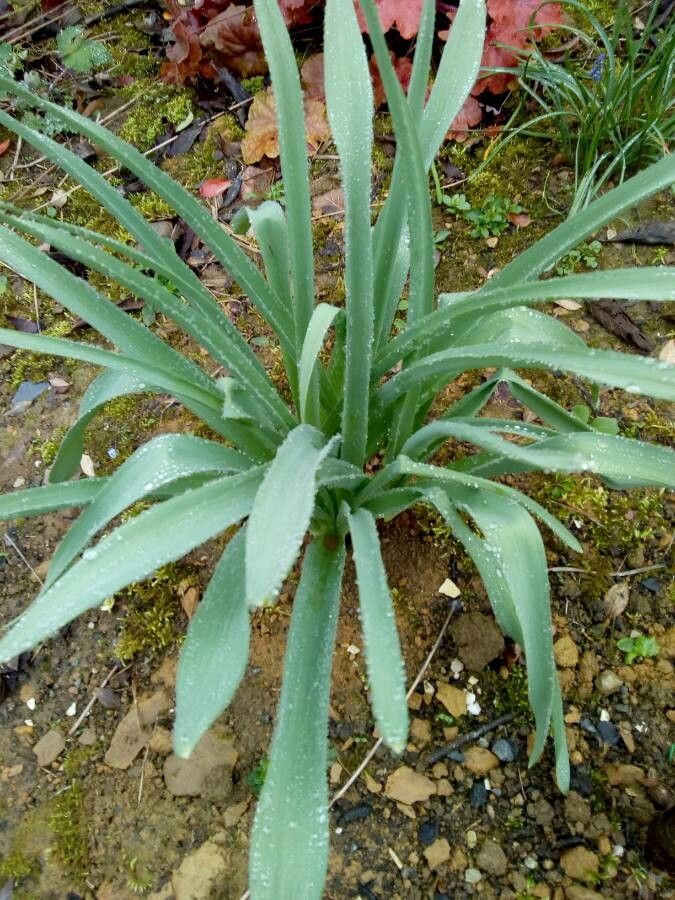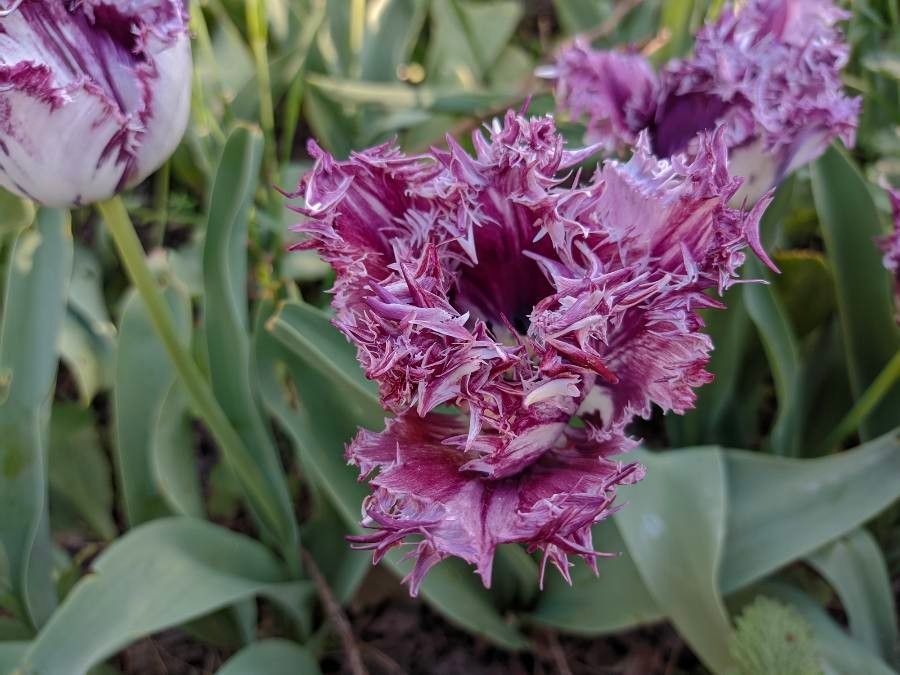
Allium platycaule is a species of wild onion known as broadstemmed onion or flat-stem onion. It is native to northeastern California, south-central Oregon and northwestern Nevada. It is found on slopes of elevations of 1500–2500 m.
Broadstemmed onion is fairly resistant to disease and generally not highly susceptible to illnesses. However, it can be affected by pests and diseases present in its surroundings, and these issues are typically mild. For care, this plant requires moderate maintenance. It should be pruned regularly to preserve a neat appearance and support healthy growth. Fertilizing can also encourage flowering. Broadstemmed onion works well for anyone with outdoor space, such as a garden or patio, and does not demand extensive plant-care experience. When grown indoors, it may need more attention.
How to keep Allium Platycaule.
Light
Broadstemmed onion is a sun-loving, perennial, herbaceous species native to open habitats and commonly found in meadows and grasslands. It prefers full sun but can also tolerate partial sun.
Water
The broadstemmed onion thrives in dry, rocky environments and demonstrates a moderate tolerance to drought. When cultivated outdoors, it requires watering once a week without becoming oversaturated. To prevent root rot, it should be planted in well-draining soil.
Fertilizer
The primary time to fertilize Broadstemmed onion is in early spring, when flowers are beginning to form. Using the appropriate fertilizer promotes better blooms and helps Broadstemmed onion produce attractive flowers. Fertilizing in early spring helps ensure high-quality flowers throughout the season and provides energy for dormant growth phases.
Pruning
The broadstemmed onion is characterized by its wide leaves and star-shaped flowers. For optimal results, prune it in early spring to shape the plant and remove any dead growth. Trimming off the spent flowers can help improve the plant's health and encourage more blooms. Be sure to use clean tools and make cuts just above a leaf node for the best outcome. Regular pruning not only enhances the plant's growth density but also improves its visual appeal.
Pot & Repot
To thrive and avoid waterlogging, broad-stemmed onions need excellent drainage when grown in pots. This ensures optimal growth conditions.
Botanical profile.
- Plant Type
- Herb
- Life Cycle
- Perennial
- Genus
- Allium
- Family
- Amaryllidaceae
- Hardiness Zone
- 5-8
- Mature Height
- 10 cm
- Mature Spread
- 20 cm to 30 cm
- Leaf Color
- Light Green
- Leaf Type
- Deciduous
- Flower Color
- Lavender
- Flower Size
- 0.76 cm to 1.52 cm
- Bloom Time
- Early summer, Mid summer
- Planting Time
- Spring
- Harvest Time
- Late summer, Early fall
Other names.
Reader questions.
What are the sunlight requirements for Broadstemmed onion?
Broadstemmed onion is a perennial herbaceous plant that thrives in full sunlight, requiring above 6 hours of sunlight daily. However, it can also tolerate partial sun conditions, which means about 3-6 hours of sunlight. It's essential to observe the movement of sunlight through your garden to find spots that offer the right balance of light and shade, ensuring the plants' wellbeing.
What is the name of the plant discussed?
The plant discussed is known by its common name as Broadstemmed onion.
How do artificial lighting requirements vary for plants based on their sunlight needs?
Indoor plants that can't receive enough natural sunlight benefit significantly from artificial lighting, which supports their growth, especially in winter or less sunny spaces. The type of artificial light needed depends on the plant's sunlight requirements. Plants that prefer full sun need 30-50W/sq ft of artificial light, partial sun plants require 20-30W/sq ft, and full shade plants need 10-20W/sq ft. LED lights are recommended because they can be customized to provide specific wavelengths needed by plants. The artificial light source should be placed 12-36 inches above the plant and turned on for 8-12 hours per day to mimic natural daylight hours.
What is the botanical name of the Broadstemmed onion?
The botanical name of the Broadstemmed onion is Allium platycaule.
What symptoms indicate a Broadstemmed onion is receiving inadequate sunlight?
Symptoms of insufficient sunlight in Broadstemmed onion include new leaves growing smaller, leggy or sparse growth as the space between leaves or stems elongates, early leaf drop, slowed or halted growth, and lighter-colored or yellow leaves indicating chlorosis. Additionally, sunscald, leaf curling, wilting, and leaf scorching can occur with excessive sunlight exposure. These symptoms highlight the plant's struggle with unsuitable light conditions, impacting its health and development.
What solutions can help Broadstemmed onions receive adequate sunlight?
To ensure Broadstemmed onions receive enough sunlight, gradually move them to sunnier locations, aiming for at least 6 hours of direct sunlight daily. For indoor plants, consider using artificial light, like a desk or ceiling lamp or professional grow lights, for at least 8 hours daily. Outdoor plants should be moved to optimal sunlight locations gradually to avoid sunburn. Additionally, minimize obstructions by pruning branches blocking sunlight and consider transplanting smaller plants to areas with ample sunlight and good drainage during their dormant period, usually in late winter or early spring.