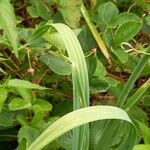
Allium sativum
Σκόρδον · Garlic · Hardneck Garlic · Pskem River Garlic · Serpent Garlic
Description
Source: leafsnapGarlic (Allium sativum) is a species of bulbous flowering plant in the genus Allium. Its close relatives include the onion, shallot, leek, chive, Welsh onion and Chinese onion. It is native to South Asia, Central Asia and northeastern Iran and has long been used as a seasoning worldwide, with a history of several thousand years of human consumption and use. It was known to ancient Egyptians and has been used as both a food flavoring and a traditional medicine. China produces 76% of the world's supply of garlic.
🌳 Aside from culinary and medicinal uses, garlic has been applied to a range of unconventional purposes. Its natural antibacterial qualities make it well suited for disinfecting water and surfaces. Historical records note its use as a glue and even as a means to soften leather, attributed to its sulphuric compounds. Contemporary research has examined it as a biodegradable pesticide and as a potential biofuel because of its rich oil content. Garlic’s robustness also makes it a dependable bio-indicator of environmental pollution.
🎭 Safeguarding, Restoration, Exorcism
Care Guide
💧 Water Every 1-2 weeks
Garlic grows best in dry conditions and is tolerant of drought. For optimal growth, water it every 1 to 2 weeks, being careful to avoid overwatering. This bulbous plant is typically grown outdoors in well-drained soil to prevent waterlogging.
What should I do if I give my garlic too much or too little water?
Garlic is a plant that doesn't need much water. Overwatering can cause bulb rot, which has several symptoms, including a mushy bulb, spotted and flopping stems, droopy flowers, and yellowed stalks. While it's normal for yellow leaves to appear at the end of the blooming period, if the leaves turn yellow before the flowers bloom, it's a sign of overwatering. If bulb rot is detected early, the affected bulb needs to be dug up and the rotten portions removed. The soil should be completely replaced, and if the garlic is in a pot, it should be thoroughly disinfected along with any tools to prevent spreading the fungus. Outdoor plants should be relocated to a different spot. Underwatering, on the other hand, is not as problematic but can still cause issues. Signs of underwatering include no blooms, sagging and withered stalks, and browning around the edges of the flower petals. If you realize that you've underwatered your garlic, give it a good drink to moisten the soil, but avoid saturating it. However, be cautious not to overwater, as extended periods in water can lead to root rot and fungus growth on the bulb. This can be identified through spots on the leaves and buds, as well as discoloration and death of the leaf tips.
How many times should I give water to my Garlic?
Garlic is a hardy plant that doesn't require a lot of attention. It is best to grow it directly in the ground in the hottest/brightest part of your garden, although it can also be grown in a pot. Care must be taken not to overwater the plant, as this can cause the bulb to rot. After initially watering the garlic, you can leave it be until shoots appear. To determine if the soil is moist enough, you can check the moisture level by inserting your finger about 2-3 inches below the surface. If it's still wet, there's no need to water the plant. For potted plants, check the water collection drain for standing water, and avoid watering if there is any. For a more accurate reading, use a moisture sensor inserted about 2-3 inches into the soil, aiming for a reading in the middle of the 'moist' category. It is recommended to water your garlic once per week for optimal results.
How should I change my watering routine for my Garlic depending on the conditions?
Garlic is a hardy plant that can survive tough conditions. If you plant it outdoors, you can let nature take care of most of the watering, as it doesn't need a lot of water and can handle drought. Just make sure the soil drains well. When growing Garlic in pots, be more cautious with watering to avoid bulb rot. Water less frequently and ensure the pots have drainage holes. During the growing phase, water about one inch per week to encourage blooming. Adjust watering based on humidity and temperature, as hot and dry climates may require more watering and humid climates may need less. Always check soil moisture to avoid overwatering, as Garlic prefers well-drained, moist soil.
☀️ Light Full sun
Garlic does best when it receives abundant sunlight each day, although it can tolerate somewhat lower light levels. Sunlight strongly affects garlic's healthy growth by supporting photosynthesis. In its native environment, the plant is adapted to well-lit surroundings. Too much or too little light can harm the plant, causing stunted development or discoloration.
What are the sunlight requirements for growing garlic?
Garlic thrives in conditions where it can be exposed to full sun, which is defined as receiving more than 6 hours of direct sunlight daily. It can also adapt to partial sun conditions, which means about 3-6 hours of sunlight per day. Observing the way sunlight moves through your garden will help you choose optimal locations that ensure a balanced exposure to light and shade, fostering the well-being of your garlic plants.
What are some essential tips for growing garlic in relation to sunlight?
Garlic benefits greatly from extensive daily sunlight exposure, which is critical for its healthy growth through optimized photosynthesis. In its natural habitat, garlic is accustomed to being in generously lit conditions. Both excessive and insufficient sunlight can adversely affect the plant, possibly leading to stunted growth or discoloration. For indoor plants, artificial lighting becomes essential in places where natural sunlight is inadequate, especially during winter or in less sunny spots. LED lights are recommended for providing the specific wavelengths required by plants. Full sun plants need about 30-50W per square foot of artificial light, partial sun plants require 20-30W per square foot, and shade plants need 10-20W per square foot. The artificial light source should be placed 12-36 inches above the plant to mimic natural sunlight and should be left on for 8-12 hours per day to simulate natural daylight hours.
What are the signs of insufficient or excessive sunlight in garlic?
Garlic shows several symptoms when it receives insufficient sunlight, such as lighter-colored new leaves, indicating a lack of chlorophyll and essential nutrients, leggy or sparse growth, slower or no new growth, and chlorosis, where leaves lose their green color and turn yellow. Excessive sunlight can cause sunscald, leaf curling as a defense mechanism to reduce surface exposure, wilting from increased water loss, and leaf scorching characterized by brown, crispy edges on leaves. These symptoms can impact the plant's health and photosynthetic capacity significantly.
How can I address sunlight-related issues for my garlic plants?
For indoor garlic plants, gradually move them to sunnier locations each week until they receive at least 6 hours of direct sunlight daily. If moving the plant isn't feasible, consider using artificial light, such as a desk or ceiling lamp on for at least 8 hours daily or investing in professional plant grow lights. Outdoors, carefully transition plants to sunnier spots to avoid sunburn, aiming for gradual adaptation to higher light levels. Reduce obstructions such as overhanging branches and consider transplanting smaller plants to sunnier areas with good drainage during their dormant period, typically late winter or early spring. It's important to note that parts of the plant that suffered from inadequate sunlight may not recover, but new growth should be healthy with improved light exposure.
🌡️ Temperature 5–37.8°C
Garlic comes from temperate regions and prefers temperatures of 68 to 100.4 °F (20 to 38 ℃). Throughout the seasons, keep the plant's surrounding temperature within this range to maximize growth.
What are the ideal growing conditions for Garlic (Allium sativum)?
Garlic, scientifically known as Allium sativum, thrives best in temperate environments with temperatures ranging from 68 to 100.4 °F (20 to 38 °C). To optimize growth, it's important to regulate the ambient temperature around the plant within this range throughout different seasons. During the colder months, maintaining temperatures above the minimum suitable growth temperature is crucial to encourage healthy plant development, while ensuring the temperature stays above freezing to avoid frost damage. If the outdoor temperature nears -5°C (25°F) in winter, consider moving Garlic indoors or provide protection using a temporary greenhouse or wrapping materials such as plastic or fabric to shield the plant.
How does Garlic respond to low temperatures, and what are the recommended solutions for frost damage?
Garlic possesses a moderate tolerance to low temperatures and exhibits optimal growth when the temperature is maintained within its suitable growth range. During winter, it is essential to keep the environment above the tolerable growing temperature minimum to prevent potential damage. Exposure to temperatures below the detrimental growth limit may lead to darkening of the leaves, water-soaked necrosis, wilting, drooping, and gradual browning. To mitigate frost damage, frost-affected parts should be trimmed away, and the plant should be moved to a warmer indoor setting or protected with a makeshift greenhouse. Positioning the plant near a south-facing window can ensure it receives sufficient sunlight, and supplemental lighting may be employed if natural light is inadequate.
What should be done if Garlic is exposed to high temperatures?
During the hot summer months, it is advisable to keep Garlic below the maximum suitable growth temperature to avoid stress on the plant. Exceeding the tolerable growth temperature maximum can slow down the plant's growth, lighten the color of its leaves, and increase the risk of sunburn. To address damage from high temperatures, trim away any sunburned and dried parts of the plant. Relocating the plant to a shaded area, particularly one that is shielded from the afternoon sun, can help. Ensuring the soil is kept moist by watering in the morning and evening is also beneficial in managing the stress caused by high temperatures.
💨 Humidity normal (40-60%)
This plant will thrive in moderate humidity, which is probably the level in your home. However, misting it a few times a week can be very beneficial. Make sure the room has good ventilation.
🪴 Soil 6-7
🌱 Fertilizer
Garlic species benefit from one or two applications of organic natural fertilizers containing potassium and phosphorus. Apply the fertilizer before planting, work it into the soil and water thoroughly. One application is usually enough, but an extra application can be made once seedlings are established. Avoid excessive fertilizer use to prevent damage to the plants.
Why do I have to add plant food to my Garlic?
Garlic is known for its rapid growth and high energy expenditure in producing the root vegetables we love. In addition to sunlight, oxygen, and water, garlic species depend on nutrients for growth and root production. Although garden soil usually contains these nutrients due to the decomposition of organic matter, there are instances where the soil lacks sufficient amounts to support healthy garlic growth. In such cases, fertilizer becomes necessary to provide the necessary boost for garlic.
When should I fertilize my Garlic for the best results?
To prepare your soil for planting, apply natural fertilizer. You can take your time, but make sure to have enough time to mix the fertilizer into the soil and water it thoroughly before sowing seeds or planting seedlings. Typically, one application of fertilizer is sufficient to support the growth of garlic over the season. However, if you want to enhance their yield further, you can apply an additional dosage once the seedlings have established themselves. Take caution not to use excessive fertilizer that might harm your plants.
When is it not a good idea to add fertilizer to my Garlic?
To ensure effective fertilization, remember to avoid applying fertilizer when the soil is dry. After fertilizing, make sure to water your plants thoroughly as this helps deliver the nutrients properly. If you prioritize the growth of foliage over the root crops, then high-nitrogen fertilizers might be suitable for you. However, take care not to let fertilizer come into contact with the base of the plant, leaves, or stems as it can potentially damage them.
What kind of fertilizer should I use for my Garlic?
Garlic plants are commonly grown for their roots, but the foliage is also edible in many cases. To ensure a healthy root system, it is recommended to use a fertilizer with more phosphate and potassium than nitrogen. Natural fertilizers like bone meal and kelp work well, but you can also use chemical fertilizers. However, be cautious about using fertilizers with a high nitrogen content as this nutrient is less critical for Garlic. The best approach to choosing the right fertilizer is to take a soil sample from the area of your garden where you plan to grow Garlic. Testing the soil will reveal which nutrients are lacking, as well as other vital factors such as density and pH level. Considering all these factors and treating the soil accordingly will greatly contribute to the success of your Garlic plants.
How should I add nutrients to my Garlic?
To fertilize garlic, start by adding an organic fertilizer like bone meal or kelp to the soil before planting. If you need to fertilize again during the season, use compost or well-rotted manure as mulch around the base of the garlic, but be sure not to let it touch the plant. This mulch will slowly break down and allow the nutrients to reach the roots. If using liquid fertilizer, dilute it according to the instructions and spray it on the ground around the garlic, taking care not to splatter the plant. Granular fertilizers can either be sprinkled around the base or between rows, or worked into the top layer of soil to prevent them from being washed or blown away.
🪴 Pot & Repot Every 12 months
Repot garlic in early spring. Pick a pot that is broader than it is deep and has good drainage. Use a loamy, well-draining potting mix enriched with compost. Carefully remove old soil from the bulb and plant it to a depth equal to the bulb's height. Water thoroughly after repotting and place in a sunny spot. Avoid overwatering to prevent bulb rot.
✂️ Pruning
Garlic requires minimal pruning, primarily involving the removal of yellowing leaves in the spring to promote healthy bulb development. It's also important to cut flower stalks to redirect energy towards bulb formation. To ensure good air circulation and prevent disease, space the plants adequately apart. Proper pruning encourages vigorous growth and improves the overall health of the plants.
🌿 Propagating
🐛 Diseases & pets
☠️ Toxicity
Characteristics
- Plant Type
- Herb
- Life Cycle
- Perennial, Annual
- Genus
- Allium
- Family
- Amaryllidaceae
- Hardiness Zone
- 5-11
- Mature Height
- 91 cm
- Mature Spread
- 23 cm to 30 cm
- Leaf Color
- Green
- Leaf Type
- Deciduous
- Flower Color
- White
- Flower Size
- 0.51 cm to 0.51 cm
- Bloom Time
- Early summer, Mid summer
- Planting Time
- Spring, Winter, Summer, Autumn
- Harvest Time
- Mid summer
- Native Area
- Uzbekistan, Tajikistan, Kazakhstan, Iran, Turkmenistan