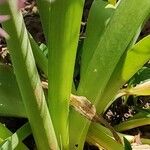
Allium schubertii
Schubert's garlic · Tumbleweed onion · Flowering onion · Ornamental onion · Persian onion
Description
Source: leafsnapAllium schubertii, commonly known as the tumbleweed onion, is a unique and striking plant belonging to the Allium genus, which also includes onions, garlic, and chives. Native to Central Asia and Iran, this plant has gained popularity in gardens worldwide for its ornamental value. Allium schubertii grows from a bulb that produces long, thin leaves up to 30 inches in length. These green leaves have a slightly waxy texture. In late spring or early summer, the plant produces large, spherical flower heads that can reach up to 12 inches in diameter. The flower heads consist of hundreds of small pinkish-purple flowers arranged in a starburst pattern around a central stem. As the flowers mature and dry out, they detach from the stem and scatter across the ground like tumbleweeds. This plant prefers well-drained soil and full sun exposure but can tolerate some shade. Once established, it is relatively low maintenance but requires regular watering during drought periods. Overall, Allium schubertii is an eye-catching addition to any garden or landscape. Its unique appearance and striking blooms add interest from late spring to early summer, a time when many other plants have finished blooming for the season.
Care Guide
💧 Water Every 7 days
Persian onions, which originate from semi-arid regions, thrive with minimal water and prefer dry soils, demonstrating notable drought tolerance. Watering them every 1-2 weeks is beneficial. They also have a unique flowering structure designed to efficiently capture rainwater during their growth cycle.
☀️ Light Full sun
Persian onion is a sun-loving, herbaceous perennial that comes from open habitats and commonly grows in meadows and grasslands. It prefers full sun but is also able to tolerate partial sun.
🌡️ Temperature 5–35°C
Persian onion can tolerate a wide range of temperatures, but its distribution may still be constrained by different combinations of moisture and heat. It grows best in warm summer climates with sufficient rainfall or irrigation. Extended stretches of cloudy, rainy weather or prolonged high temperatures can raise the risk of Persian onion dying. In winter, shielding the plant from cold can increase its chances of survival.
💨 Humidity
🪴 Soil 6-7
🌱 Fertilizer
For Persian onion, the primary time to apply fertilizer is in early spring when the flowers start to form. The proper fertilizer promotes better blooms and helps the Persian onion produce attractive flowers. Fertilizing in early spring ensures excellent flowering during the season and supplies energy for dormant growth stages.
🪴 Pot & Repot
To thrive, Persian onions need pots with excellent drainage. Good drainage helps prevent root rot and encourages healthy growth, providing the ideal environment for the plants to develop.
✂️ Pruning
The Persian onion is known for its unique round purple flowers. To help the plant thrive, remove the spent flowers from early to late spring and trim back any yellowed leaves to feed the bulb. Avoid pruning too harshly, and keep the area free of debris to prevent disease. This care will not only enhance the plant's appearance but also support future blooming.
🌿 Propagating
🐛 Diseases & pets
☠️ Toxicity
Unlike culinary onions, Ornamental onions are not edible. In fact, they are poisonous once consumed. They may cause nausea, vomiting, and diarrhea.
Characteristics
- Plant Type
- Herb
- Life Cycle
- Perennial, Annual, Biennial
- Genus
- Allium
- Family
- Amaryllidaceae
- Hardiness Zone
- 4-9
- Mature Height
- 49 cm
- Mature Spread
- 25 cm
- Leaf Color
- Green
- Leaf Type
- Deciduous
- Flower Color
- Pink
- Flower Size
- 20.32 cm to 30.48 cm
- Bloom Time
- Mid spring, Late spring
- Planting Time
- Spring, Autumn
- Harvest Time
- Early summer, Mid summer
- Native Area
- Uzbekistan, Libya, Tajikistan, Turkey, Syria, Kyrgyzstan, Lebanon