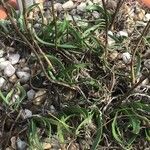
Allium senescens
German garlic · Broadleaf chives · Broad-leaved Chives · Ornamental onion · German chives
Description
Source: leafsnapAllium senescens, commonly known as German garlic or mountain garlic, is a perennial herbaceous plant that belongs to the family Amaryllidaceae. Native to central and eastern Asia, this plant thrives in rocky areas, meadows, and forests. It typically grows up to 30 cm in height and features narrow, gray-green leaves. Its small, pinkish-purple flowers have a diameter of about 1 cm. Allium senescens is prized for both its culinary and medicinal applications. The leaves have a mild garlic flavor, making them a great addition to salads or as a seasoning in various dishes. Traditionally, Allium senescens has been used in medicine to treat ailments such as digestive disorders, respiratory issues, and high blood pressure. The plant prefers well-drained soil and full sun exposure but can also tolerate partial shade. It is relatively easy to grow, either from seeds or by dividing the bulbs in spring or fall. Overall, Allium senescens is an attractive ornamental herb that enhances any garden with its beauty. Additionally, its culinary and medicinal benefits make it a valuable addition for any gardener seeking both aesthetic appeal and practical uses.
🌳 Aside from culinary use, aging chive can reveal soil conditions, particularly micronutrient levels. Gardeners sometimes observe aging chive to assess soil health, with growth patterns that differ from expectations signaling a need for adjustments. This trait acts as a useful, natural indicator of soil micronutrient status.
Care Guide
💧 Water Every 7 days
Chives, which originate from temperate climates, thrive with moderate moisture levels and consistent soil moisture, avoiding waterlogging. To encourage strong foliage, they should be watered weekly, particularly during their active growing season. Chives do well in outdoor garden beds and borders.
How should I water my old chive plant?
To properly water the Aging chive, it is recommended to use filtered water at room temperature. Tap water may contain harmful particles, so filtered water is preferable. The Aging chive is accustomed to a warm environment, so it is important to avoid using cold water as it can be shocking to the plant. Additionally, overhead watering should be avoided as it can cause problems with the foliage. Instead, water the plant by applying filtered, room temperature water directly to the soil until it is fully soaked. This method nourishes the roots and facilitates their spread through the soil to gather essential nutrients.
What should I do if I give too much or too little water to my old chive plant?
Both overwatering and underwatering can harm the health of your Aging chive plant, but overwatering is more common. Overwatering can cause the stems and leaves to wilt and turn yellow, and if it continues, it can lead to diseases like root rot, mold, and mildew, which can be fatal. Underwatering is less common because Aging chive plants can tolerate drought, but it can still happen, resulting in brittle and brown leaves. It's important to spot signs of overwatering early, as some diseases may not be fixable if you wait too long. Reduce watering if you see early signs and check the soil's drainage. Replace the soil if it drains poorly. If your Aging chive plant lacks water, increase watering until the symptoms improve.
How often should I water my old chive plant?
If your Aging chive is in a pot, the most accurate way to determine if it needs water is by checking the soil with your finger. If the top two to three inches of soil feel dry, it's time to water it. The same method applies if you have it planted in the ground outdoors. When the first few inches of soil have dried out, it's time to add water. Typically, during spring and early fall, watering once a week is sufficient. However, in extremely hot weather, you may need to water the plant two or more times a week. Nevertheless, mature and well-established Aging chive plants have a commendable ability to withstand drought.
How much water does my old chive plant need?
When watering your Aging chive, don't be shy about giving it enough water. Make sure the first two to three inches of soil are dry before watering. Give the plant a thorough watering, making sure to soak the soil completely. You should add enough water for excess water to flow out of the pot's drainage holes. If you don't see excess water draining, you might not have watered enough. However, make sure not to let the water accumulate in the soil, as this can harm the plant. If water isn't draining properly, it could indicate poorly draining soils, which is not good for the plant's health. If the plant is outside, 1 inch of rain per week should be enough.
How should I water my chive plant as it gets older and goes through different stages of growth?
The water requirements of Aging chives can vary based on their growth stages. When your Aging chive is young or has just been transplanted, it will need more water than usual. This is because it is focused on developing new roots that will support its future growth. These roots need extra moisture to thrive. As your Aging chive matures, it will require less water. However, during the blooming phase, the plant will need more water due to the significant moisture demands of flower development.
☀️ Light Full sun
The aging chive's growth flourishes with plentiful sunlight, though it can tolerate some stretches of reduced exposure. Coming from open, unshaded environments, it has developed a preference for strong sun. Excess sun can adversely affect its growth, while too little light diminishes its health and vigor. Its different growth stages can handle varying intensities of sunlight.
What are the sunlight requirements for Aging Chive?
Aging chive requires full sun exposure, which is above 6 hours of sunlight, to thrive but can also withstand partial sun exposure, about 3-6 hours of sunlight. It's essential to observe how sunlight moves through your garden to ensure the plants receive the ideal balance of light and shade for optimal growth. Originating from open and unshaded habitats, aging chive has a natural preference for abundant sunlight. However, too much or too little exposure can affect its growth negatively.
How does artificial lighting support Aging Chive's growth?
In conditions where natural sunlight is insufficient, especially during winter or in less sunny spaces, artificial lighting becomes crucial for the growth of indoor aging chive plants. Choosing the right type of artificial light, such as LED lights, can provide the specific wavelengths needed for the plant's growth. Full sun plants require 30-50W/sq ft, partial sun plants need 20-30W/sq ft, and full shade plants 10-20W/sq ft of artificial light. The light source should be placed 12-36 inches above the plant to mimic natural sunlight and it's important to provide 8-12 hours of light per day.
What symptoms indicate inadequate sunlight for Aging Chive?
Symptoms of insufficient sunlight in aging chive include small new leaves, leggy or sparse growth, faster leaf drop, slower or no new growth, lighter-colored new leaves, and chlorosis, where leaves lose their green color and turn yellow. Sunlight-related damage symptoms are sunscald, leaf curling, wilting, and leaf scorching. Each symptom indicates a different aspect of how insufficient or excessive sunlight is impacting the plant's health.
How can I solve sunlight-related issues for Aging Chive?
To address sunlight-related issues for aging chive, indoor solutions include gradually moving plants to sunnier locations until they get at least 6 hours of direct sunlight daily, using south-facing windows for maximum sunlight, or providing artificial light for large or immovable plants. Outdoor solutions involve relocating your plants gradually to avoid sunburn, reducing obstructions by pruning trees or other sun-blocking elements, and transplanting to a location with ample sunlight and good drainage. It's crucial to adjust the light exposure gradually and consider the specific needs of the plant at different stages of its growth.
🌡️ Temperature 5–35°C
Aging chive comes from regions with temperate climates and grows best when temperatures are between 41 and 95 °F (5 to 35 ℃). In hotter areas, providing shade is recommended. In colder seasons, applying mulch can help preserve its preferred temperature range.
What are the ideal growing conditions for Aging Chive (Allium senescens)?
Aging chive, scientifically known as Allium senescens, thrives in regions with moderate climates, preferring temperatures ranging from 41 to 95 °F (5 to 35 °C). To optimize its growth and health, it is key to provide shade during hotter climates to prevent overheating. Conversely, in colder seasons, employing mulching techniques can help maintain its preferred temperature range, safeguarding it from extreme cold. Despite its strong resistance to cold, precautions should be taken when winter temperatures are expected to fall below -30°C by covering the plant with soil or straw for protection. Additionally, abundant watering before the first freeze in autumn is crucial to ensure the soil remains moist and enters a frozen state, which aids in preventing drought and water scarcity during winter and early spring.
How does low temperature affect Aging Chive and what are the recommended solutions?
Aging chive possesses a commendable tolerance to cold, thriving best when the temperature remains above 5°C. Nevertheless, during the winter, it is vital to keep temperatures above -25°C. Exposure to temperatures below -30°C might not induce immediate noticeable changes during the winter, but can lead to a decreased sprouting rate or complete absence of sprouting come springtime. To mitigate this, one recommended solution is the removal of parts that have failed to sprout in the spring, thus encouraging healthy new growth.
What are the effects of high temperature on Aging Chive and how can they be mitigated?
Aging chive should ideally be kept under temperatures of 35°C during the summer months. Should temperatures soar above 41°C, the plant may exhibit stress signs, including leaves becoming lighter in color, curling edges, susceptibility to sunburn, and in severe cases, wilting and drying out. To address these issues, it is advisable to trim away any sunburned and dried portions of the plant. Relocating the plant to a shaded area or utilizing shade cloth to shield it from the midday and afternoon sun can greatly help. Additionally, watering the plant during the cooler morning and evening hours will assist in keeping the soil adequately moist, promoting the overall health and resilience of the aging chive.
💨 Humidity
🪴 Soil 6-7
🌱 Fertilizer
To maximize the yield and flavor of Aging chive, provide plenty of nitrogen throughout the growth cycle, including before planting and at harvest. Well-watered, fertilized plants develop abundant, healthy leaves and are less prone to bitterness. Before planting, amend the soil with organic matter such as compost or manure, preferably 2 to 8 weeks beforehand.
Why should I put fertilizer on my growing chive plant as it gets older?
Fertilization is important for the aging chive plant because it provides essential nutrients for its growth. While the fertilization needs of an aging chive are relatively low, annual fertilization can be very beneficial. It helps the plant stay alive and may even result in improved and longer-lasting flowers. Therefore, those who want their aging chive to thrive should make sure to fertilize it regularly.
When should I fertilize my old chive plant?
The best time to fertilize an aging chive is in late winter to early spring when it is transitioning from dormancy to active growth. Fertilizing during this time promotes healthy growth and a strong start to the season. While early spring is generally the most beneficial, fertilizing in the fall is also acceptable. However, it is not advisable to feed an aging chive during the summer or winter seasons.
When is not a good time to give fertilizer to my old chive plant?
To ensure optimal growth and prevent complications, it is important to only fertilize your Aging chive during late winter and early spring. This plant has low fertilization needs, so one annual feeding is enough. Fertilizing during other seasons can easily lead to overfertilization and its associated problems. However, if you missed fertilizing in spring, it is acceptable to feed the plant in the fall. Additionally, refrain from fertilizing this plant during winter as it will be in a dormant phase with no new growth.
What kind of fertilizer should I use for my old chive plant?
A general-purpose fertilizer with a balanced amount of the three main plant nutrients is suitable for Aging chive. However, certain nutrient blends can provide even better results. Some gardeners believe that higher levels of phosphorus lead to stronger roots and improved flower growth. Since Aging chive is a flowering plant, applying a phosphorus-rich fertilizer may be the best option. Granular or liquid fertilizers can both be used as long as they contain enough nutrients. Additionally, organic materials such as compost and manure can be beneficial in improving the soil for Aging chive. Overall, using these methods will help create a healthy growing environment for your Aging chive.
How can I give my older chive plant nutrients?
To fertilize an aging chive, the most common method is to apply either granular or pellet fertilizer to the soil surrounding the plant. It is important to note that the best time to fertilize is when the plant is transitioning from its winter dormant phase to active growth. This typically occurs in early spring when shoots emerge from the soil. If you prefer to use liquid fertilizer instead of granular, make sure to dilute it with water before applying. Regardless of the type of fertilizer used, it is recommended to moisten the soil before, during, and after the application.
🪴 Pot & Repot
To ensure chives thrive as they age, they require excellent drainage in their pots. This prevents excess water from accumulating, which can lead to root rot and other problems.
✂️ Pruning
To promote healthy growth, lightly prune chives from early to late spring. Remove spent flowers and damaged leaves to stimulate new growth. Avoid heavy cutting, as gentle maintenance is more beneficial. This pruning improves air circulation, reduces the risk of disease, and supports the plant's natural growth cycle after its winter dormancy.
🌿 Propagating
🐛 Diseases & pets
☠️ Toxicity
Characteristics
- Plant Type
- Herb
- Life Cycle
- Perennial
- Genus
- Allium
- Family
- Amaryllidaceae
- Hardiness Zone
- 4-10
- Mature Height
- 30 cm to 61 cm
- Mature Spread
- 30 cm
- Leaf Color
- Green
- Leaf Type
- Deciduous
- Flower Color
- Pink, Purple
- Flower Size
- 2.54 cm
- Bloom Time
- Early summer, Mid summer
- Planting Time
- Spring, Winter, Summer, Autumn
- Harvest Time
- Mid summer
- Native Area
- Russia, Kazakhstan, Mongolia, Koppen, South Korea, China