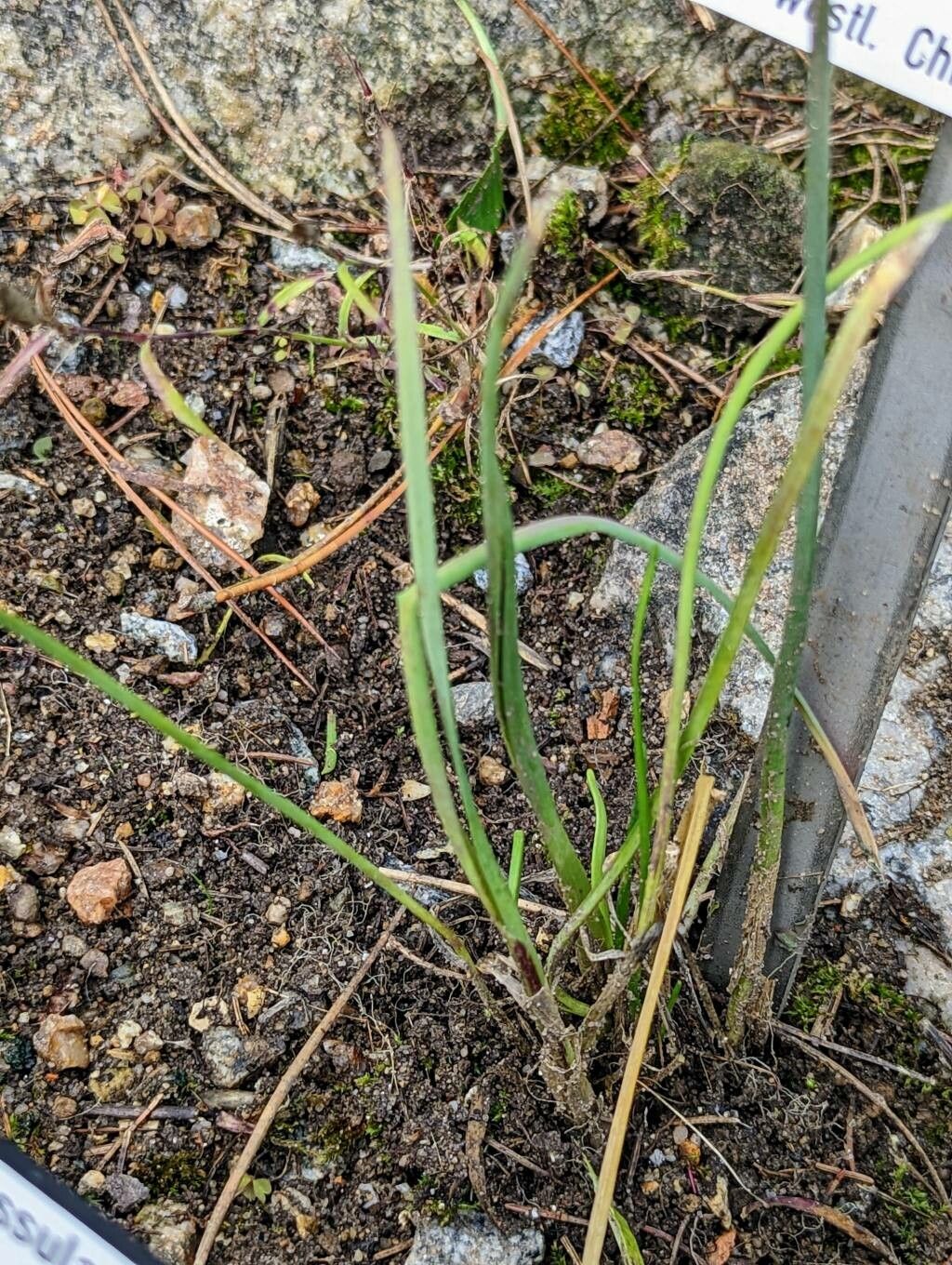
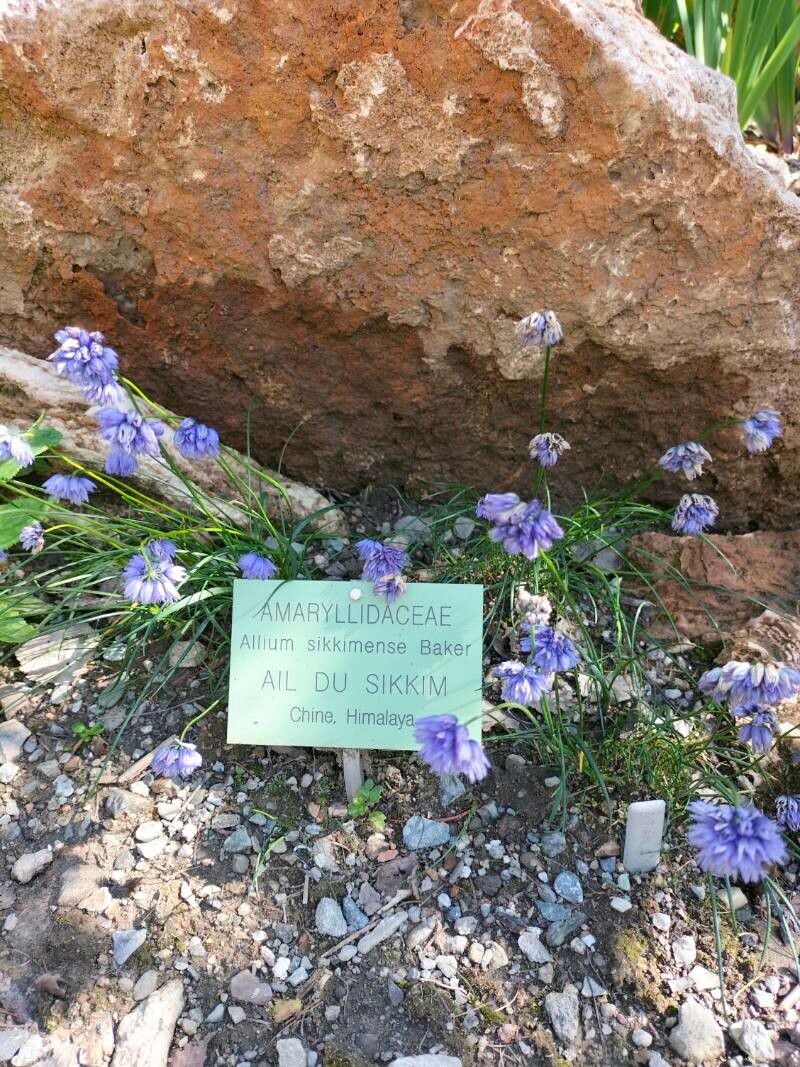
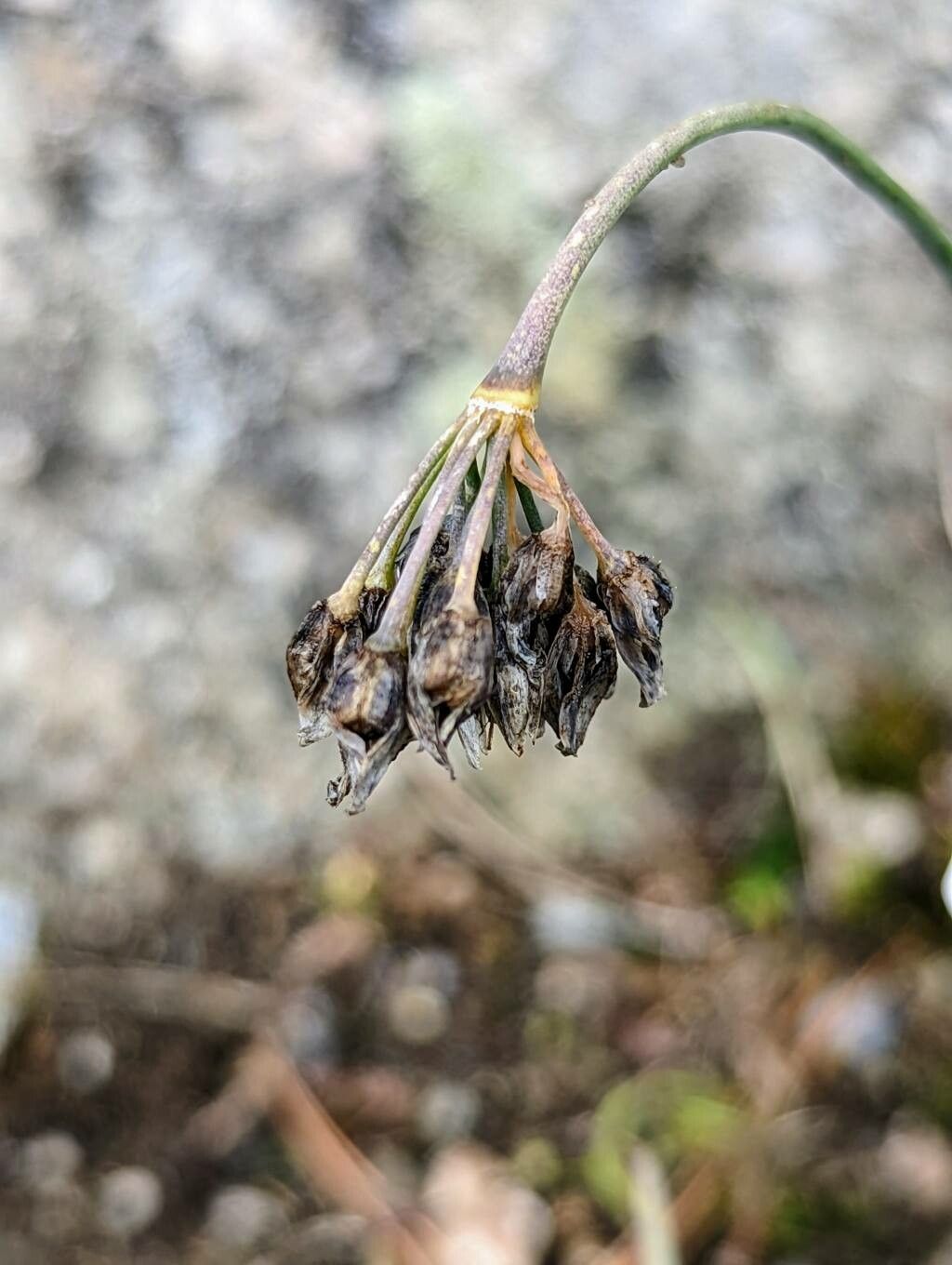
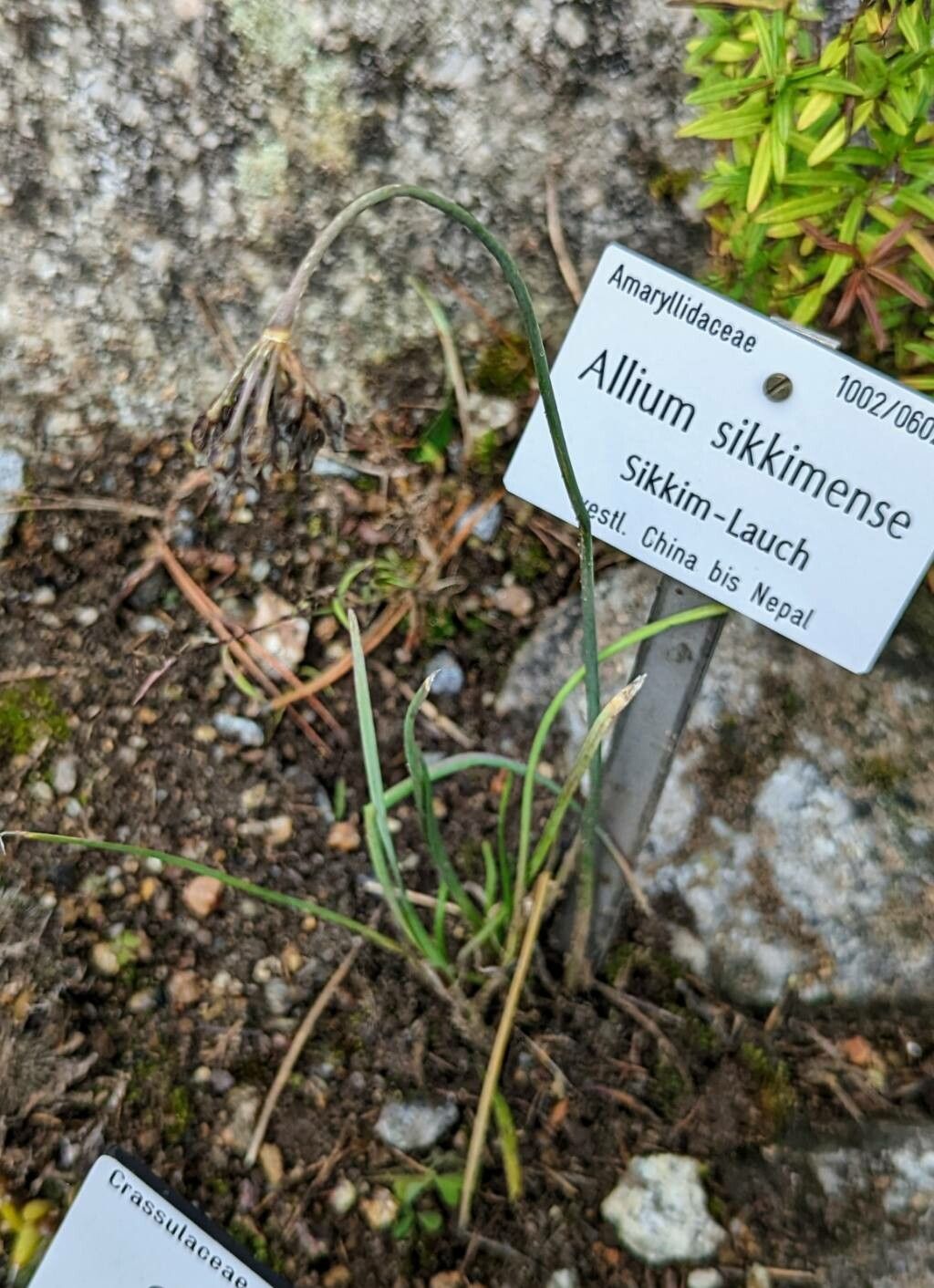
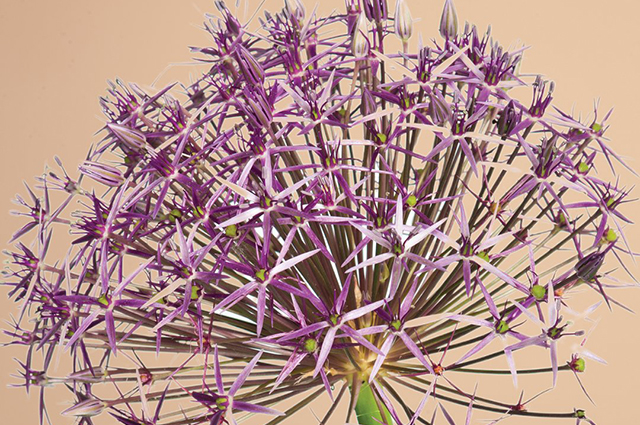
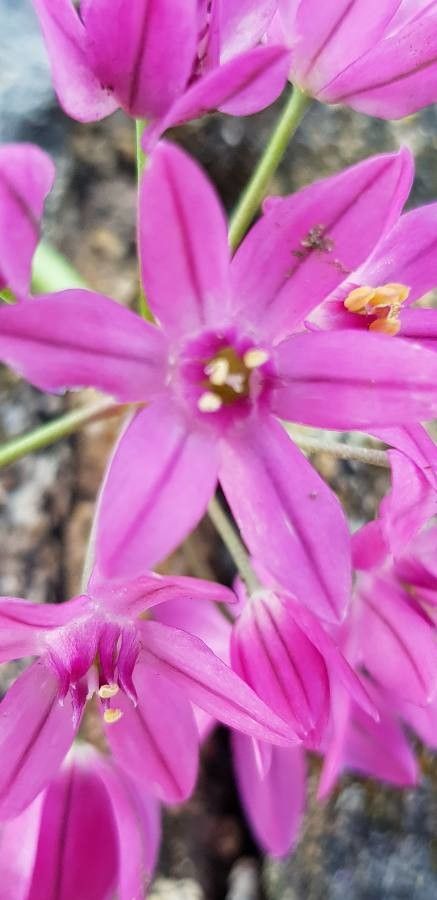
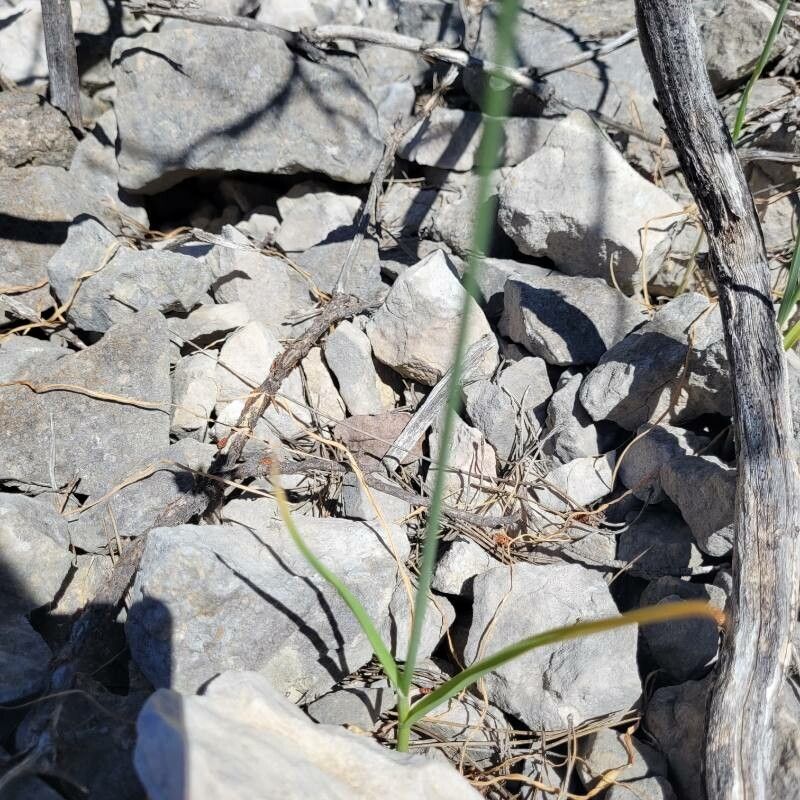
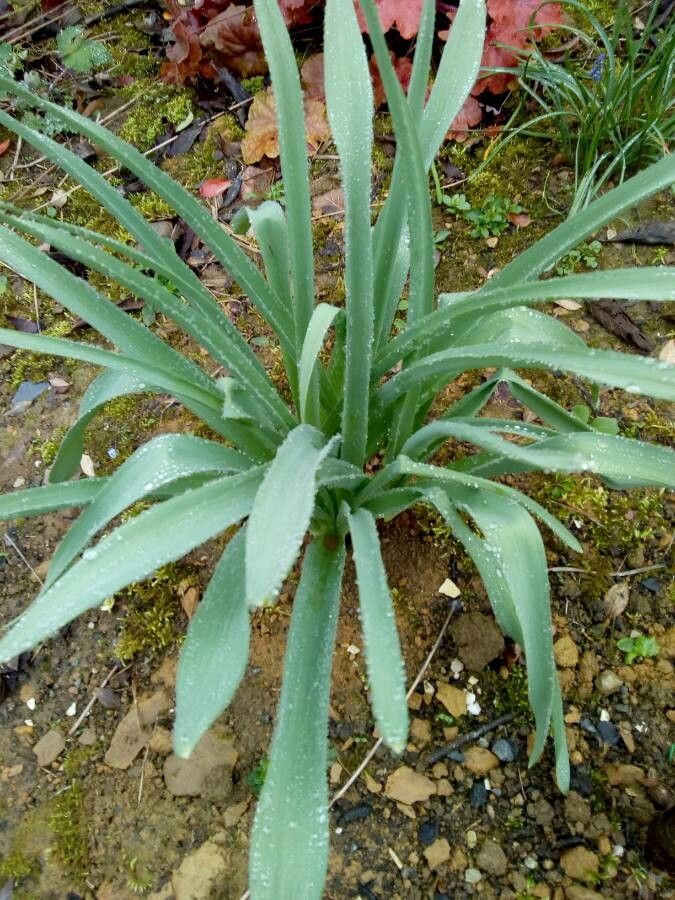
Allium sikkimense is a plant species native to Sikkim, Tibet, Bhutan, Nepal, India and parts of China (Gansu, Ningxia, Qinghai, Shaanxi, Sichuan, Xizang, Yunnan). It grows in meadows and on the edges of forests at elevations of 2400–5000 m. The species is cultivated as an ornamental in other regions because of its strikingly beautiful blue flowers. It is used medicinally in the Sikkim Eastern Himalayas. Allium sikkimense has a cluster of narrow bulbs generally less than 5 mm in diameter. Scape is up to 40 cm tall. Leaves are flat, narrow, shorter than the scape, up to 5 mm wide. Umbel is a densely crowded hemisphere of blue flowers.
Blue-flowered allium is fairly disease-resistant and usually does not suffer from many illnesses. Still, it can be affected by pests and diseases present in its environment. These problems are typically minor. For care, the plant requires moderate maintenance. It should be pruned regularly to keep a tidy appearance and support healthy growth. Fertilizing can also help stimulate flowering. Blue-flowered allium is well suited for anyone with outdoor space, such as a garden or patio, and does not demand extensive gardening experience. It may need more attention when grown indoors.
How to keep Allium Sikkimense.
Light
Blue-flowered allium is a sun-loving, herbaceous perennial that originates from open habitats and often thrives in meadows and grasslands. It prefers full sun but can also tolerate partial sun.
Water
Blue-flowered allium, native to mountainous regions, flourishes with less frequent watering, reflecting the rainfall pattern of its natural habitat. To ensure optimal growth, it is recommended to water it weekly. The plant's bulbous structure supports deep root development, which benefits from thorough watering during its active growing season. This makes blue-flowered allium an excellent choice for rock gardens or borders.
Fertilizer
The ideal time to fertilize a Blue-flowered allium is in early spring, when it is coming out of dormancy and starting active growth. Fertilization supplies essential nutrients for healthy development. Although the Blue-flowered allium has relatively low fertilization requirements, applying fertilizer once a year can improve its survival and encourage better, longer-lasting flowers.
Pruning
The blue-flowered allium showcases vibrant blue blossoms and thrives from well-timed pruning in the spring, whether early or late. To encourage new growth and prevent unwanted seeding, remove any dead stems and spent flower stalks. Regular maintenance helps maintain the plant's shape and vigor. Always use clean tools to reduce the risk of disease, and refer to local guides for advice specific to your climate.
Pot & Repot
Blue-flowered allium grows well in pots, provided they have excellent drainage to prevent waterlogging. Proper drainage is crucial for its health and growth.
Botanical profile.
- Plant Type
- Herb
- Life Cycle
- Perennial
- Genus
- Allium
- Family
- Amaryllidaceae
- Hardiness Zone
- 4-8
- Mature Height
- 18 cm
- Mature Spread
- 10 cm
- Leaf Color
- Green
- Leaf Type
- Deciduous
- Flower Color
- Blue, Purple
- Flower Size
- 2.54 cm
- Bloom Time
- Early summer, Mid summer
- Planting Time
- Spring
- Harvest Time
- Late summer, Early fall
- Native Area
- Nepal, Bhutan, India, China
Reader questions.
What are the sunlight requirements for Blue-flowered allium (Allium sikkimense)?
Blue-flowered allium (Allium sikkimense) thrives under specific sunlight conditions. For full sun exposure, it requires more than 6 hours of sunlight daily. In partial sun scenarios, about 3 to 6 hours of sunlight is adequate for its growth. It's important to observe the movement of sunlight through your garden to find the perfect spots that provide a balance of light and shade, ensuring the plants thrive. Paying attention to these details can significantly influence the health and blooming of your Blue-flowered allium.
What is the Blue-flowered allium?
The Blue-flowered allium, scientifically known as Allium sikkimense, is a plant species recognized for its distinctive blue flowers. This species does not have specific information provided regarding its essentials or symptoms associated with it in the provided data.