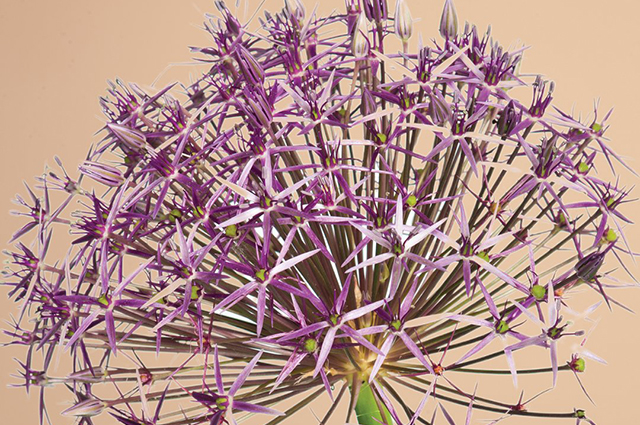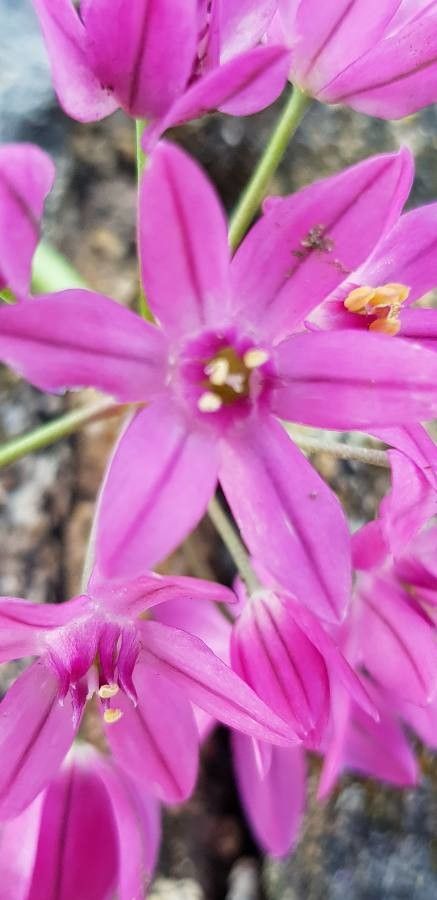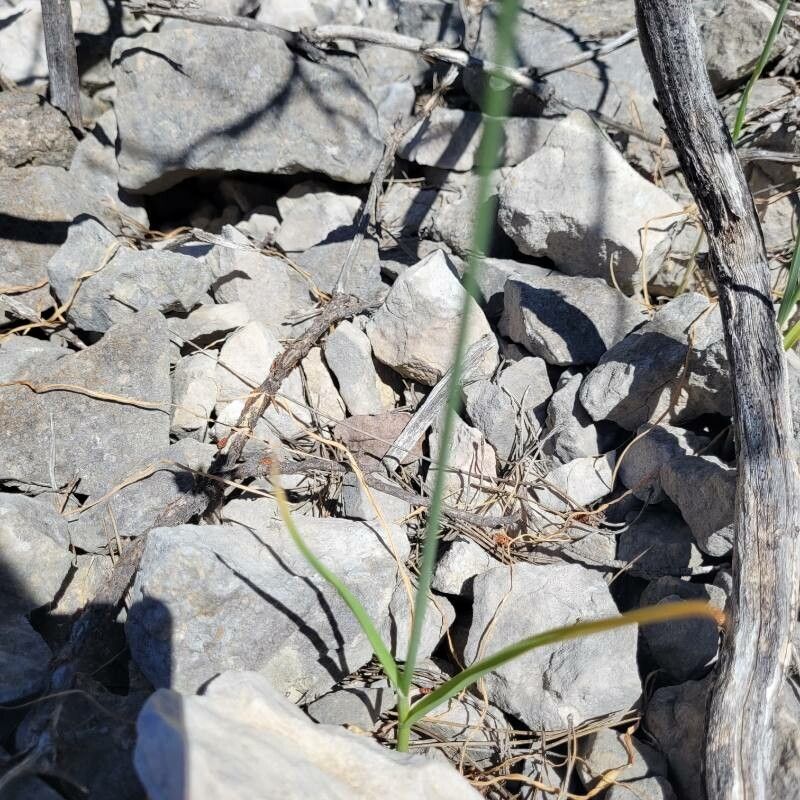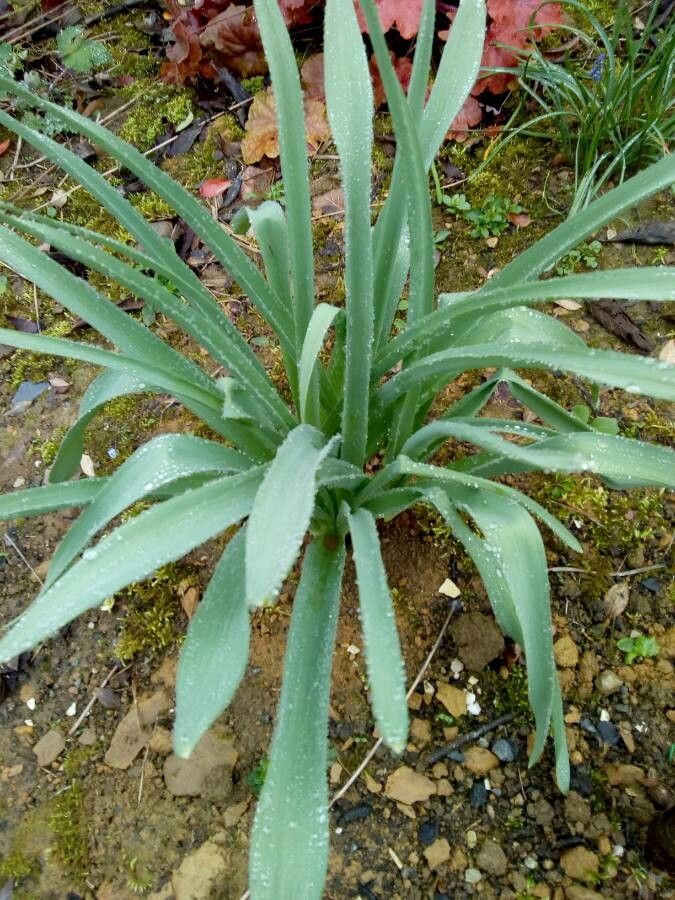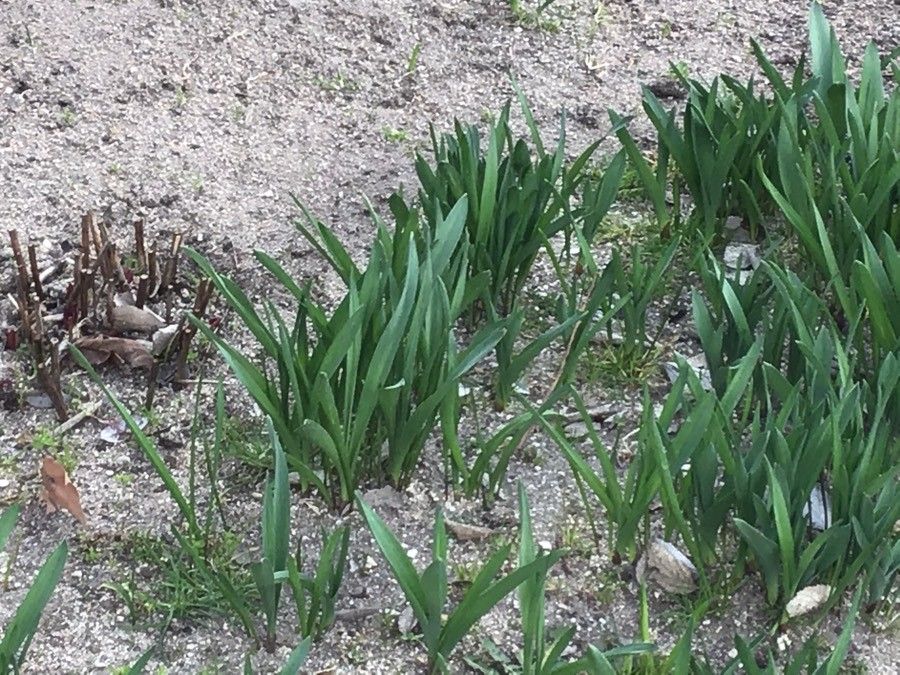
Allium stipitatum, Persian shallot, is an Asian species of onion native to central and southwestern Asia. Some sources regard Allium stipitatum and A. hirtifolium as the same species, while others treat A. stipitatum and A. hirtifolium as distinct. Allium stipitatum in the more inclusive sense occurs in Turkey, Iraq, Iran, Pakistan, Afghanistan, Turkmenistan, Tajikistan, Uzbekistan, Kyrgyzstan, and Kazakhstan.The epithet stipitatum means 'with a little stalk' referring to the ovary.
Persian shallot has strong disease resistance and is typically not prone to illnesses. However, it can be vulnerable to pests and diseases present in its environment. Such infections are usually mild. For care, this plant requires moderate maintenance. It should be pruned regularly to preserve a neat appearance and support healthy growth. Fertilizing can also encourage flowering. Persian shallot is suitable for anyone with outdoor space, like a garden or patio, and does not need extensive care experience. It may demand more attention when grown indoors.
How to keep Allium Stipitatum.
Light
The Persian shallot is a sun-loving, herbaceous perennial that originates in open habitats and is frequently found in meadows and grasslands. It prefers full sun but can tolerate partial sun.
Water
The Persian shallot is a drought-tolerant plant from arid regions and only needs watering once every one to two weeks. As an herbaceous perennial, it thrives in well-draining soil that mimics its native environment. This type of soil helps retain the right amount of moisture without the risk of waterlogging.
Temperature
Persian shallot can tolerate a wide range of temperatures, but its distribution may still be restricted by different combinations of moisture and heat. It performs best in warm summer conditions with sufficient rainfall or irrigation. Extended periods of cloudy, rainy weather and prolonged high temperatures can raise the chance of the Persian shallot dying. In winter, adequate protection from cold can improve the plant’s survival rate.
Fertilizer
The best time to fertilize a Persian shallot is in early spring, when it is coming out of dormancy and starting active growth. Fertilizing supplies essential nutrients for healthy development. Although the Persian shallot has relatively low fertilizer requirements, yearly feeding can improve its survival and encourage better, longer-lasting flowers.
Pruning
The Persian shallot features tall, globe-shaped flower clusters and broad leaves. To care for them, prune from early to late spring. Remove any faded flowers and yellowing leaves, but keep the green foliage intact to ensure proper nutrient storage. Always use sterilized tools to prevent infections, which will promote healthier growth and improve the garden's appearance.
Pot & Repot
To thrive, Persian shallots need pots with excellent drainage. This helps maintain proper moisture levels and prevents root rot.
Botanical profile.
- Plant Type
- Herb
- Life Cycle
- Perennial
- Genus
- Allium
- Family
- Amaryllidaceae
- Hardiness Zone
- 4-8
- Mature Height
- 49 cm
- Mature Spread
- 49 cm
- Leaf Color
- Green, Gray, Silver
- Leaf Type
- Deciduous
- Flower Color
- Lavender, Pink
- Flower Size
- 10.16 cm to 15.24 cm
- Bloom Time
- Late spring, Early summer
- Planting Time
- Spring, Summer
- Harvest Time
- Mid summer, Late summer
- Native Area
- Uzbekistan, Afghanistan, Tajikistan, Kyrgyzstan, Pakistan, Turkmenistan
Other names.
Reader questions.
What are the sunlight requirements for Persian shallots?
Persian shallots thrive in full sun conditions, requiring more than 6 hours of direct sunlight per day. However, they can also tolerate partial sun, which means about 3-6 hours of sunlight daily. It's essential to observe how sunlight moves through your garden to ensure you plant your Persian shallots in spots that provide the right balance of light and shade, optimizing their growth and health.
How do Persian shallots benefit from artificial lighting?
In scenarios where natural sunlight is insufficient, especially during winter or in less illuminated spaces, artificial lighting becomes crucial for the growth of Persian shallots. LED lights are recommended due to their ability to provide specific wavelengths needed by the plants. Full sun plants should receive 30-50W/sq ft, partial sun plants 20-30W/sq ft, and full shade plants 10-20W/sq ft of artificial light. The light source should be placed 12-36 inches above the plant, mimicking the natural daylight hours, typically 8-12 hours per day, to support optimal growth.
What are the signs of insufficient light in Persian shallots?
Signs that your Persian shallots are not receiving enough light include smaller new leaves, leggy or sparse growth, accelerated leaf drop, slowed or halted growth, lighter-colored new leaves, and symptoms of chlorosis. Conversely, excessive sunlight can lead to symptoms like sunscald, leaf curling, wilting, and leaf scorching. These symptoms indicate either a deficiency or an excess of light, impacting the plant's health and ability to photosynthesize efficiently.
What solutions can address light-related issues for Persian shallots?
To alleviate light-related issues, gradually moving your Persian shallots to sunnier locations can ensure they receive at least 6 hours of direct sunlight daily. For indoor plants, consider using artificial light if the plant is large or difficult to move; keep a desk or ceiling lamp on for at least 8 hours a day or opt for professional plant grow lights. If your plants are outdoor, avoid sudden light intensity changes to prevent sunburn. Also, minimize sunlight obstructions by pruning or transplanting the plants during their dormant period to a location with more sunlight and good drainage. It's crucial to note that while damaged parts may not recover, new growth should emerge healthy with improved light conditions.