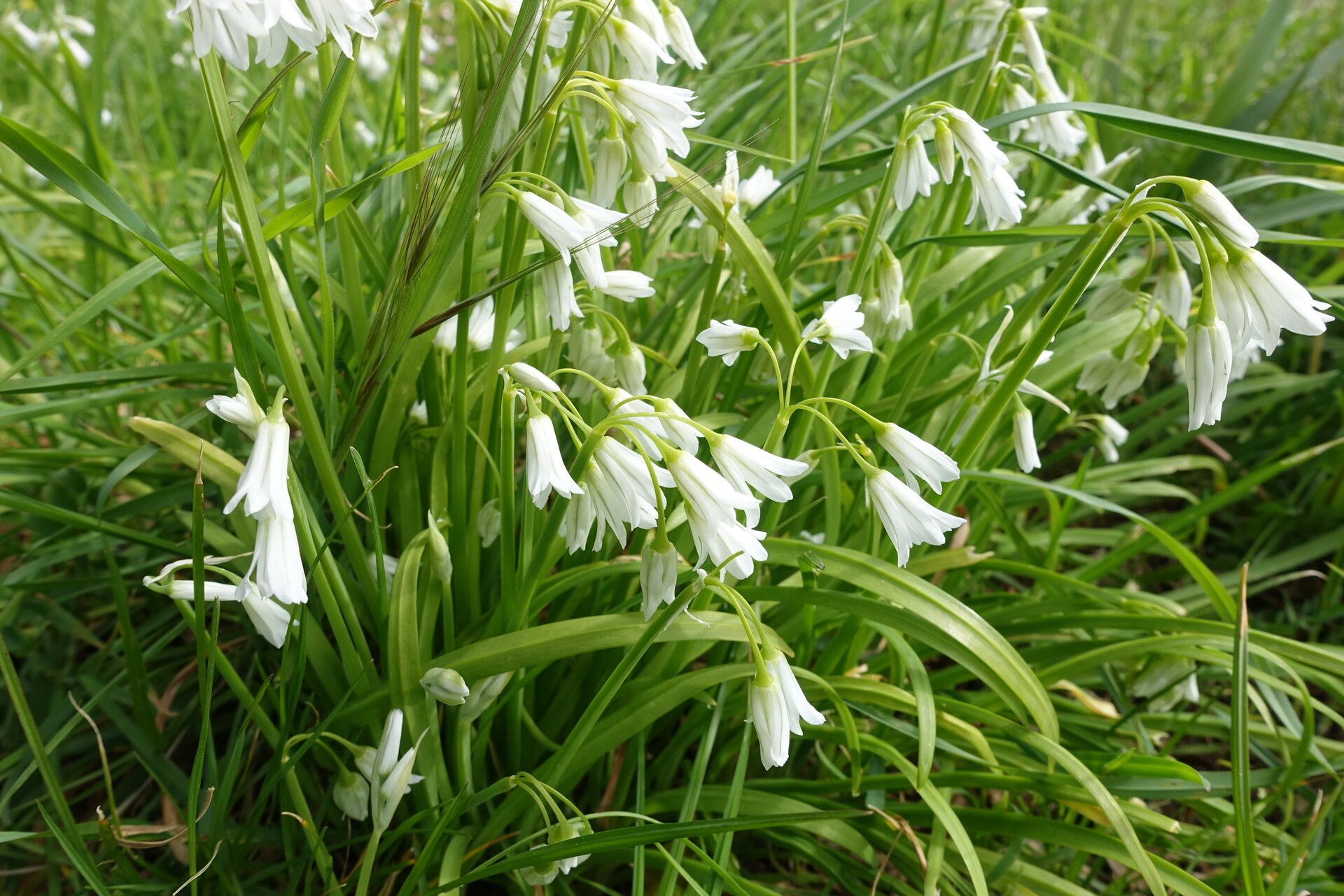
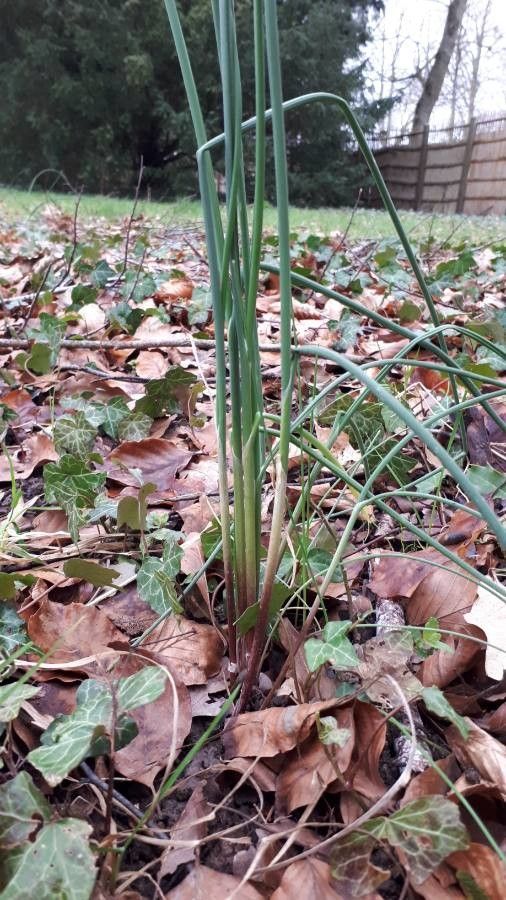
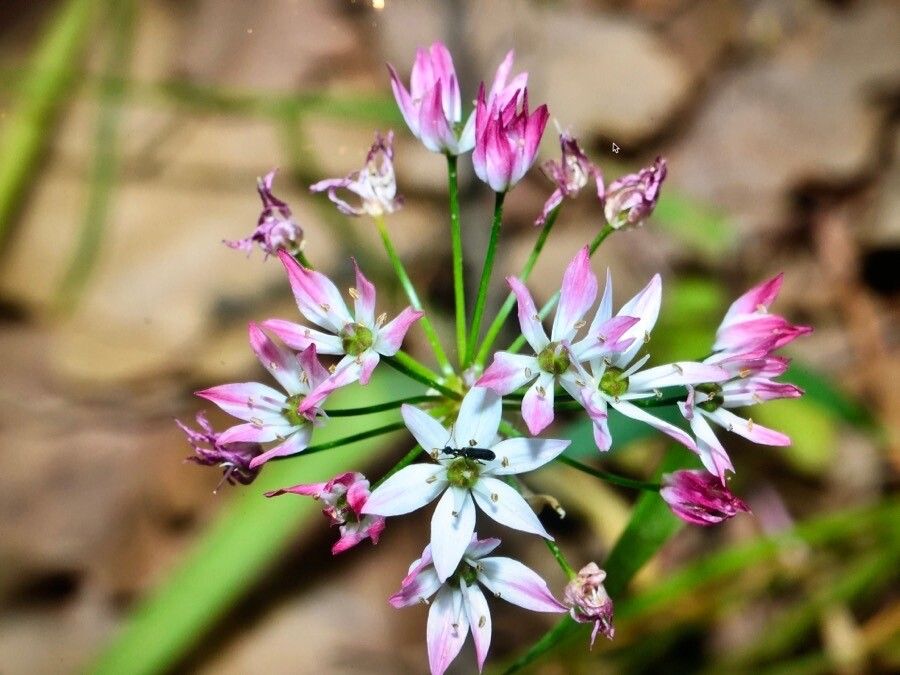
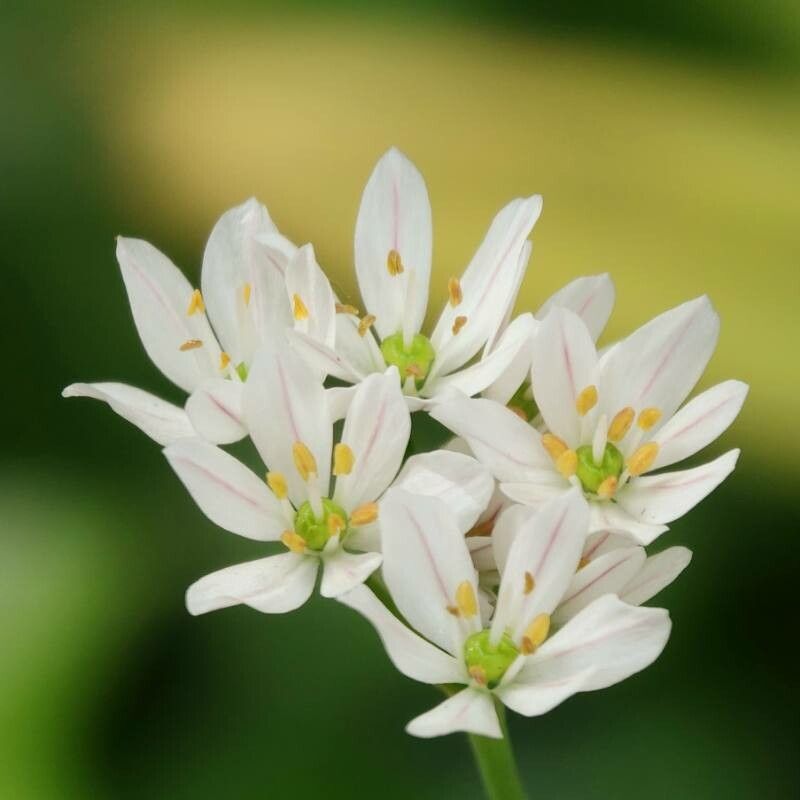
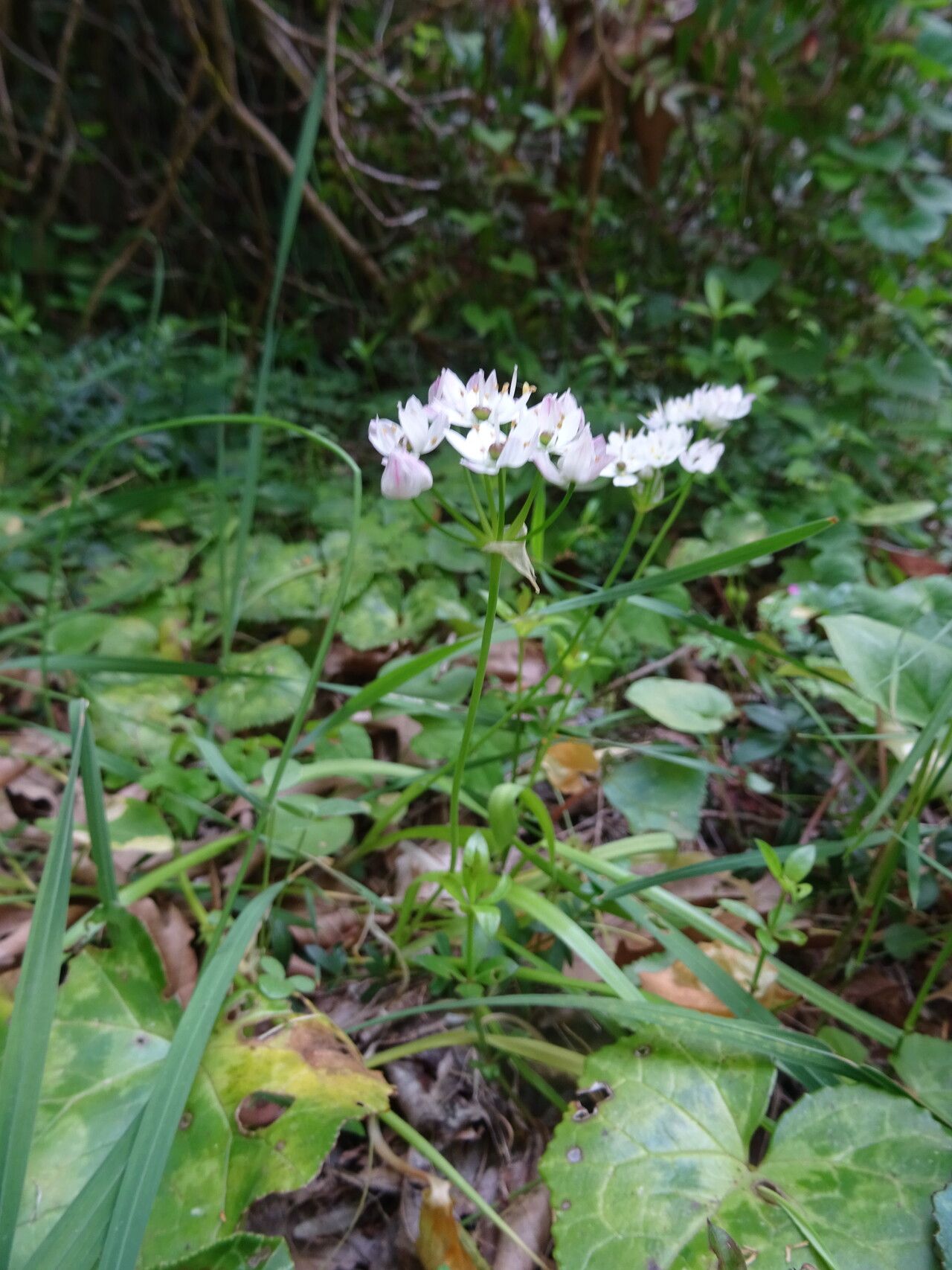
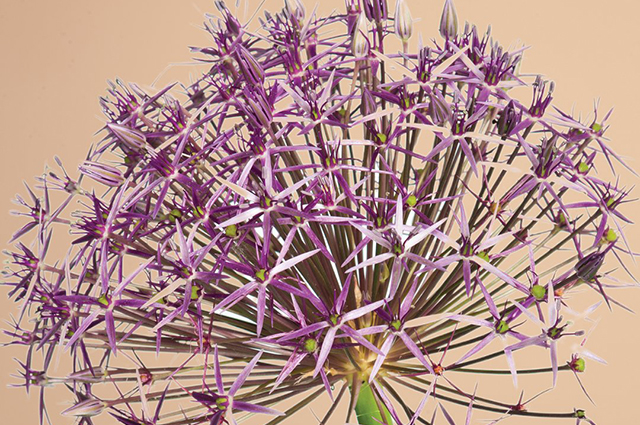
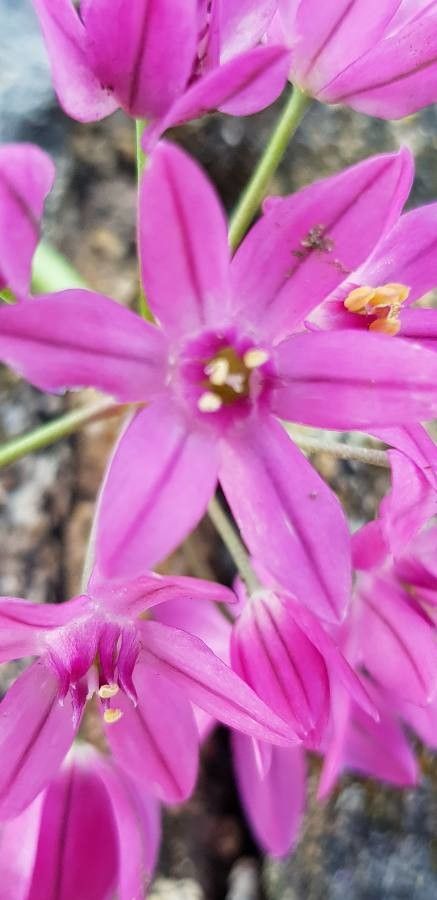
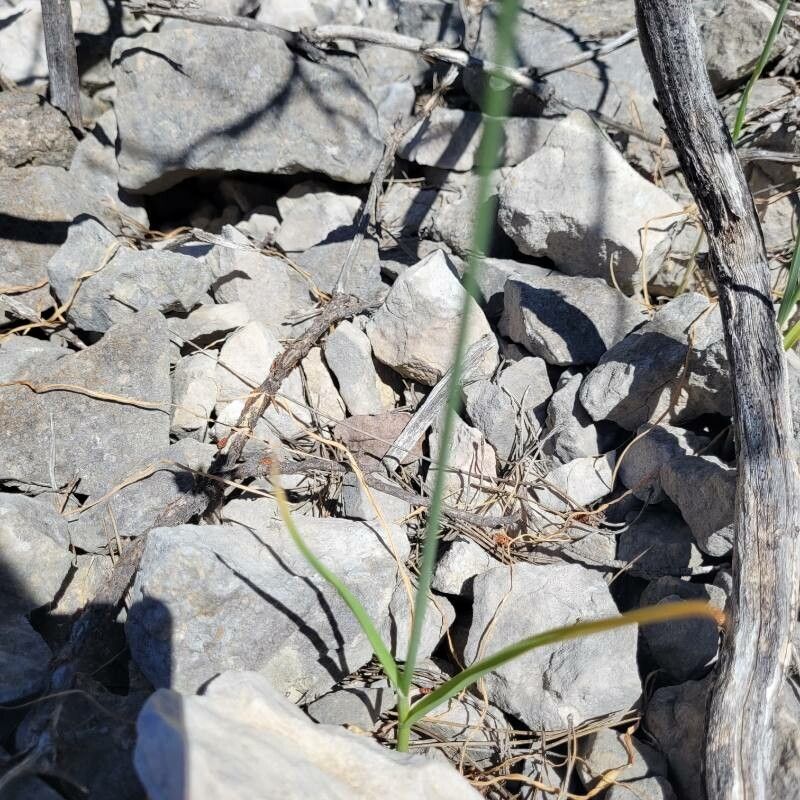
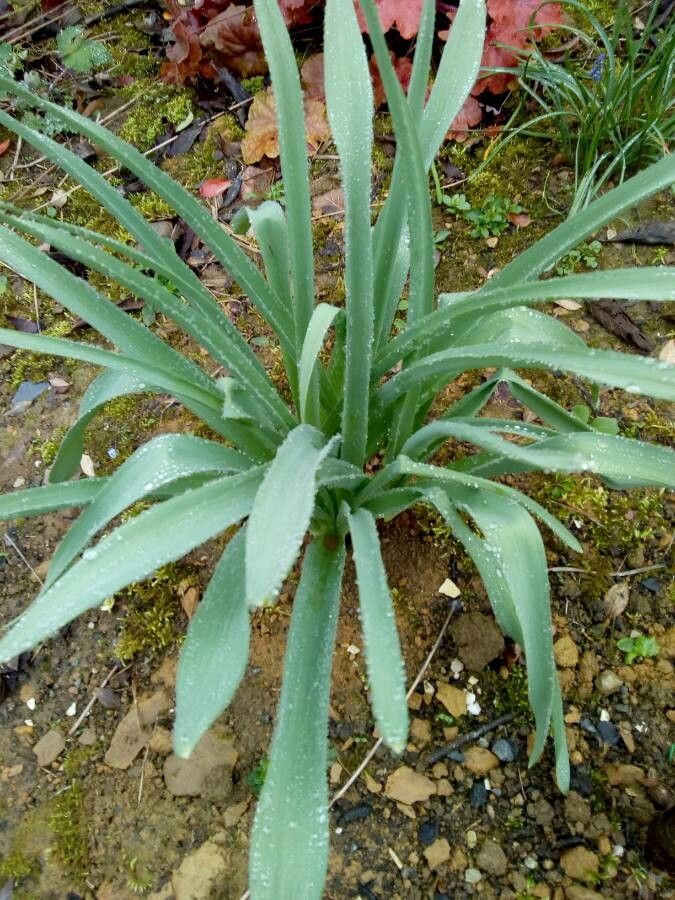
Allium trifoliatum, commonly known as the three-leaved onion, is a perennial herbaceous plant that belongs to the Amaryllidaceae family. Native to the western United States, this plant thrives in rocky or sandy soils found in open areas such as grasslands and sagebrush.
Typically, Allium trifoliatum grows up to 30 cm tall. It has narrow leaves that reach about 10 cm in length and produces clusters of small pink or white flowers on tall stems. These flowers bloom from late spring through early summer.
For centuries, Native American tribes have used Allium trifoliatum for medicinal purposes. The bulbs were applied as a poultice to treat wounds, while the leaves were chewed to alleviate toothaches.
Apart from its medicinal properties, Allium trifoliatum is also an attractive ornamental plant, suitable for rock gardens or mixed borders. It prefers well-drained soil and full sun exposure.
Overall, Allium trifoliatum is a hardy and versatile plant with both practical uses and aesthetic appeal.
Three-leaved garlic is fairly disease-resistant and usually does not develop illnesses. Nevertheless, it can be vulnerable to pests and diseases present in its environment. These problems tend to be mild. In terms of care, the plant requires a moderate amount of maintenance. It should be pruned regularly to keep a neat appearance and encourage healthy growth. Fertilizing can also help boost flowering. Three-leaved garlic is well-suited for anyone with outdoor space, such as a garden or patio, and does not demand extensive gardening experience. It may need more attention when grown indoors.
How to keep Allium Trifoliatum.
Light
Three-leaved garlic is a sun-loving perennial herbaceous plant native to open habitats, frequently thriving in meadows and grasslands. It prefers full sun, though it can also tolerate partial sun conditions.
Temperature
Three-leaved garlic can tolerate a wide span of temperature conditions, though its distribution may still be restricted by different mixes of moisture and heat. It does best in warm summer climates with sufficient rainfall or watering. Long stretches of cloudy, rainy weather and prolonged high temperatures can raise the chance of Three-leaved garlic dying. In winter, appropriate protection from cold can increase the plant’s survival rate.
Fertilizer
For Three-leaved garlic, the primary time to apply fertilizer is in early spring when the flowers are beginning to form. The appropriate fertilizer promotes stronger blooms and helps Three-leaved garlic produce attractive flowers. Fertilizing in early spring ensures good flowering throughout the season and supplies energy for dormant growth phases.
Pruning
Three-leaved garlic is known for its distinctive three leaves and garlic-scented bulbs. To maintain its health and vibrancy, it's beneficial to prune it from early to late spring. By removing dead leaves and spent flower stalks, you can encourage growth, prevent disease, and enhance the size of the bulbs, leading to a healthier and more robust plant.
Pot & Repot
When potting three-leaved garlic, make sure to provide excellent drainage. Good drainage is essential for keeping the plant healthy and avoiding problems caused by overwatering, such as root rot and other complications.
Botanical profile.
- Plant Type
- Herb
- Life Cycle
- Perennial
- Genus
- Allium
- Family
- Amaryllidaceae
- Hardiness Zone
- 5-9
- Mature Height
- 30 cm
- Mature Spread
- 10 cm
- Leaf Color
- Green
- Leaf Type
- Deciduous
- Flower Size
- 2.03 cm to 3.05 cm
- Bloom Time
- Mid spring, Late spring
- Planting Time
- Spring, Summer
- Harvest Time
- Early summer, Mid summer
- Native Area
- Egypt, Turkey, Syria, Italy, Cyprus, Lebanon, Greece, France
Other names.