Allium tuberosum
Garlic chives · Chinese chives · Oriental garlic · Chinese leek · Jiu
Description
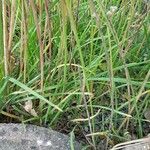
Source: leafsnapAllium tuberosum, commonly known as Chinese chives or garlic chives, is a perennial herbaceous plant that belongs to the onion family. Native to China, it is widely cultivated across many parts of Asia and Europe. The plant typically grows to a height of 30-50 cm and features long, narrow leaves that are either flat or slightly curved. The leaves of Allium tuberosum are renowned for their distinct garlic-like flavor and are frequently used in Chinese cuisine as a seasoning for stir-fries, soups, dumplings, and various other dishes. In late summer or early fall, the plant produces small white flowers that attract bees. Allium tuberosum is easy to cultivate in well-drained soil with full sun exposure. It can be propagated by dividing the clumps of bulbs or by sowing seeds directly into the soil during the springtime. This plant boasts several medicinal properties. It has anti-inflammatory effects that can help alleviate arthritis pain, and it aids digestion by relieving bloating, gas, constipation, and diarrhea. Additionally, it can be used for treating colds, coughs, and sore throats, thanks to its antibacterial qualities. Allium tuberosum also helps lower blood pressure levels due to its diuretic effects on the kidneys. Overall, Allium tuberosum is an excellent addition to any herb garden. Its culinary uses combined with its medicinal benefits make it an ideal choice for gardeners seeking both flavor and health advantages from their plants.
🌳 Although best known for its culinary uses, garlic chives also play an important role in environmental phytoremediation. Notably, the plant’s capacity to absorb heavy metals enables it to act as an effective natural cleanser for contaminated soils, making garlic chives valuable in ecological restoration projects.
🎭 Safeguarding, Restoration, Exorcism
Care Guide
💧 Water Every 7 days
Garlic chives, which originate from Asia, thrive in moderately moist, well-draining soil. They prefer weekly watering and higher humidity when grown indoors. Once established, garlic chives demonstrate a moderate tolerance to drought. Regular watering during the growing season enhances their growth, mirroring the balance of wet and dry cycles found in their native habitat.
What should I do if I give too much or too little water to my Garlic chives?
Garlic chives are easily overwatered, which can cause bulb rot. Look out for symptoms like mushy bulbs, flopping stems, droopy flowers, and yellowed stalks. If the leaves turn yellow before blooming, it's a sign of overwatering. Unfortunately, bulb rot can't be reversed, but if caught early, you can dig up the bulb, remove the rotten parts, and replace the soil. Disinfect pots and tools to avoid spreading fungus. Underwatering isn't as big of a problem, but signs include no blooms, sagging stalks, and browning around the edge of petals. If underwatered, give it a good drink without saturating the soil. Avoid overwatering, as it can lead to root rot and fungus. Look for spots on leaves and buds, as well as discolored and dying leaf tips.
How frequently should I water my Garlic chives?
Growing garlic chives is low maintenance and thrives when planted directly into the ground in the sunniest part of your garden. Avoid overwatering, as it can cause the bulb to rot. After initially watering the plant, you can let it be until you see new shoots. To determine if the soil is moist enough, check the moisture level a couple of inches below the surface. If it's still wet, no need to water. For potted plants, check the water collection tray for standing water before watering. Using a moisture sensor is a more accurate way to measure moisture levels in the soil. Aim to water your garlic chives once a week.
How should I change how much I water my Garlic chives based on different conditions?
Garlic chives are hardy plants that can withstand tough conditions, making them easy to care for outdoors. They don't require much watering and can survive long periods without it, as long as the soil has good drainage. However, when planting them in pots, you need to be cautious with watering. Overwatering can cause bulb rot, so it's best to water them less. Ensure the pots have drainage holes and use well-drained soil, adding sand or rocks to improve drainage. During the growing phase, you should water the Garlic chives approximately one inch per week to promote blooming. The amount of water needed also depends on the humidity and temperature of your climate. Hot and dry climates may require more frequent watering, while humid climates can do with less. Check the soil moisture level regularly to avoid overwatering, as these plants prefer moist, well-drained soil.
☀️ Light Full sun
Garlic chives, as a plant, prefers abundant natural light while also benefiting from some shade. Although it can tolerate reduced light, insufficient sunlight can impede healthy development, resulting in stunted growth and diminished nutritional quality. Native to sun-rich habitats, garlic chives effectively captures light for photosynthesis and growth throughout its life cycle.
What are the sunlight requirements for garlic chives?
Garlic chives flourish in full sun, requiring more than 6 hours of sunlight a day, but can also tolerate partial sun with about 3-6 hours of sunlight. It's crucial to observe the movement of sunlight in your garden to choose the optimal location for these plants, ensuring a healthy balance between light and shade for their growth and happiness.
How essential is sunlight for the growth of garlic chives?
Sunlight plays a pivotal role in the healthy growth of garlic chives, a plant that thrives in abundant natural light balanced with some shade. It can endure lower light conditions, but insufficient sunlight may lead to stunted growth and diminished nutritional value. Originating from sun-rich habitats, garlic chives are adept at capturing light for efficient photosynthesis and growth through all stages. In spaces where natural light is lacking, especially during winter or in less sunny areas, providing artificial lighting can be critical for promoting healthier, faster growth.
What artificial lighting requirements do garlic chives have?
For garlic chives and similar indoor plants that lack sufficient natural sunlight, especially in winter or less sunny areas, artificial lighting can be a beneficial alternative to support optimal growth. LEDs are often recommended, as they can be tailored to emit specific wavelengths of light that plants need. Full sun plants require 30-50W/sq ft, partial sun plants 20-30W/sq ft, and full shade plants 10-20W/sq ft of artificial light. The light source should be placed 12-36 inches above the plant to simulate natural sunlight, and most plants will thrive on 8-12 hours of light per day.
What are the signs of insufficient light in garlic chives?
When garlic chives don't receive enough light, they may show various symptoms that can be subtle, such as lighter-colored new leaves indicating a chlorophyll and nutrient deficiency, leggy or sparse growth leading to a thin appearance, and a slowdown or complete halt in new leaf production. Other signs include chlorosis, where leaves turn yellow due to chlorophyll breakdown; sunscald, with visible damage from intense light; leaf curling as a defense against too much sunlight; wilting from excessive water loss; and leaf scorching, evidenced by brown, dry edges on leaves.
What solutions can mitigate light deficiency issues for garlic chives?
To combat light deficiency in garlic chives, consider gradually moving them to sunnier spots to ensure they receive at least 6 hours of direct sunlight daily. Utilize a south-facing window for indoor plants and keep curtains open during the day. Using artificial lights, like desk lamps or professional grow lights, can also provide necessary light exposure. For outdoor plants, avoid sudden changes to prevent sunburn. Note that affected plant parts might not recover, but new growth will be healthy post-adjustment. Minimize obstructions by pruning or relocating plants to sunnier areas for better sunlight and growth.
🌡️ Temperature 0–35°C
Garlic chives come from areas with temperate climates. They grow best in temperatures from 32 to 95℉ (0 to 35℃). In hot summer periods, it's advisable to give the plants some shade and water them regularly to help them cope. In colder times, applying mulch to the soil can help stabilize temperature and protect the roots.
What is the optimal temperature range for growing Garlic chives?
Garlic chives thrive in temperate climates with a preferred temperature range between 32 to 95°F (0 to 35°C). To ensure optimal growth, it is essential to maintain this temperature range. During the hot summer months, providing shade and regular watering helps the plant adjust to the high temperatures. Conversely, during the colder seasons, it is beneficial to mulch the soil to help regulate the temperature and protect the plant's roots. Keeping the temperature above 0°C during winter cultivation is crucial for the Garlic chives' growth, and precautions should be taken to prevent freezing damage by keeping the temperature above the freezing point.
How should you care for Garlic chives in low temperatures?
Garlic chives have a moderate tolerance to low temperatures but thrive best in temperatures between 0°C and 35°C. It is important to prevent the temperature from dropping below -30°C, as exposure to temperatures below -35°C can cause the leaves to darken, and severe cold can lead to water-soaked necrosis, wilting, drooping, and the leaves turning brown. To protect Garlic chives from frost damage, it is advised to trim away frost-damaged parts, move the plant indoors to a warmer environment or set up a makeshift greenhouse for cold protection. If placed indoors, locating the plant near a south-facing window will ensure it receives enough sunlight, and if natural light is insufficient, supplemental lighting can be used.
What are the necessary steps to protect Garlic chives in high temperatures?
During the summer, it is crucial to keep Garlic chives' temperature below 35°C. Exposure to temperatures above 41°C can slow the plant's growth, cause the leaves to lighten in color, and increase susceptibility to sunburn. To mitigate heat damage, trim away sunburned and dried-up parts and move the plant to a location that provides afternoon shade. Additionally, watering the plant in the morning and evening will help keep the soil moist and further protect the plant from high temperature stress.
💨 Humidity normal (40-60%)
This plant will thrive in moderate humidity, which is probably the level in your home. However, misting it a few times a week can be very beneficial. Make sure the room has good ventilation.
🪴 Soil 6-7
🌱 Fertilizer
To maximize the yield and flavor of garlic chives, supply ample nitrogen throughout the entire growth cycle, including before planting and at harvest. Plants that are well watered and fertilized produce plentiful, healthy leaves and have less bitterness. Before planting, enrich the soil with organic matter such as compost or manure, ideally 2 to 8 weeks beforehand.
Why should I add fertilizer to my Garlic chives?
Garlic chives, unlike other plants, have specific requirements because they are cultivated for their edible leaves. Among the essential nutrients that plants need, nitrogen plays a crucial role in supporting foliage growth. However, obtaining sufficient nitrogen from the soil can be a challenge for garlic chives, leading many gardeners to provide extra nitrogen through supplements to ensure a bountiful harvest.
When should I fertilize my Garlic chives?
To effectively fertilize your Garlic chives throughout the growing season, follow these steps: 1. Start by preparing the ground for planting at least 2 to 8 weeks prior to planting. Thoroughly amend the soil with nutrient-rich organic material such as compost or manure. 2. At planting time, repeat the process of amending the soil with the same nutrient-rich organic material. 3. Once your seedlings emerge and reach a height of around 2 inches, it's time for the next dose of fertilizer. 4. From this point on, regularly feed your Garlic chives with either rich organic matter or a commercial fertilizer until it's time to harvest. A good practice is to fertilize every two to three weeks. 5. Additionally, consider adding a layer of compost or manure around each plant. This will provide a continuous supply of nutrients to support their growth.
When is it best to not use fertilizer on my Garlic chives?
When it comes to fertilizing plants, it's important to consider their specific needs. If you're growing vegetables, it's best to use nitrogen-rich fertilizers to promote healthy foliage. However, be cautious about applying this type of fertilizer near other vegetable plants that should be focusing on fruiting. Otherwise, you could end up with plants that have lots of leaves but produce very few vegetables. Additionally, be careful not to let any type of fertilizer touch or splash onto the leaves of your Garlic chives, as this can cause them to burn. Instead, apply the fertilizer a couple of inches away from the base of the plant. If your Garlic chives are unhealthy due to disease, pests, drought, or other factors, it's best to address those issues before fertilizing. While fertilizer can be beneficial for healthy plants, it can actually cause harm if applied while the plant is in a weakened condition.
What kind of plant food does my Garlic chives need?
The best type of fertilizer for Garlic chives depends on several factors, including the specific plant, environmental conditions, and soil composition. However, since Garlic chives require a lot of nitrogen, high-nitrogen fertilizers are generally a good choice. Start by amending the soil with manure or compost at the beginning of the growing season, and then use a dry or liquid fertilizer throughout the season. During the seedling stage, lightly feed the plant and gradually increase the amount as it matures. Organic fertilizers, like fish emulsion, soil meal, compost tea, alfalfa meal, blood meal, and chicken manure, are preferred by many for their higher-quality taste. However, chemical fertilizers can also be used. Look for the NPK number on the fertilizer packaging, with a focus on higher nitrogen content represented by the first number, such as a 13-2-5 or even a 16-0-0 formulation.
How do I make my Garlic chives grow better by giving them plant food?
To fertilize your Garlic chives, you have a few options depending on the type of fertilizer you choose. For soil amendment, dig at least 6 inches (or deeper) into the soil and mix in your amendment at a 2:1 ratio of soil to amendment material. Make sure to mix them together well. Granular or powder fertilizers should be spread around the base of the plant according to the instructions given by the retailer. To prevent the fertilizer from washing or blowing away, mix it into the top layer of soil, about 2 to 3 inches away from the plant. Remember to water thoroughly after adding dry fertilizer. If you water your Garlic chives from a container, you can dissolve water-soluble chemical fertilizers into water and use that mixture to water your plants. Keep in mind that this method is only suitable for container watering, not for irrigation or other methods.
🪴 Pot & Repot Every 12 months
Repot Garlic chives in early spring. Choose a pot that is wider than it is deep and has good drainage. Use a loamy, well-draining potting mix amended with compost. Gently remove old soil from the bulb and plant it at a depth equal to the bulb’s height. Water thoroughly after repotting and place the pot in a sunny spot. Avoid overwatering to prevent the bulb from rotting.
✂️ Pruning
Garlic chives are clump-forming plants with edible leaves, and they benefit from pruning between early and late spring. This helps remove dead foliage and encourages new growth. It's important to remove flowers promptly to prevent the plant from seeding. Regular pruning not only enhances the plant's density but also extends the harvest period. To prevent disease and ensure clean cuts, use clean and sharp shears.
🌿 Propagating
🐛 Diseases & pets
☠️ Toxicity
Garlic chives may be the foundation of many culinary wonders, but they are exceedingly harmful to animals, particularly cats and dogs, if they consume a single large serving or nibble on little quantities repeatedly over time.
Characteristics
- Plant Type
- Herb
- Life Cycle
- Perennial
- Genus
- Allium
- Family
- Amaryllidaceae
- Hardiness Zone
- 3-10
- Mature Height
- 40 cm
- Mature Spread
- 30 cm
- Leaf Color
- Green
- Leaf Type
- Deciduous
- Flower Color
- White
- Flower Size
- 2.54 cm
- Bloom Time
- Mid summer, Late summer
- Planting Time
- Spring, Winter, Summer, Autumn
- Harvest Time
- Late summer, Early fall
- Native Area
- China