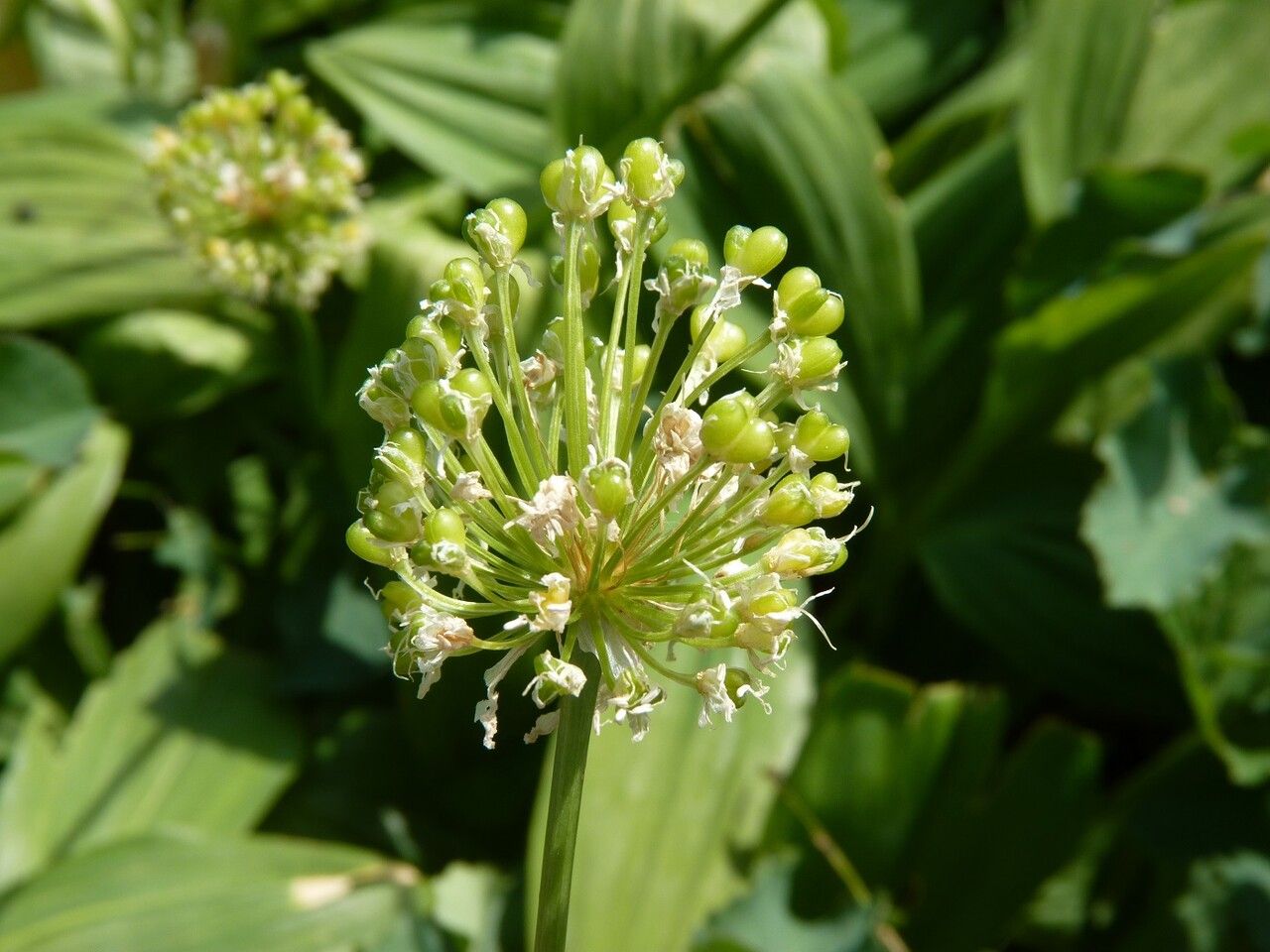
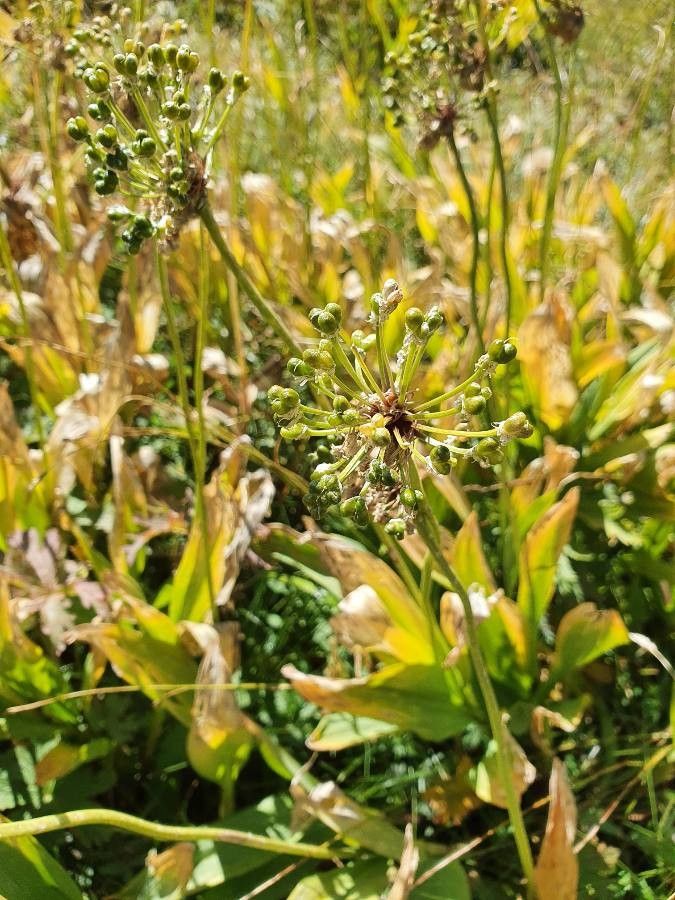
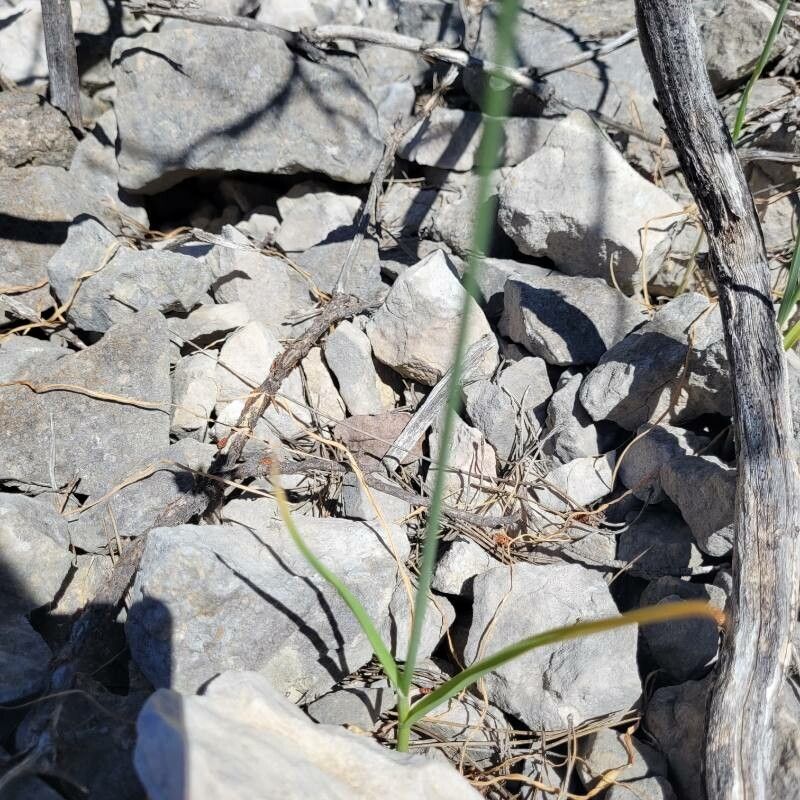
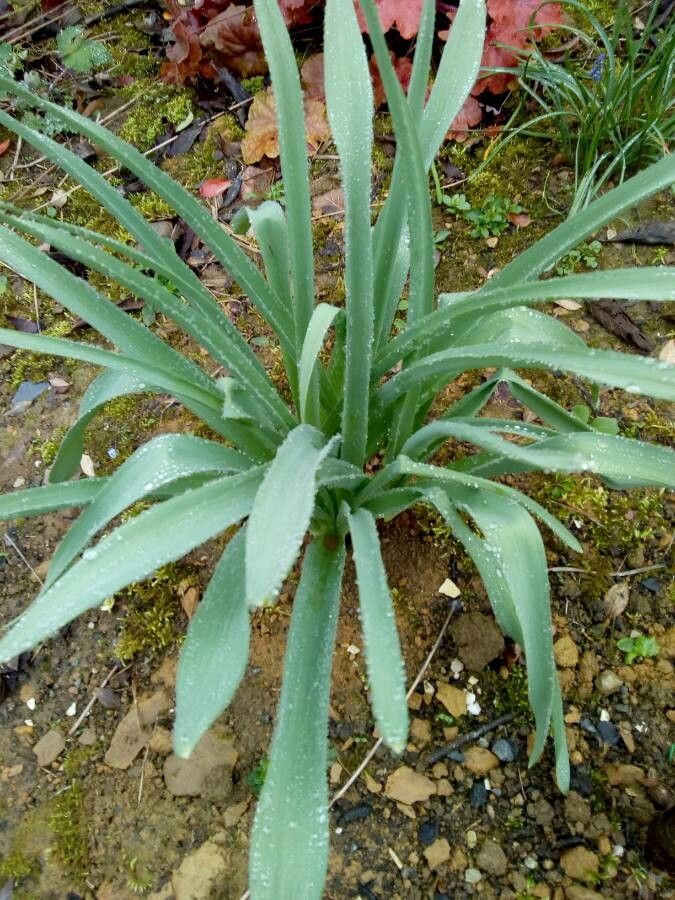
Allium victorialis, commonly known as Alpine leek or Victory onion, is a perennial herbaceous plant belonging to the Allium genus. Native to the mountainous regions of Europe and Asia, it thrives in alpine meadows, rocky slopes, and forests.
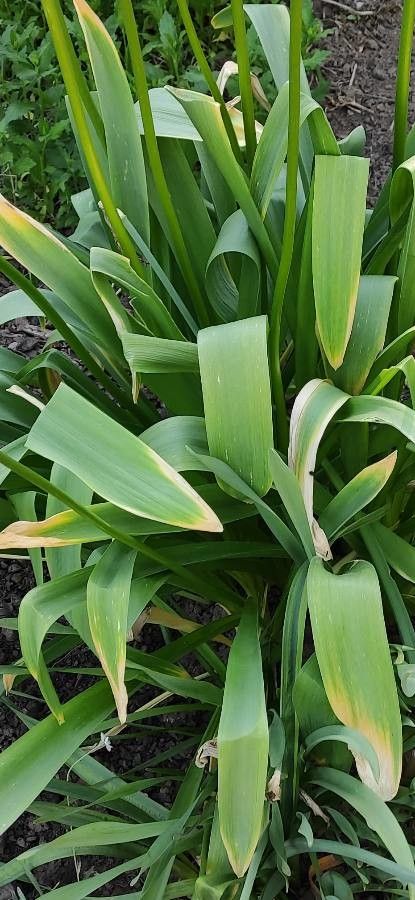
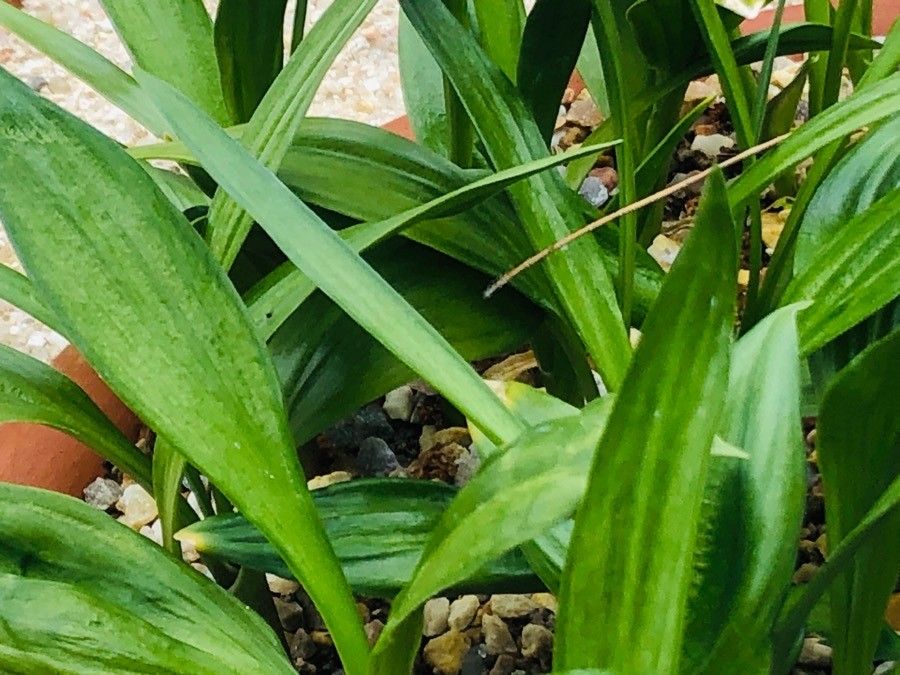
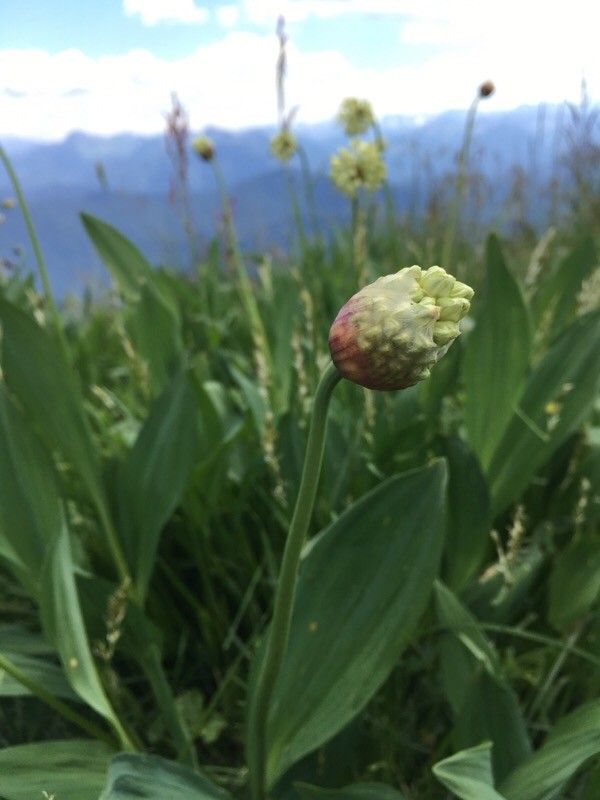
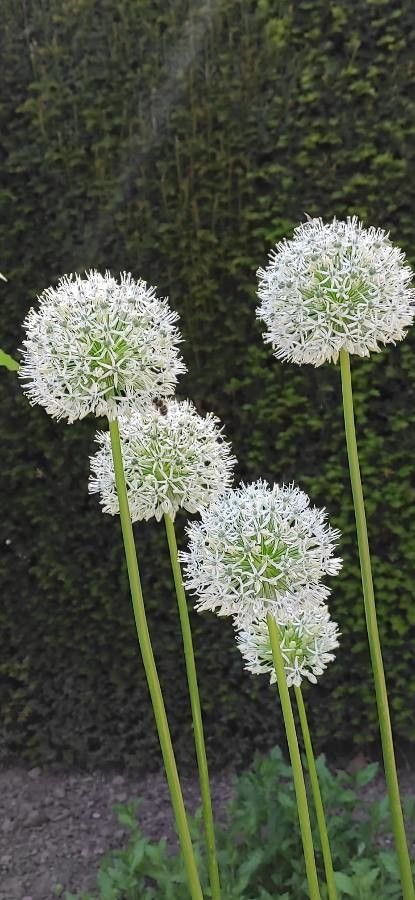
The plant can grow up to 60 cm tall, featuring long, narrow, dark green leaves. Its small flowers, which are either white or pinkish-purple, form dense clusters at the top of a long stem. The bulbs of Allium victorialis are small yet flavorful, with a taste reminiscent of garlic.
Throughout history, various cultures have utilized all parts of the plant for medicinal purposes. It has been employed as an antiseptic, diuretic, and expectorant, and is also known for its anti-inflammatory properties.
In addition to its medicinal uses, Allium victorialis is a popular edible herb in European cuisines, particularly in Italy, where it is called "aglio della montagna," meaning mountain garlic. The leaves can be consumed either raw or cooked, while the bulbs are often pickled or roasted.
Overall, Allium victorialis is a fascinating plant with both medicinal and culinary applications, making it a favorite among gardeners who appreciate growing unique plants that serve multiple purposes.
Alpine leek has moderate resistance to disease but can be prone to problems like leaf spot. Its vulnerability to insect pests differs by variety, though most types are relatively less resistant to pests. For care, Alpine leek requires regular watering and feeding, along with frequent removal of yellowing leaves. Pests and diseases should be managed as soon as they appear, and the crop should be harvested promptly. Alpine leek is best suited to people who can spend some time and effort on ongoing care.
How to keep Allium Victorialis.
Light
Alpine leek does best with plentiful sunshine. Sunlight greatly encourages its growth and keeps the plant healthy. In its native alpine environment the species is adapted to tolerate strong solar radiation. Too little sun can damage it, and too much can be harmful as well.
Water
Alpine leek flourishes in mountainous regions, where it thrives in consistent moisture without becoming oversaturated. To keep it healthy, this plant usually needs to be watered once a week, although it can tolerate moderate drought conditions. As an outdoor plant suited to cooler climates, it benefits from the natural rainfall patterns during its growing season.
Temperature
Alpine leek originates from alpine habitats and grows within a temperature range of 41 to 95 °F (5 to 35 ℃). It tends to prefer cooler climates, making it well-suited to cooler seasons and regions. Seasonal adjustments to temperature are advised according to local conditions.
Fertilizer
To optimize the yield and flavor of Alpine leek, supply adequate nitrogen across the entire growth cycle, including pre-planting and harvest. Plants that are well watered and fertilized develop plentiful, healthy leaves and have less bitterness. Before planting, improve the soil with organic matter such as compost or manure, ideally 2 to 8 weeks prior.
Pruning
Alpine leek requires minimal pruning, which is best done in the spring. To promote air circulation and reduce the risk of disease, remove any dead foliage. After the flowers have bloomed, cut back the flower stalks to redirect energy towards the bulb. Be careful not to over-prune, as this can stunt growth. Proper pruning will help encourage vigorous and healthier plants.
Pot & Repot
To thrive, alpine leeks need excellent drainage in their pots. This prevents waterlogging and encourages healthy root growth.
Botanical profile.
- Plant Type
- Herb
- Life Cycle
- Perennial
- Genus
- Allium
- Family
- Amaryllidaceae
- Hardiness Zone
- 5-10
- Mature Height
- 30 cm to 46 cm
- Mature Spread
- 30 cm to 49 cm
- Leaf Color
- Dark Green
- Leaf Type
- Deciduous
- Flower Color
- White, Cream
- Flower Size
- 0.51 cm to 0.51 cm
- Bloom Time
- Late spring, Early summer
- Planting Time
- Spring, Summer
- Harvest Time
- Mid summer, Late summer
- Native Area
- India, Austria, Slovakia, Montenegro, Pakistan, Slovenia, Croatia, Russia, Germany, Koppen, South Korea, Romania, Portugal, Nepal, France, Czech Republic, Bulgaria, Armenia, Poland, Ukraine, Serbia, China, Italy, Kazakhstan, Spain, Switzerland, Japan, Mongolia, Albania, Azerbaijan, Hungary
Other names.
Reader questions.
How should I water my Alpine leek for best results?
To properly water the Alpine leek, it is recommended to use filtered water at room temperature. Tap water may have harmful particles, so filtering it is preferable. The water should be at room temperature or slightly warmer because the Alpine leek is used to a warm climate and cold water can be a shock to its system. Overhead watering should be avoided as it can lead to issues with the foliage. Instead, the filtered room temperature water should be applied directly to the soil until it is completely soaked. This method benefits the plant by moisturizing the roots and allowing them to spread and gather nutrients in the soil.
Why should I put fertilizer on my Alpine leek?
Fertilization is important for the Alpine leek because it provides essential nutrients for the plant's growth above and below ground. Although the fertilization needs for Alpine leeks are generally low, annual fertilization can greatly benefit the plant. It helps the plant survive and may improve the quality and longevity of its flowers. Therefore, those who want their Alpine leeks to thrive should regularly fertilize them.
What are the sunlight requirements for Alpine leek?
Alpine leek requires full sun to thrive, which means it needs more than 6 hours of sunlight daily. However, it can also tolerate partial sun, receiving about 3-6 hours of sunlight. It's crucial to observe the movement of sunlight through your garden to choose the best spots that offer a perfect balance of light and shade, ensuring the plants' growth and health. In its natural habitat, the Alpine leek is accustomed to intense solar radiation, which significantly promotes its healthy growth.
What is the native environment of Alpine leek?
Alpine leek, or Allium victorialis, is native to alpine environments which typically have a temperature range of 41 to 95°F (5 to 35°C). Its preferences tend towards colder climates, making it ideal for cooler seasons and areas. Due to its strong cold resistance, Alpine leek does not usually require special frost protection measures during winter. However, in extremely cold conditions where winter temperatures are expected to drop below -25°C, it's important to provide cold protection by covering the plant with materials such as soil or straw. Additionally, it is recommended to water the plant abundantly before the first freeze in autumn to ensure the soil remains moist and enters a frozen state, which helps prevent drought and water scarcity for the plant during winter and early spring.
What do I do if I give my Alpine leek too much or too little water?
Overwatering is a common issue for Alpine leeks and can lead to wilting, yellowing, and diseases like root rot, mold, and mildew. Underwatering is less common but can cause brittle, brown leaves. It's important to notice signs of overwatering early and reduce watering immediately. Check the soil's drainage and replace if it drains poorly. If underwatering is the issue, simply water more regularly until the signs improve.
When should I fertilize my Alpine leek for the best results?
To give your Alpine leek the best chance for healthy growth, it is recommended to fertilize it in late winter to early spring. This is when the plant is coming out of dormancy and entering a period of active growth. Fertilizing at this time will provide a strong start for the season. While early spring is the most beneficial time to fertilize, it is also acceptable to fertilize in the fall. However, it is not recommended to feed the Alpine leek during summer or winter.
Can Alpine leek be grown indoors and how?
Yes, Alpine leek can be grown indoors, especially when natural sunlight is insufficient, such as in winter or less sunny spaces. Adequate lighting is essential for optimal growth. Artificial lights, like LED lights, can be used as they can be customized to provide specific light wavelengths needed by the plant. Full sun plants require 30-50W/sq ft, partial sun plants need 20-30W/sq ft, and full shade plants need 10-20W/sq ft of artificial light. The light source should be placed 12-36 inches above the plant, mimicking natural sunlight as much as possible, and the lighting duration should match the natural daylight hours, usually 8-12 hours per day.
How does Alpine leek respond to low temperatures?
Alpine leek is notably cold-tolerant, thriving best at temperatures above 5°C. During winter, it is important to keep it above -20°C. When temperatures fall below -25°C, there may not be immediate noticeable changes during the winter season; however, there could be a decrease in sprouting or even no sprouting at all during the following spring. The solution for any parts that have failed to sprout by spring is to remove them to facilitate new growth.
How often should I give water to my Alpine leek?
If your Alpine leek plant is in a pot, the most precise way to determine if it needs water is by checking the moisture level of the soil. Simply stick your finger into the soil and if the first two to three inches are dry, it's time to water. If you're growing the Alpine leek outdoors in the ground, you can use a similar method to test the soil. When the first few inches of soil have dried out, it's a signal to add water. Typically, during spring and early fall, watering once a week is sufficient. However, in extremely hot weather, you may need to water it twice or more per week. Despite this, it's worth noting that mature and well-established Alpine leeks can withstand drought quite well.
When is not a good time to add fertilizer to my Alpine leek?
To properly fertilize your Alpine leek, it's important to remember a few guidelines. Firstly, it is recommended to fertilize only during late winter and early spring. This plant has low fertilization needs, so a single feeding during this time should be sufficient. Avoid fertilizing during spring, summer, and fall as overfertilization can easily occur. However, if you missed fertilizing in spring, it is permissible to feed the plant in fall. Additionally, refrain from fertilizing during the winter when the Alpine leek is in a dormant growth phase and not producing new growth.
What are common symptoms of inadequate light exposure in Alpine leek?
Common symptoms of light deficiency in Alpine leek include smaller new leaves, leggy or sparse growth, faster leaf drop, slower or no new growth, lighter-colored new leaves, and symptoms of too much sunlight like chlorosis, sunscald, leaf curling, wilting, and leaf scorching. These signs indicate either insufficient light exposure required for healthy growth or excessive sunlight leading to damage.
What care does Alpine leek require in high temperatures?
In the summer months, it is crucial to ensure that Alpine leek is kept in conditions below 35°C. Should the temperature exceed 41°C, you may observe the leaves becoming lighter in color, prone to curling, susceptible to sunburn, and, in severe cases, the entire plant may wilt and dry out. To address this, trim away any sunburned and dried-up parts of the plant. Relocating the plant to a spot that provides shade during the midday and afternoon sun or using a shade cloth can be effective. Additionally, watering the plant in the morning and evening will help keep the soil appropriately moist, which is critical for the health of the plant during high temperatures.