Allium vineale
Wild garlic · Wild Onion · Field garlic · Crow garlic · False garlic
Description
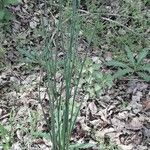
Source: leafsnapAllium vineale, commonly known as wild garlic or crow garlic, is a perennial plant belonging to the Allium genus. Native to Europe and Asia, it has been introduced to other regions, including North America. The plant can reach up to 60 cm in height and features long, narrow, dark green leaves. Its small white or pink flowers grow in clusters atop a long stem. Due to its invasive nature, wild garlic is often regarded as a weed. It thrives in almost any soil type but prefers moist conditions. The plant spreads through underground bulbs and seed dispersal. When crushed or cut, the leaves of wild garlic emit a strong odor similar to regular garlic. These leaves are edible and can be used in various culinary applications, such as flavoring soups, stews, and salads, or for making pesto sauce. Wild garlic also possesses medicinal properties. It acts as an antioxidant, helping to reduce inflammation throughout the body and potentially lowering the risk factors for chronic diseases such as heart disease. Overall, Allium vineale is an intriguing plant with both culinary and medicinal uses, making it valuable both inside and outside the kitchen.
💡 Wild garlic is a perennial noxious weed with a scent and flavor similar to garlic. Its strong garlic aroma is easily noticeable when you walk past or brush against the plant. Although it is technically edible, many people find that wild garlic leaves a bitter and unpleasant aftertaste. Additionally, it is known to affect the flavor of nearby crops and dairy products.
🌳 Besides its culinary uses, wild garlic offers a new possibility for producing renewable energy. Researchers have been examining the bulbs' high cellulose content with the goal of converting them into biofuel. This promising approach points to an environmentally friendly method of managing wild garlic populations by using their biomass as a sustainable resource, thus addressing both energy needs and invasive species control.
🎭 Safeguarding, Recovery
Care Guide
💧 Water Every 7 days
Wild garlic thrives in its native environment, which has periodic moisture, but it generally prefers drier conditions. To support its moderate drought tolerance, water the plant every 1-2 weeks. Although typically grown outdoors, wild garlic can manage soil moisture well during its active season, keeping the bulb healthy without becoming waterlogged.
When Should I Water My Wild Garlic?
The right time to water wild garlic involves several factors. You should water when the topsoil feels dry or loose, indicating the plant needs moisture. Observing the plant's leaves for signs of wilting or yellowing can also guide you, as these are indicators of dehydration. Additionally, the color of wild garlic's shoots, which should be a rich green, can signal the need for watering if they appear pale or dull. During hot and dry summer seasons, it's essential to monitor these signs more closely due to increased water needs. Incorrect watering timing, either too early or too late, may lead to issues such as poor growth or diseases due to overwatering, or plant wilt and loss of vitality due to under watering.
How Should I Water My Wild Garlic?
Watering wild garlic requires a careful approach to meet its specific needs. Bottom-watering is effective, allowing roots to absorb moisture without the risk of fungal diseases caused by excess moisture on foliage. If using a watering can, choose one with a narrow spout to direct water to the base of the plant and avoid wetting the foliage. A moisture meter can help ensure proper hydration. The key is to let the top inch of soil dry before the next watering while keeping the root zone moist. Avoid watering the foliage directly to prevent fungal diseases. More frequent watering may be necessary during summer due to evaporation, but always aim to water in the early morning or late evening to avoid water loss through evaporation.
How Much Water Does Wild Garlic Really Need?
Wild garlic prefers well-drained soil and requires thorough watering, allowing moisture to penetrate the top few inches of soil. Typically, this equates to about 1-2 inches of water per session, or approximately 1 gallon for a small potted plant. Indicators of adequate hydration include vibrant green leaves and upright growth. Over-watering can lead to yellowing leaves and diseases, while under-watering may cause them to turn yellow or brown and the plant to wilt. It's vital to provide consistent moisture particularly in wild garlic's natural habitat scenarios, yet ensuring proper drainage to prevent waterlogged conditions.
What Kind of Water is Best for Wild Garlic?
Wild garlic thrives with tap water, rainwater, or distilled water. However, it's sensitive to chlorine and fluoride, which can cause yellowing leaves and tip burn, respectively. Allowing tap water to sit out for 24 hours can evaporate chlorine and minimize fluoride content, making it more suitable for the plant. It's also important to use water with low to moderate mineral content to avoid leaf discoloration. Water temperature matters too, with tepid water being preferred to avoid shocking the plant's roots. Ensuring good water quality is crucial for the optimal growth and health of wild garlic.
How Do Wild Garlic's Watering Needs Change with the Seasons?
Wild garlic's watering needs vary with the seasons. Spring marks an active growth phase requiring consistent soil moisture. In summer, as the plant may enter dormancy, reduce watering and let the topsoil dry slightly between sessions. Autumn sees a preparation for dormancy, necessitating a decrease in watering frequency. Watering during winter should be minimal, only when the topsoil is dry to the touch. Seasonal adjustments in watering ensure the plant receives appropriate moisture throughout its growth cycle and dormancy periods.
☀️ Light Full sun
Wild garlic grows best when it gets plenty of daylight each day, though it can tolerate spots where sunlight is partly filtered. However, too much shade can impede its healthy development. Since it originates from brightly lit habitats, heavy shading or prolonged overcast conditions can cause stunted growth.
What are the sunlight requirements for wild garlic?
Wild garlic thrives best when it's exposed to ample sunlight each day. It requires full sun, which means it needs more than 6 hours of sunlight daily to grow healthily. However, it can also survive under partial sun conditions, approximately around 3-6 hours of sunlight. It's important to monitor your garden's sunlight pattern to ensure spots are chosen that offer the right balance of light and shade, as too much shade can hinder its growth. Remember, wild garlic originates from environments rich in photons, and insufficient sunlight might lead to stunted growth.
How can artificial lighting support wild garlic growth indoors?
Indoor wild garlic plants require sufficient lighting for optimal growth, especially when natural sunlight is scarce during winter or in less sunny spaces. Artificial lighting can be a vital solution for promoting healthier and faster growth. Important tips include choosing the right type of artificial light, such as LED lights, which can be customized to provide specific wavelengths needed by the plant. Full sun plants need 30-50W/sq ft of artificial light, partial sun plants require 20-30W/sq ft, and full shade plants need 10-20W/sq ft. The light source should be placed 12-36 inches above the plant to mimic natural sunlight, and the duration should be similar to natural daylight hours, typically 8-12 hours per day.
What are some common symptoms of light deficiency in wild garlic?
Wild garlic showing signs of light deficiency may exhibit symptoms such as smaller new leaves, leggy or sparse growth, faster leaf drop, and slower or no new growth, indicating it is in survival mode due to poor lighting conditions. Additionally, lighter-colored new leaves suggest a lack of chlorophyll and essential nutrients, while chlorosis, sunscald, leaf curling, wilting, and leaf scorching are other symptoms resulting from inappropriate sunlight exposure. These consequences illustrate the plant's struggle with inadequate light or the adverse effects of excessive sunlight.
What solutions can help improve sunlight exposure for wild garlic?
To enhance sunlight exposure for wild garlic, gradually move plants to sunnier locations each week until they reach at least 6 hours of direct sunlight daily. For indoor plants, use a south-facing window, keep curtains open during the day, or consider using artificial light sources like desk lamps or professional grow lights for at least 8 hours daily. Outdoors, ensure plants adapt gradually to prevent sunburn. Reduce sunlight obstructions by pruning trees or relocating plants to sunny spots with good drainage, especially during their dormant period in late winter or early spring.
🌡️ Temperature 5–32.2°C
Wild garlic prefers temperatures between 41 and 90 °F (5 and 32 °C). It comes from regions with moderate climates and needs a mild environment to thrive. In the warmer summer months it may require occasional watering to cope with higher temperatures.
What is the preferred temperature range for wild garlic?
Wild garlic thrives in a temperature range of 41 to 90°F (5 to 32°C). It is well-suited to regions with moderate temperatures and requires a mild climate to grow optimally. Special attention might be needed during the warmer summer months, including occasional watering, to help the plant adjust to higher temperatures. Although wild garlic has strong resistance to cold and usually doesn't need special frost protection measures in winter, it's important to prepare it for freezing temperatures by covering it with soil or straw and watering it abundantly before the first freeze, to ensure the soil remains moist.
How does low temperature affect wild garlic, and what are the solutions?
Wild garlic is notably cold-tolerant and performs best when the temperature stays above its specific tolerable minimum. In winter, it is crucial to keep it above this threshold to avoid growth issues. If the temperature falls below its growth limit, you might not notice immediate changes during the winter, but there could be a decrease in sprouting or a complete lack of sprouting come spring. To address this, remove any parts of the plant that have failed to sprout in the spring.
How does high temperature affect wild garlic, and what are the solutions?
During the summer months, it's essential to ensure that wild garlic's temperature does not exceed its maximum for suitable growth. Exceeding its tolerable maximum temperature can cause the leaves to lighten in color, become prone to curling, susceptible to sunburn, and, in severe cases, lead to the plant wilting and drying out. To mitigate these issues, you should trim away the sunburned and dried-up parts of the plant. Also, move the plant to a shaded area or use a shade cloth to protect it from the midday and afternoon sun, and water the plant in the morning and evening to keep the soil moist.
💨 Humidity
🪴 Soil 6-7
🌱 Fertilizer
One fertilizer application in spring is generally enough for Wild garlic, though repeated feedings can increase growth. Feed every one to one and a half months. Fertilizing improves the leaves' appearance and function, encouraging even color and a healthy texture. It also promotes root development and nutrient uptake, supporting the plant's long-term health.
🪴 Pot & Repot Every 12 months
For wild garlic to thrive when planted in pots, it requires excellent drainage. This ensures optimal growth and health.
✂️ Pruning
Alliums do not repeat bloom. Trim the flower stalks down after flowering in order to send the plant's focus back into storing energy in the bulb. However, the dried flower heads are as attractive as the live flowers and many gardeners like to keep them standing.
🌿 Propagating
🐛 Diseases & pets
☠️ Toxicity
Characteristics
- Plant Type
- Herb
- Life Cycle
- Perennial
- Genus
- Allium
- Family
- Amaryllidaceae
- Hardiness Zone
- 4-8
- Mature Height
- 30 cm to 61 cm
- Mature Spread
- 10 cm
- Leaf Color
- Green, Gray, Silver
- Leaf Type
- Deciduous
- Flower Color
- Pink, Lavender
- Flower Size
- 2.03 cm to 5.08 cm
- Bloom Time
- Late spring, Early summer
- Planting Time
- Autumn
- Harvest Time
- Mid summer
- Native Area
- Turkey, Austria, Sweden, Slovakia, Montenegro, Croatia, Slovenia, Morocco, Belarus, Russia, Germany, Estonia, Romania, Latvia, Belgium, Netherlands, France, Portugal, Czech Republic, Bulgaria, Armenia, Poland, Greece, Ukraine, Lebanon, Serbia, Lithuania, Norway, Italy, Spain, Switzerland, Denmark, Finland, Iran, Albania, Ireland, United Kingdom, Hungary, Algeria, Azerbaijan