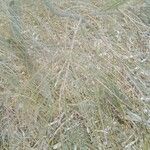
Allocasuarina torulosa
Forest-Oak · Forest she-oak · River-oak · Rose she-oak · Australian mahogany
Description
Source: leafsnapAllocasuarina torulosa, commonly known as Forest Oak or Forest She-oak, is a tree species belonging to the Casuarinaceae family. Native to Australia, this tree thrives in various habitats, including dry sclerophyll forests, heathlands, and woodlands. The Forest Oak can reach a height of up to 20 meters, with a trunk diameter of up to 50 centimeters. Its appearance is distinctive, featuring needle-like leaves arranged in whorls around the branches. The tree's bark is rough, fissured, and has a reddish-brown color. This species produces small, inconspicuous flowers lacking petals and sepals. Male flowers are arranged in cylindrical spikes, while female flowers are located at the ends of small branches. Allocasuarina torulosa serves multiple purposes: it provides shelter for wildlife, stabilizes soil on slopes with its deep root system, and yields high-quality timber for furniture making. Overall, Allocasuarina torulosa is a vital species in Australian ecosystems. Its unique characteristics make it an integral part of many habitats across Australia's diverse landscape.
Care Guide
💧 Water Every 7 days
The forest oak is well-suited for dry forests due to its excellent drought tolerance, needing only weekly watering. As an evergreen, it efficiently retains water throughout the year, making it a low-maintenance choice for both indoor and outdoor gardening.
☀️ Light Full sun
Forest oak comes from open habitats, for example sunlit meadows and forest edges, which provide plenty of light. It thrives in Full Sun but can also tolerate Partial Sun, adapting well to different sunlight conditions.
🌡️ Temperature 20–37.8°C
Forest oak is quite adaptable to temperature, able to tolerate higher heat and larger temperature fluctuations. When temperatures are high, care should be taken to ensure adequate watering and to provide appropriate shade to prevent sunburn. However, Forest oak has relatively poor tolerance for low temperatures. While it can endure some cold, excessively low conditions can result in frost damage.
💨 Humidity
🪴 Soil 6-7
🌱 Fertilizer
Fertilize your Forest oak in early spring to encourage healthy growth. Regular fertilization boosts overall health, producing vigorous growth, increased tolerance of harsh conditions, and greater resistance to pests and diseases. Adhere to a specific fertilization schedule for your Forest oak to preserve vibrant, deep-colored foliage and a lush appearance.
🪴 Pot & Repot
✂️ Pruning
To maintain the shape and promote healthy growth of forest oaks, it is important to prune them in early spring. This helps remove dead branches and encourages healthier development. Use clean, sharp tools to make cuts just above the buds. Emphasize light and regular pruning to manage the tree's size and improve air circulation, which enhances both the structural integrity and appearance of the tree.
🌿 Propagating
🐛 Diseases & pets
☠️ Toxicity
Characteristics
- Plant Type
- Tree
- Life Cycle
- Perennial
- Genus
- Allocasuarina
- Family
- Casuarinaceae
- Hardiness Zone
- 9-11
- Mature Height
- 14.94 m to 24.99 m
- Mature Spread
- 4.88 m to 7.92 m
- Leaf Color
- Dark Green
- Leaf Type
- Evergreen
- Flower Color
- Brown
- Bloom Time
- Late summer, Early fall, Mid fall
- Planting Time
- Spring, Summer
- Harvest Time
- Late fall, Early winter, Mid winter