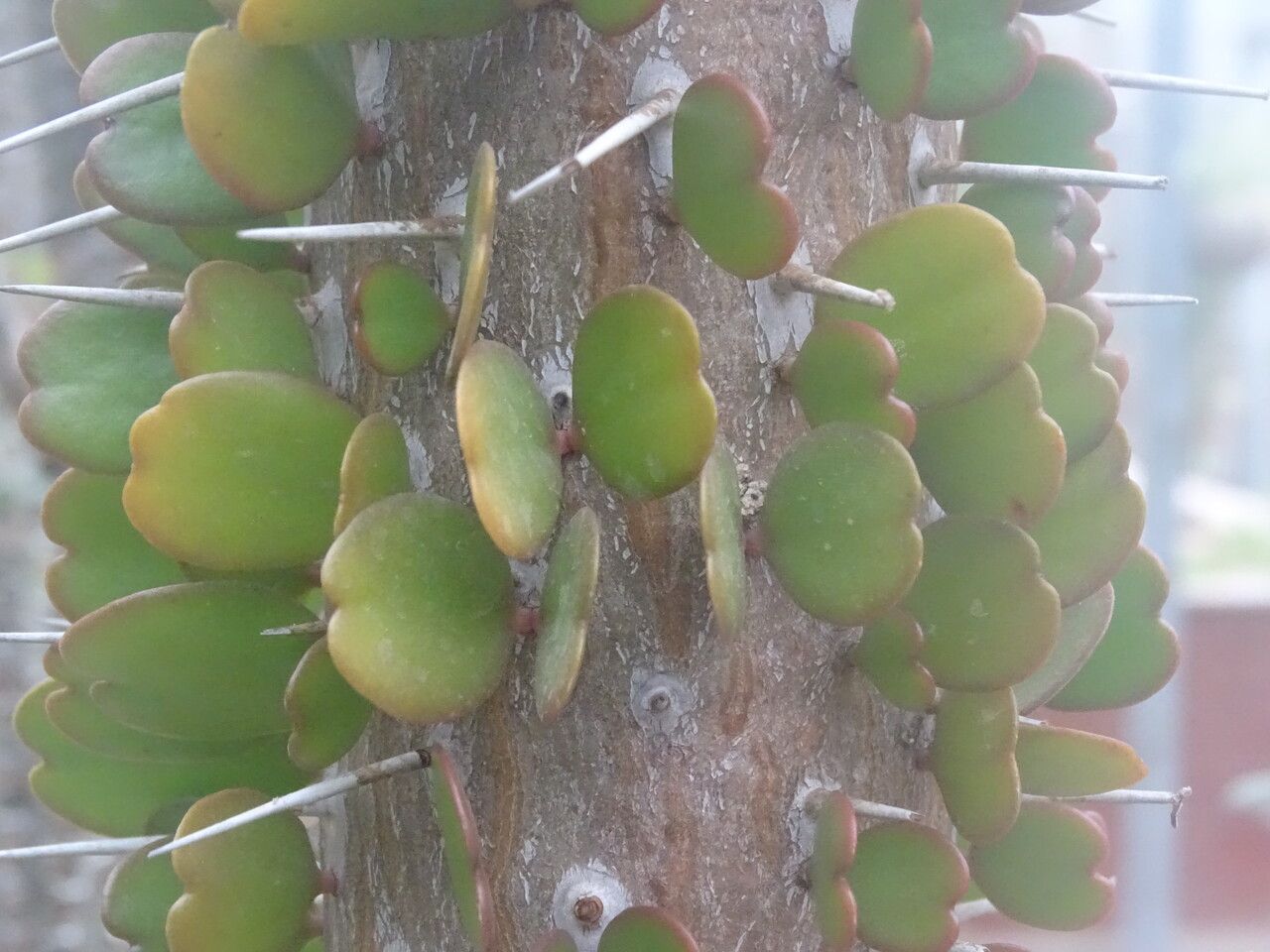
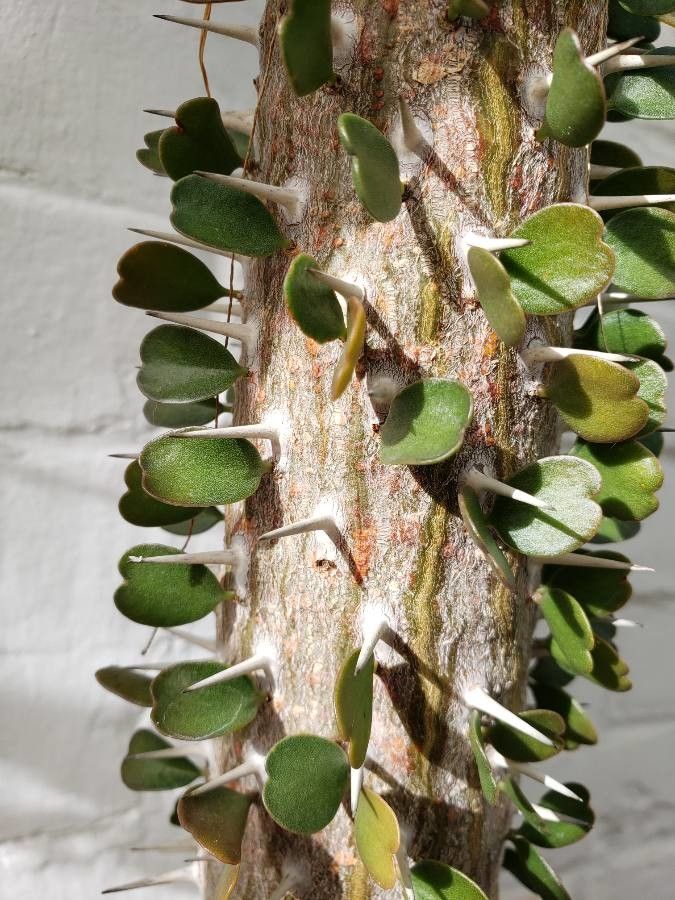
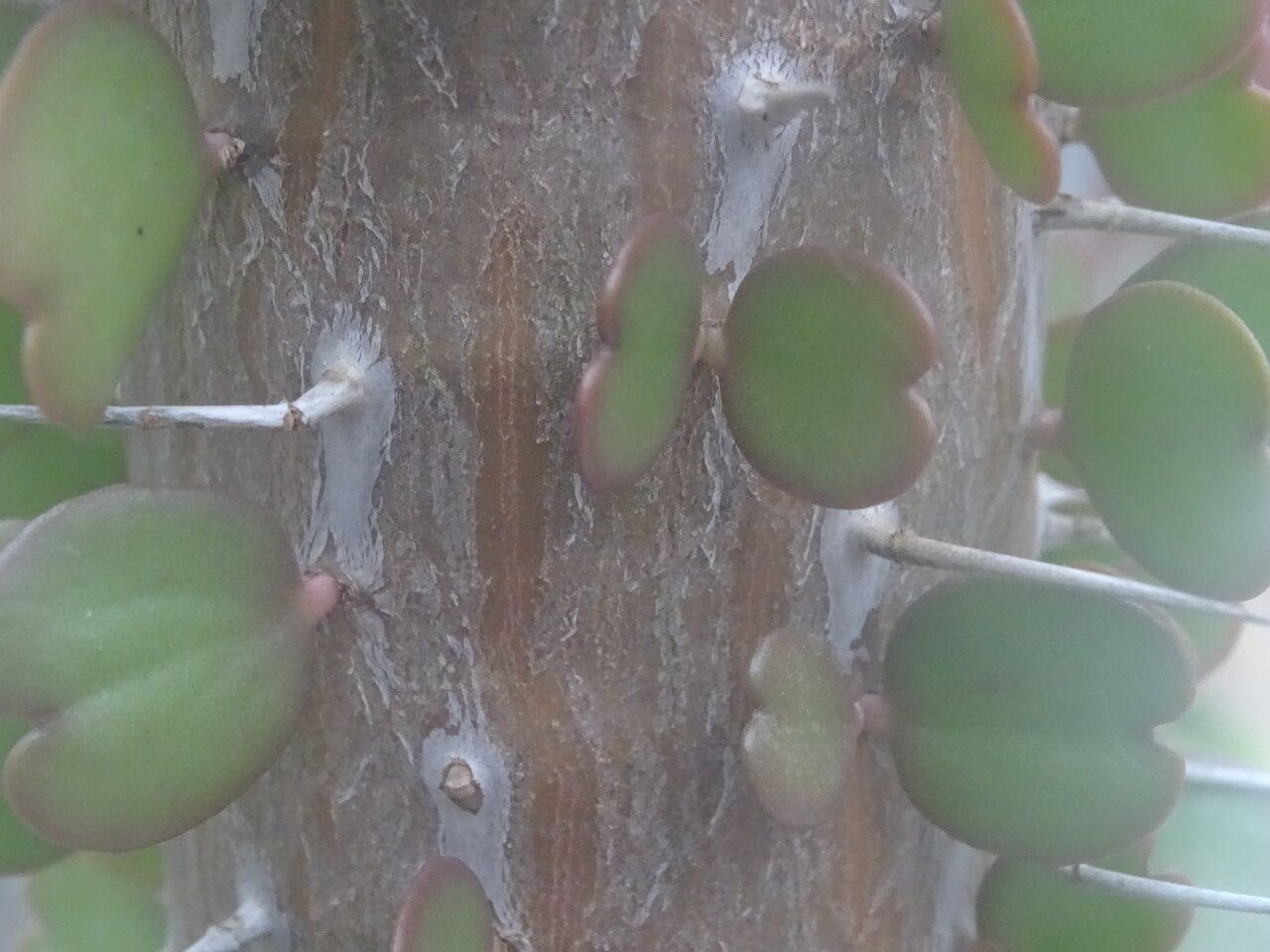
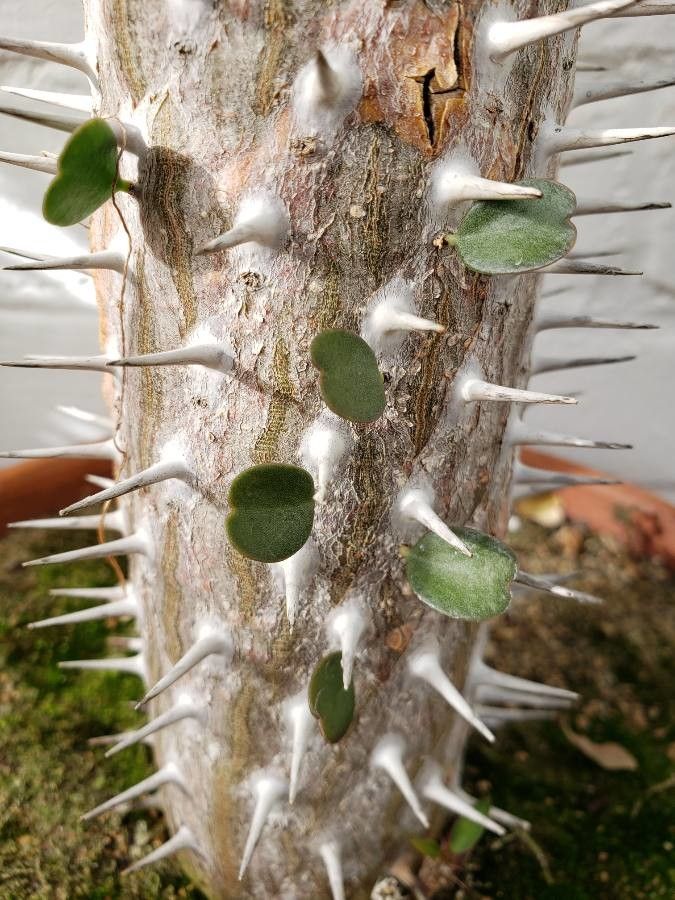
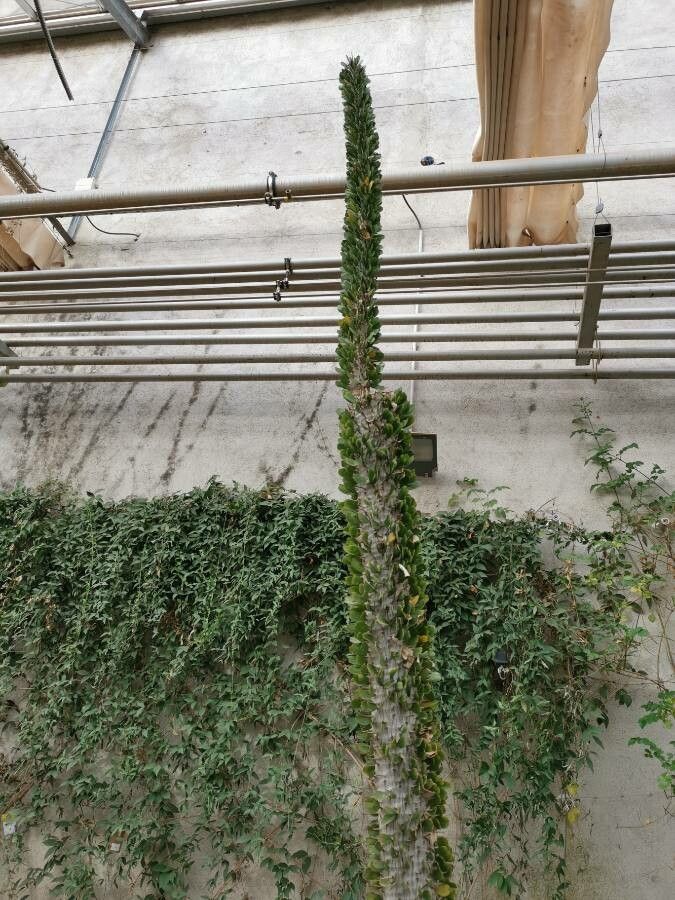
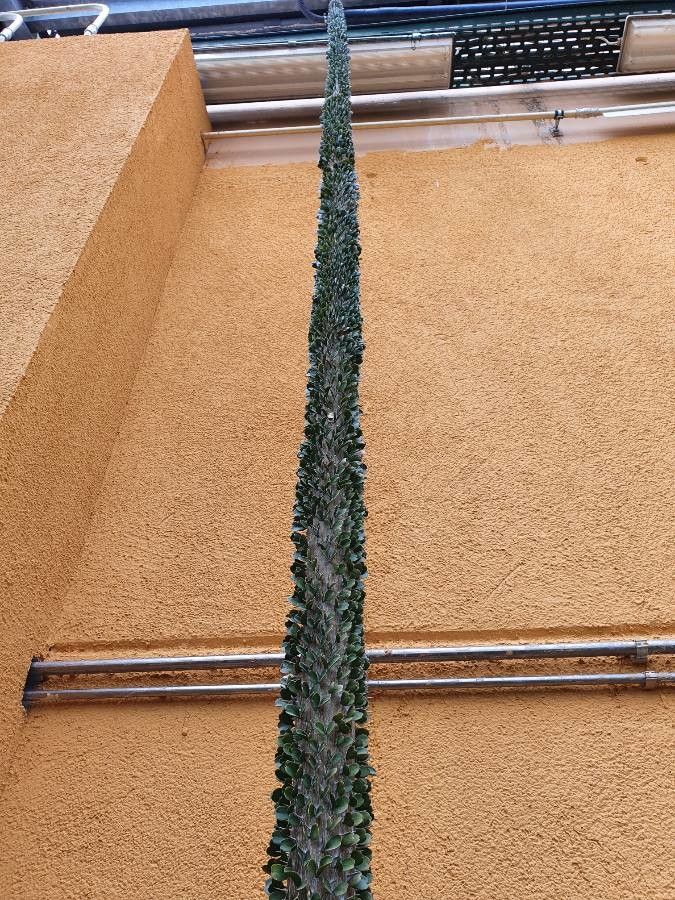
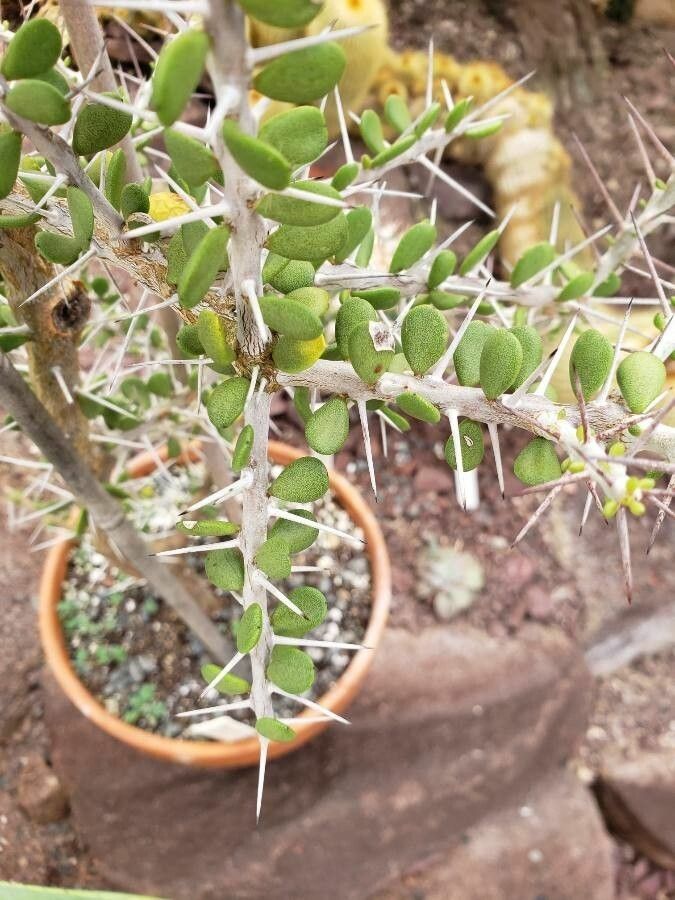
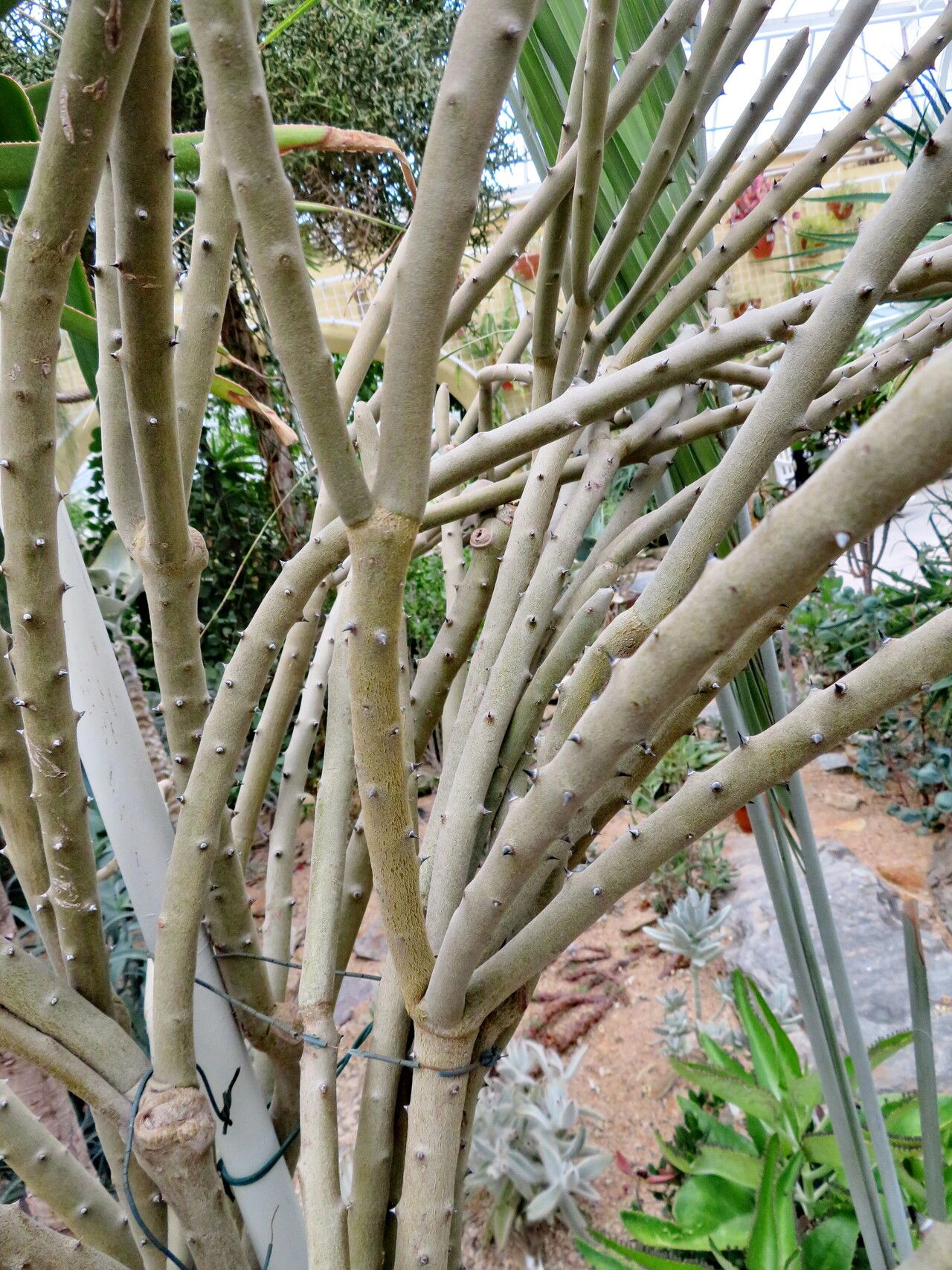
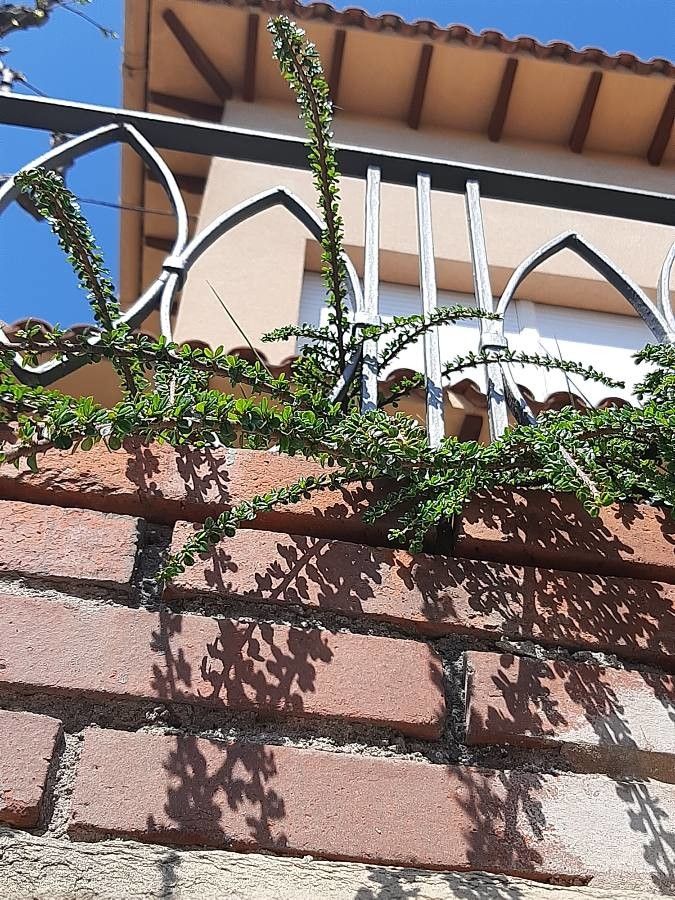
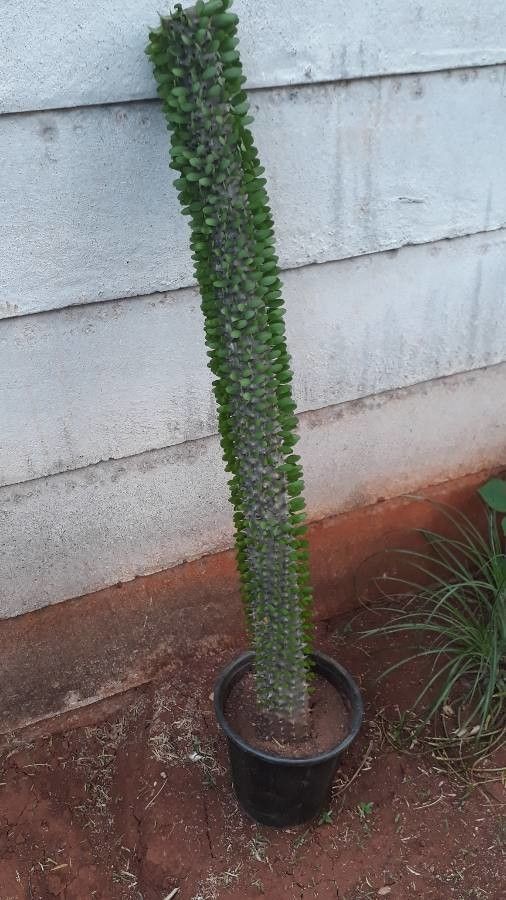
Alluaudia ascendens is a species of Alluaudia endemic to Madagascar. It can reach 15 m in height. Its local name is fantsiolotse.
Alluaudia has moderate disease resistance but is more sensitive to humidity and excess watering. It is also more prone to disease when it receives little light and is overwatered. Regarding care, Alluaudia is drought-tolerant and can endure long stretches without watering. It needs little fertilizer and only occasional pruning. Because of this, it is suitable for people of all experience levels, especially those who prefer to spend less time on plant care and who may sometimes be away from home for long periods. It is a good option for anyone who does not want to dedicate much time to plant maintenance but still wants an easy-to-care-for plant.
How to keep Alluaudia Ascendens.
Light
Alluaudia prospers in places that receive abundant sunlight throughout the day. Its health and development are best under those light conditions. Since it comes from habitats with plentiful light, the plant can struggle and show signs of decline if it does not get that exposure. While it can tolerate extreme sunlight, too much exposure may still stress the plant.
Water
Alluaudia, a plant well-suited to Madagascar's arid climate, thrives with minimal watering and low humidity due to its ability to store water efficiently, thanks to its succulent nature. To support its growth in xeriscapes, water the plant weekly during the growing season, and keep an eye on water levels to avoid overwatering.
Temperature
Alluaudia is native to habitats where temperatures range from 68 to 100 °F (20 to 38 ℃). This is the temperature range it prefers for growth. Seasonal temperature adjustments are generally unnecessary unless extreme cold is expected.
Fertilizer
For Alluaudia, light applications of fertilizer once or twice a year during the growing season are enough. Do not fertilize in winter or in summer when the plant is dormant. Cut back on fertilizer for plants that have been repotted and wait a couple of months after repotting before you start fertilizing again. Fertilizing helps maintain healthy growth and promotes flowering.
Pruning
Alluaudia is a succulent known for its vertical growth and thorny branches. To promote its health, shape, and the density of its foliage, it's best to prune the plant in early spring. When pruning, be sure to wear gloves to protect yourself from the thorns. Proper pruning not only enhances the plant's appearance but also improves air circulation, which helps minimize the risks of pests and diseases.
Pot & Repot
Alluaudia, a spiny succulent, should be repotted every 2-3 years in the spring to promote healthy growth. Choose a pot that is 20% larger to allow room for root expansion, and make sure it has good drainage. After repotting, place the alluaudia in a spot with bright, indirect light. Wait a week before resuming watering to avoid the risk of root rot.
Botanical profile.
- Plant Type
- Tree, Shrub
- Life Cycle
- Perennial
- Genus
- Alluaudia
- Family
- Didiereaceae
- Hardiness Zone
- 10-11
- Mature Height
- 14.94 m
- Mature Spread
- 0.91 m to 3.05 m
- Leaf Color
- Light Green
- Leaf Type
- Deciduous
- Flower Color
- White, Yellow
- Flower Size
- 11.43 cm
- Bloom Time
- Summer
- Planting Time
- Spring, Summer, Autumn
- Harvest Time
- Late summer, Early fall, Mid fall
- Native Area
- Madagascar
Other names.
Reader questions.
What are the sunlight requirements for Alluaudia?
Alluaudia requires full sun, meaning it should receive above 6 hours of sunlight daily to thrive. It's essential to watch how sunlight moves through your garden and choose spots that provide a perfect balance of light and shade, ensuring the plants' happiness. In environments where light is abundant, such as its native habitat, Alluaudia’s health and growth are optimal. However, it may struggle and show signs of decline if there is a deficiency in light exposure. While extreme overexposure is tolerated, it can potentially stress the plant.
What is the native environment and preferred temperature range for Alluaudia?
Alluaudia is native to environments where temperatures range between 68°F (20°C) and 100°F (38°C), thriving best within this range. It loves heat and requires no seasonal temperature adjustments except when extreme cold is expected. To protect it from cold, it's advised to move outdoor-grown Alluaudia indoors during autumn, near a bright window, but away from direct heat sources. Keeping the temperature above 20°C during winter supports its growth, while temperatures near 5°C are harmful.
Can Alluaudia be grown with artificial lighting?
Yes, Alluaudia can be grown with artificial lighting, especially when natural sunlight is insufficient, such as during winter or in less sunny spaces. Artificial lights, like LED lights customized to provide specific wavelengths of light needed by plants, offer a vital solution. For optimal growth, full sun plants need 30-50W/sq ft of artificial light, partial sun plants require 20-30W/sq ft, and full shade plants need 10-20W/sq ft. The light source should be placed 12-36 inches above the plant, and most plants need 8-12 hours of light per day.
How does low temperature affect Alluaudia and what are the solutions?
Alluaudia prefers warmth and does not tolerate cold well, thriving best when the temperature is above 20°C and should be kept above 5°C during winter. Exposure to temperatures below 1°C may cause leaves to lighten in color. Frost damage can turn the plant's color to brown or black, with wilting and drooping symptoms. To address this, trim off the frost-damaged parts and move the plant to a warm, sunny spot indoors, away from heaters or air conditioning vents to avoid dry air.
What are the symptoms of light deficiency in Alluaudia?
Symptoms of light deficiency in Alluaudia include smaller new leaves, leggy or sparse growth, faster leaf drop, slower or no new growth, lighter-colored new leaves, chlorosis, sunscald, leaf curling, wilting, and leaf scorching. These symptoms result from the plant being placed in rooms with insufficient lighting, especially when cultivated indoors during winter. Insufficient sunlight can cause a lack of chlorophyll and essential nutrients, and excessive sunlight can cause damage through sunscald or increase water loss through transpiration.
What happens when Alluaudia is exposed to high temperatures and how can this be mitigated?
In the summer, it's important to keep Alluaudia's temperature below 38°C as temperatures above 43°C can lighten the leaves' color and increase susceptibility to sunburn. To mitigate high-temperature damage, trim away sunburned and dried sections, relocate the plant to a shaded area during the hottest parts of the day, and water it in the morning and evening to maintain soil moisture.
How can I address light deficiency or overexposure for my Alluaudia?
To address light deficiency for indoor Alluaudia plants, gradually move them to a sunnier location each week until they receive at least 6 hours of direct sunlight daily. Use a south-facing window and keep curtains open during daylight for maximum exposure. Consider using artificial light if the plant is large or not easily movable. For outdoor plants, gradually move them to the best spot for sunlight to avoid sunburn from sudden changes in light intensity. If your plants are ground-planted and experiencing obstruction, start by reducing obstructions like pruning tree branches. For smaller plants, consider transplanting during their dormant period for better light access.