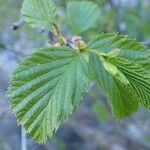
Alnus alnobetula
Green Alder · European Green Alder · Mountain Alder · Montain Alder
Description
Source: leafsnapAlnus alnobetula is a common tree widespread across much of Europe, Asia, and North America. Many sources refer to it as Alnus viridis, the green alder, but botanically this is considered an illegitimate name synonymous with Alnus alnobetula subsp. fruticosa.
Care Guide
💧 Water
☀️ Light Full sun
Green alder is native to open habitats, like sunny meadows and forest margins, where light is plentiful. It performs best in Full Sun but will also tolerate Partial Sun, showing adaptability to different light levels.
🌡️ Temperature 0–25°C
Green alder is highly adaptable to a variety of climates, from blazing summers to cold winters. However, it still requires an optimal temperature range for healthy growth. If temperatures become too high, the plant can experience heat and humidity stress, which may lead to its death. In places where temperatures approach the lower limit of its cold tolerance, providing insulation is important to protect the plant.
💨 Humidity
🪴 Soil 6-8
🌱 Fertilizer
Fertilize your Green alder in early spring to encourage healthy growth. Regular fertilization improves overall health, producing vigorous growth, greater tolerance of harsh conditions, and increased resistance to pests and diseases. Keep to a specific fertilization schedule for your Green alder to maintain vibrant, deeply colored foliage and a lush appearance.
🪴 Pot & Repot
✂️ Pruning
🌿 Propagating
🐛 Diseases & pets
☠️ Toxicity
Characteristics
- Plant Type
- Tree
- Life Cycle
- Perennial
- Genus
- Alnus
- Family
- Betulaceae
- Hardiness Zone
- 2-6
- Mature Height
- 2.13 m to 4.88 m
- Mature Spread
- 2.13 m to 3.96 m
- Leaf Color
- Green, Dark Green
- Leaf Type
- Deciduous
- Flower Color
- Yellow, Green
- Flower Size
- 2.03 cm to 4.06 cm
- Bloom Time
- Early spring, Mid spring
- Planting Time
- Summer
- Harvest Time
- Late summer, Early fall, Mid fall