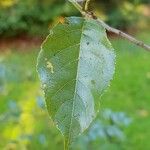
Alnus formosana
Formosan alder
Description
Source: wikipedia (CC BY-SA)Alnus formosana, the Formosan alder, is a species of alder endemic to Taiwan. It is a medium-sized tree, up to 20 metres (66 ft) in height and 40 centimetres (16 in) in trunk diameter.
Care Guide
💧 Water
Formosan alder thrives in consistently moist soil and needs to be watered twice a week. It grows best outdoors in temperate climates where the rainfall patterns are similar to its native habitat, which helps ensure strong health and growth.
☀️ Light Full sun
Formosan alder is native to open habitats, such as sunny meadows and forest edges, that provide abundant light. It does best in Full Sun but can also tolerate Partial Sun, adapting well to a range of sunlight conditions.
How much sunlight is required for a Formosan alder to thrive?
The Formosan alder (Alnus formosana) needs specific sunlight conditions to thrive. It requires full sun, which means it should receive above 6 hours of sunlight daily. However, it can also grow in partial sun, defined as about 3-6 hours of sunlight each day. It's important to observe the way sunlight moves through your garden, selecting spots that offer the ideal mix of light and shade. This ensures the plants are happy and healthy by providing them with the right balance of sunlight they need to flourish.
🌡️ Temperature 15–37.8°C
Formosan alder originates from temperate areas and favors temperatures between 59 and 100.4 °F (15 and 38 °C). As seasons change, keeping conditions within this range is recommended for healthy growth.
What is the native climate for Formosan alder?
Formosan alder, botanically known as Alnus formosana, thrives in regions that have a temperate climate. It prefers temperature ranges between 59 to 100.4 °F (15 to 38 °C), indicating its need for warm environments. To ensure its healthy growth, maintaining this temperature range, especially through changing seasons, is advised.
💨 Humidity
🪴 Soil 5-7
🌱 Fertilizer
Fertilize your Formosan alder in early spring to encourage healthy growth. Regular fertilization improves overall health, leading to vigorous growth, better tolerance of harsh conditions, and increased resistance to pests and diseases. Keep a consistent fertilization schedule for your Formosan alder to preserve vibrant, deeply colored foliage and a lush appearance.
🪴 Pot & Repot
✂️ Pruning
The Formosan alder is a fast-growing deciduous tree. To maintain its health and improve air circulation, prune it in early spring to remove any dead or crossing branches. Additionally, trim any suckers at the base to help redirect the tree's energy. Pruning during the tree's dormant period is optimal, as it reduces stress and encourages vigorous growth in the spring.
🌿 Propagating
🐛 Diseases & pets
☠️ Toxicity
Characteristics
- Plant Type
- Tree
- Life Cycle
- Perennial
- Genus
- Alnus
- Family
- Betulaceae
- Hardiness Zone
- 8-11
- Mature Height
- 20.12 m
- Mature Spread
- 4.88 m to 10.06 m
- Leaf Color
- Green
- Leaf Type
- Deciduous
- Flower Color
- Yellow, Red, Green
- Flower Size
- 1.02 cm to 2.54 cm
- Bloom Time
- Late winter, Early spring
- Planting Time
- Spring, Summer, Autumn
- Harvest Time
- Late summer, Early fall, Mid fall
- Native Area
- China