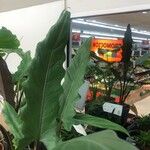
Alocasia lauterbachiana
Purple sword alocasia · Spear Leaf · Angels Wings · Elephant ear
Description
Source: leafsnapAlocasia lauterbachiana is a stunning tropical plant native to Southeast Asia. As a member of the Araceae family, it shares its lineage with popular houseplants like the peace lily and philodendron. This plant is particularly admired for its large, glossy leaves that can reach up to 3 feet in length and 2 feet in width. Its heart-shaped leaves, featuring prominent veins, offer a unique texture that enhances its aesthetic appeal. To thrive, Alocasia lauterbachiana prefers bright, indirect light and moist soil with good drainage. It can be grown indoors as a houseplant or outdoors in warm climates where temperatures do not fall below 60°F (15°C). This plant requires regular watering; however, care should be taken not to overwater, as this can lead to root rot. Besides its striking appearance, Alocasia lauterbachiana also boasts air-purifying properties, making it an excellent choice for enhancing indoor air quality. However, it is essential to note that the plant contains calcium oxalate crystals, which are toxic if ingested by humans or pets. In summary, Alocasia lauterbachiana is an impressive tropical plant with unique foliage and beneficial air-purifying qualities. Nevertheless, it requires specific care instructions for optimal growth and safety precautions due to its toxic nature if ingested.
Care Guide
💧 Water Every 7 days
Elephant's ear plants thrive in environments with high humidity and consistent moisture. They require weekly watering and are well-suited to the conditions of tropical rainforests. To help support the development of lush foliage, it is beneficial to mist the plants regularly, especially during the growing season.
☀️ Light Partial sun
Elephants ear is native to habitats such as forest understories or rocky areas, where it grows in natural shade. It prefers partial sun but can also adapt to full sun or full shade, demonstrating its versatile and hardy nature.
🌡️ Temperature 20–37.8°C
Elephant's ear is native to areas where temperatures range from 68 to 100 °F (20 to 38 ℃). It prefers these temperatures for optimal growth and may need adjustments in other climates to reproduce those conditions.
💨 Humidity high (>60%)
This plant needs special care because it loves high humidity levels of 60-80% or more. The best way to achieve this is by placing a humidifier near the plant. Daily misting is also essential! Make sure the room has good ventilation.
🪴 Soil 5-6
🌱 Fertilizer
Proper fertilization is essential for the health and appearance of Elephants ear. Fertilize Elephants ear in summer, repeating the application monthly throughout summer. Nutrients fuel growth and preserve the plant's parts. Fertilization improves Elephants ear's flower display, ensuring the best blooms.
🪴 Pot & Repot Once a year
Repot Elephants ear in spring or summer once it's warm enough, choosing a pot that's slightly larger with good drainage. Water thoroughly after repotting, and place it in a bright spot with indirect light. Consider adding a moss pole to support the plant as it grows.
✂️ Pruning
Elephant's ear plants have long leaves and tall stems. To keep them healthy, regularly trim any yellowing leaves and do significant pruning in early spring. Use clean, sharp tools to carefully remove any damaged parts and encourage new growth. This practice not only improves the plant's appearance but also boosts its overall vitality.
🌿 Propagating
🐛 Diseases & pets
☠️ Toxicity
Toxic properties are the primary characteristic of Alocasia plants. Ingestion is hazardous. Additionally, it may cause serious allergic reactions in the eyes and skin. Keep your children and animals away from these plants.
Characteristics
- Plant Type
- Herb
- Life Cycle
- Perennial
- Genus
- Alocasia
- Family
- Araceae
- Hardiness Zone
- 9-11
- Mature Height
- 1.52 m
- Mature Spread
- 1.52 m
- Leaf Color
- Green
- Leaf Type
- Evergreen
- Flower Color
- White, Cream, Green
- Flower Size
- 5.08 cm to 7.62 cm
- Bloom Time
- Summer, Early fall
- Planting Time
- Spring, Summer, Autumn
- Harvest Time
- Late summer, Fall
- Native Area
- Tropical and subtropical regions of Asia, eastern Australia