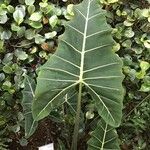
Alocasia zebrina
Zebra alocasia · Tiger plant
Description
Source: leafsnapAlocasia zebrina, commonly known as the Elephant Ear plant, is a tropical species native to Southeast Asia. As a member of the Araceae family, it is celebrated for its striking, distinctive foliage. The leaves of Alocasia zebrina are large and arrow-shaped, marked by prominent white veins resembling zebra stripes, which inspire its common name. Under optimal conditions, this plant can grow up to 3 feet tall and 2 feet wide. It thrives in bright, indirect light but can also adapt to low light situations. Alocasia zebrina requires well-draining soil that remains consistently moist without becoming waterlogged. Caring for this plant involves regular watering and misting to maintain high humidity levels. Additionally, it should be fertilized every two weeks during the growing season using a balanced fertilizer. Alocasia zebrina has become popular as an indoor houseplant due to its unique appearance and relatively simple care requirements. However, it's important to note that all parts of this plant are toxic if ingested by humans or pets. In summary, Alocasia zebrina is an attractive tropical houseplant that adds a touch of exoticism to any indoor space with its striking foliage and easy-care nature.
🌳 Zebra Alocasia has not been widely recognized for uses beyond its striking visual appeal. Unlike other Alocasia species, Zebra Alocasia is mainly grown for its distinctive patterned stems and attractive foliage, which make it popular as an ornamental plant in homes and greenhouses. Despite the potential phytochemicals present in the Alocasia genus, Zebra Alocasia has not become a source for pharmaceuticals or other products to date.
Care Guide
💧 Water Every 7 days
The zebra Alocasia, native to tropical rainforests, does best with consistent moisture but can withstand brief periods of dryness. To mimic its natural habitat, it prefers being watered weekly and planted in well-draining soil, ensuring it stays properly hydrated without becoming waterlogged. These characteristics make it a popular choice for indoor plant enthusiasts.
☀️ Light Partial sun
Zebra Alocasia originates from habitats like forest understories and rocky areas, where it grows in natural shade. It prefers partial sun but can tolerate full sun or full shade, reflecting its hardy and adaptable nature.
🌡️ Temperature 20–37.8°C
Zebra Alocasia comes from tropical regions where the climate is generally warm and humid. Consequently, it is well suited to high temperatures and humidity. It does not tolerate sudden temperature changes and prefers a steady thermal environment, so it is important to prevent temperature fluctuations indoors. It typically cannot endure cold temperatures and requires warmer conditions to grow. If the ambient temperature falls too low, the plant may stop growing or even die.
💨 Humidity high (>60%)
This plant needs special care because it loves high humidity levels of 60-80% or more. The best way to achieve this is by placing a humidifier near the plant. Daily misting is also essential! Make sure the room has good ventilation.
🪴 Soil 5-6
🌱 Fertilizer
Appropriate fertilization is essential for Zebra Alocasia's health and appearance. Fertilize the Zebra Alocasia in summer, repeating monthly throughout the season. Nutrients power growth and help maintain the plant's parts. Fertilization improves Zebra Alocasia's flowering, ensuring the best blooms.
🪴 Pot & Repot Once a year
Repot Zebra Alocasia in spring or summer once it's warm enough, choosing a slightly larger pot with good drainage. Water thoroughly after repotting and place the plant in bright, indirect light. Consider adding a moss pole for support as the plant grows.
✂️ Pruning
The Zebra Alocasia is known for its striking zebra-striped stems and large, arrow-shaped leaves. To keep the plant healthy, prune it only to remove yellow or dead leaves, ideally in early spring. Pruning not only improves air circulation but also reduces the risk of disease. Always use clean, sharp tools and make cuts close to the base of the stem.
🌿 Propagating
🐛 Diseases & pets
☠️ Toxicity
Alocasia zebrina contains crystals of calcium oxalate. This makes them toxic if ingested and can also cause skin and eye irritation. Care should be taken and the plant should be kept away from pets and children.
Characteristics
- Plant Type
- Herb
- Life Cycle
- Perennial
- Genus
- Alocasia
- Family
- Araceae
- Hardiness Zone
- 10-12
- Mature Height
- 3.05 m
- Mature Spread
- 2.13 m
- Leaf Color
- Green
- Leaf Type
- Evergreen
- Flower Color
- White, Green
- Flower Size
- 10.16 cm to 15.24 cm
- Bloom Time
- Mid spring, Late spring, Summer
- Planting Time
- Spring, Summer
- Harvest Time
- Late spring, Summer, Fall
- Native Area
- Philippines