Aloe striata
Coral aloe
Description
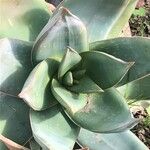
Source: leafsnapAloe striata, commonly known as Coral Aloe, is a succulent plant belonging to the family Asphodelaceae. Native to South Africa, it thrives in rocky areas and on hillsides. The plant is characterized by a rosette of fleshy, green-grey leaves with pinkish-red margins. These leaves are smooth and lack spines or teeth, making the plant quite distinctive. During the winter months, Coral Aloe produces tall spikes of tubular flowers in stunning shades of coral pink or orange-red. These vibrant blooms attract pollinators such as birds and bees, adding life to any garden. Aloe striata is a hardy plant that tolerates drought conditions but thrives in well-draining soil with occasional watering during the growing season. It can be cultivated both indoors and outdoors, provided it receives adequate sunlight. Historically, the sap of Aloe striata has been used for medicinal purposes by indigenous people to treat various ailments, including burns, wounds, insect bites, and skin irritations. Overall, Aloe striata is an attractive succulent with unique coral-colored flowers, making it an excellent addition to any garden or indoor collection.
Care Guide
💧 Water Every 7 days
Coral aloe is well-suited for arid regions due to its high drought tolerance. It thrives with minimal moisture and only needs watering every two weeks. For optimal growth, it prefers well-draining soil. This succulent is perfect for xeriscaping and does well in climates with limited water resources.
What should I do if I give my Coral aloe plant too much or too little water?
Coral aloe plants are known for their ability to withstand periods without water. However, if you forget to water them for a month or longer, they may show signs of thirst or damage. Underwatered Coral aloe plants appear lackluster and wrinkled, with some even drying up completely. The soil will be completely dry as well. To remedy this, it is important to water the plant thoroughly, and submerging the pot in water for 5-10 minutes can help rehydrate the plant. Check the soil for moisture to ensure proper watering. On the other hand, overwatering is harmful to Coral aloe plants and can lead to root rot. This occurs when the soil becomes too wet, allowing fungi and bacteria to thrive and damage the roots. Overwatered Coral aloe plants exhibit yellow, swollen, and translucent organs, which may burst from being overfilled with water. If not treated, the plant may turn brown or black and easily fall off. To address overwatering, adjust the growing conditions by increasing air ventilation and reducing water frequency. If suspected, remove the plant from its pot, inspect the roots and soil. Remove any wet soil and rinse the roots in room-temperature water to eliminate fungus. If root rot is severe, it may not be possible to save the plant. However, if only a portion of the roots are affected, there is a chance of recovery. Remove unhealthy roots with a sterilized cutting tool and dip the healthy roots in fungicide. Repot the plant in fresh, well-draining soil. Although not always successful, most plants will recover and produce new growth in the next growing season.
How frequently should I give water to my Coral aloe plant?
Determining the frequency of watering for Coral aloe is not set in stone. The most effective approach is to assess the soil's moisture level and only water when it is completely dry. To do this, you can either insert your finger into the pot or use a moisture meter to gauge the moisture below the surface. If you have planted the aloe in a deep pot, you can achieve this by using a stick or chopstick. If there is even a slight hint of moisture, it is advised to wait a few days and recheck. In the summer, most individuals will typically need to water Coral aloe every two weeks, and once a month in the winter. However, various factors can influence the frequency, and the subsequent section provides a list of considerations that can assist in determining the appropriate watering schedule.
What are the things I should think about when watering my Coral aloe plant?
To ensure proper watering for your Coral aloe, there are a few environmental factors to consider. The size of the container and type of soil you use will determine how often and how much water to provide. It's best to use a container with good drainage to prevent water from accumulating. A smaller container will dry out faster, while a larger pot will retain moisture longer and require less frequent watering. Avoid using an oversized pot, as this can lead to overwatering. Choose a shallow container since Coral aloe has shallow roots. During the winter, your Coral aloe will need less water due to slower growth and reduced energy consumption. The cooler air in winter also reduces evaporation, keeping the soil wet for a longer time. The climate in your location also affects watering needs. If you live in a humid and rainy area, you'll need to water less often than in a dry and arid climate. Keep in mind that conditions can vary with the season and indoor heating or air conditioning. If your Coral aloe is planted in the ground, it typically doesn't require additional watering once the roots are established. However, during extended dry periods, occasional watering may be necessary. For areas where Coral aloe is grown in a container, it can be moved outdoors in spring and summer, given the right temperature conditions, and brought back indoors as temperatures drop. Keep in mind that potted Coral aloes kept outside generally need more water due to increased sun exposure, even on a shaded porch.
How should I water Coral aloe?
To best water your Coral aloe, thoroughly soak it and let it dry out before watering again. It is drought tolerant, so it's okay to let it get quite dry before watering. It's better to give it too little water than too much. When watering, make sure the soil gets soaked throughout the entire pot. Spread the water around the rim of the planter to wet all sides of the plant. The amount of water depends on your container size and how much the soil absorbs. Drain the excess water from the drainage holes and let it sit in the saucer for 20-30 minutes to absorb any dry pockets of soil. Discard any excess water to avoid waterlogging the soil. Bottom-watering is also effective for Coral aloe. Place the pot in a saucer of water and let the soil absorb moisture through the drainage holes. You'll know it's enough when the top layer is moist. This method ensures even water distribution. In its natural habitat, Coral aloe experiences dry conditions with occasional thorough waterings. You can recreate this by bottom-watering when the soil is completely dry. Deeply soaking the soil is better than frequent light watering for Coral aloe.
☀️ Light Partial sun
Coral aloe is native to areas with dappled light, like the understory of forests or rocky locations that offer natural shade. It prefers partial sun but can also withstand full sun.
What are the sunlight requirements for Coral aloe (Aloe striata)?
Coral aloe, also known as Aloe striata, thrives in conditions with specific sunlight exposure. For the plant to flourish, it requires 'Full sun' which means it should receive above 6 hours of sunlight per day. Alternatively, it can also do well in 'Partial sun', receiving about 3-6 hours of sunlight every day. It's important to observe the way sunlight moves through your garden throughout the day. This observation will help in finding spots that offer a perfect balance of light and shade, ensuring the plants remain happy and healthy.
🌡️ Temperature 20–37.8°C
Coral aloe grows best in warm conditions and needs relatively high temperatures during the growing season to stimulate growth and metabolism. It prefers plenty of sunlight, suitable moisture levels, and good air circulation. However, very low temperatures and excessive watering can harm it. It’s also important to keep conditions balanced and avoid overly high heat or overly dry conditions.
What are the optimal conditions for growing Coral aloe?
Coral aloe, known botanically as Aloe striata, thrives in warm environments. It requires higher temperatures during its growing season to promote its growth and metabolism. This plant benefits from ample sunlight, appropriate moisture levels, and good ventilation. It is crucial to ensure the plant does not experience excessively low temperatures or overwatering. During winter, Coral aloe enters a dormant state and growth slows. If outdoor temperatures drop below -5°C, it's recommended to move the plant indoors and place it near a south-facing window to ensure it receives as much sunlight as possible. Supplemental lighting could be used if natural light is insufficient. Additionally, when the temperature falls below 15°C, watering should be reduced or stopped to prevent root rot.
How does Coral aloe react to low temperatures?
Coral aloe prefers high temperatures and does not tolerate low temperatures well. It thrives best when the temperature is above 15°C. During winter, it's vital to keep the temperature above -5°C to prevent it from entering a dormant state. Exposure to temperatures below -10°C can cause the plant to become weak, wilt, and be prone to root rot. Mild frost damage may not show immediate symptoms, but the plant could gradually wither after a week. To address frost damage, it's advisable to trim off the frostbitten areas and check if the roots have rotted. If so, cut off the rotted roots and propagate using cuttings. The plant should then be moved to a warm environment indoors, near a south-facing window for ample sunlight. If there isn't enough natural light, supplemental lighting might be necessary.
What should you do if Coral aloe experiences high temperatures?
During the summer months, it's important to ensure the Coral aloe does not get exposed to temperatures above 38°C. When the temperature exceeds 43°C, the plant's growth will halt; it will experience significant water loss, wilting, and become more susceptible to sunburn. To help the plant recover from high-temperature stress, remove the sunburned and rotten parts and provide protection from the harsh afternoon sunlight until the plant shows signs of recovery and new growth. If the plant suffers from root rot due to overwatering or heat, watering should be halted until new roots begin to form.
💨 Humidity
🪴 Soil 6-7
🌱 Fertilizer
Coral aloe only needs light applications of fertilizer 1-2 times a year during its growing season. Do not fertilize in winter or in summer, when the plant is dormant. Use less fertilizer for plants that have been repotted and wait a couple of months after repotting before you feed them. Fertilizing helps maintain healthy growth and promotes flowering.
Why is it necessary to put plant food on my Coral aloe?
When you fertilize Coral aloe, you provide nutrients to the growing medium. Despite its ability to store water and nutrients, applying plant food during the growing season is important to promote healthy growth. Additionally, fertilizing can also stimulate mature Coral aloe plants to produce blooms during the growing season.
When should I put fertilizer on my Coral aloe?
Coral aloe plants benefit from extra nutrients, but they only need a small amount of fertilizer during the growing season. It's recommended to fertilize them 1-2 times a year, specifically in the spring and autumn when they are active. Avoid fertilizing in the winter and summer when the plant is dormant. When you repot a Coral aloe, reduce the amount of fertilizer and wait a few months before applying it again.
When is it not a good idea to add fertilizer to my Coral aloe plant?
Coral aloe, like other plants, has a dormancy period where it stops growing. During this time, it is best to avoid fertilizing. This period occurs in the summer and winter. Additionally, it is recommended to refrain from fertilizing for a few months after repotting in the spring.
What kind of fertilizer does my Coral aloe plant require?
To effectively fertilize Coral aloe, it's recommended to use a liquid plant food made specifically for succulents and cacti. Make sure to dilute the fertilizer with water to half its strength to avoid buildup in the soil. Apply the fertilizer at the base of the plant and ensure thorough watering, allowing any excess moisture to drain from the container or seep into the ground.
How should I feed my Coral aloe?
To easily fertilize Coral aloe, you have two options: liquid plant food or granules. Just follow the instructions on the packaging and remember to dilute liquid fertilizers to half-strength. Whether you choose granules or liquid, always apply it to the soil. Cover the granules with a thin layer of soil and give it some water, regardless of the type of plant food you are using.
🪴 Pot & Repot Every 2 years
Repot coral aloe every two years in early spring, or whenever it becomes too large for its current container. Select a broad, shallow pot to accommodate its rosette shape. After repotting, place the plant in bright, indirect light and wait a week before watering. Use well-draining soil to ensure optimal health, as coral aloe is a low-maintenance plant.
✂️ Pruning
Coral aloe generally needs very little pruning. Simply remove spent flower stalks and any dead or discolored leaves to help the plant deliver nutrients more effectively. For smaller plants, use a knife, and for larger ones, use pruning shears to keep them healthy and vigorous.
🌿 Propagating
🐛 Diseases & pets
☠️ Toxicity
Characteristics
- Plant Type
- Succulent
- Life Cycle
- Perennial
- Genus
- Aloe
- Family
- Asphodelaceae
- Hardiness Zone
- 9-11
- Mature Height
- 46 cm
- Mature Spread
- 61 cm
- Leaf Color
- Blue, Green, Pink
- Leaf Type
- Semi-evergreen
- Flower Color
- Red, Orange
- Flower Size
- 2.03 cm to 3.05 cm
- Bloom Time
- Late winter, Early spring, Mid spring
- Planting Time
- Spring, Summer, Autumn
- Harvest Time
- Mid spring, Late spring, Early summer
- Native Area
- Africa