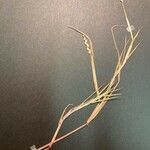
Alopecurus aequalis
Orange foxtail · Short-awn foxtail · Shortawn foxtail · Short-awn Foxtail Grass · Short-awned Foxtail
Description
Source: leafsnapAlopecurus aequalis, commonly known as shortawn foxtail or equal foxtail, is a grass species belonging to the Poaceae family. Native to Europe and Asia, this plant has also been introduced and naturalized in many regions worldwide, including North America. This grass can be either annual or perennial and can grow up to 1 meter tall. It features erect stems with narrow leaves that are either flat or rolled. Its inflorescence is a dense, cylindrical, spike-like panicle with short awns, or bristle-like appendages, on each floret. Shortawn foxtail thrives in moist soils found in open areas such as meadows, fields, roadsides, and disturbed sites. It can tolerate both acidic and alkaline soils but does not grow well in shaded areas. This plant is an important forage source for livestock grazing on open rangelands during the summer months, when other grasses are less available. However, it is sometimes considered an invasive species due to its ability to outcompete native vegetation in disturbed areas. Overall, Alopecurus aequalis is an interesting plant that offers benefits for livestock grazing but can also pose a threat by becoming invasive in certain ecosystems.
Care Guide
💧 Water Every 3 days
Short-awn foxtail thrives in consistently moist environments, requiring weekly watering to stay healthy. It prefers balanced hydration and is not tolerant of drought conditions. As an outdoor plant, its growth is influenced by natural rainfall, which is closely linked to its seasonal water needs.
What should I do if I give my Short-awn foxtail plant too much or too little water?
To ensure optimal growth and performance of the beautiful Short-awn foxtail ornamental grass, proper watering is essential. Watering issues can be resolved when the grass is planted in the ground, but it can quickly wither and die in a container if it receives either too much or too little water. Insufficient watering can cause the grass to stop growing, leading to drooping leaves, weak seed head production, and browned leaves. Conversely, overwatering can result in yellow leaves with brown tips. If you suspect your Short-awn foxtail has been watered improperly, the first step is to determine if it's receiving too much or too little water. In the case of excess water, immediately cease watering and have patience as heavy soils may take weeks to dry out. Once you notice new growth, check the soil for moisture before deciding whether more water is needed. Conversely, if the grass is receiving too little water, a thorough watering should revive it. As a general rule, providing a long, deep watering is always preferable to frequent shallow waterings. This encourages the growth of deep roots, making the grass more resistant to drought and less susceptible to watering-related problems.
How much should I water my Short-awn foxtail?
The watering needs of Short-awn foxtail grass depend on various factors such as its location and climate. Generally, it is recommended to water this grass once a week. However, in hot climates, watering once or twice a week during the summer might be necessary. In moderate climates, watering once every seven days or even less might be sufficient. It's important to note that grass in containers usually needs more frequent watering compared to grass planted in the ground. Additionally, the location of the grass also plays a role in its watering needs. Grass in shaded areas requires less frequent watering compared to grass planted in the ground. To determine when to water Short-awn foxtail, you can check the soil moisture level. If you're unsure, you can press your finger a couple of inches into the soil to see if it's dry. For potted grass, you can also weigh the grass or feel the weight of the pot to gauge if it needs watering. When the roots lack sufficient water, the grass blades may appear folded along their centers and thinner than usual. Despite its tolerance to drought, regular and deep waterings will result in a beautiful color for this grass. In its natural habitat of open scrubland, Short-awn foxtail encounters extreme heat, bright sun, and intermittent rain. Although this grass is drought resistant, it still requires care and attention. Consistent watering is recommended by gardeners to ensure its optimal growth. When newly planted, Short-awn foxtail requires more frequent watering until its roots establish deeply. For potted grass, the soil tends to dry out quickly, especially if the pot is exposed to hot, direct sunlight for most of the day. It is advisable to test the soil every 3 to 4 days and water only when it feels dry. On the other hand, Short-awn foxtail planted in the ground generally requires less watering, but this depends on the type of soil it is grown in. Clay soil retains moisture below the surface even if it feels dry on the top, while sandy soils that drain quickly will need more frequent watering.
What do I need to watch out for when watering my Short-awn foxtail plant in different seasons, climates, or during different stages of growth?
To determine if you are watering enough, pay attention to how quickly your grass grows. During the hot months, Short-awn foxtail tends to double in size within a year. If the weather is hot but your grass isn't growing well, you may need to adjust your watering schedule. In the winter, you can probably water once a month, but check the soil to make sure it's not too dry. During the warmer months when the grass is actively growing, it will need more water. However, in the winter and cooler months, the grass will require less water. Remember that the soil should always be completely dry before you water Short-awn foxtail.
☀️ Light Full sun
Short-awn foxtail requires ample sunlight to grow, yet it can also thrive with moderate sun exposure. Sunlight sustains it throughout all stages of growth. Native to areas with plentiful sunshine, this plant may show stunted growth or reduced vitality if it lacks sufficient light.
What are the sunlight requirements for Short-awn foxtail?
Short-awn foxtail requires ample exposure to sunlight to thrive, with preferences ranging from full sun, which is above 6 hours of sunlight, to partial sun, about 3-6 hours of sunlight. Sunlight is crucial at all stages of its growth, originating from habitats with abundant sunlight. Without sufficient light, the plant may show stunted growth or a lack of vitality. It's important to observe how sunlight moves through your garden, picking spots that offer a perfect balance of light and shade to ensure your plants' happiness.
How can artificial lighting be used for indoor Short-awn foxtail plants?
Indoor Short-awn foxtail plants require adequate lighting for optimal growth, especially when natural sunlight is insufficient. Artificial lights, such as LED lights, are recommended because they can be customized to provide specific wavelengths of light needed by the plants. For full sun plants, 30-50W/sq ft of artificial light is needed; partial sun plants require 20-30W/sq ft, and full shade plants need 10-20W/sq ft. The artificial light source should be placed 12-36 inches above the plant to mimic natural sunlight. Most plants will need 8-12 hours of light per day to mimic natural daylight hours effectively.
What are the symptoms of light deficiency in Short-awn foxtail?
Symptoms of light deficiency in Short-awn foxtail include smaller new leaves, leggy or sparse growth, faster leaf drop, slower or no new growth, and lighter-colored new leaves. Chlorosis, where leaves lose their green color and turn yellow, and Sunscald, characterized by damaged leaves or stems due to intense sunlight exposure, are also symptoms. Leaf Curling and Wilting under extreme sunlight conditions are defense mechanisms to minimize water loss. Lastly, Leaf Scorching appears as brown, dry edges on leaves due to excessive sunlight.
What are the solutions for light deficiency in Short-awn foxtail?
To address light deficiency in Short-awn foxtail, gradually move plants to a sunnier location until they receive at least 6 hours of direct sunlight daily for outdoor plants. For indoor plants, consider using artificial light if the plant is large or not easily movable, keeping a light on for at least 8 hours daily or invest in plant grow lights. If sunlight is blocked by trees, consider pruning to allow more sunlight through. For smaller plants, you may transplant them during their dormant period to a location with ample sunlight and good drainage. Remember, parts of the plant affected by insufficient sunlight may not recover, but new growth will be healthy after increasing the light exposure.
🌡️ Temperature 5–32.2°C
Short-awn foxtail is a plant that does well in moderate conditions, favoring a temperature range of 68 to 95 °F (20 to 35 °C). Cold weather and frost can damage its growth. It is therefore advisable to adjust its environment with the seasons to meet its temperature requirements.
What is the optimal temperature range for the growth of Short-awn foxtail?
Short-awn foxtail (Alopecurus aequalis) thrives in moderate weather conditions, favoring temperatures between 68 to 95°F (20 to 35°C). It's important to maintain an environment within this temperature range for the plant's optimal growth, adjusting for seasonal changes to meet its needs.
How does cold weather affect Short-awn foxtail?
Despite Short-awn foxtail's strong cold resistance, extremely cold weather and frost can adversely affect its growth. While special frost protection measures are typically not required during winter, temperatures dropping below -30°C necessitate cold protection. Covering the plant with soil or straw and watering it abundantly before the first freeze in autumn to ensure moist soil can help safeguard it against the harsh winter conditions.
What are the symptoms of low temperature damage in Short-awn foxtail?
When exposed to temperatures below -30°C, Short-awn foxtail, which is otherwise cold-tolerant and adapts well to temperatures above 0°C, may not show immediate changes. However, a significant drop in temperature can lead to a decrease in sprouting or a complete absence of sprouting come spring. In such cases, it's advisable to remove any parts of the plant that fail to sprout in the spring.
How does high temperature affect Short-awn foxtail?
Short-awn foxtail should ideally be kept below 35°C during warmer seasons. Exposure to temperatures above 38°C can cause the leaves to lighten in color, become prone to curling, susceptible to sunburn, and in extreme cases, result in the wilting and drying of the entire plant. To mitigate this, trimming away sunburned and dried-up parts, moving the plant to a shaded area, or using a shade cloth to protect it from midday and afternoon sun is recommended. Additionally, watering the plant in the morning and evening helps maintain soil moisture.
💨 Humidity
🪴 Soil 5-7
🌱 Fertilizer
Short-awn foxtail needs extra nutrients to encourage healthy new growth. In spring, spreading compost around the base of the plant will supply the nutrition it requires. Fertilizing helps promote vigorous growth and increases the plant's resistance to diseases and pests.
🪴 Pot & Repot
✂️ Pruning
Short-awn foxtail is a grass-like plant distinguished by its short awns. To promote new growth and maintain its shape, prune any old or damaged foliage in early spring. Regular pruning not only improves air circulation but also helps prevent disease and promotes healthy growth. Always use clean, sharp tools to reduce stress on the plant.
🌿 Propagating
🐛 Diseases & pets
☠️ Toxicity
Characteristics
- Plant Type
- Grass
- Life Cycle
- Perennial, Annual
- Genus
- Alopecurus
- Family
- Poaceae
- Hardiness Zone
- 4-8
- Mature Height
- 10 cm to 61 cm
- Mature Spread
- 15 cm to 30 cm
- Leaf Color
- Light Green
- Leaf Type
- Deciduous
- Flower Color
- White, Yellow, Green, Orange
- Flower Size
- 0.25 cm to 0.51 cm
- Bloom Time
- Mid spring, Late spring, Early summer
- Planting Time
- Spring
- Harvest Time
- Summer