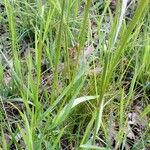
Alopecurus pratensis
Meadow Foxtail · Perennial foxtail · Yellow foxtail grass · Golden foxtail grass · Field Meadow-Foxtail
Description
Source: leafsnapAlopecurus pratensis, commonly known as meadow foxtail, is a perennial grass native to Europe and Asia. It is widely distributed across temperate regions worldwide and commonly found in meadows, pastures, and along roadsides. The plant typically grows between 30 and 100 cm tall, with long, narrow leaves that are either flat or slightly rolled. Its inflorescence features dense, cylindrical spikes measuring 5 to 15 cm long, containing numerous small flowers. Meadow foxtail blooms from May to July, producing yellow-green flowers. For centuries, meadow foxtail has been valued as a forage crop for livestock due to its high nutritional value and palatability. It is also reputed to have medicinal properties, with uses in traditional medicine for treating digestive disorders. The plant prefers moist soils but can tolerate drought conditions once established. It can be propagated by seed or division in the spring or fall. Overall, Alopecurus pratensis is an important grass species both ecologically and economically. It plays a crucial role in providing food for livestock and helps stabilize soil erosion on slopes and riverbanks with its extensive root system.
🌳 Meadow foxtail is widely known for its use as nutritious animal forage. In addition to this, it has a less familiar but interesting potential for phytoremediation. Scientists have found that meadow foxtail can signal the presence of certain heavy metals in soil, such as zinc and lead, because it can accumulate these metals in its tissues. This trait could be used for bioremediation and for monitoring soil health in contaminated areas.
Care Guide
💧 Water Every 3 days
Meadow foxtail flourishes in temperate regions that have moderate moisture levels and can withstand short periods of drought. For optimal growth, it should be watered twice a week. Additionally, rainwater during the growing season contributes to its lush appearance.
What should I do if I give too much or too little water to my Meadow foxtail?
Proper watering is crucial for the performance of this beautiful ornamental grass. In the ground, any watering issues can be resolved. However, when Meadow foxtail is in a container, too much or too little water will quickly result in its demise. Improper water supply can cause Meadow foxtail to stop growing. Overwatering will cause yellow leaves with brown tips, while underwatering leads to drooping leaves, weak seed head production, and browned leaves. If you suspect watering issues with your Meadow foxtail, first determine if it is getting too much or too little water. If it is being overwatered, stop watering immediately, as it may take weeks for heavy soils to dry out. Test the soil for moisture when you see new growth and decide whether more water is needed. On the other hand, if Meadow foxtail is receiving too little water, simply give it a deep drink and observe if it perks up. In any case, remember that long, deep watering is always better than frequent shallow waterings. This encourages the growth of deep roots, making the grass more resistant to drought and less prone to watering-related problems.
How often should I water my Meadow foxtail plant?
The watering needs of Meadow foxtail vary depending on where it is planted. Generally, it is recommended to water this grass every week. In hot climates, watering once or twice a week in the summer may be necessary. In moderate climates, watering once every seven days or more may be enough. Grass in containers usually need more frequent watering than grasses in the ground. However, the location also plays a role, as shaded grasses need less frequent watering than those planted in the ground. To determine when to water Meadow foxtail, check if the soil is dry by pressing your finger a couple of inches into it. For potted grass, you can weigh the grass or feel the pot to see if it is light from lack of water. When the roots lack sufficient water, the grass blades may appear folded along their centers and thinner than usual. Despite its drought tolerance, regular, deep waterings will result in a beautiful color. Although Meadow foxtail is drought-resistant, it still requires care and attention. Even in harsh, dry conditions, gardeners agree that consistent water is beneficial for its growth. When first planted, Meadow foxtail needs more frequent watering until it establishes deep roots. For potted grass, the soil tends to dry out quickly, particularly if the pot is exposed to hot, direct sun. Test the soil every 3 to 4 days and water only when it feels dry. When grown in the ground, Meadow foxtail generally needs less watering, but this depends on the soil type. Clay soil holds water for longer periods, so it may feel dry at the surface while still retaining moisture below ground. Sandy soils that drain quickly will require more frequent watering.
What do I need to watch out for when watering my Meadow foxtail in different seasons, climates, or during different periods of growth?
You can determine if you are watering enough by observing the rate of growth of your grasses. Meadow foxtail, for example, tends to double in size during the hottest months of the year. If the weather is hot but the grass is not growing vigorously, you may need to adjust your watering schedule. In winter, you can likely water just once a month, but it's still important to check the soil for moisture. During the warmest months when the grass is in a growth cycle, it will require more water than usual. However, during winter and cooler months, the need for water decreases significantly. The key rule for Meadow foxtail is to let the soil dry out completely before watering again.
☀️ Light Full sun
Meadow foxtail thrives in full, unobstructed sunlight, drawing on that energy throughout the day. It can tolerate partial sun, though it may grow less vigorously. As a species native to open meadows, it is adapted to abundant light. Unsuitable light conditions can cause poor growth and reduced resilience.
What are the sunlight requirements for Meadow foxtail?
Meadow foxtail, known botanically as Alopecurus pratensis, thrives best when exposed to full sun for more than 6 hours a day, which is crucial for its optimal growth. It can also manage in partial sun, receiving about 3-6 hours of sunlight, though it might exhibit less vigor compared to full sun conditions. It's essential to observe how sunlight moves through your garden throughout the day to ensure your Meadow foxtail is planted in a location that meets its sunlight needs, maintaining a balance between light and shade to promote healthy growth.
How does insufficient sunlight affect Meadow foxtail?
Meadow foxtail shows several symptoms when it doesn't receive adequate sunlight, including smaller new leaves, leggy or sparse growth, faster leaf drop, slower or halted growth, lighter-colored new leaves, chlorosis (yellowing of leaves), sunscald, leaf curling, wilting, and leaf scorching. These symptoms indicate that the plant is struggling with the available light conditions, impacting its growth, resilience, and overall health. Adjusting the plant's exposure to sunlight and utilizing artificial lighting when natural light is insufficient can help mitigate these issues.
What are the best practices for using artificial light with Meadow foxtail?
When natural sunlight is insufficient for Meadow foxtail, especially during winter or in less sunny spaces, artificial lighting becomes an essential solution. Optimal growth under artificial lighting can be achieved by choosing the correct type of light, such as LED lights that provide the specific wavelengths needed by plants. For full sun plants like Meadow foxtail, 30-50W/sq ft of artificial light is recommended. The light source should be placed 12-36 inches above the plant to mimic natural sunlight, and the duration should match the natural daylight hours, typically 8-12 hours per day, to promote healthy growth.
How can you adjust Meadow foxtail's environment to improve light exposure?
To ensure Meadow foxtail receives its ideal light exposure, gradually move the plant to a sunnier location each week, aiming for at least 6 hours of direct sunlight daily. If the plant is indoors and not easily movable or requires additional light, you can use artificial light sources, such as desk lamps or professional grow lights, for at least 8 hours daily. For outdoor plants, avoid sudden changes in light intensity to prevent sunburn. Additionally, if obstructions like trees block sunlight, consider pruning to let more light through. For smaller plants that can be moved, transplanting during their dormant period to a location with better sunlight and drainage might be beneficial. Remember, parts of the plant that were previously affected by light deficiency may not recover, but new growth should be healthy with improved light conditions.
🌡️ Temperature 5–35°C
Meadow foxtail is native to temperate regions, needing temperatures across a broad range of 41 to 95 °F (5 to 35 °C). Seasonal changes can influence its growth, so adjusting temperature accordingly is crucial to maintain its vitality.
What is Meadow Foxtail and where is it native to?
Meadow Foxtail, scientifically known as Alopecurus pratensis, is native to temperate environments. It thrives in temperatures ranging from 41 to 95 °F (5 to 35 °C). Changing seasons can impact its growth, thus it's essential to adjust the temperature accordingly to maintain its vitality. This grass is particularly strong against cold, often not requiring special frost protection measures, even in winter.
Does Meadow Foxtail require any special care during winter?
Meadow Foxtail is quite resilient to cold conditions and usually doesn't need extra frost protection during winter. However, if temperatures are expected to plummet below -30°C, it's important to provide some protection by covering the plant with materials like soil or straw. Also, watering the plant abundantly before the first freeze in autumn ensures the soil remains moist and enters a frozen state, which helps prevent drought and water scarcity for the plant during the colder months.
What should be done if Meadow Foxtail experiences extremely low temperatures?
Meadow Foxtail can withstand cold well, thriving best when the temperature is maintained above 5°C. Nevertheless, during winter, it should be kept above -25°C. When the temperature dips below -30°C, the plant might not show noticeable changes immediately, but there might be a decrease in sprouting, or it might not sprout at all during spring. In such cases, it's recommended to remove any parts of the plant that have failed to sprout in spring.
How should Meadow Foxtail be cared for during high temperatures?
During the summer, it's crucial to keep Meadow Foxtail below 35°C. Temperatures exceeding 38°C can cause the leaves to become lighter, curl up, become susceptible to sunburn, and, in severe cases, cause the plant to wilt and dry up. To prevent this, trim any sunburned or dried-up parts, move the plant to a shaded location away from the midday and afternoon sun, or use a shade cloth. Watering the plant in the morning and evening helps keep the soil moist, thereby protecting the plant from heat stress.
💨 Humidity
🪴 Soil 5-7
🌱 Fertilizer
Meadow foxtail needs extra nutrients to encourage healthy new growth. In spring, applying compost around the plant’s base will effectively supply the nourishment it requires. Fertilizing supports vigorous growth and helps the plant withstand diseases and pests.
Why is it necessary to fertilize my Meadow foxtail?
Fertilizing Meadow foxtail is important for a few reasons. Firstly, it provides your plant with the necessary nutrients for healthy new growth. Additionally, these extra nutrients also benefit the health of the existing growth and aid in combatting diseases and pests.
When should I fertilize my Meadow foxtail?
To ensure the survival of Meadow foxtail in the garden, it's important to know when to fertilize it. Meadow foxtail doesn't need a lot of nutrients and doesn't require additional fertilization when it's dying back. Instead of applying diluted fertilizer at the beginning of the growing season, it's better to use mulch or compost around the base of the plant.
When is the best time to not fertilize my Meadow foxtail?
If you're not using packaged fertilizers, there's no need to worry about when to stop feeding Meadow foxtail. In the spring, simply adding a layer of compost or mulch will keep Meadow foxtail happy all year round. You don't have to be concerned about mulching or composting during the winter when the plant is dormant.
What kind of fertilizer does my Meadow foxtail require?
Instead of rushing to the garden center to buy fertilizer for meadow foxtail, simply lay down compost in the spring. This will provide the plant with the nutrients it needs. If you regularly mulch your garden, the bark will also keep the plant well-nourished.
How do I make my Meadow foxtail plant grow better?
When it comes to Meadow foxtail, the steps are the same whether you use mulch or compost. Start by putting down a layer of the material, ensuring that it covers the base of the plant. If you decide to use both mulch and compost, be sure to decrease the quantity of compost. Adding a layer of mulch has two benefits as it helps the soil retain moisture and provides nutrients to your plant.
🪴 Pot & Repot
✂️ Pruning
Prune meadow foxtail in early spring to remove dead foliage and encourage vigorous growth. This timing aligns with the plant's active growth phase, supporting rapid recovery and enhancing its appearance. Regular pruning leads to denser growth and reduces the risk of disease. Always use sharp, clean tools to maintain plant health.
🌿 Propagating
🐛 Diseases & pets
☠️ Toxicity
Characteristics
- Plant Type
- Grass
- Life Cycle
- Perennial
- Genus
- Alopecurus
- Family
- Poaceae
- Hardiness Zone
- 4-9
- Mature Height
- 0.3 m to 1.22 m
- Mature Spread
- 61 cm
- Leaf Color
- Green, Yellow, Variegated
- Leaf Type
- Deciduous
- Flower Color
- White, Green, Purple
- Flower Size
- 0.51 cm to 1.02 cm
- Bloom Time
- Mid spring, Late spring, Early summer
- Planting Time
- Spring
- Harvest Time
- Early summer, Mid summer
- Native Area
- Turkey, India, Austria, Slovakia, Slovenia, Croatia, Belarus, Uzbekistan, Germany, Estonia, Romania, Latvia, Belgium, Moldova, Netherlands, France, Tajikistan, Czech Republic, Bulgaria, Poland, Greece, Ukraine, China, Lithuania, Afghanistan, Kyrgyzstan, Kazakhstan, Italy, Spain, Switzerland, Mongolia, Iran, Albania, Ireland, United Kingdom, Hungary