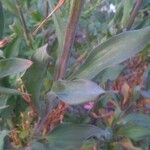
Alstroemeria aurea
نبی · گل آزالیا · آلسترومریا · آزالیا · Peruvian-lily
Description
Source: leafsnapAlstroemeria aurea is a species of flowering plant in the family Alstroemeriaceae, native to Chile and Argentina, but naturalised in Australia, New Zealand and the United Kingdom. It is also widely cultivated as an ornamental. Common names include yellow alstroemeria, though cultivars have been selected in a range of colours. The name Peruvian lily is often applied to this and other species of Alstroemeria, despite the fact that most are not native to that country. Growing to 1 m (3.3 ft) tall by 0.5 m (1.6 ft) broad, it is a herbaceous perennial with brittle, fleshy roots beneath erect stems with narrow leaves. Many orchid-like flowers in brilliant shades of yellow and orange. appear in early to midsummer. The flowers may be heavily spotted or striped with red or brown. If undisturbed, plants will spread rapidly in benign conditions.When cultivated it is one of the hardiest alstroemerias, surviving temperatures of −10 °C (14 °F). It requires a sheltered spot in sun or part shade.The Latin specific epithet aureum means "golden".
💡 There are numerous hybrids and over 190 cultivars of the Peruvian lily. Despite their variety, most share a common feature: regardless of their primary color, the tepals are striped and speckled with a darker shade. This distinctive pattern gives the flower its characteristic appearance.
🌳 Peruvian lily is famous for its striking, trumpet-shaped flowers commonly found in bouquets. Its roots are useful as well, containing anthraquinones that help produce high-quality dyes and may have benefits for scientific research. Additionally, its bright blooms attract nectar-seeking bugs, supplying a small amount of nectar.
🎭 Companionship, loyalty
Care Guide
💧 Water
The Peruvian lily originates from cooler mountain regions and prefers soil that is moderately moist and well-draining. It thrives when watered consistently every 1-2 weeks. When grown outdoors, it does well in either full sun or partial shade. Adequate hydration is essential to support its vibrant flowering during the growing season.
When should I water my Peruvian Lily?
Watering your Peruvian Lily is crucial for its health, growth, and flowering. You should water the plant when the top 1 to 2 inches of soil is dry. Wilting, lackluster, or yellowing leaves are signs that it needs water, especially during the pre-flowering stage and periods of warm temperatures and high sunlight. However, watering too early can lead to root diseases, while too late can cause wilting or even plant death. It's vital to watch for these indications to maintain a proper watering schedule.
How should I water my Peruvian Lily?
To water your Peruvian Lily effectively, employ a bottom-watering technique by placing the plant pot in a tray of water, allowing the roots to absorb water upwards. This method prevents overwatering and keeps foliage dry, reducing the risk of fungal diseases. Use a narrow spout watering can for targeted watering at the plant base, and consider using a moisture meter for accurate soil moisture reading. Avoid overwatering by allowing the top inch of soil to dry out before the next watering and keep the foliage dry to minimize disease risks.
How much water does Peruvian Lily really need?
Peruvian Lily has a moderate hydration need, with optimal watering ensuring the water reaches but does not oversaturate the 8-10 inch deep root zone. Generally, water the plant when the top 1-2 inches of soil feel dry, using about 1-2 cups (250-500 ml) per session. Proper hydration will keep the leaves fleshy and upright, support healthy growth and blooming. Watch for signs of over or under-watering, such as yellowing leaves or drooping, and adjust accordingly. Utilizing well-draining soil and adding materials like perlite can help manage moisture levels.
What kind of water is best for Peruvian Lily?
Peruvian Lily flourishes best with distilled water, as it is free from contaminants. Rainwater is also a good option, being natural and balanced, followed by filtered water to remove harmful elements. While tap water is usable, it may contain chlorine and minerals that could be harmful due to the plant's sensitivity. Let tap water sit for 24 hours before use to evaporate chlorine or use a filter. Use water at room temperature to avoid shocking the plant.
How do Peruvian Lily's watering needs change with the seasons?
Peruvian Lily's watering needs vary seasonally. In spring, water regularly to support active growth by keeping the soil evenly moist. During summer's dormancy, water less frequently, allowing the soil to partially dry out. In autumn, as the plant prepares for dormancy, reduce water frequency further but prevent the soil from completely drying out. In winter, water sparingly as the plant needs minimal moisture, letting the topsoil dry between waterings. Adjust your watering to match these seasonal needs.
☀️ Light Partial sun
The peruvian lily typically prospers in regions with average sun exposure and is capable of withstanding stronger sunlight. Originating from a habitat with filtered sunlight, it adjusts well to different light strengths. However, poor light can hinder its growth and excessive light may risk burning the leaves.
What are the sunlight requirements for the Peruvian lily?
The Peruvian lily, also known as Alstroemeria aurea, thrives best in moderate sunlight exposure, adapting well to both partial and full sun conditions. Partial sun equates to about 3-6 hours of sunlight, while full sun requires above 6 hours. Despite its adaptability, excessive sunlight exposure without proper adaptation can lead to symptoms of sunlight stress, such as leaf scorching and chlorosis. Indoor Peruvian lilies benefit from artificial lighting, especially in low natural light conditions, with recommended intensities based on the plant's sunlight needs.
What symptoms indicate a Peruvian lily isn't receiving the right amount of sunlight?
Symptoms of inappropriate sunlight exposure in Peruvian lilies can vary widely. Insufficient light may cause small leaves, leggy growth, faster leaf drop, and a halt in new growth. Conversely, too much sunlight can lead to chlorosis, sunscald, leaf curling, wilting, and leaf scorching. These symptoms help identify whether the plant is suffering from too little or too much light, enabling the owner to adjust the plant's environment accordingly.
How can I adjust the light conditions for my Peruvian lily?
To optimize light conditions for your Peruvian lily, gradually increase sunlight exposure for outdoor plants by moving them to sunnier locations each week. For indoor plants, shift them to brighter spots or use artificial lights, such as desk lamps or professional grow lights, for at least 8 hours daily. In cases of light obstruction, consider pruning or transplanting to ensure adequate light. Adapting your plant to its light environment gradually can prevent stress and support healthy growth.
What are the solutions for Peruvian lilies experiencing sunlight-related issues?
For Peruvian lilies facing sunlight deficiencies or overexposure, a gradual adaptation strategy is key. Indoors, you can shift the plant to increasingly sun-lit spots each week or use artificial lighting when moving the plant isn't feasible. Outdoors, it's beneficial to relocate your plant to a sunnier location gradually to avoid sunburn. Reducing obstructions such as overhanging branches can also help improve sunlight access. It's important to note that while affected parts may not recover, new growth will be healthier with appropriate light adjustments.
🌡️ Temperature 15–35°C
The Peruvian lily flourishes best in its native temperature range of 68 to 95°F (20 to 35 ℃), preferring a consistently warm climate throughout the year. If the weather is cooler, you may need to adjust the temperature to mimic these conditions.
What temperature does the Peruvian lily thrive in?
The Peruvian lily thrives in a warm climate year round, ideally between 68 to 95 °F (20 to 35 °C). It has strong cold resistance, meaning special frost protection measures are not typically necessary. However, in anticipation of winter temperatures dropping below the plant's cold tolerance limit, it is important to prepare by covering the plant with insulating materials such as soil or straw. Additionally, watering the plant abundantly before the first freeze in autumn to keep the soil moist is recommended to prevent drought and water scarcity during winter and early spring.
What are the symptoms of low temperature on Peruvian lily and how can they be addressed?
The Peruvian lily is cold-tolerant and performs best when the temperature remains above its minimum suitable growth temperature. It should be kept above its tolerable growing temperature minimum during winter. Exposure to temperatures below its growth limit might not show noticeable changes during winter but could result in decreased sprouting or even no sprouting in spring. To address this issue, remove any parts of the plant that have failed to sprout in spring.
How does high temperature affect the Peruvian lily and what are the solutions?
During summer, it's important to ensure the Peruvian lily stays below its maximum suitable growth temperature. Exceeding the tolerable maximum can cause the leaves to lighten in color, become prone to curling, susceptible to sunburn, and in severe cases, cause the entire plant to wilt and dry out. The solutions include trimming away sunburned and dried-up parts of the plant, moving it to a location that provides shade from the midday and afternoon sun, or using a shade cloth. It's also beneficial to water the plant in the morning and evening to keep the soil moist.
💨 Humidity normal (40-60%)
This plant will thrive in moderate humidity, which is probably the level in your home. However, misting it a few times a week can be very beneficial. Make sure the room has good ventilation.
🪴 Soil 6-7
🌱 Fertilizer
The optimal period to provide nourishment to a Peruvian lily is in the beginning of spring, as it comes out of its dormant state and starts growing actively. The process of fertilization supplies essential nutrients that aid in its robust development. Even though the Peruvian lily doesn't require much fertilization, an annual fertility routine can improve its longevity and encourage the production of superior, longer enduring blossoms.
Why is it necessary to use fertilizer on my Peruvian lily?
There are a few reasons why fertilization is important for the Peruvian lily. Primarily, fertilization provides essential nutrients for the plant's overall growth, both above and below the ground. However, the Peruvian lily doesn't require excessive fertilization. While it can survive without fertilization, annual fertilization can greatly benefit the plant. It not only helps the plant stay alive but also promotes the production of longer-lasting, more beautiful flowers. Therefore, those who want their Peruvian lily to thrive should regularly fertilize it.
When should I fertilize my Peruvian lily for the best results?
The best time to fertilize a Peruvian lily is in the late winter to early spring when it is transitioning from dormancy to active growth. Fertilizing during this time gives the plant a strong start for the season. While early spring is usually the best time, you can also fertilize in the fall if needed. Avoid fertilizing in the summer and winter as it is not beneficial for the Peruvian lily.
When is the best time to not fertilize my Peruvian lily?
To properly care for your Peruvian lily, it is important to know when to fertilize. It is recommended to only fertilize during late winter and early spring, as this plant does not require frequent feeding. Overfertilization can occur if you continue to fertilize throughout spring, summer, and fall. However, if you missed fertilizing in spring, you can still fertilize in the fall. Additionally, there is no need to fertilize during the winter when the plant is in a dormant phase and not experiencing any new growth.
What kind of fertilizer should I use for my Peruvian lily?
When it comes to fertilizing Peruvian lilies, any general-purpose fertilizer with a balanced mix of the main plant nutrients will do the job. However, certain nutrient blends can offer even greater benefits. Many gardeners believe that high levels of phosphorus can strengthen the roots and enhance flower production, so using a phosphorus-rich fertilizer may be the best option for Peruvian lilies. Whether you prefer granular or liquid fertilizer, the most important thing is to ensure that there are ample nutrients present. In addition to conventional fertilizers, organic methods like compost and manure can also be used to improve the soil and create an optimal growing environment for your Peruvian lily.
How should I fertilize my Peruvian lily?
To fertilize a Peruvian lily, the most common method is to use granular or pellet fertilizer on the soil around the plant. The ideal time for fertilization is when the plant is transitioning from its dormant winter phase to active growth. In the early spring, wait for shoots to emerge from the soil before applying fertilizer. Alternatively, some people prefer to use a liquid fertilizer, which should be diluted with water before application. Regardless of the type of fertilizer used, it's important to moisten the soil before, during, and after applying it.
🪴 Pot & Repot Every 12 months
You are advised to transplant a Peruvian lily in the initial stage of spring. Choose a container that has a greater width than depth and ensures proper drainage. Employ a loamy, well-drained potting mixture fortified with compost. Carefully remove any lingering old soil from the bulb and plant it at a depth equal to its height. After transplanting, give it a good watering and situate it in an area with ample sunlight. Avoid excessive watering to keep bulb decay at bay.
✂️ Pruning
The Peruvian lily showcases vibrant, lily-like flowers that brighten any garden. To maintain their beauty, prune the plants after they flower in late spring by cutting back old stems. This encourages new growth and removes any dead foliage. Regular deadheading can extend the blooming period, while pruning helps control the plant's size and enhances future flowering. Always use clean, sharp tools to prevent the spread of diseases.
🌿 Propagating
🐛 Diseases & pets
☠️ Toxicity
Characteristics
- Plant Type
- Herb
- Life Cycle
- Perennial, Annual
- Genus
- Alstroemeria
- Family
- Alstroemeriaceae
- Hardiness Zone
- 7-10
- Mature Height
- 0.49 m to 1.22 m
- Mature Spread
- 30 cm to 61 cm
- Leaf Color
- Green
- Leaf Type
- Deciduous
- Flower Color
- Gold, Orange
- Flower Size
- 3.05 cm to 4.06 cm
- Bloom Time
- Mid spring, Late spring, Early summer
- Planting Time
- Spring
- Harvest Time
- Fall
- Native Area
- Argentina, Chile