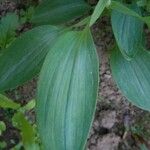
Alstroemeria ligtu
سوسن پرویی، سوسن اینکا، آلسترومریا، · آزالیا · Saint Martin's Lily · St. Martin's-flower · St Martin's flower
Description
Source: leafsnapAlstroemeria ligtu, commonly known as the Peruvian lily or Lily of the Incas, is a perennial flowering plant native to South America. It belongs to the Alstroemeriaceae family and is widely cultivated for its attractive and colorful flowers. The plant grows up to 1 meter tall, featuring long, narrow leaves arranged in a spiral pattern around the stem. The flowers of Alstroemeria ligtu are trumpet-shaped with six petals that come in various shades of pink, red, orange, yellow, and white. They bloom from late spring through summer and attract bees and butterflies with their sweet nectar. Alstroemeria ligtu thrives best in well-drained soil with full sun or partial shade. It can be propagated by division or from seed, but it requires regular watering during its growing season. Indigenous people have used the plant for medicinal purposes for centuries due to its anti-inflammatory properties. In addition to being a popular ornamental plant in gardens worldwide, it is also favored as cut flowers in floral arrangements because of their long vase life. Overall, Alstroemeria ligtu is an attractive, flowering perennial that adds color and beauty wherever it grows. Its medicinal properties make it an interesting addition not only for aesthetic purposes but also for practical uses!
💡 The Peruvian lily is a rare and beautiful flower, showcasing a range of colors including pink, white, green, gold, and purple-brown. Its elegant and unique patterns adorn several of its petals, making it both rich in color and captivating in appearance.
Care Guide
💧 Water Every 7 days
Saint Martin's lily thrives in moderately humid conditions and can tolerate short droughts, but it does best with consistent moisture. Watering every two weeks is ideal. It flourishes outdoors in well-draining soil, which is essential for healthy root growth during its active season.
☀️ Light Partial sun
Saint Martin's lily occurs naturally in habitats such as forest understories or rocky sites, where it grows in natural shade. It prefers partial sun but can tolerate full sun or full shade, demonstrating its hardy, versatile nature.
What are the sunlight requirements for Saint Martin's lily (Alstroemeria ligtu)?
Saint Martin's lily, also known as Alstroemeria ligtu, thrives in varying amounts of sunlight. It requires partial sun, meaning about 3-6 hours of sunlight daily, to grow well. For more vigorous growth, placing it in full sun, which means it should receive more than 6 hours of sunlight a day, is beneficial. It's important to observe the movement of sunlight in your garden to find spots that offer the ideal balance of light and shade, ensuring the plant's well-being. This mindful placement helps accommodate the plant's needs, allowing it to flourish.
🌡️ Temperature 15–35°C
Saint Martin's lily can tolerate a wide range of temperatures, but its distribution may still be constrained by various combinations of moisture and heat. It performs best in warm summer climates with adequate rainfall or watering. Extended periods of cloudy, rainy weather, as well as prolonged high temperatures, raise the likelihood of Saint Martin's lily dying. In winter, protecting the plant from cold can increase its chances of survival.
💨 Humidity
🪴 Soil 6-7
🌱 Fertilizer
The best time to fertilize a Saint Martin's lily is in early spring, as it emerges from dormancy and starts active growth. Fertilizing supplies essential nutrients for healthy development. Although the Saint Martin's lily has modest fertilization requirements, applying fertilizer once a year can boost its survival and help produce better, longer-lasting blooms.
🪴 Pot & Repot 2-3 years
Repot Saint Martin's lily every 2-3 years during the spring. Use a container that is 2 inches larger to accommodate its tuberous roots. After repotting, place the plant in indirect light and keep the soil moist to promote healthy recovery and extend its blooming period.
✂️ Pruning
Saint Martin's lily displays vibrant flowers adorned with spots and stripes. To encourage healthy growth and prevent disease, it's important to prune effectively by removing spent blooms and cutting old stems back to ground level in early to late spring. Using clean, sharp tools enhances airflow and light penetration, thereby improving the plant's health and blooming potential.
🌿 Propagating
🐛 Diseases & pets
☠️ Toxicity
Characteristics
- Plant Type
- Herb
- Life Cycle
- Perennial
- Genus
- Alstroemeria
- Family
- Alstroemeriaceae
- Hardiness Zone
- 7-10
- Mature Height
- 49 cm
- Mature Spread
- 76 cm
- Leaf Color
- Green
- Leaf Type
- Deciduous
- Flower Color
- Pink, Orange
- Flower Size
- 5.08 cm to 7.62 cm
- Bloom Time
- Late spring, Summer, Early fall
- Planting Time
- Spring, Autumn
- Harvest Time
- Late summer, Fall
- Native Area
- Argentina, Chile, Peru