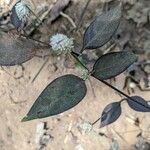
Alternanthera sessilis
Sessile joyweed · Amaranthus weed · Rabbit-meat · Dwarf Copperleaf · Sessile alligator weed
Description
Source: leafsnapAlternanthera sessilis is a flowering plant known by several common names, including sissoo spinach, Brazilian spinach, sessile joyweed and dwarf copperleaf. It is cultivated as a vegetable worldwide.
Care Guide
💧 Water
Sessile Joyweed thrives in moist, humid environments and can tolerate some drought. It grows best with consistent soil moisture, ideally needing weekly watering. While it benefits from natural rainfall, it performs optimally outdoors during the growing season when the soil is kept damp but not waterlogged.
How should I water my Sessile Joyweed plant?
To water Sessile Joyweed, you have several options. You can use a garden hose with a spray nozzle, a watering can, or any other common watering tool. This plant is not particularly picky about the type of water it receives - rainwater, tap water, or filtered water all work fine. However, it's best to avoid watering from overhead as this can harm the leaves and flowers and may even cause disease. For optimal watering, consider setting up a drip irrigation system. This method evenly and directly applies water to the soil, which works well for Sessile Joyweed. If you have a container-grown Sessile Joyweed, you can follow a similar watering approach, just changing the tools you use. Simply use a cup, watering can, or tap to apply water directly to the soil.
What should I do if I give my Sessile Joyweed too much or too little water?
The solution to underwatering Sessile Joyweed is clear - if you notice your plant is lacking moisture, simply water it more regularly. Overwatering, on the other hand, can be a more serious problem if not recognized early. It can cause diseases that lead to the decline and death of the plant. To prevent this, it is important to choose a suitable growing location that receives enough sunlight to dry the soil and has good drainage to avoid waterlogged soil. If you overwater Sessile Joyweed in a pot, it may be necessary to transfer it to a new pot. The previous container may not have had proper soil drainage or enough drainage holes. When repotting the overwatered plant, use loose soil and a pot that drains efficiently.
How frequently do I need to water my Sessile Joyweed plant?
Sessile Joyweed requires regular watering throughout the growing season. In the spring, watering once a week is sufficient. However, as the season progresses and temperatures rise, you may need to increase watering to two or three times a week. It is important not to exceed this rate as it can harm the plant. Additionally, it is essential to maintain moist soil for Sessile Joyweed, but avoid making it too wet, regardless of the watering frequency. Watering Sessile Joyweed in a pot is slightly different. Potted plants tend to dry out faster, so watering should be increased to a few times per week, compared to just once per week for plants in the ground.
How much water does my Sessile Joyweed plant need?
Determining the right amount of water for your Sessile Joyweed can be done in a few ways. Some gardeners prefer to assess the soil's moisture by feeling it, suggesting that watering should continue until the top six inches of soil are moist. Another approach is using a standard measurement, typically around two gallons per week, taking into account the temperature and rate of soil drying. However, strictly adhering to these guidelines might result in overwatering for plants that require less. For container-grown Sessile Joyweed, a different method is needed. The goal is to moisten all dry soil layers, which can be tested by inserting a finger into the soil or observing a slight trickle of excess water through drainage holes.
How do I know if I am watering my Sessile Joyweed plant enough?
Avoiding overwatering your Sessile Joyweed can be tricky. These plants need regular soil moistening due to their deep roots, but they are highly vulnerable to root rot and browning from excessive water. Underwatering is less of a concern as these plants can tolerate periods without watering. However, if left too long without water, the plant will wilt and its leaves will become dry.
☀️ Light Full sun
Sessile Joyweed grows best with strong sunlight throughout the day. While it can still grow in light shade, its growth and health may be impaired. Both too much and too little sun can negatively affect the plant, since it originates from areas that receive regular sunshine.
What are the sunlight requirements for Sessile Joyweed?
Sessile Joyweed thrives under robust sun exposure, requiring full sun for more than 6 hours of sunlight daily, or partial sun for about 3-6 hours of sunlight. It's highly recommended to observe the movement of sunlight through your garden to locate the ideal spots that offer the right balance of light and shade for your plants, ensuring they remain healthy and happy.
How does sunlight exposure affect Sessile Joyweed?
Sunlight exposure plays a crucial role in the growth and health of Sessile Joyweed. While it flourishes under full sun exposure, it can still grow in slightly shaded areas, though its health might be compromised. Both excessive and insufficient sun exposure can negatively impact the plant, as it is naturally accustomed to environments where sunlight is abundant.
What should I do if natural sunlight is insufficient for my indoor Sessile Joyweed?
When natural sunlight is insufficient, especially during the winter or in less sunny spaces, artificial lighting can be a vital solution for indoor Sessile Joyweed. LED lights are a popular choice because they can be customized to provide specific wavelengths needed by your plants. Full sun plants require 30-50W/sq ft of light, partial sun plants need 20-30W/sq ft, and shade plants need 10-20W/sq ft. The light should be placed 12-36 inches above the plant, and you should mimic natural daylight hours, typically providing 8-12 hours of light per day.
What are the signs of inadequate light for Sessile Joyweed?
When Sessile Joyweed doesn't receive enough light, it might show various symptoms, including smaller new leaves, leggy or sparse growth, early leaf drop, slower or halted growth, lighter-colored new leaves, chlorosis (leaves turning yellow), sunscald, leaf curling, wilting, and leaf scorching. These symptoms indicate that the plant is not getting the necessary sunlight for optimal growth.
How can I address light deficiency issues with Sessile Joyweed?
To improve growth conditions for light-deficient Sessile Joyweed, gradually move your plants to locations with more sunlight, aiming for at least 6 hours of direct sunlight daily. For indoor plants, use south-facing windows and keep curtains open during the day or provide artificial light if the plant is large or not easily movable, ensuring it receives light for at least 8 hours daily. Outdoors, adapt your plants to sunnier spots gradually to prevent sunburn. Consider pruning or transplanting to reduce obstructions and allow more sunlight to reach your plants.
🌡️ Temperature 20–35°C
Sessile Joyweed comes from temperate environments and prefers temperatures of 68 to 95°F (20 to 35℃). Depending on the season, it may be necessary to regulate temperature to replicate those conditions.
What is the native environment of Sessile Joyweed?
Sessile Joyweed, or Alternanthera sessilis, thrives in temperate environments. It prefers temperatures ranging between 68 to 95°F (20 to 35°C). Given its preference for warmth, it requires temperature regulation depending on the season to mimic these ideal conditions.
How should Sessile Joyweed be cared for in colder temperatures?
Sessile Joyweed is not tolerant of cold temperatures, as it is a heat-loving plant. During autumn, it's advised to bring outdoor-grown Sessile Joyweed indoors, placing it near a bright window to continue receiving light. However, it should not be placed too close to heaters to avoid harm. To promote growth, maintaining temperatures above 20°C during winter is crucial, while ensuring it does not get exposed to temperatures nearing 5°C to prevent damage.
What are the symptoms of Sessile Joyweed being exposed to low temperatures?
Exposure to low temperatures can be problematic for Sessile Joyweed, which fares best in warmth. Symptoms of such exposure include a lightening of the leaves' color when temperatures drop below 1°C, progressing to brown or black as frost damage worsens. This may also lead to wilting and drooping. It's crucial to keep the plant above 5°C during winter and ideally above 20°C.
How can you care for Sessile Joyweed after frost damage?
After frost damage, it's recommended to trim off the damaged parts of Sessile Joyweed. The plant should then be moved indoors to a warmer environment to protect it from the cold. Placing it near a south-facing window ensures it receives enough sunlight, but it should be kept away from heaters or air conditioning vents to avoid air dryness.
What are the symptoms of Sessile Joyweed in high temperatures?
In high temperatures, specifically above 35°C, Sessile Joyweed may show signs of stress. Temperatures exceeding 41°C can lead to a lighter color of the leaves and make the plant more prone to sunburn.
💨 Humidity
🪴 Soil 5-7
🌱 Fertilizer
To maximize yield, Sessile Joyweed benefits from regular applications of a balanced fertilizer, especially one high in nitrogen. Apply fertilizer before planting, at planting, and again when seedlings are 2 inches tall. Adding compost or manure also gives a steady nutrient supply. Too few nutrients in the soil lead to underdeveloped leaves and stems, thin stems, inferior flavors, and a potentially bitter taste.
Why should I put fertilizer on my Sessile Joyweed?
Plants require nutrients to grow, but some, like Sessile Joyweed, can obtain what they need without additional fertilizers. Like other plants, Sessile Joyweed uses nutrients for growth and internal processes. Nitrogen, phosphorus, and potassium are the main nutrients that support various essential functions in plants. Specifically, nitrogen is crucial for foliage growth. However, Sessile Joyweed may struggle to acquire enough nitrogen from the soil, so many gardeners opt to supplement the plant with a nitrogen source.
When should I fertilize my Sessile Joyweed for the best results?
Sessile Joyweed typically grows well, but it can benefit from monthly fertilization during periods of active growth. Fertilizing should only be done in the spring and summer months, as the plant requires fewer nutrients in the fall and winter. Look for signs of new growth as an indicator of when to begin fertilizing. Whether the plant is grown indoors or outdoors in a container, the fertilization schedule remains the same. However, if the Sessile Joyweed is in a container, it may not require fertilization for the first one to two months. This is because the potting soil for containers usually contains enough nutrients initially. Once the plant has been in the same soil for some time, then you can start fertilizing.
When is it not a good idea to fertilize my Sessile Joyweed?
To ensure optimal growth of your Sessile Joyweed, avoid fertilizing it when it's unhealthy due to disease or pests. Additionally, refrain from fertilizing a dehydrated plant, as it can exacerbate the issue. Only fertilize plants in good health. When watering, be cautious not to splash fertilizer onto the leaves or stem, as this can cause damage. Unless you are using a specific foliage fertilizer, prevent direct contact between the plant and fertilizer.
What kind of fertilizer should I use for my Sessile Joyweed plant?
Fertilizers are made up of nitrogen, potassium, phosphorus, and essential nutrients like iron, manganese, and zinc. These elements are necessary for promoting growth in Sessile Joyweed. A balanced fertilizer such as an all-purpose one with a 10-10-10 NPK number is recommended. Natural fertilizers like blood meal or worm castings can also be used. If you want to focus on leaf growth, choose a fertilizer higher in nitrogen, like fish fertilizer. It's important to consider your purpose for growing the plant, as providing a lot of supplements for flowers or seeds may not be necessary.
How can I make my Sessile Joyweed grow better?
To ensure proper fertilization for your Sessile Joyweed, follow the instructions on the fertilizer you purchased. It's a good idea to start with half-strength fertilizer to avoid over-fertilization, which can be a common mistake due to the plant's frequent need for fertilization. Remember that adding more fertilizer is easier than saving an over-fertilized plant. Additionally, avoid applying fertilizer to dry soil. The soil should be somewhat moist before fertilizing to help the fertilizer absorb easily and prevent fertilizer burn. After applying dry fertilizers, make sure to water the soil. There are different ways to apply fertilizers depending on the type. Some fertilizers should be mixed into the soil when planting, while others can be applied on top of the soil and then watered in. For Sessile Joyweed, a water soluble fertilizer is a convenient choice. Simply mix the recommended dosage into your watering can and water the plant as usual. Alternatively, slow-release granules or fertilizer spikes can be used if you prefer not to fertilize monthly.
🪴 Pot & Repot Every 12 months
✂️ Pruning
Sessile Joyweed benefits from regular pruning, particularly from early to late spring. This practice encourages bushier growth and enhances air circulation. Make sure to trim any dead or damaged stems and thin out overly dense areas to support plant health and reduce pests. These recommendations are supported by horticultural guides and extension programs.
🌿 Propagating
🐛 Diseases & pets
☠️ Toxicity
Characteristics
- Plant Type
- Herb
- Life Cycle
- Annual, Perennial
- Genus
- Alternanthera
- Family
- Amaranthaceae
- Hardiness Zone
- 10
- Mature Height
- 30 cm to 91 cm
- Mature Spread
- 91 cm
- Leaf Color
- Green, Dark Green
- Leaf Type
- Evergreen
- Flower Color
- White
- Flower Size
- 0.25 cm to 0.51 cm
- Bloom Time
- Summer, Fall
- Planting Time
- Spring, Autumn
- Harvest Time
- Late summer, Fall, Early winter
- Native Area
- Burkina Faso, Sri Lanka, Belize, Mexico, Guatemala, Madagascar, Pakistan, Dominican Republic, Nigeria, Guinea-Bissau, Uganda, Tanzania, Benin, Paraguay, Sierra Leone, Indonesia, Haiti, Cameroon, Mozambique, Ethiopia, Suriname, Central African Republic, Saudi Arabia, Malawi, Tunisia, Honduras, Peru, Philippines, Bangladesh, Panama, Chad, China, Colombia, Lebanon, Syria, Japan, Togo, El Salvador, Senegal, Eswatini, Iran, Côte d'Ivoire, Gambia, Costa Rica, Congo (DRC), Lesotho, Egypt, Angola, Malaysia, Eritrea, Yemen, Kenya, Niger, Jamaica, Zimbabwe, Mali, Iraq, Cuba, Cambodia, Liberia, Venezuela, Brazil, Ghana, Botswana, Congo, Nepal, South Africa, Sudan, Mauritania, Zambia, Guinea, Bolivia, Vietnam, Myanmar, Guyana, Bhutan, Nicaragua, Algeria, Thailand, Gabon