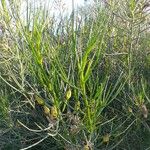
Alyogyne hakeifolia
Description
Source: leafsnapAlyogyne hakeifolia is a species of flowering plant in the family Malvaceae. It is endemic to the southern regions of Australia. The plant is similar to a Hibiscus and was assumed to be part of that genus for many years. It is known to have been cultivated in England since the mid nineteenth century.
Care Guide
💧 Water
☀️ Light Full sun
Hibiscus hakeifolius is native to open habitats, such as sunlit meadows and the edges of forests, where abundant light is available. It thrives in Full Sun but can also tolerate Partial Sun, adapting well to different sunlight conditions.
🌡️ Temperature 20–37.8°C
Hibiscus hakeifolius demonstrates good tolerance to temperature, being capable of withstanding higher heat and wide temperature fluctuations. In hot weather, attention should be paid to watering and providing appropriate shade to prevent sunburn. On the other hand, Hibiscus hakeifolius is relatively sensitive to low temperatures; while it can endure some cold, excessively low temperatures may cause frost damage.
💨 Humidity
🪴 Soil 6-7
🌱 Fertilizer
The timing of fertilizing Hibiscus hakeifolius is important. Apply fertilizer in early spring and repeat monthly until early summer. Fertilizer promotes lovely blooms and supplies energy during both dormant and active growth periods.
🪴 Pot & Repot
✂️ Pruning
🌿 Propagating
🐛 Diseases & pets
☠️ Toxicity
Characteristics
- Plant Type
- Shrub
- Life Cycle
- Perennial
- Genus
- Alyogyne
- Family
- Malvaceae
- Hardiness Zone
- 9-11
- Mature Height
- 2.13 m to 3.05 m
- Mature Spread
- 1.52 m to 2.13 m
- Leaf Color
- Dark Green
- Leaf Type
- Evergreen
- Flower Color
- Pink
- Flower Size
- 6.35 cm to 10.16 cm
- Bloom Time
- Summer, Early fall, Mid fall
- Planting Time
- Spring, Summer, Autumn, Winter
- Harvest Time
- Late summer, Fall, Early winter