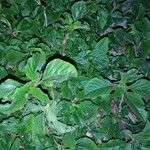
Amaranthus blitum
از ق · Purple amaranth · Pigweed · Livid amaranth · Guernsey pigweed
Description
Source: leafsnapAmaranthus blitum, commonly known as purple amaranth or livid amaranth, is an annual herbaceous plant belonging to the Amaranthaceae family. Native to Europe, Asia, and North Africa, it has been introduced and naturalized in many other parts of the world. The plant can grow up to 60 cm tall and features a branching stem with alternate leaves that are ovate or lanceolate in shape, boasting a purplish-red hue. Its small, greenish-yellow flowers are densely clustered at the tips of the branches. Amaranthus blitum is often used as a leafy vegetable due to its tender leaves, which have a slightly sweet taste when cooked. Additionally, it is valued for medicinal purposes owing to its high nutritional content, including vitamins A and C, iron, calcium, and protein. The plant thrives in warm climates with well-drained soils, although it can tolerate some shade. It is best grown from seeds sown directly into the soil after the danger of frost has passed. Overall, Amaranthus blitum is an attractive ornamental plant that also offers numerous health benefits when consumed as food or used medicinally.
💡 Purple amaranth is a simple and unassuming wild vegetable that often goes unnoticed by many. It thrives among weeds and in farmland, subtly integrating into your life much like invisible love surrounds you.
🌳 Unknown to most people, livid amaranth has been employed as an effective bioindicator of certain heavy metals in the environment. Because it can concentrate metals such as cadmium and lead in its tissues, it serves as a natural sentinel for assessing soil and environmental health. This characteristic is especially useful for pinpointing areas that may be contaminated and thus helps guide remediation efforts.
🎭 Subtle affection, immortality
Care Guide
💧 Water Every 3 days
Purple amaranth thrives in a moist environment. It needs regular watering to stay healthy, though it can handle moderate drought. Make sure to water it weekly to keep it vital; using rainwater during the growing season can be especially beneficial, as this mimics its natural habitat.
When should I water my purple amaranth?
Watering your purple amaranth efficiently ensures its health and growth. Look for signs like wilted or curled leaves, which indicate it's thirsty. Also, watch for any dullness in the typically vibrant green leaves with purple undersides as a sign of dehydration. The top 1-2 inch layer of soil drying out is a clear indicator it's time for water. Be mindful of the plant's growth; a slowdown suggests it needs more water. However, beware of watering too early or too late, as this can lead to root rot or dehydration, negatively impacting the plant.
How should I water my purple amaranth?
Purple amaranth thrives with specific watering techniques due to its sensitivity to overwatering. Employing bottom-watering allows the plant to intake water from the bottom up, ensuring moist soil without wetting the foliage excessively, thereby reducing fungal disease risks. When using a watering can, opt for one with a narrow spout to direct water flow to the base, avoiding foliage and focusing hydration at root level, which promotes healthy growth.
How much water does purple amaranth really need?
Watering purple amaranth correctly involves considering various factors like pot size and plant size. Typically, a thorough watering is recommended, ensuring deep soil penetration to reach the root zone. For pots ranging from 8-10 inches in diameter, 0.5-1 liter of water is sufficient, increasing to 1-2 liters for larger pots. Signs of adequate hydration include vibrant foliage and upright stems. Avoid both overwatering, which can lead to root rot, and underwatering, which can cause wilting and stunted growth. Regular soil moisture checks and proper drainage are key to providing the optimal amount of water.
What kind of water is best for purple amaranth?
For optimal growth of Amaranthus blitum, filtered or rainwater is preferable due to its contaminant-free nature and suitable pH level. While tap water is also suitable due to the plant's relatively low sensitivity to chlorine, it's better to let tap water sit for 24 hours before use to evaporate chlorine or other gases. Despite a moderate sensitivity to fluoride and tolerance for various mineral levels, extremely hard water might lead to leaf burn. Room-temperature water is ideal, as extreme temperatures can stress the plant.
How do purple amaranth's watering needs change with the seasons?
Seasonal changes directly influence purple amaranth's watering requirements. During spring's growth season, consistent moisture is crucial. Water accordingly when the top soil layer starts to dry. In summer, respond to increased heat and sunlight with more water, but ensure not to overdo it and cause root rot. Autumn and winter see reduced watering needs; allow the top layer of soil to dry out between watering in autumn and reduce watering further in winter, keeping the soil slightly moist without drying out completely.
☀️ Light Partial sun
Livid amaranth does best with moderate sunlight but can also adjust to a broad spectrum of lighting, from full sun to deep shade. Excessive sun can stress it, while too little light may cause it to grow lanky. Originating in environments with varied light levels, it shows a notable adaptability to different light conditions.
What are the sunlight requirements for growing purple amaranth?
Purple amaranth thrives in conditions ranging from partial to full sunlight, requiring about 3-6 hours of sunlight daily. It is adaptable to various light conditions, showing remarkable resilience whether in full sun or complete shade. Despite this adaptability, providing the right amount of sunlight is crucial as excessive exposure can stress the plant, and insufficient light might lead to lanky growth. It's essential to observe how sunlight moves through your garden to find the perfect spot that offers a balance of light and shade, ensuring the plant's health and happiness.
How can artificial lighting be used for purple amaranth indoors?
When natural sunlight is inadequate, especially during winter or in less sunny spaces, artificial lighting serves as an essential solution for supporting the growth of indoor purple amaranth plants. LED lights are a popular choice because they can be customized to provide specific wavelengths of light needed by the plants. For full sun plants, 30-50W per square foot is recommended, while partial sun plants require 20-30W, and full shade plants need 10-20W. The light should be placed 12-36 inches above the plant to mimic natural sunlight, and the duration should ideally replicate natural daylight hours, with most plants benefiting from 8-12 hours of light per day.
What are the symptoms of inadequate light in purple amaranth?
When purple amaranth is grown indoors under inadequate light conditions, several symptoms may become noticeable. These include smaller new leaves compared to previous ones, leggy or sparse growth due to extended spaces between leaves or stems, a quicker drop of older leaves to conserve resources, slowed or halted growth as the plant enters survival mode, leaves developing lighter colors or irregular patterns signaling a lack of chlorophyll, and conditions such as chlorosis, sunscald, leaf curling, wilting, and leaf scorching resulting from varying degrees of light stress, whether due to excessive or insufficient light exposure.
How can light exposure be optimized for healthy growth of purple amaranth?
To optimize the light exposure for purple amaranth, particularly when growing it indoors, it's advisable to gradually acclimate the plant to changing light conditions. Start by shifting the plant to sunnier spots each week until it receives the optimal 3-6 hours of direct sunlight daily. For plants that are large or not easily movable, supplementing with artificial light, such as keeping a desk or ceiling lamp on for at least 8 hours a day, or investing in professional plant grow lights, can provide sufficient light. Outdoors, similarly, gradually move your plants to brighter spots to prevent sunburn, avoiding sudden and drastic changes in light intensity. Additionally, for plants in the ground, reducing obstructions, such as pruning trees to allow more sunlight to filter through, and transplanting smaller plants during their dormant period to sunnier locations with good drainage, can enhance their light exposure and promote healthy growth. Note that parts of the plant affected by previous insufficient sunlight may not recover, but newly adjusted conditions can support healthy new plant growth.
🌡️ Temperature 5–35°C
Livid amaranth is native to temperate regions and performs best in temperatures from 68 to 95°F (20 to 35 ℃). If the surroundings become noticeably warmer or cooler, gradually change the temperature over several days to allow the plant to acclimate.
What is the native climate for Purple Amaranth?
Purple amaranth is native to temperate areas and thrives in climates that maintain temperatures between 68 to 95°F (20 to 35°C). This makes it well-suited for environments that stay within this temperature range for optimal growth and health.
How should Purple Amaranth be acclimated to changes in temperature?
When there are significant changes in the environment's temperature, it's important to gradually acclimate Purple Amaranth over several days. This slow adjustment helps the plant get used to the new temperatures without undergoing stress, whether the change is toward warmer or cooler weather.
What are the cold resistance capabilities of Purple Amaranth?
Purple amaranth possesses strong cold resistance, meaning it typically doesn't require special frost protection measures during the winter months. However, if temperatures are expected to fall below -30°C, it's crucial to protect the plant by covering it with insulating materials like soil or straw. Additionally, watering the plant abundantly before the first freeze in autumn ensures the soil remains moist and freezes in that state, aiding the plant's survival through winter and early spring.
How does Purple Amaranth react to low temperatures?
Purple amaranth is quite cold-tolerant, ideally remaining above 0°C during winter. It thrives best when temperatures are above 20°C. If temperatures drop below -30°C, while the plant may not show immediate changes, there could be a noticeable decrease in sprouting or no sprouting at all come spring. For parts of the plant that fail to sprout in spring, it is recommended to remove these parts.
What should be done if Purple Amaranth experiences high temperatures?
In the summer, it is important to ensure the temperature around Purple amaranth does not exceed 35°C. Exposing the plant to temperatures above 38°C may lead to lighter colored leaves, curling, susceptibility to sunburn, and, in severe cases, wilting and drying of the entire plant. To mitigate these effects, trim the sunburned and dried parts of the plant, relocate it to a shaded area or use a shade cloth to protect it from midday and afternoon sun, and water it in the morning and evening to maintain moist soil.
💨 Humidity
🪴 Soil 6-7
🌱 Fertilizer
Livid amaranth responds well to regular, light fertilizer applications to encourage healthy leaf development. Fertilize Livid amaranth about once a month during the summer. Nitrogen is important for foliage, and supplying nitrogen-rich sources helps Livid amaranth thrive.
🪴 Pot & Repot
✂️ Pruning
🌿 Propagating
🐛 Diseases & pets
☠️ Toxicity
Characteristics
- Plant Type
- Herb
- Life Cycle
- Annual
- Genus
- Amaranthus
- Family
- Amaranthaceae
- Hardiness Zone
- 4-9
- Mature Height
- 10 cm to 30 cm
- Mature Spread
- 30 cm to 37 cm
- Leaf Color
- Green
- Leaf Type
- Deciduous
- Flower Color
- Green
- Flower Size
- 2.54 cm
- Bloom Time
- Early summer, Mid summer
- Planting Time
- Spring
- Harvest Time
- Mid summer
- Native Area
- Egypt, Turkey, India, Angola, Montenegro, Pakistan, Nigeria, Slovenia, Morocco, Croatia, Yemen, Kenya, Uganda, Tanzania, Zimbabwe, Russia, Uruguay, Benin, Cuba, Paraguay, Argentina, Mozambique, Venezuela, Brazil, Portugal, France, Saudi Arabia, Congo, Chile, Tunisia, Peru, South Africa, Zambia, Sudan, Mauritania, Cyprus, Bulgaria, Greece, Guinea, Serbia, Lebanon, Colombia, Bahamas, Syria, Italy, Spain, Bolivia, Guyana, Côte d'Ivoire, Iran, Albania, Ecuador, Algeria, Azerbaijan, Congo (DRC), Gabon