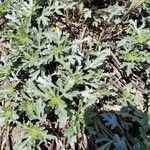
Ambrosia chamissonis
Silver bur ragweed · Beach-bur · Silver burr ragweed · Silver burrweed · Beach bursage
Description
Source: leafsnapAmbrosia chamissonis, commonly known as beach bur, is a flowering plant species in the sunflower family. It is native to the western coast of North America, ranging from British Columbia to Baja California. The plant thrives in sandy or rocky coastal habitats and can grow up to 1 meter tall. Its green leaves are deeply lobed and covered with fine hairs, giving them a grayish appearance. The small, greenish-yellow flowers cluster together in spikes at the top of the stem. The fruit resembles a bur and is covered with hooked spines that can attach to clothing or animal fur for dispersal. Indigenous peoples have traditionally used beach bur for medicinal purposes, such as treating skin irritations and respiratory ailments. However, the plant's pollen can also trigger allergic reactions in some individuals. Outside its native range, beach bur is considered invasive due to its ability to spread rapidly through wind-dispersed seeds and root sprouts, which compete with native vegetation for resources. In summary, Ambrosia chamissonis is an important component of coastal ecosystems. Nonetheless, it poses challenges in non-native habitats, where it may outcompete other species and cause allergic reactions in humans who come into contact with it.
Care Guide
💧 Water Every 7 days
Silver burr ragweed thrives in coastal dunes and can tolerate drought and saline conditions. Although it is quite resilient and demonstrates robust growth with minimal water during the growing season, it still requires weekly watering to maintain optimal health. This plant is best suited for outdoor cultivation.
How should I water my Silver burr ragweed?
To properly water the Silver burr ragweed, there are a few guidelines to follow. First, it is recommended to use filtered water that is at room temperature. This is because tap water may contain harmful particles that can negatively affect the plant's health. Additionally, it is important to remember that the Silver burr ragweed is accustomed to warm environments, so using cold water can be a shock to its system. Another tip is to avoid overhead watering, as this can cause problems with the foliage. Instead, it is advised to gradually apply the filtered, room temperature water to the soil until it is completely soaked. This method helps to moisten the plant's roots and allows them to effectively spread and absorb the necessary nutrients from the soil.
What should I do if I give my Silver burr ragweed too much or too little water?
Overwatering is a more common issue that can harm your Silver burr ragweed. When it receives too much water, the stems and leaves may wilt and turn yellow. Overwatering for a long time can also cause diseases like root rot, mold, and mildew that can kill the plant. Underwatering is less common, but still possible. When it happens, the leaves become brittle and brown. It's important to recognize the signs of overwatering early and reduce watering right away. Check the soil's drainage and replace it with a well-draining potting mix if needed. If you notice signs of underwatering, simply water the plant regularly until the signs go away.
How often do I need to water my Silver burr ragweed plant?
If you have your Silver burr ragweed in a pot, the easiest way to check if it needs water is to stick your finger in the soil. If the top two to three inches of soil are dry, then it's time to water it. If it's growing outdoors in the ground, you can use the same method to test the soil. Once the top few inches of soil have dried out, it's time to give it some water. Typically, during spring and early fall, watering once a week is sufficient. However, in extremely hot weather, you may need to increase watering to twice a week or more. Nevertheless, mature and well-established Silver burr ragweed plants have a good tolerance for drought.
How much water does my Silver burr ragweed require?
To water your Silver burr ragweed effectively, don't be hesitant to give it a generous amount of water. Make sure the first two to three inches of soil are dry before watering, and then give it a thorough soaking to completely moisten the soil. It's important to water it enough so that excess water flows out through the drainage holes at the bottom of the pot. If you don't see any excess water draining out, it means you haven't watered it enough. However, be careful not to let water accumulate in the soil, as it can harm the plant. On the other hand, if water doesn't drain through the pot, it could mean the soil doesn't have good drainage, which is harmful to the plant and should be avoided. If the plant is outside, receiving 1 inch of rain per week should be sufficient.
How should I water my Silver burr ragweed as it grows?
The water needs of the Silver burr ragweed can vary depending on its growth stages. In the early years or when you've just transplanted it, more water than usual is necessary. During these stages, the plant focuses on developing new roots to support future growth. These roots perform best with slightly more moisture. As the plant matures, it will require less water. Additionally, during the bloom period, more water may be needed as the flower development uses a significant amount of moisture.
☀️ Light Full sun
Silver burr ragweed comes from bright, tropical habitats and does best in direct sunlight. It prefers full sun but can tolerate partial sun, growing well in lightly shaded spots.
What are the sunlight requirements for Silver Burr Ragweed?
Silver burr ragweed thrives in environments with abundant sunlight, reflecting its tropical origins. Ideally, it should receive full sun, characterized by more than 6 hours of direct sunlight daily. However, it can also adapt to partial sun conditions, requiring about 3-6 hours of sunlight. It's essential to watch the movement of sunlight through your garden to ensure plants receive the appropriate balance of light and shade for optimal growth. The correct positioning will help ensure the happiness and health of your plants.
Can Silver Burr Ragweed be grown indoors, and how?
Yes, Silver Burr Ragweed can be cultivated indoors, particularly during winter when it's sensitive to cold. Indoor plants need adequate lighting for optimal growth. When natural sunlight is insufficient, especially in winter or less sunny spaces, artificial lighting becomes a crucial solution. LED lights are recommended for indoor plant lighting as they can be customized to provide the specific light wavelengths plants need. Full sun plants require 30-50W/sq ft, partial sun plants need 20-30W/sq ft, and full shade plants 10-20W/sq ft of artificial light. The light source should be placed 12-36 inches above the plant, and most plants need 8-12 hours of light per day to mimic natural daylight hours.
What are the symptoms of light deficiency in Silver Burr Ragweed?
If Silver Burr Ragweed is placed in rooms with inadequate lighting, it may display several symptoms indicating light deficiency. These include smaller new leaves compared to older ones, leggy or sparse growth, faster leaf drop, slower or halted new growth, and lighter-colored new leaves. Conditions such as chlorosis (leaves turning yellow due to chlorophyll breakdown), sunscald (damage from intense sunlight), leaf curling (a defense mechanism against excessive sunlight), wilting (loss of turgor pressure), and leaf scorching (brown, dry edges on leaves due to excessive sunlight) can also occur. These symptoms highlight the importance of providing sufficient sunlight or artificial light to prevent these issues.
How can I address insufficient light conditions for Silver Burr Ragweed?
To combat insufficient light for Silver Burr Ragweed, gradually increase exposure to sunlight if the plant is kept indoors or outdoors. If indoors, move the plant to a sunnier location weekly until it gets at least 6 hours of direct sunlight per day, utilizing a south-facing window and keeping curtains open for maximum exposure. Artificial lighting, such as desk lamps or grow lights, should be on for at least 8 hours daily. Outdoors, move plants gradually to sunnier spots to prevent sunburn. Reducing obstructions (like pruning trees) and transplanting to sunnier locations with good drainage are also effective strategies. Note that parts of the plant affected by insufficient light may not recover, but new growth should be healthy once light exposure is improved.
🌡️ Temperature 20–37.8°C
Silver burr ragweed is native to habitats that commonly have temperatures from 68 to 100 °F (20 to 38 ℃). Optimal growing conditions fall within this range, with the temperature range adjusted by season when necessary.
What is the ideal temperature range for growing Silver burr ragweed?
Silver burr ragweed originates from environments that commonly experience temperatures between 68 to 100 °F (20 to 38 °C). It thrives in these temperature ranges, adapting slightly based on seasonal changes. This plant loves heat and must be shielded from cold conditions. During the fall, it's advisable to move it indoors to a location near a bright window while ensuring it's not too close to heaters. It's important to maintain temperatures above the minimum suitable growth temperature during winter, as temperatures near or below the minimum tolerable growth temperature can be harmful to the plant.
How does low temperature affect Silver burr ragweed and what should I do?
Silver burr ragweed prefers warm temperatures and does not tolerate cold well. It's best kept above the specified suitable growth temperature minimum during the cold season. Exposure to temperatures below the limit growth temperature can cause the leaves to lighten in color. Additionally, frost damage can turn the leaves brown or black, leading to wilting and drooping. The solution is to trim off the frost-damaged parts and move the plant to a warm indoor spot, ideally near a south-facing window for sunlight. Avoid placing it near heaters or air conditioning vents to prevent air from becoming too dry.
What actions should be taken if Silver burr ragweed experiences high temperature?
During the summer, it's crucial to ensure that the temperature around Silver burr ragweed does not exceed the maximum suitable growth temperature. If it faces temperatures above the tolerable growing temperature max, leaf color may lighten, increasing susceptibility to sunburn. In such cases, trim the sunburned and dry parts away and relocate the plant to a shadier spot, especially away from the harsh midday and afternoon sun. Watering the plant in the early morning and evening will help keep the soil moist, which is beneficial for the plant's health in high temperatures.
💨 Humidity
🪴 Soil 6-7
🌱 Fertilizer
Silver burr ragweed needs the most fertilizer during its active growth period, which mainly occurs in spring, summer, and early fall. Fertilization supplies essential nutrients that the soil may lack, supporting healthy root and stem growth and the attractive foliage that is characteristic of this plant.
🪴 Pot & Repot
✂️ Pruning
🌿 Propagating
🐛 Diseases & pets
☠️ Toxicity
Characteristics
- Plant Type
- Herb
- Life Cycle
- Perennial
- Genus
- Ambrosia
- Family
- Asteraceae
- Hardiness Zone
- 10-11
- Mature Height
- 0.15 m to 1.07 m
- Mature Spread
- 1.52 m
- Leaf Color
- Light Green
- Leaf Type
- Deciduous
- Flower Color
- Yellow
- Flower Size
- 7.62 cm
- Bloom Time
- Summer
- Planting Time
- Spring, Summer
- Harvest Time
- Late summer, Early fall, Mid fall
- Native Area
- Mexico